
If you've ever wondered why you have a hard time saying no when someone needs help-or why you tend to over-give, even when it puts you in a tough spot-your upbringing probably plays a bigger role than you think.
Many of the money habits we carry into adulthood come from what we saw growing up, not what we were taught outright. Being generous isn't a bad thing, but when it crosses into guilt, obligation, or people-pleasing, it can start to cost more than it should.
You were taught that saying no is rude

If you grew up in a home where politeness mattered above boundaries, you might have learned to associate "no" with being unkind. That habit can carry into how you handle money-always saying yes to lending, covering, or donating, even when it strains your own budget.
Over time, this mindset can make you feel resentful or drained. Learning that it's okay to decline without guilt helps you protect your financial health without losing your generosity.
Money was tied to love or approval

In some families, giving or spending money was a way to show love. Parents or grandparents might've expressed affection through gifts or gestures, and you picked up the pattern. Now, you may find yourself giving to maintain closeness or avoid disappointing others.
It's a hard cycle to break because generosity feels like connection. But real relationships don't depend on financial giving, and setting limits won't make you less caring-it makes your support more sustainable.
You were praised for being selfless

Many of us grew up being told how "good" it was to share or put others first. Those values can be beautiful but can also lead to giving at your own expense. You might feel uncomfortable prioritizing your own needs, even when you should.
That early praise for being selfless can create guilt when you focus on your own financial goals. It's important to remember that taking care of yourself doesn't make you selfish-it gives you the stability to help others long-term.
You saw your parents help everyone

If your parents were the type to always lend money, feed extra mouths, or offer support to friends and family, you may have learned that helping is what responsible adults do. That pattern can stick, even when you can't truly afford to play the same role.
Generosity modeled like this can feel like an obligation, not a choice. It's okay to honor what your parents taught you while also drawing the line where it starts to hurt your own stability.
You were raised to avoid conflict

If keeping the peace was valued more than standing firm, you might have learned to give in quickly-especially with money. It can feel easier to pay for something or lend cash than to have an uncomfortable conversation about boundaries.
While that avoids short-term tension, it often leads to long-term stress. Learning to speak up about money, even when it feels awkward, helps protect both your relationships and your bank account.
You grew up with financial guilt

If your family struggled with money, you might feel guilty for having more now. That guilt can push you to over-give-to siblings, friends, or even strangers-because part of you feels like you don't "deserve" to hold on to it.
This habit can quietly undo your financial progress. Generosity isn't wrong, but it should come from intention, not guilt. You can still give, but it helps to create clear limits that protect your financial security first.
You learned to measure worth by usefulness

If your family valued being helpful or productive above all else, you might subconsciously equate generosity with worthiness. Saying yes to every financial favor or covering others' expenses can make you feel valuable or needed.
But money shouldn't be the way you earn validation. You can be kind and supportive without constantly footing the bill. Real generosity doesn't require proving your value-it comes from choice, not pressure.
You were taught that money should never be discussed
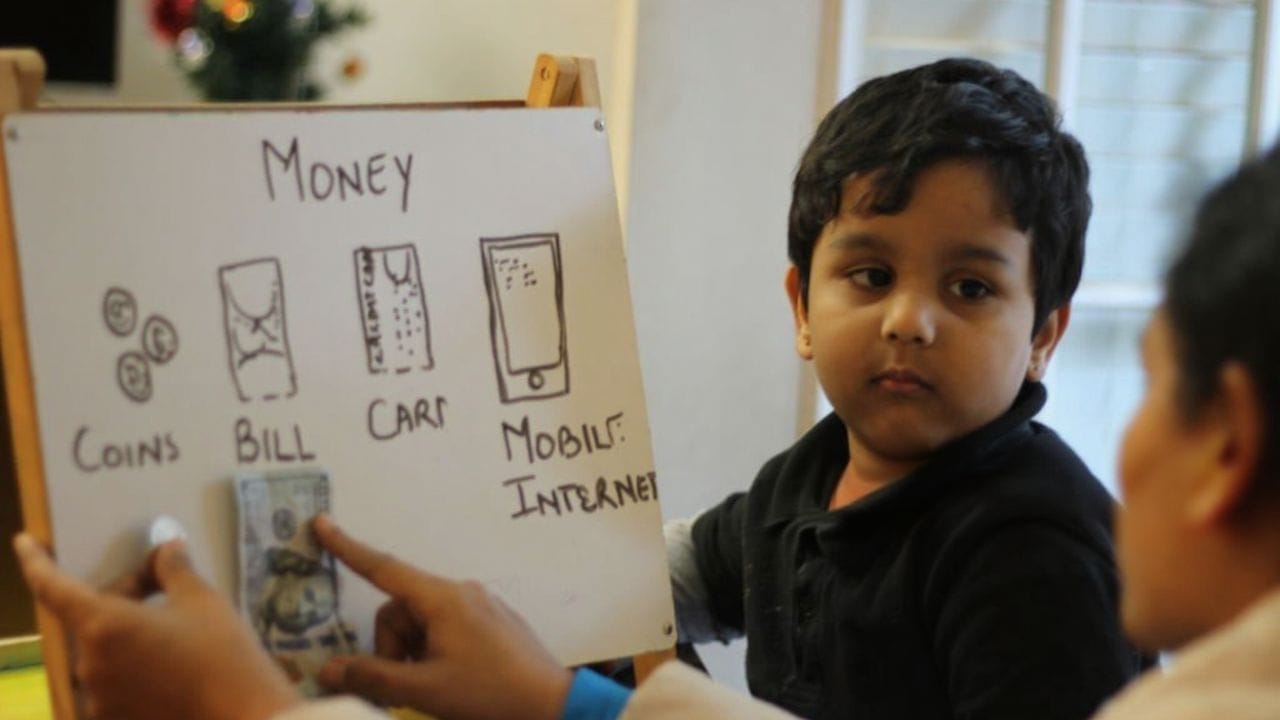
If money was a taboo topic in your house, you may have missed out on learning how to set healthy financial boundaries. Avoiding those conversations often leads to over-giving, because you don't feel confident saying no or negotiating fairness.
Being open about money isn't tacky-it's necessary. The more you practice talking about costs, expectations, and limits, the easier it gets to keep your generosity balanced.
You grew up around people who equated success with giving back

For many, generosity was framed as proof that you'd "made it." Helping family or giving freely was seen as the right thing to do once you had extra. While it's good to give back, doing it out of pressure can drain your resources fast.
It's okay to want to help others, but you also need to protect your own financial future. Giving responsibly-without guilt or burnout-is the kind of generosity that lasts.
*This article was developed with AI-powered tools and has been carefully reviewed by our editors.






Leave a Reply