

Rents are already high, and then the "junk fees" show up. National tenant and consumer groups say renters are getting hit with add-ons like valet trash, admin fees, amenity charges, and "convenience" fees that sit on top of base rent and quietly spike the real cost of living there.
Here are the ones to watch for before you get attached to that "affordable" unit.
1. Application and "processing" fees for every adult

Application fees usually run $30-$75 per person and are supposed to cover background checks.
The catch: some complexes charge this for every adult applicant, even if they already know they have more people applying than units.
Ask if the fee is refundable if they don't run your application, and don't apply to five complexes in one weekend without doing the math first.
2. Amenity fees for things you barely use

Amenity fees show up as a flat monthly charge for the gym, pool, clubhouse, rooftop, or package lockers-sometimes $25-$100 a month.
If you know you're not a gym or pool person, this "cheap" apartment may not be such a deal. Ask if it's mandatory and compare with a simpler building that doesn't tack this on.
3. Mandatory valet trash

Valet trash sounds convenient until you realize you're paying $25-$50 every month for someone to walk your bag to a dumpster. Reports on rental junk fees call valet trash one of the biggest recurring add-ons in a lot of complexes.
If the lease requires it, treat it like part of the rent and compare that total to other places. You're not "only" paying $1,200-you might be paying $1,260 with trash baked in.
4. "Technology" or "billing" fees

Some landlords push a monthly tech fee for things like online portals, Wi-Fi in common areas, or "smart" locks, plus billing fees to process your utility charges.
Individually these look small, but a $15 tech fee and $8 billing fee is another $276 a year. Ask what you're getting and whether you can opt out if you don't need the extras.
5. Pest control and "filter delivery" fees

Pest control is important, but sometimes it's already built into rent or the building's operating costs. Now you'll see separate pest-control line items or "HVAC filter delivery" fees slapped onto some leases.
If they're charging you and failing to deal with obvious problems, that's a red flag. Ask what's actually included and how often they treat the property.
6. Parking and "second vehicle" add-ons
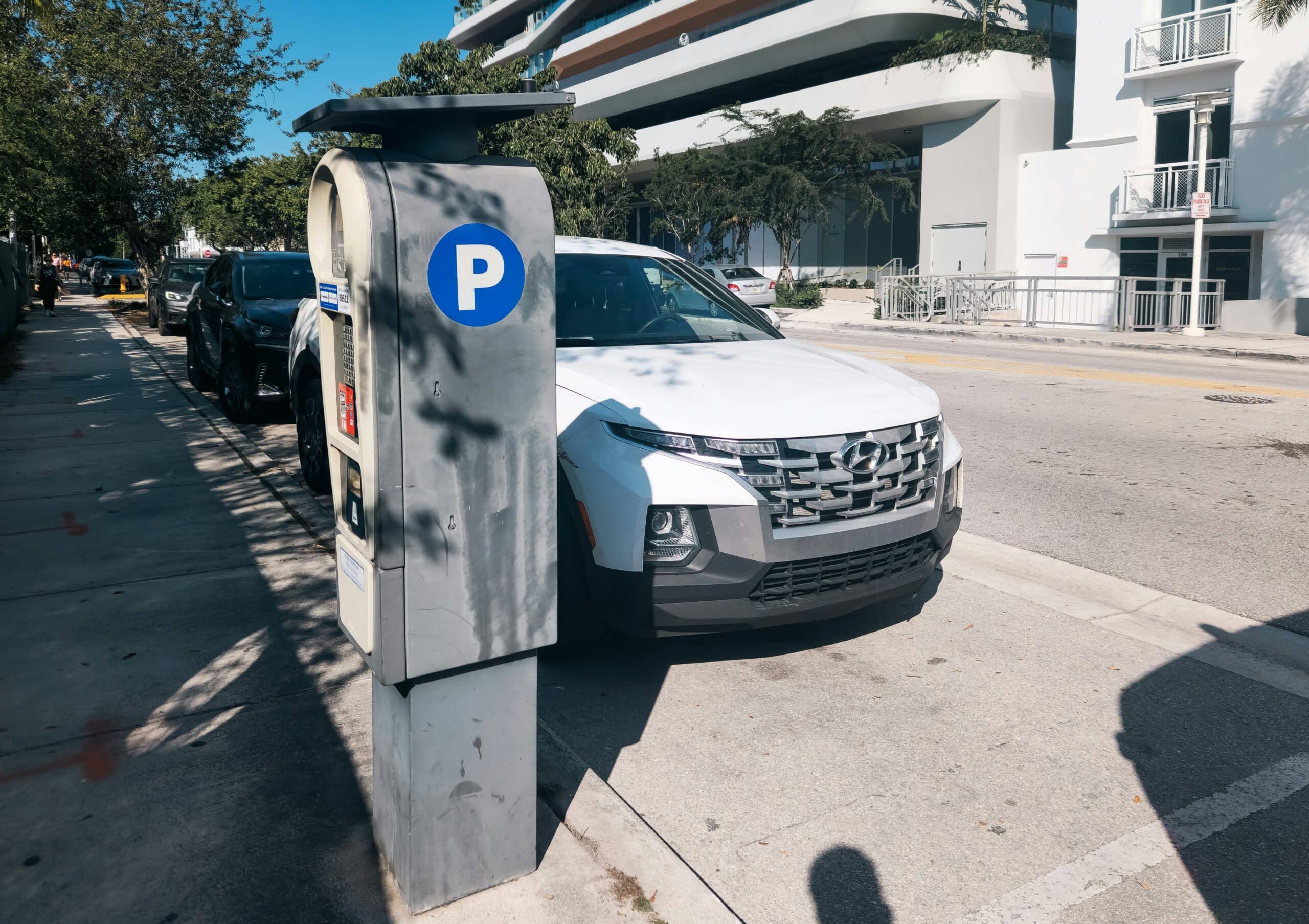
That "free" parking lot may not be free. Complexes charge for covered spots, garages, and sometimes any second vehicle. In dense areas, parking fees can add $50-$200 per month.
If you have two cars, calculate the real monthly cost with all vehicle fees included before you sign anything.
7. Pet rent layered on top of deposits

Pet deposits are one thing. Ongoing "pet rent" is another-$25-$75 per month, every month, per pet.
Over a 12-month lease, that's $600-$900 extra for one animal. If you have a dog or cat, always ask:
- Pet deposit amount
- Non-refundable fees
- Monthly pet rent
Then compare with another complex that may have higher base rent but no ongoing pet rent.
8. "Admin" and "move-in" fees that don't really cover anything

You'll sometimes see a generic administrative fee or move-in fee, anywhere from $100-$400+. Tenant advocates now lump these under "junk fees" because they're often vague and not tied to a real service.
Ask what it covers. If the answer is "office costs," you at least know you're paying their overhead, not something that benefits you directly.
9. Convenience fees for paying the rent

A "convenience fee" for paying online, paying with a card, or paying through a portal is basically a penalty for doing it the modern way. The FTC has specifically called out convenience fees as a type of junk fee they're looking at across industries.
Before you sign, ask: "What's the cheapest way to pay rent with no extra fee?" Then budget like that is the real rent, because it is.
*This article was developed with AI-powered tools and has been carefully reviewed by our editors.






Leave a Reply