
9 receipts and apps that quietly turn into real cash over a year

Most people throw away money a couple dollars at a time-random receipts, tiny rewards, credits that disappear because nobody bothered to click "redeem."
You don't need to turn your phone into a full-time job. A handful of simple habits will quietly turn what you're already doing (buying groceries, paying bills, shopping online) into real cash or gift cards by the end of the year.
Here are nine "set it up once and repeat" ways to make regular life pay you back a little.
1. Grocery receipts that become gift cards
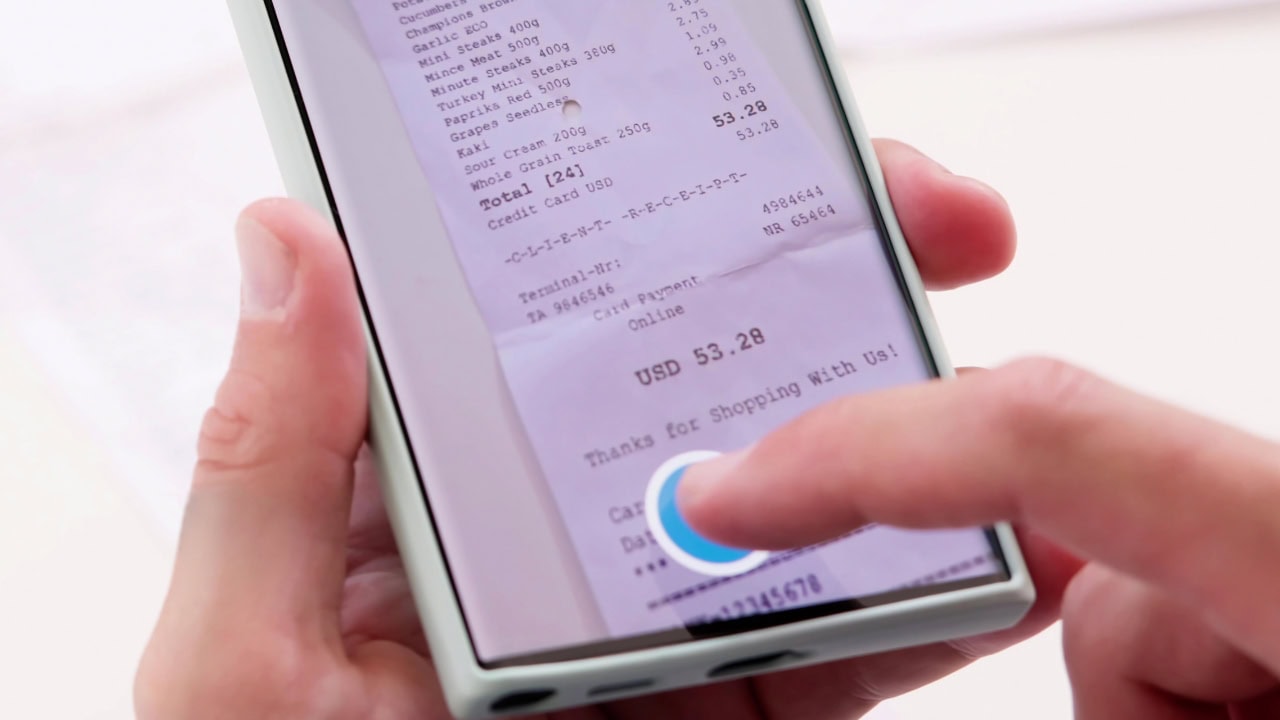
A few receipt apps work off one simple rule: take a picture of your grocery receipt and earn points. That's it. No chasing specific brands, no reworking your cart.
You shop like normal, unpack the bags, snap the receipt, and toss it. Over time, those little point bumps add up to gift cards for stores you already use-Amazon, Target, coffee, or gas.
It doesn't feel like much at first, but a year's worth of grocery trips can quietly turn into Christmas money or a stocked gift card for "back to school" season.
2. Apps that pay cash for specific brands

There are also rebate-style apps that give you money back when you buy certain brands or types of items-yogurt, snacks, household cleaners, pantry staples.
The key is to use them after you shop, not as your shopping list. You buy what your family actually eats, then scroll the app and tap any offers that match what's already on your receipt.
Sometimes it's a quarter here and there, sometimes it's a couple dollars. Over a year, that's real cash you can transfer out or use to smooth over a tight month.
3. Store rewards apps that turn into "boring budget helpers"
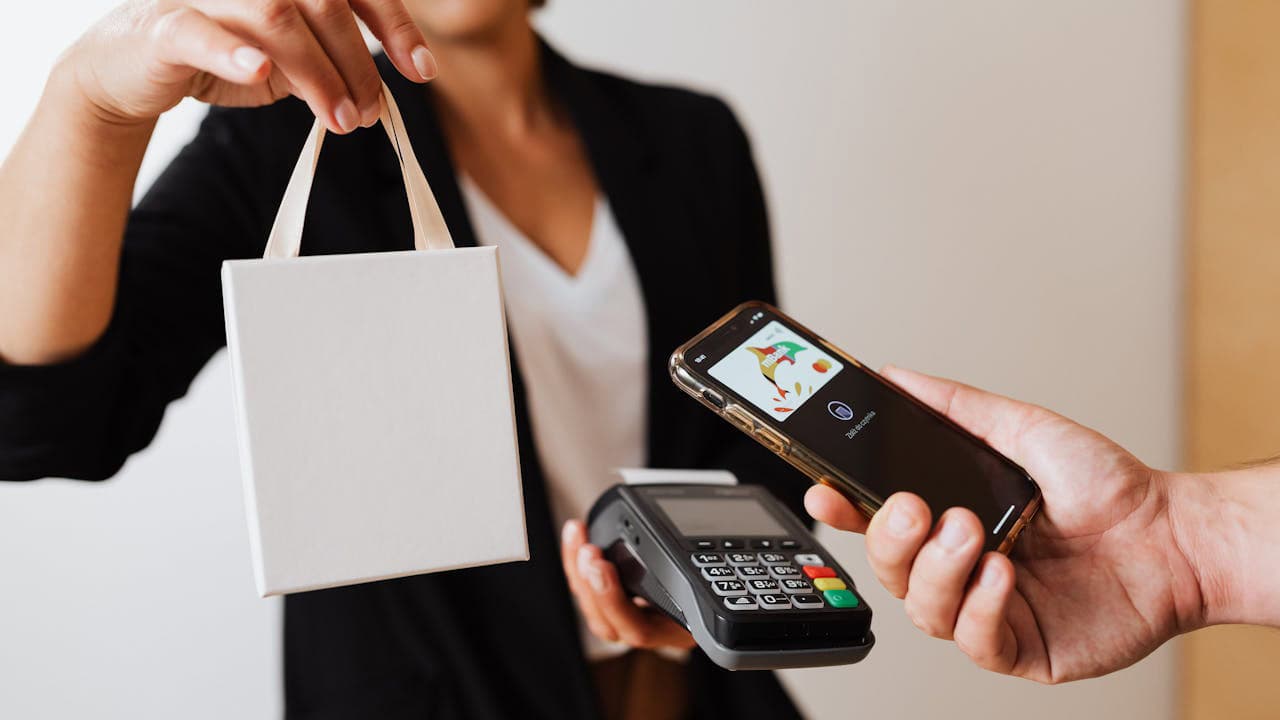
Most big chains have their own rewards systems now: points, circles, fuel perks, or monthly bonuses. A lot of people let them pile up and then blow them on random extras.
Instead, treat store rewards like pre-loaded budget help. When you build up enough, use them on paper goods, detergent, kids' basics, or groceries.
You're turning the money you already spent into less strain on your actual paycheck later, instead of letting it disappear into candles and impulse snacks.
4. Cash-back portals for online shopping you were already going to do
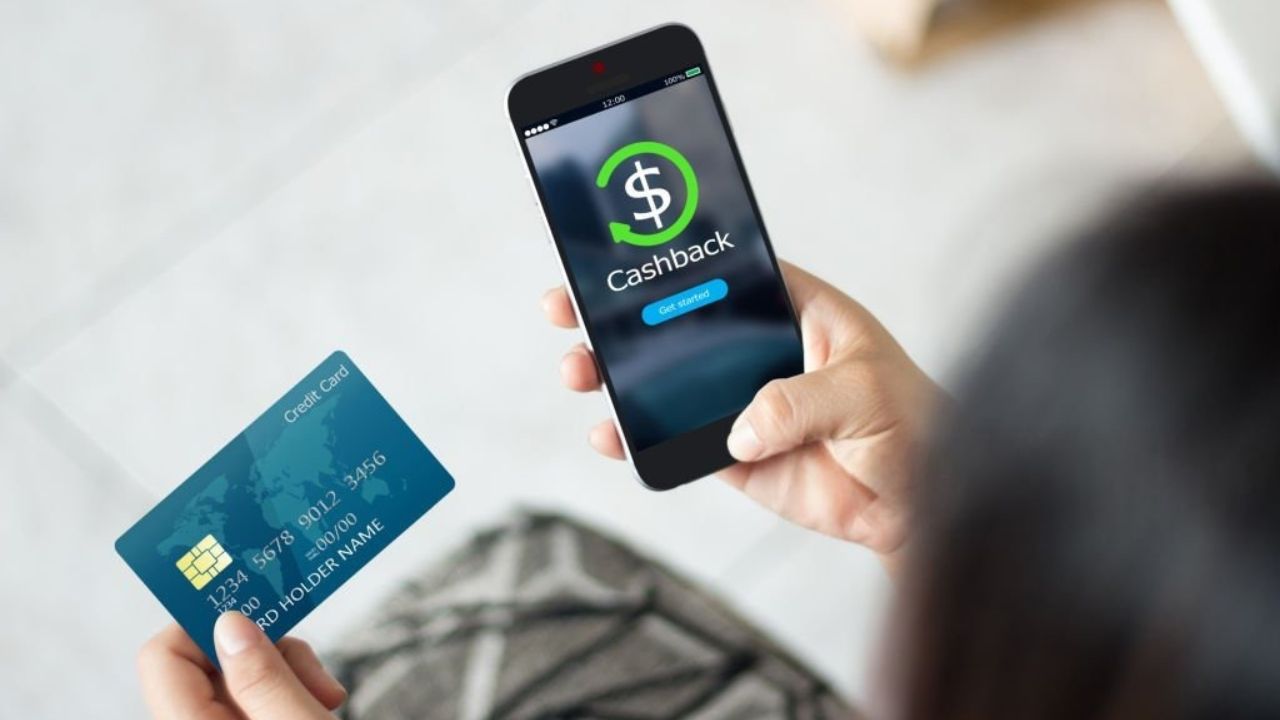
Cash-back portals and browser extensions sound complicated, but they're basically a middleman that shares a slice of commission with you. You click through their site or extension before you shop, and they track your purchase.
The trick is to only use them when you already planned to buy something-school clothes, holiday gifts, specific home items. Don't go browsing just because you saw "8% back today."
If you remember to route those planned purchases through one portal, your normal online shopping turns into a little stash of cash over the year that you can withdraw or use for something meaningful.
5. Gas and fuel apps that reward normal fill-ups
Some gas chains and third-party apps give points or cash back for fuel and occasional in-store buys. One card or app, used consistently, adds up faster than ten random loyalty tags on your keyring.
The habit is simple: pick one main brand or program, use it every time you fill up, and pay attention to bonus days where you'd buy gas anyway.
By the end of the year, that might mean free fill-ups, grocery discounts tied to gas points, or cash back you can turn around and throw at another bill.
6. Pharmacy and health rewards that stack with everyday purchases

Pharmacies love rewards programs-points on prescriptions, household items, and seasonal goods. Most people sign up once and never think about it again.
If you're already picking up meds and quick essentials there, scan your card every time. Watch for simple promos like "spend X on household, get bonus rewards," and aim that at things you truly need-paper products, cleaning supplies, personal care.
Those points can turn into free basics or money off a future purchase, which stretches your budget without adding another thing to your to-do list.
7. Utility and bill credits hiding in your email

Every now and then, companies quietly offer credits or rewards for things like paperless billing, on-time payments, or using their app. It might be $5 off, a one-time bill credit, or a small gift card.
These offers usually show up in emails nobody reads. Skimming subject lines once a week for phrases like "bill credit," "reward," or "thank you bonus" can uncover tiny wins.
Individually, they're small. Over a year, a handful of $5-$15 credits on power, internet, or phone bills is real money you didn't have to do much to earn.
8. Simple survey or opinion apps with strict boundaries
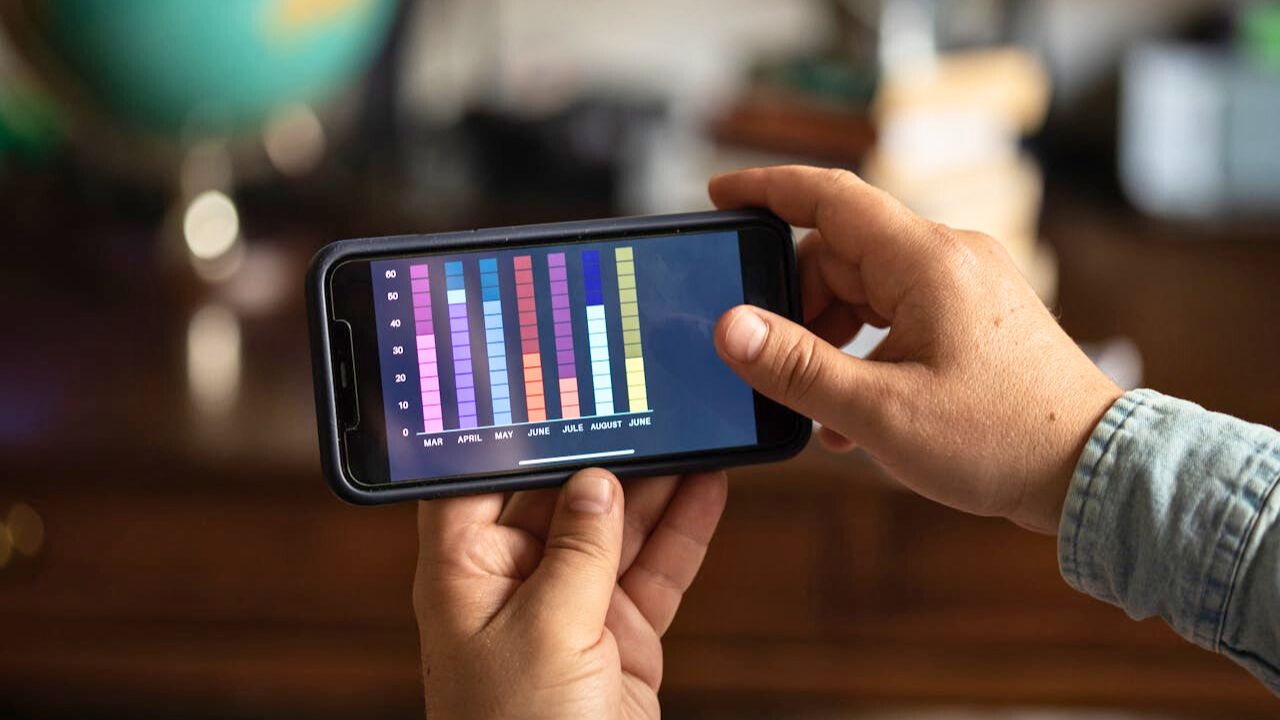
Some survey or "answer questions" apps are a giant time sink-but a few, used in moderation, can be worth it. The key is to set a tight boundary: maybe 10-15 minutes a couple times a week while you're waiting in the car or sitting at practice.
You're not trying to hit every survey. You're just slowly letting that time turn into a trickle of gift cards or cash.
By the end of the year, those small pockets of "scroll time" can cover stocking stuffers, a date night, or a chunk of your Christmas shopping-without touching your main budget.
9. Your own "found money" tracking system

Not every bit of extra money comes from an app. Refunds, price adjustments, returned items, cash gifts, and random side jobs are easy to let blend into everyday spending.
Instead, keep a simple note in your phone or a separate savings account labeled something like "found money." Anytime a receipt shows a refund or you get unexpected income, move or mark it there.
Watching that number grow over a year becomes a motivator, and you can put it toward something big-paying down debt, an emergency fund, or that one project you keep putting off-without feeling like you sacrificed to get there.
*This article was developed with AI-powered tools and has been carefully reviewed by our editors.






Leave a Reply