

On paper, they're harmless: a $40 sign-up fee here, a $60 recital there. Then you look up in May and realize one "cheap" activity turned into a four-figure line item. Youth sports and activities now average hundreds of dollars per child per year, and some families spend well over $1,000 on a single sport.
Here's where the money sneaks out, one practice and payment at a time.
1. Rec sports that quietly turn into travel teams

It starts as a $75 rec fee with Saturday games at the park. Then:
- Optional skills clinics
- "Select team" tryouts
- Travel tournaments
By the end of the year, between gas, uniforms, and hotel nights, you're in deep. Before you say yes to "one more tournament," decide as a family how serious you want to be and what that's realistically worth.
2. Dance or tumbling with constant costumes and recitals

The monthly tuition isn't the real problem. It's:
- Costume fees
- Recital tickets
- Photos and videos
- Extra rehearsals
A single recital can add $150-$300 on top of what you've already been paying. Ask for a breakdown for the full year at sign-up-tuition and extras-so you're not surprised in spring.
3. Music lessons with books, recitals, and "optional" competitions

Weekly lessons, plus:
- Method books and sheet music
- Recital fees
- Festivals or competitions
- Accompanist charges
No one line item is outrageous, but they pile up. You can absolutely cap it: pick one recital, skip the pricey festival this year, and buy used books where possible.
4. After-school care disguised as a "club"

Some after-school programs are fantastic and worth every penny. The sneaky ones are where the line between childcare and "enrichment" is blurry, with add-ons for:
- Extra days
- Special events
- Late pickup fees
If you mainly need coverage, it may be cheaper to line up a sitter a few days a week or split pickup duties with another family instead of paying every "bonus" the program offers.
5. Scouts and similar groups with lots of badges and outings
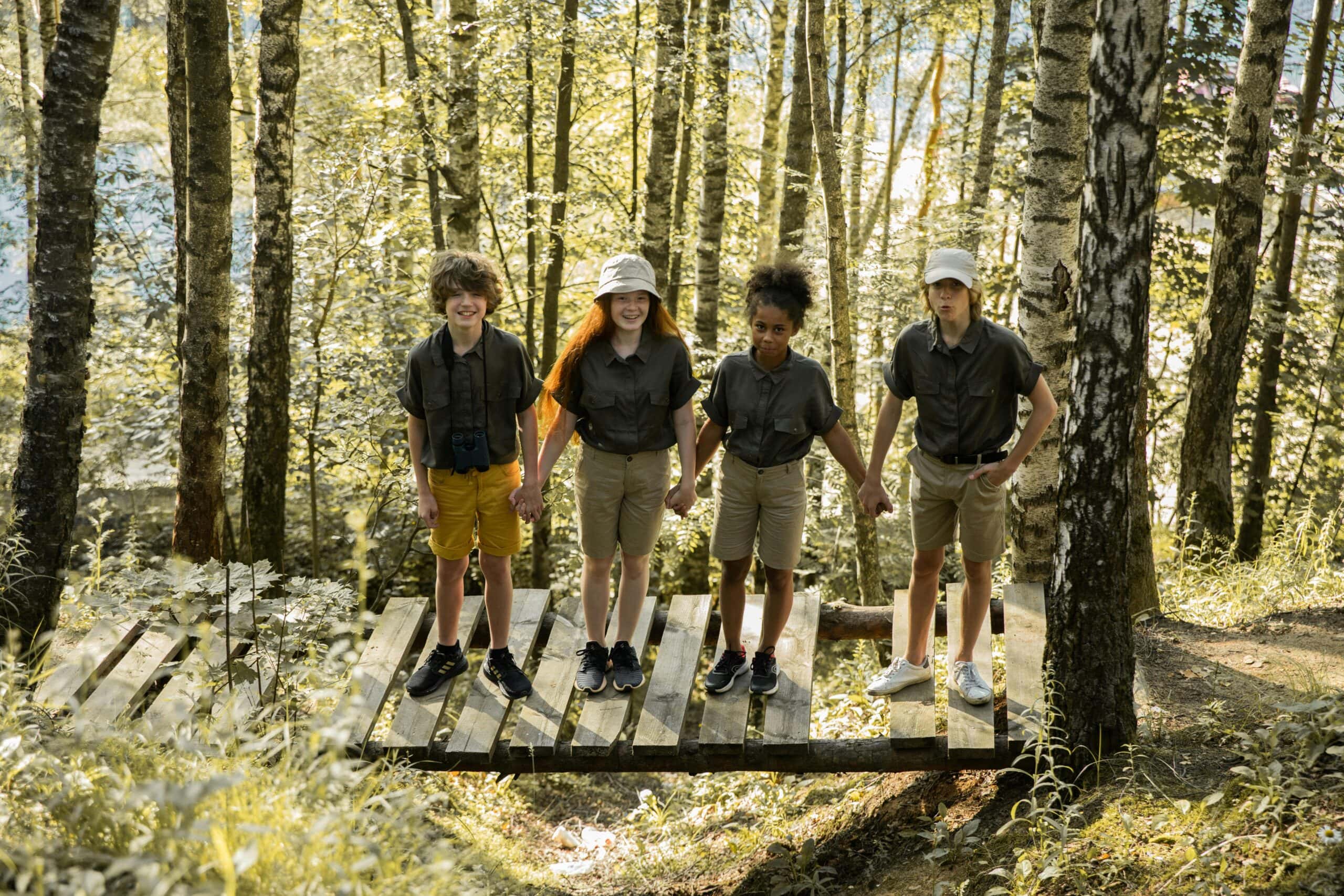
The yearly registration isn't the expensive part. It's:
- Uniform and patches
- Camping trips
- Special events
- Fundraiser minimums
It can be a great experience, but go in knowing you'll probably spend more than that one registration fee. Decide which trips are truly worth it and feel free to skip the rest.
6. "One-week" camps and clinics sprinkled all year

Sports camps, day camps, theater camps-it's always "just one week," and the price usually looks doable. But stack a few of those across fall, winter break, and spring, and you've essentially funded another full-time activity.
Keep a running total of what you've already spent on camps before you agree to another one. Sometimes staying on the team and skipping the fancy clinic is the better trade.
7. Art classes that require specific supplies every few weeks

Art is great. The sneaky cost is when every new project has its own supply list: particular paints, canvases, specialty paper.
Ask if the studio provides shared supplies included in tuition. If not, see if there's a class that uses more basic materials or find a community program with everything included.
8. Church or community groups with endless special events

The group may be free to join, but:
- Retreats
- Mission trips
- Lock-ins
- T-shirts
You're still spending. Nothing wrong with that, but you can treat each event like any other expense. If the budget is tight, pick the one or two most meaningful events instead of saying yes to every sign-up sheet that shows up.
9. Subscription boxes and "educational" apps

That $9.99 monthly fee doesn't sound like much-until you realize you've layered three or four of them and added a $40-a-month subscription box on top.
Be honest: Which ones do your kids actually use consistently? Cancel the rest and redirect that money into one or two in-person activities they really enjoy.
*This article was developed with AI-powered tools and has been carefully reviewed by our editors.






Leave a Reply