
Making a paycheck last longer isn't about heroic restraint. It's about creating timing advantages, shrinking the bills that don't scream, and putting your money on rails so you don't have to think about it twice a day. Here's how to buy yourself breathing room without living on crackers.
Move due dates into a tidy window
Call three companies today-utilities, phone, insurance-and ask to shift due dates to the week after payday. Most will say yes. Lining bills up right after deposit keeps them from ambushing you mid-cycle.
When fixed bills leave first, what's left is truly spendable. That clarity alone can stop half the overdrafts.
Split big bills into automatic half-payments
If a bill won't move, set two auto-pays at half the amount-one each payday. Many insurers and lenders allow this if you ask. Two smaller pulls hurt less than one huge hit.
Half-pay also forces you to keep the category funded weekly, which keeps temptation from nibbling at it.
Put groceries on a strict weekly cap
Decide a number that's honest for your household and stick to a weekly shop. If you blow week one, week two shrinks-immediately visible in your notes app.
Weekly caps match how we actually live and eat. They also make course-correcting possible without waiting a month.
Create a fuel envelope that lives in the glovebox

Fuel is non-negotiable and easy to lose track of. Put cash or a dedicated debit card in a labeled sleeve in your car. When it's gone, you shift plans, not categories.
This keeps gas from stealing money out of groceries, which is how budgets quietly unravel.
Turn subscriptions into a quarterly decision
Instead of letting ten $9 charges trickle every month, cancel and pre-pay only the ones you truly use in 3-month chunks when a promo pops. Set a calendar reminder before renewal.
Quarterly choices force honesty. If you didn't miss it, you don't re-up. That alone can free $30-$60 a month.
Use a "waiting day" for non-urgent purchases
Pick one day each week-say Friday-when you're allowed to place orders for wants. Add items to the cart during the week, then review with fresh eyes.
Most carts shrink by themselves. What remains gets bought on purpose, not in a 10 p.m. scroll.
Give every dollar a job for only seven days
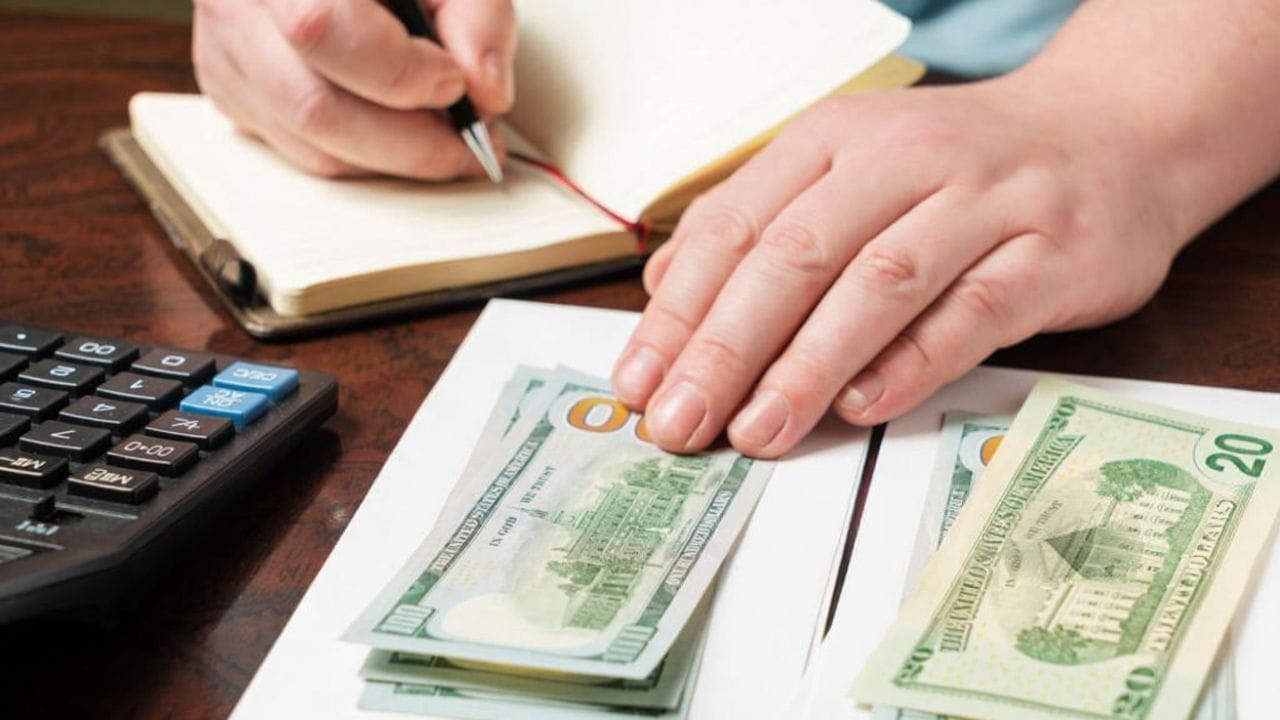
Weekly zero-based plans are less fragile than monthly ones. Assign amounts to food, fuel, extras, and one mini goal. Refill next week based on how it went, not how you hoped it would go.
Short runways keep you honest and flexible. You'll stop "starting over" because you're always adjusting.
Skim your incoming cash before it hits checking
If your bank supports "save on deposit," set 5-10% to peel off automatically into savings the moment paycheck lands. You can move it back in a true pinch, but the default is to save.
Out of sight is out of mind-in a good way. A tiny skim changes outcomes over a quarter.
Build a $200 cushion and guard it like rent
This isn't emergency savings; it's your shock absorber for weird timing. Treat it like a bill until it's funded. If it gets tapped, rebuild it before you chase anything fancy.
A small cushion turns tight weeks into manageable ones. That's how one paycheck starts stretching like two.
*This article was developed with AI-powered tools and has been carefully reviewed by our editors.






Leave a Reply