
9 "cheap" home buys that end up costing more in replacements and repairs
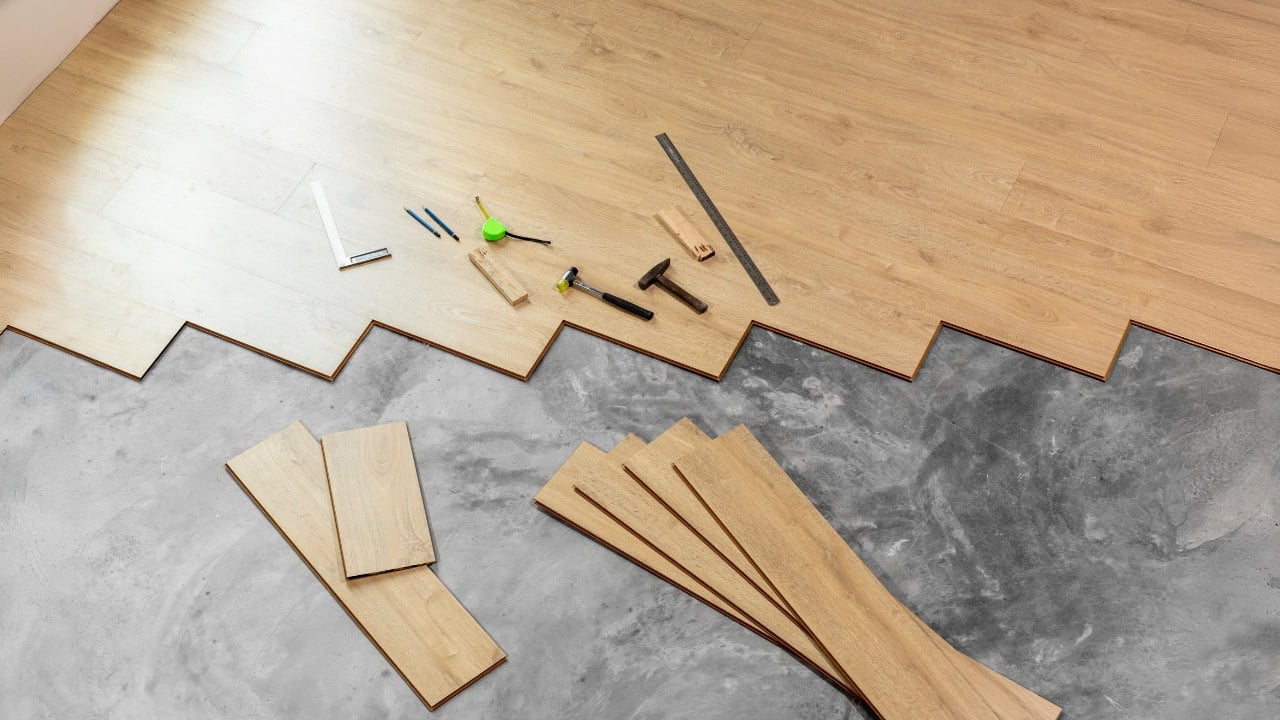
Cheap isn't always frugal. Some things are fine to cut corners on. Others will punish you for going with the lowest price-usually by breaking, staining, or damaging something more expensive.
Here are the budget buys that tend to backfire and where it's worth spending a little more up front.
1. Bargain paint that needs three coats and still looks streaky
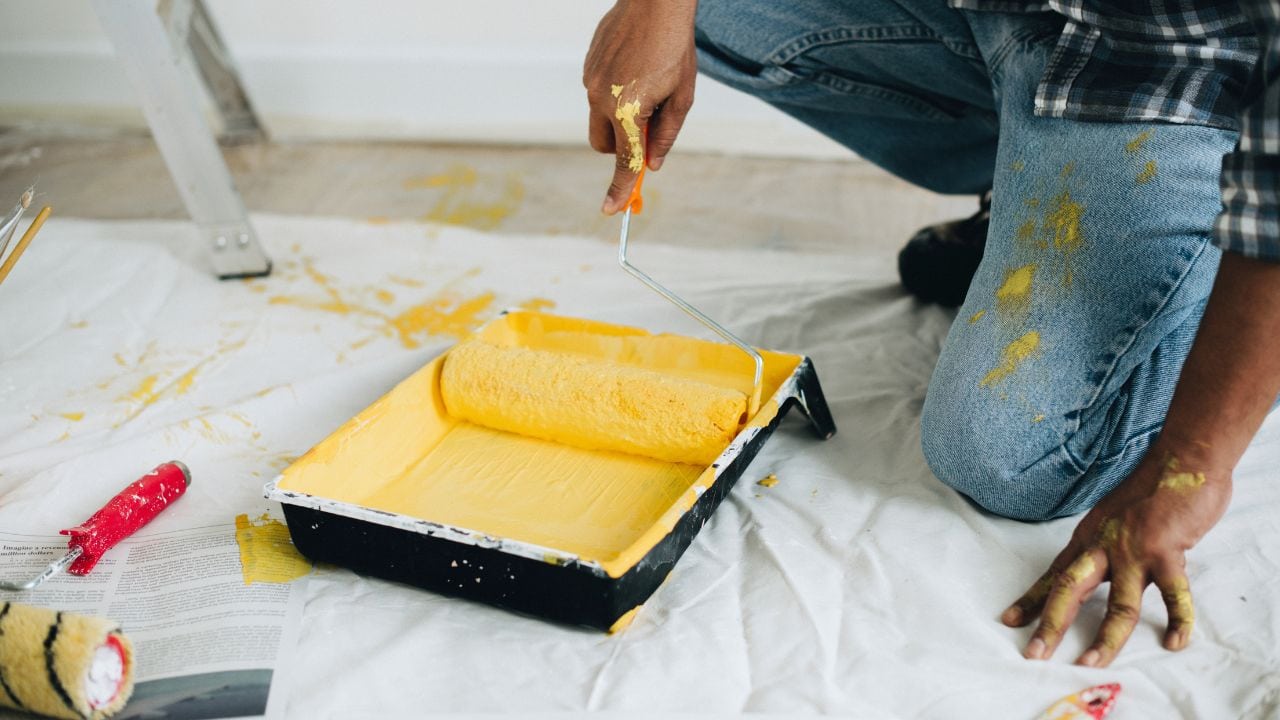
Ultra-cheap paint looks like a win when you see the price per gallon. Then you're on coat number three, the coverage is still patchy, and you're back at the store buying more.
On top of that, the finish often doesn't hold up as well to scrubbing or everyday life. Scuffs show sooner, and touch-ups don't blend cleanly, so the room looks tired faster.
Spending a bit more for decent-quality paint often means fewer coats, better coverage, and walls that actually survive kids, pets, and furniture without needing to be redone every couple of years.
2. Flimsy curtain rods and hardware that rip out of the wall
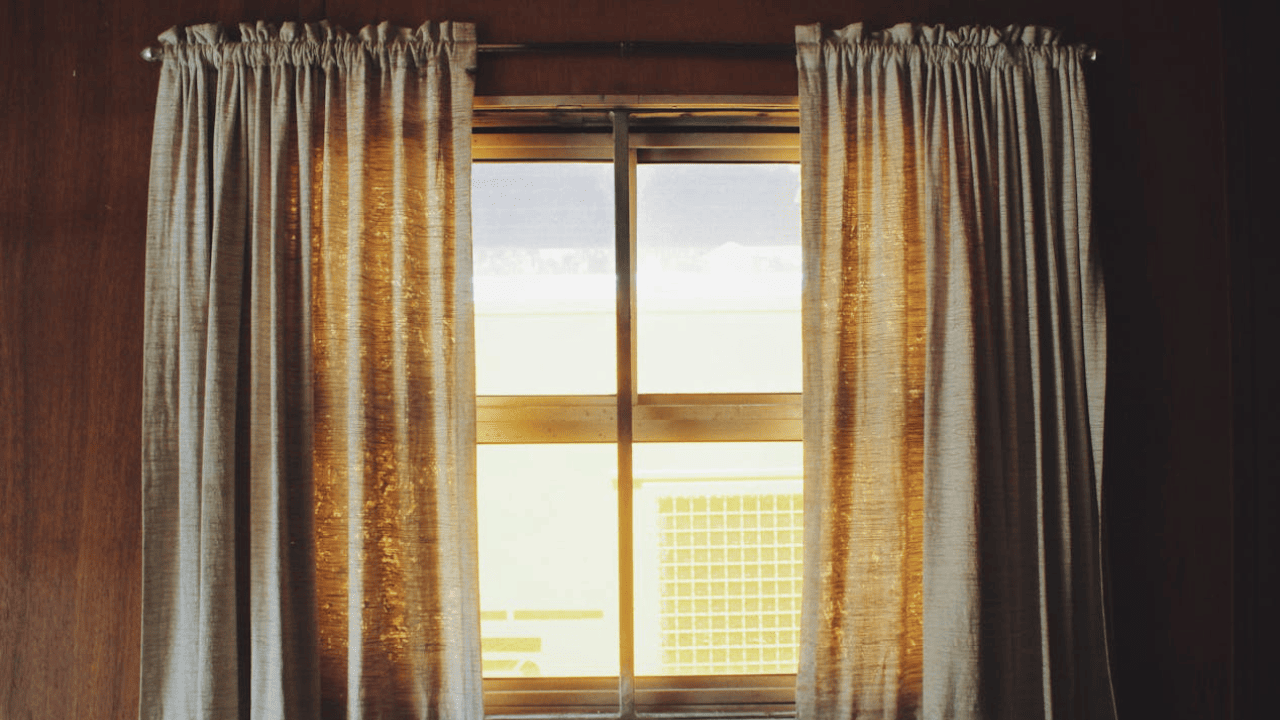
Those ultra-thin tension rods and bargain brackets feel like a deal until you hang actual blackout curtains or kids tug on them one time.
When rods bend or brackets pull out of drywall, you're not just replacing hardware-you're patching holes, repainting, and sometimes buying new curtains if the old ones got damaged when everything fell.
A sturdier rod with proper anchors seems like a splurge, but it holds up to daily opening and closing, occasional rough handling, and heavier fabrics. That's cheaper than fixing the wall and starting over.
3. Dollar-store extension cords and power strips for heavy loads
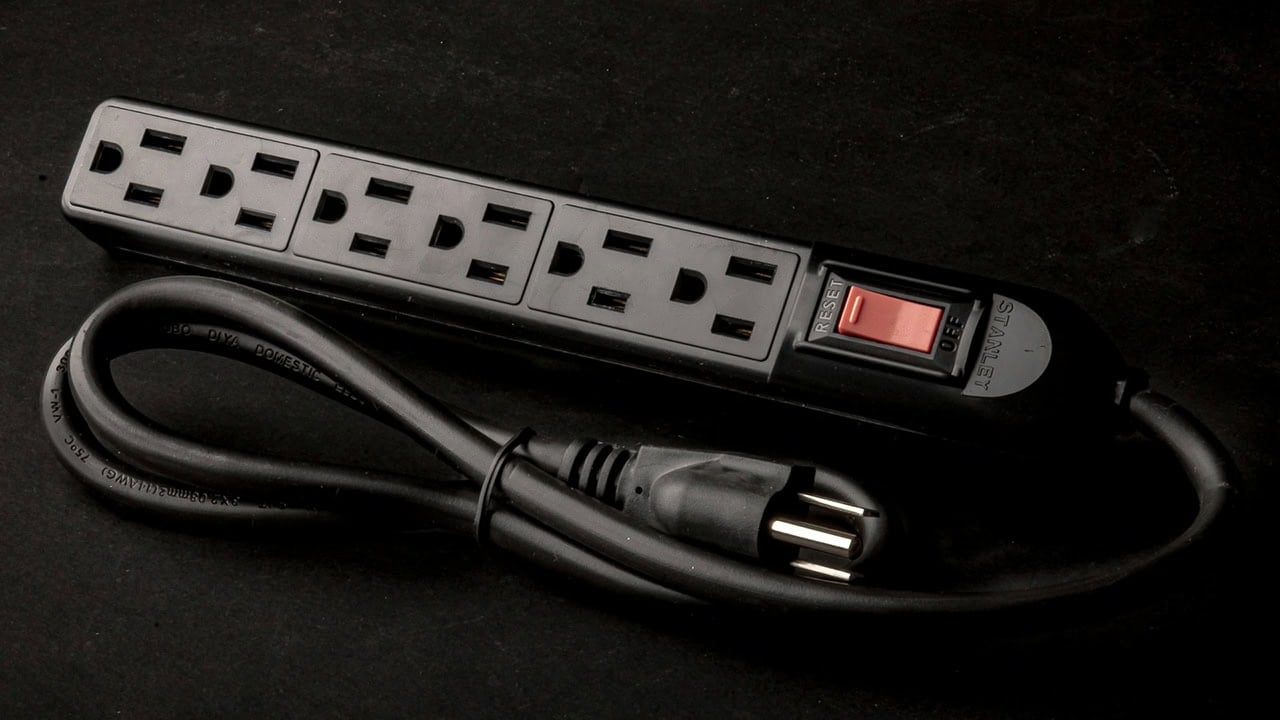
There are places to save and places not to. Underbuilt extension cords and bargain power strips plugged into space heaters, window units, or big appliances can be a real problem.
Best case, they fail quickly and you're buying replacements. Worst case, you're dealing with overheating, tripped breakers, or a safety issue you don't want in your house.
For anything that pulls serious power, it's worth getting cords and strips that are properly rated and from brands that don't give you a weird feeling. Paying a little more is nothing compared to repairing damage later.
4. Ultra-cheap rugs that shred, shed, and destroy floors
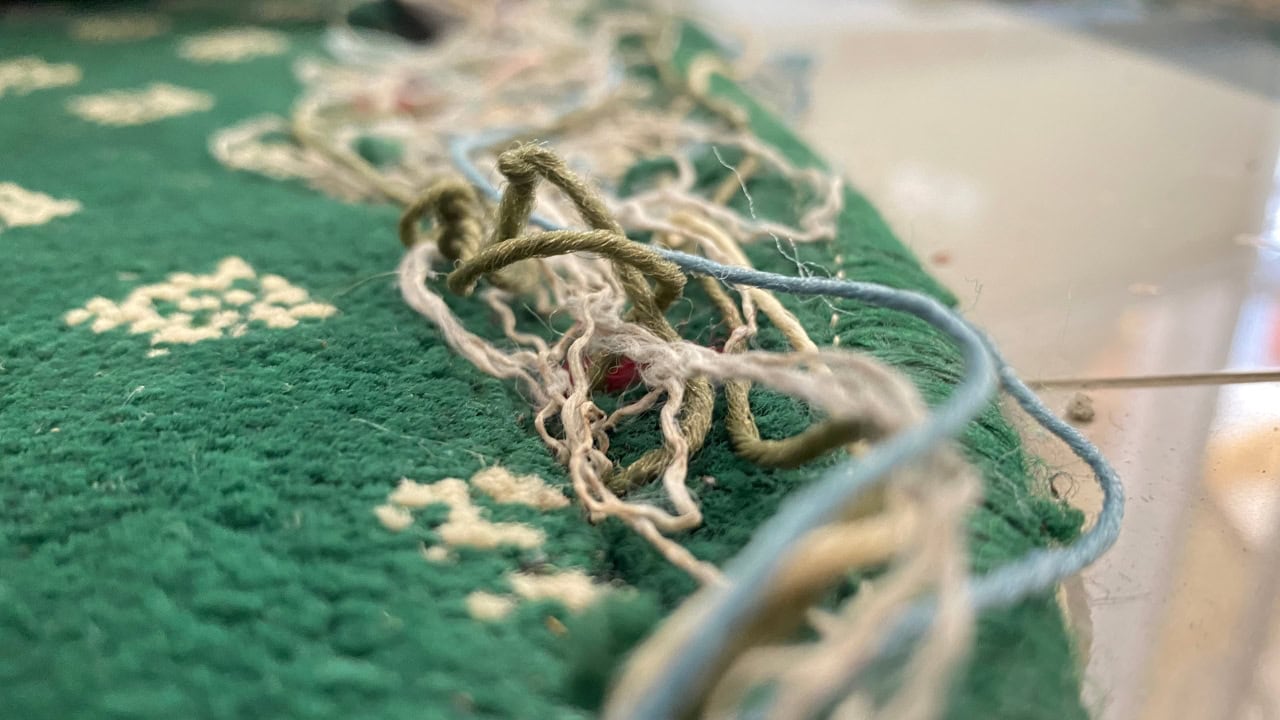
That $30 rug might look cute in the picture, but if it slides all over, sheds like crazy, and has a rough backing, it can scratch floors and drive you nuts.
When corners curl and backing disintegrates, you end up replacing it sooner-and maybe paying to fix or refinish what it sat on. Suddenly the "deal" doesn't look so great.
A mid-range rug with a solid backing, plus a simple rug pad, protects your flooring and stays put. You replace it less often, and it's not quietly sanding your hardwood or vinyl every time someone walks across it.
5. Thin, hollow-core interior doors that damage easily
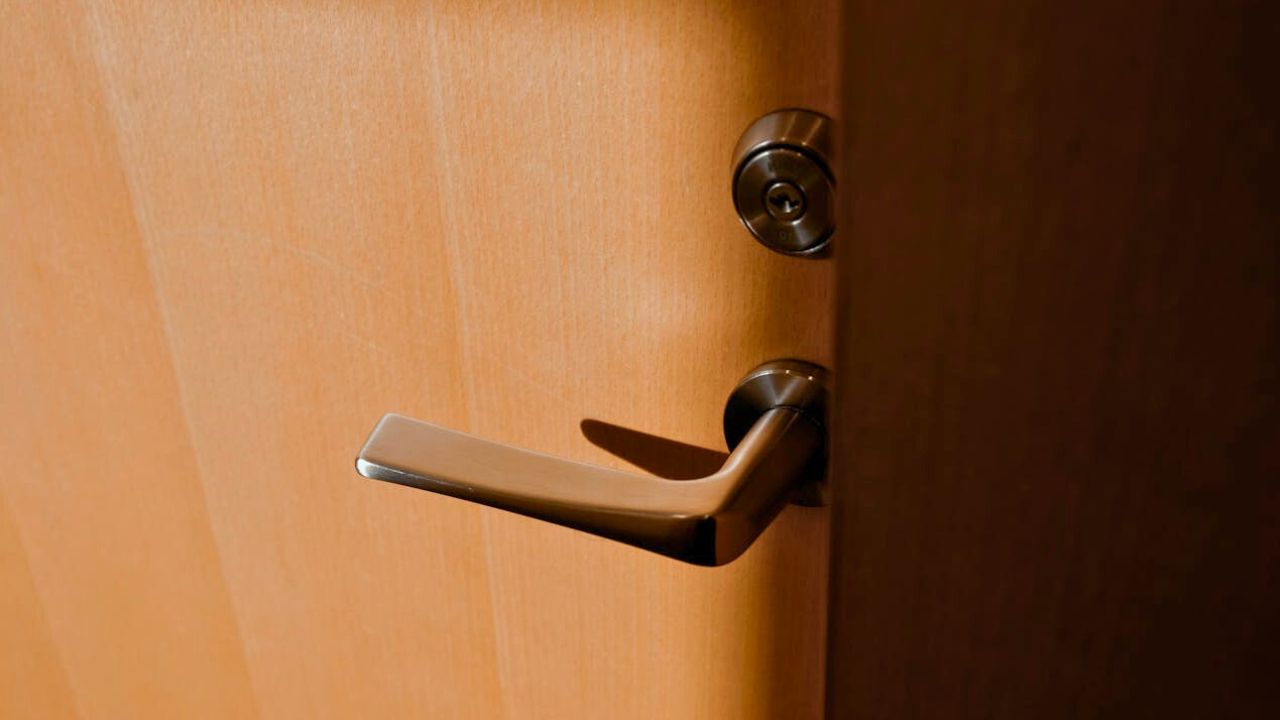
Hollow-core doors have their place, but the really cheap ones dent if you bump them with a laundry basket. They don't block sound well, and once they're damaged, there's not much you can do to fix them.
If a kid trips, a toy gets thrown, or a knob slams into the drywall, you're looking at patching walls and replacing doors instead of touching up a scuff.
Spending a bit more on sturdier doors in high-traffic areas-kids' rooms, bathrooms, main hallway-can save you from early replacements and that constant beat-up look.
6. Bargain faucets and fixtures with weak parts inside
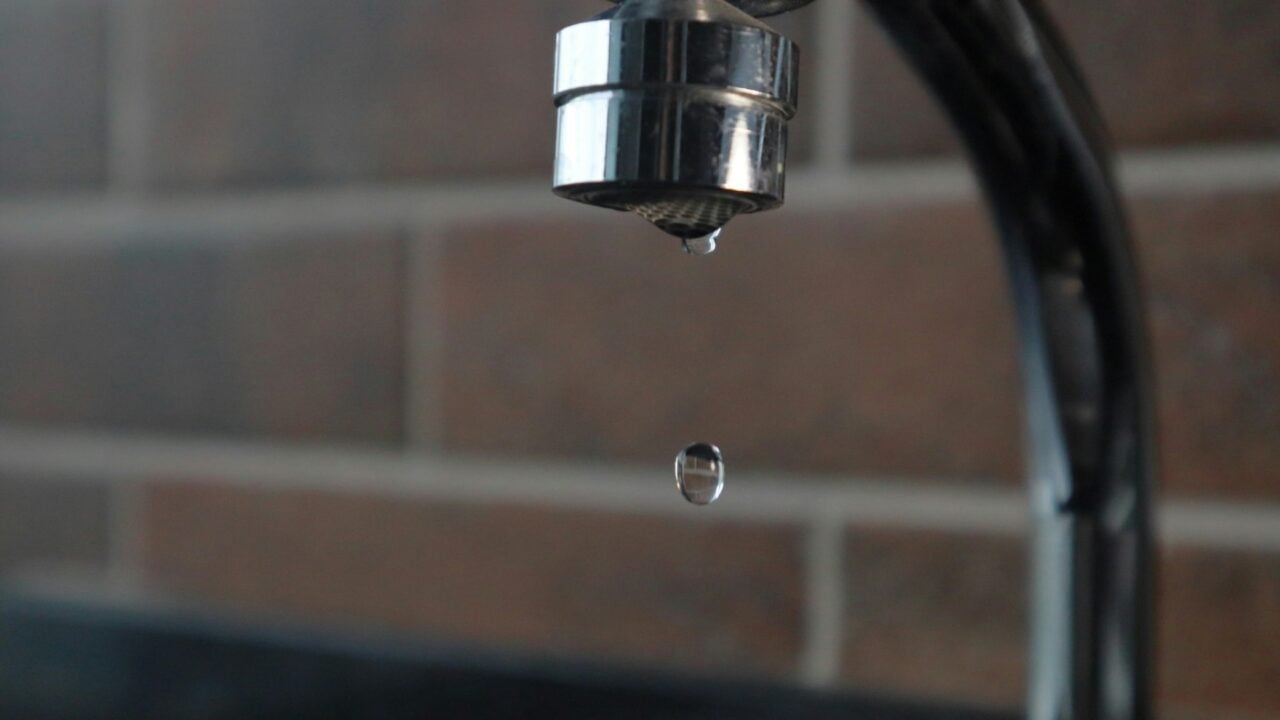
Inexpensive faucets and fixtures can look fine at first glance, but a lot of the cost-cutting happens in the parts you don't see-cartridges, seals, and internal components.
When those fail early, you're dealing with drips, leaks, and water where it shouldn't be. That can ruin cabinets, flooring, and drywall, all of which cost far more than the faucet itself.
You don't have to buy top-of-the-line everything, but sticking to decent mid-range brands with good reviews usually means longer life and fewer "call the plumber" moments.
7. Cheap caulk and grout that cracks and lets water in
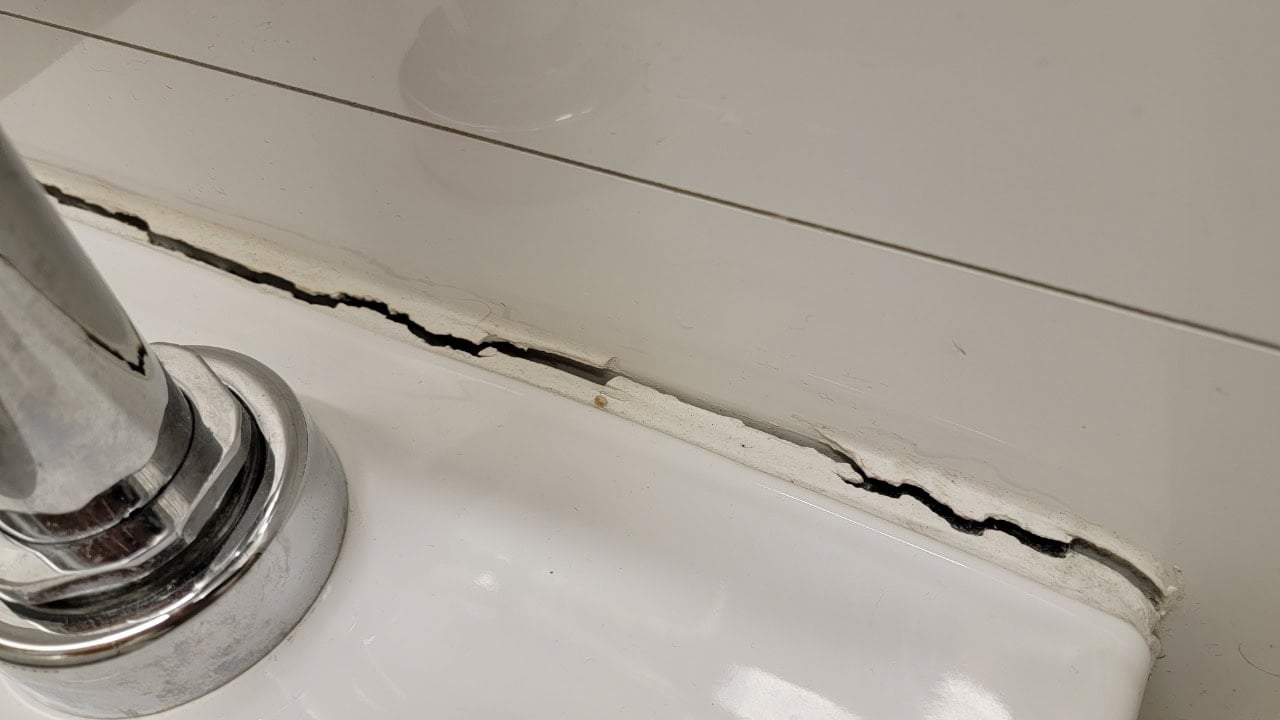
Saving a couple dollars on caulk or grout doesn't sound like a big deal. But if it cracks, shrinks, or pulls away quickly, water finds its way behind tubs, around sinks, and into places it has no business being.
You might not notice right away, but over time that can mean soft drywall, swollen trim, and hidden mold. Now you're into repair territory, not just a quick re-caulk.
Using quality caulk made for bathrooms and kitchens, and taking your time to apply it well, protects the expensive stuff-walls, subfloor, tile-that you really don't want to replace.
8. Rock-bottom laminate or vinyl flooring with a weak wear layer
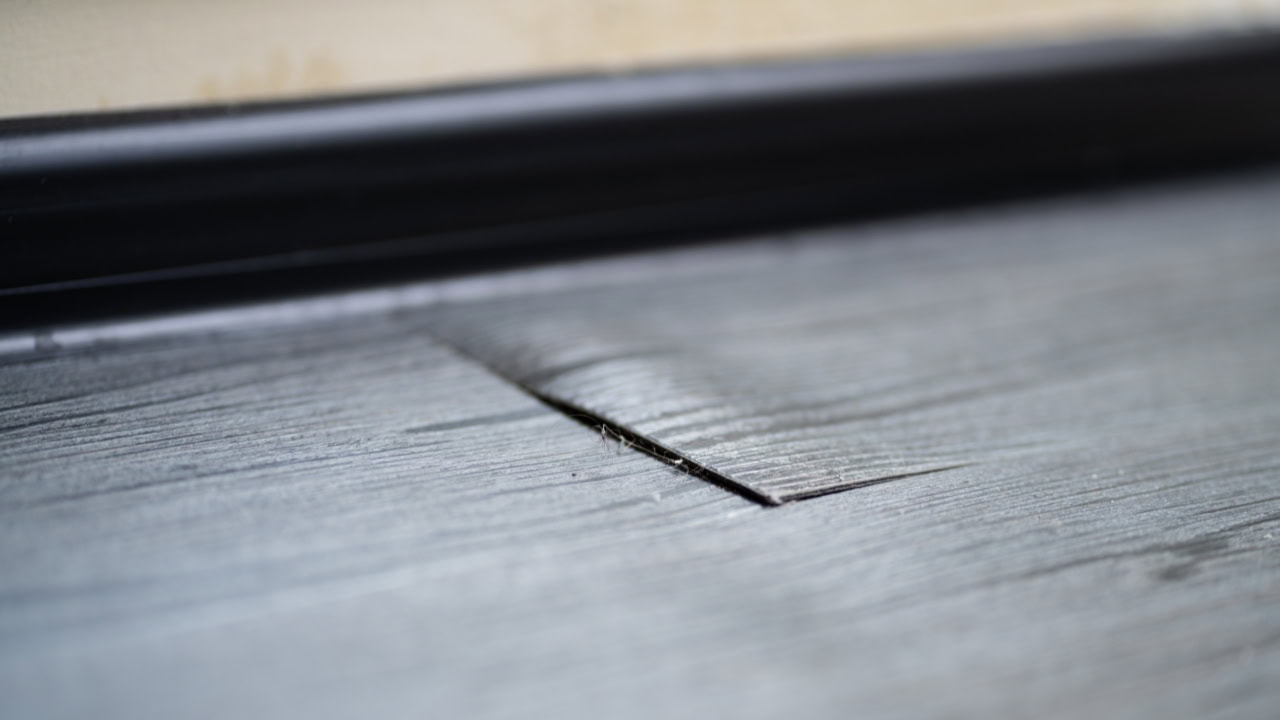
Flooring is one of those "buy once, cry once" areas. The cheapest options can scratch if you look at them wrong, bubble if moisture hits, or fade fast in sunny spots.
Once that top layer is damaged, there's no easy fix. You either live with the rough, tired look or rip it out and start over-which is a big job and not cheap.
A slightly higher quality product with a stronger wear layer holds up better to kids, pets, chairs, and daily traffic. Over the life of the floor, that's almost always the better deal.
9. Super-cheap tools that strip, snap, or never quite work right

A $10 drill bit set that strips on the first project or a screwdriver that twists in your hand doesn't save you anything.
When tools fail mid-project, you're making extra trips to the store, buying replacements, and sometimes damaging what you're working on-walls, screws, hardware, furniture.
You don't need professional-grade everything, but a few solid basics-good screwdrivers, a decent drill and bits, a reliable tape measure, sturdy pliers-pay for themselves in fewer do-overs and less frustration. They let you fix things once instead of creating more problems to solve later.
*This article was developed with AI-powered tools and has been carefully reviewed by our editors.






Leave a Reply