
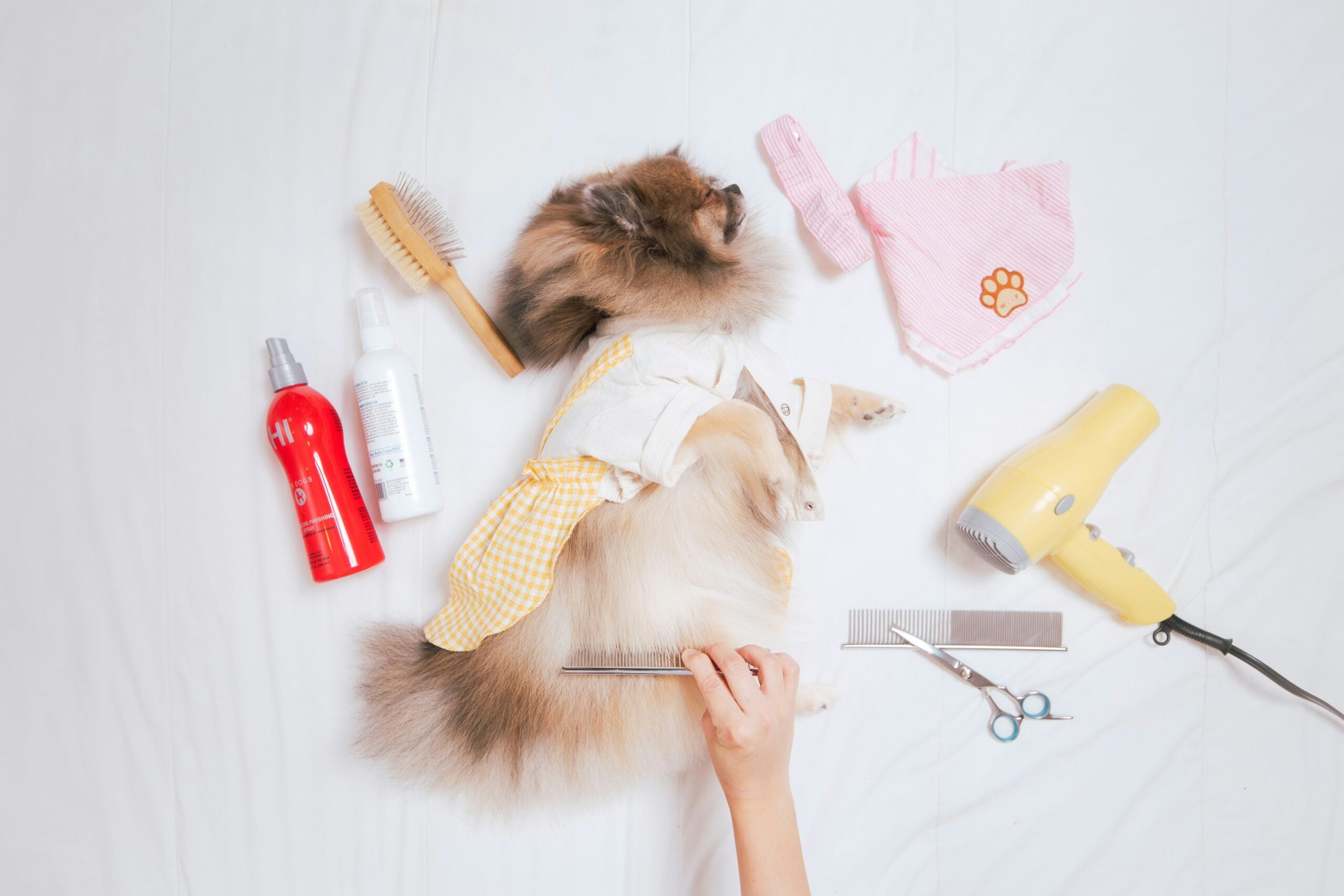
Pet marketing is powerful. You want to be a good owner, so it's easy to start thinking you're failing your dog if you don't have the smart bowl, the special towel, and the highest-end litter on the shelf.
Vets and consumer guides are pretty blunt about it: a lot of this stuff is more about us than the animal.
Here's what you can skip without guilt.
1. Designer pet towels
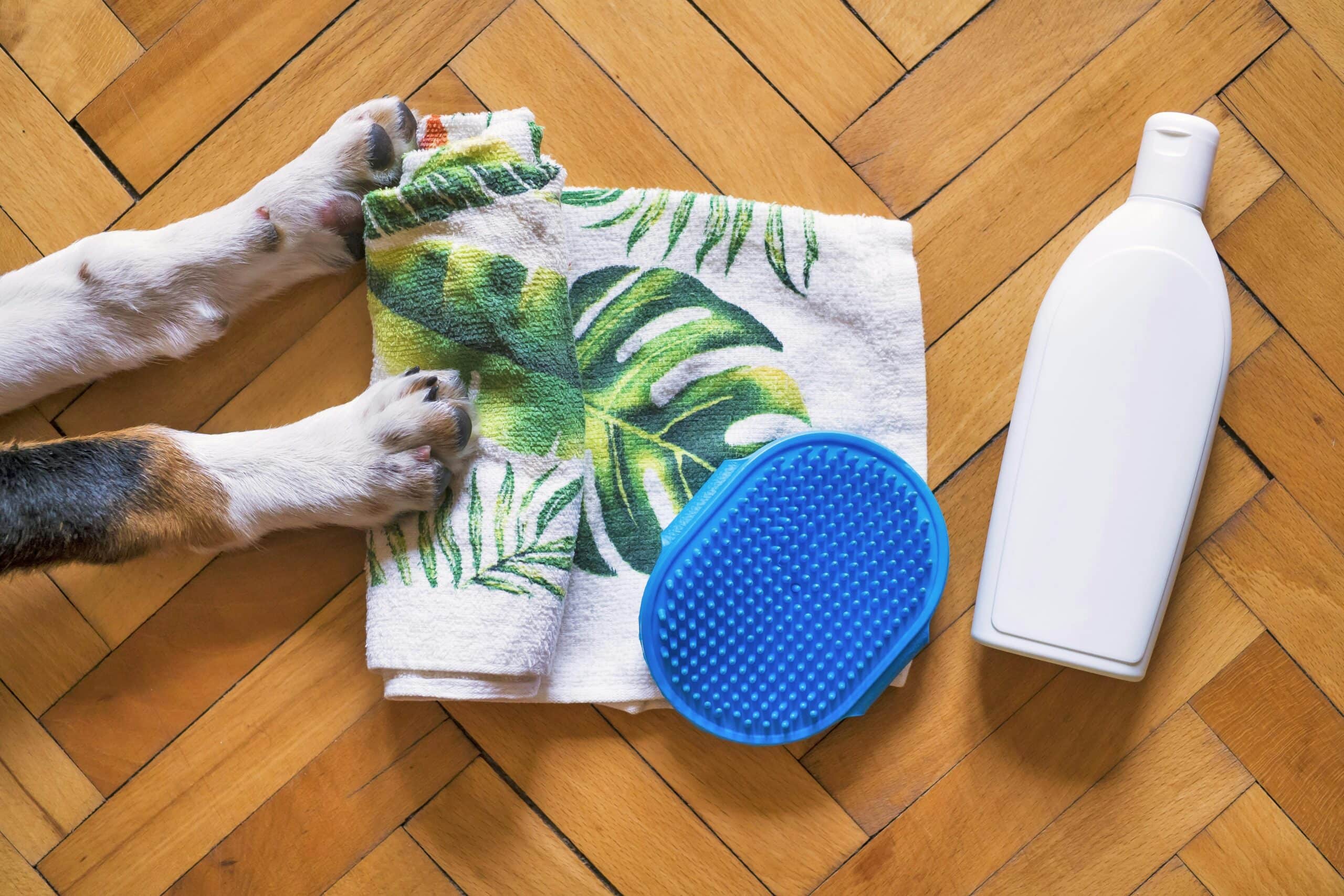
A towel with a paw print on it works the same as an old bath towel. Sites that review "useless pet products" call out special drying towels as a waste when regular microfiber or cotton works just as well.
Put a couple of older towels in a bin labeled "dog" and keep your money for things that actually affect health and safety.
2. Piles of novelty toys
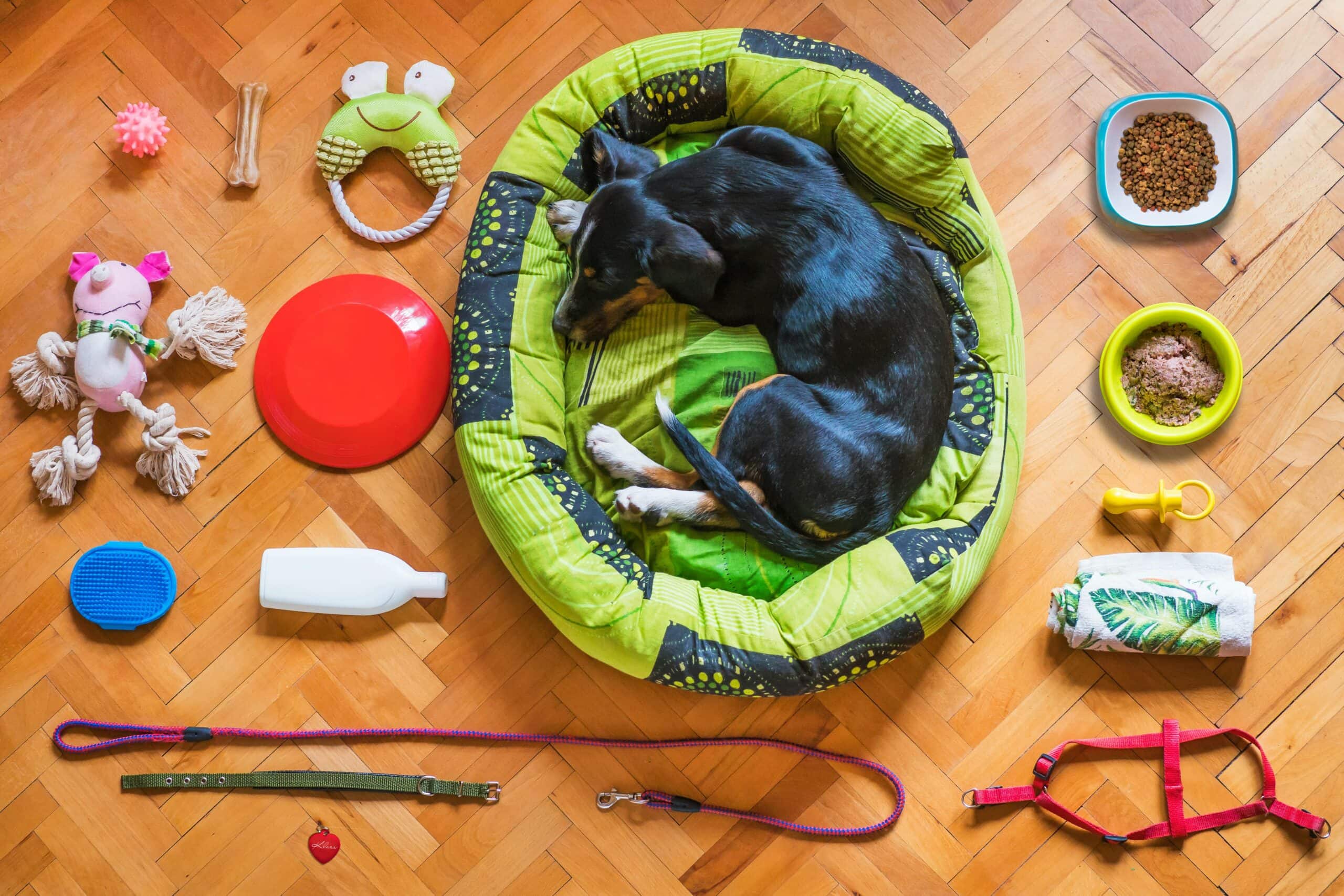
Toys are good. Twenty nearly identical toys that end up shredded in a week are not. Lists of "don't need" pet items point to over-buying toys as an easy money drain.
Most dogs have two or three favorites. Rotate those, add a couple of sturdy chews, and skip the weekly "oh that's cute" impulse buys.
3. Fancy pet clothes for normal weather
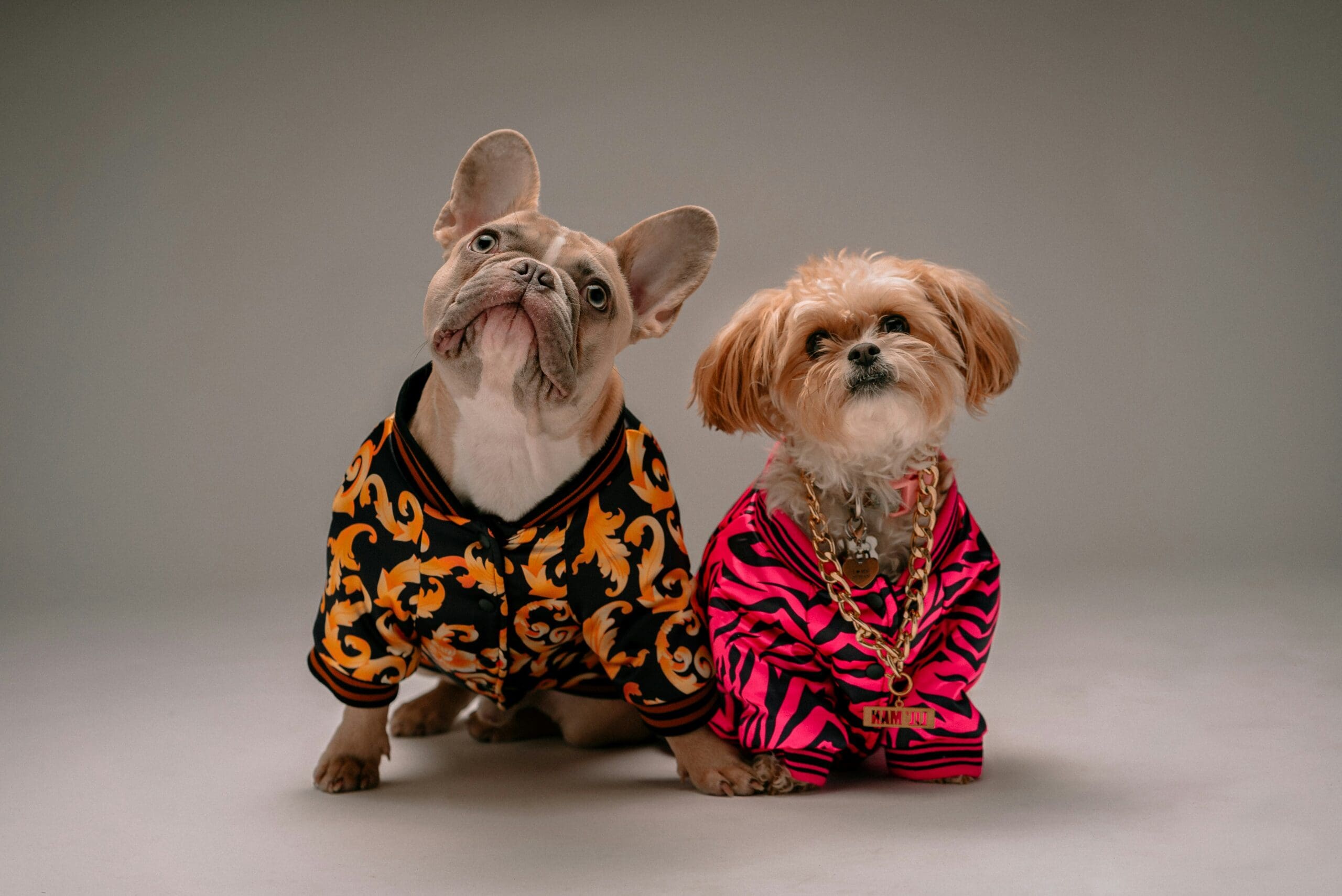
Vets say most healthy dogs don't need outfits for everyday life, and some hate wearing them.
If you live somewhere truly cold and your dog has a thin coat, one well-fitted coat or sweater makes sense. Beyond that, themed outfits are for you, not the dog. Treat them like any other fun splurge, not a need.
4. Premium "lifestyle" litter and pee pads
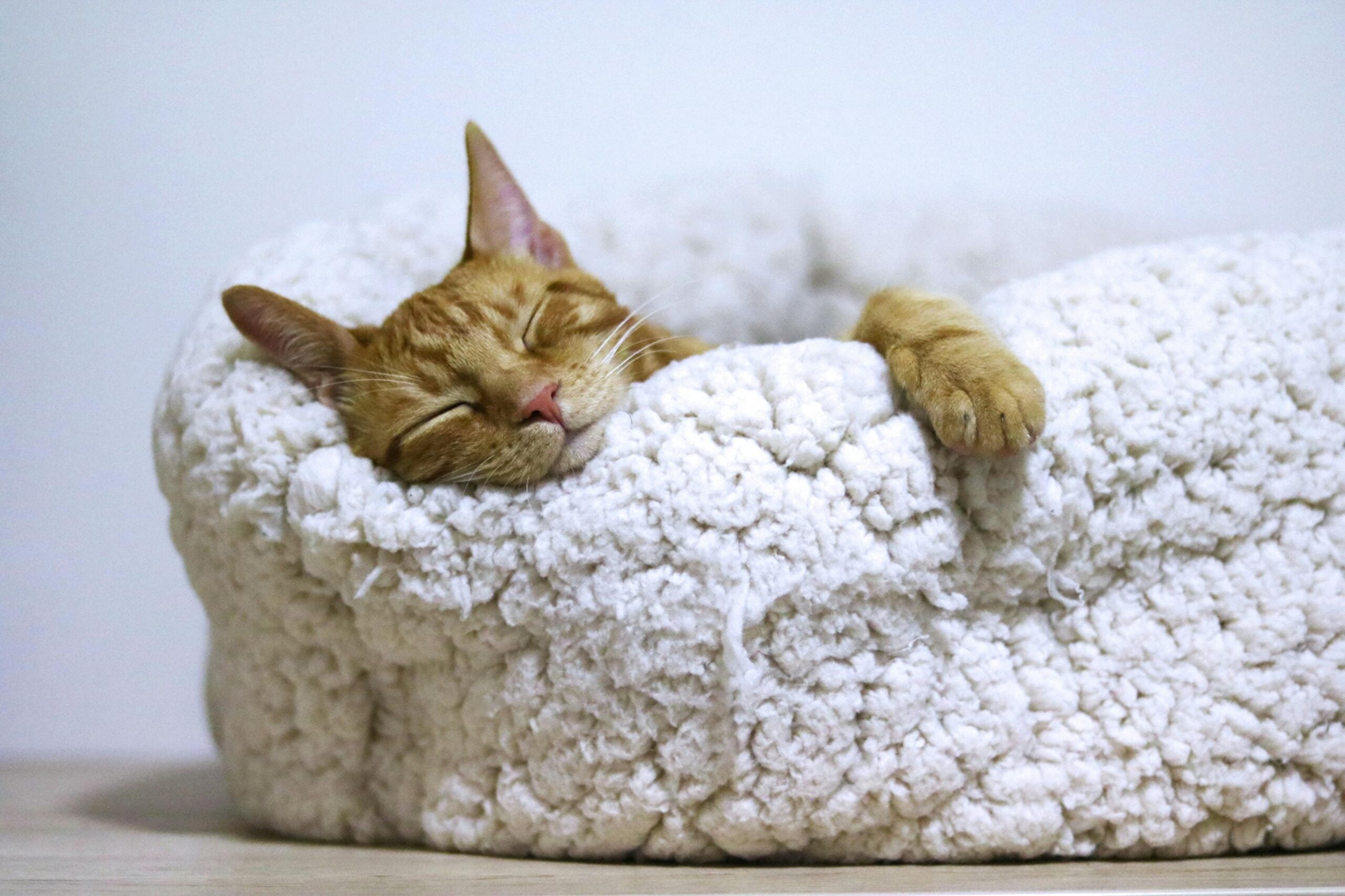
For cats and small dogs, there are plenty of solid, mid-range options. Vets have specifically called out some "premium" varieties as marketing over function.
If you're paying extra for scent or packaging but still dealing with odor and mess, you're not getting your money's worth. Try a basic clumping litter or house-brand pads before jumping to boutique bags.
5. Wireless electric fences sold as a cure-all

Invisible fences can work in some setups, but vets warn that wireless versions can confuse pets, create fear around random shocks, and still allow other animals to come into your yard.
If you're going to spend that much, a physical fence or long-line and training often does more for safety.
6. "Health" treats that are basically regular treats
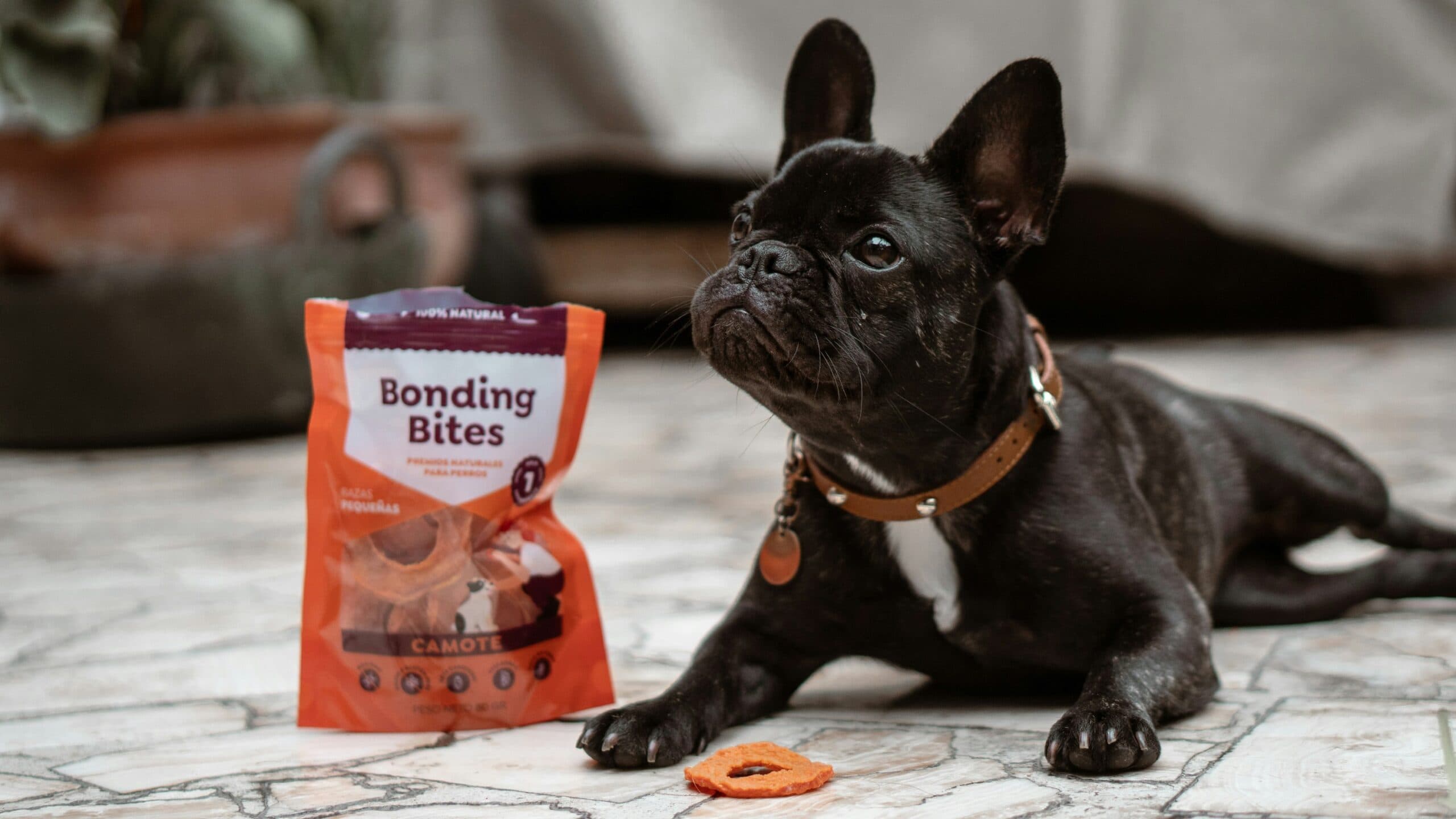
Dental, joint, skin, calming-every bag promises a lot. Some are fine; many are just flavored treats with a sprinkle of an ingredient and a higher price.
Run the numbers: look at calories, active ingredients, and cost per treat. In many cases you're better off with plain, measured treats and actual meds or supplements prescribed by your vet when needed.
7. Over-the-top smart gadgets you never fully use
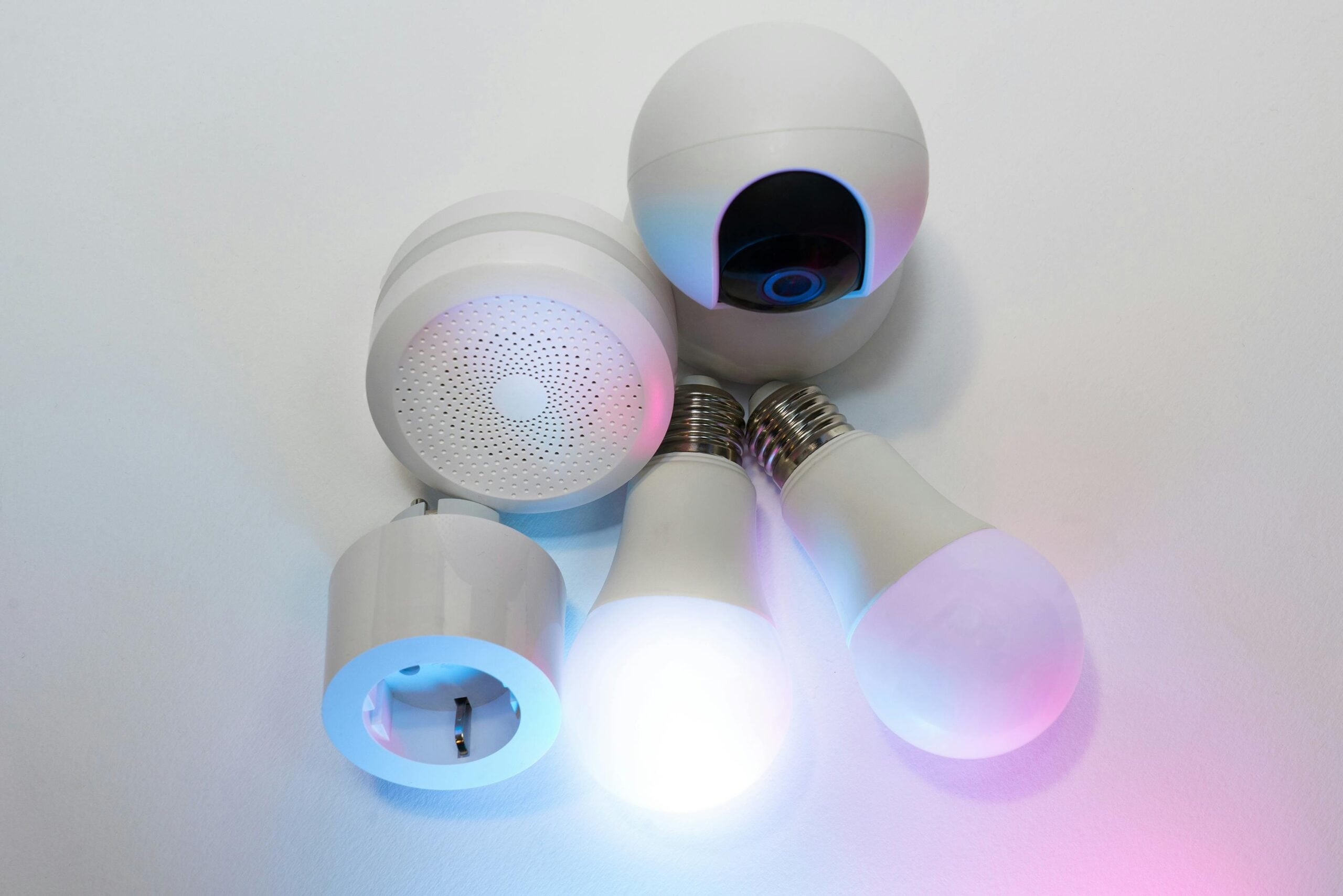
Automatic feeders, cameras, smart trackers, and tech-heavy toys can be genuinely helpful in some homes. But if you're constantly replacing batteries, subscriptions, and broken parts, the cost doesn't always line up with the benefit.
Before buying, ask: what problem is this actually solving? If you're not clear on that, it's probably not worth it.
8. Multiple beds and crates in every room
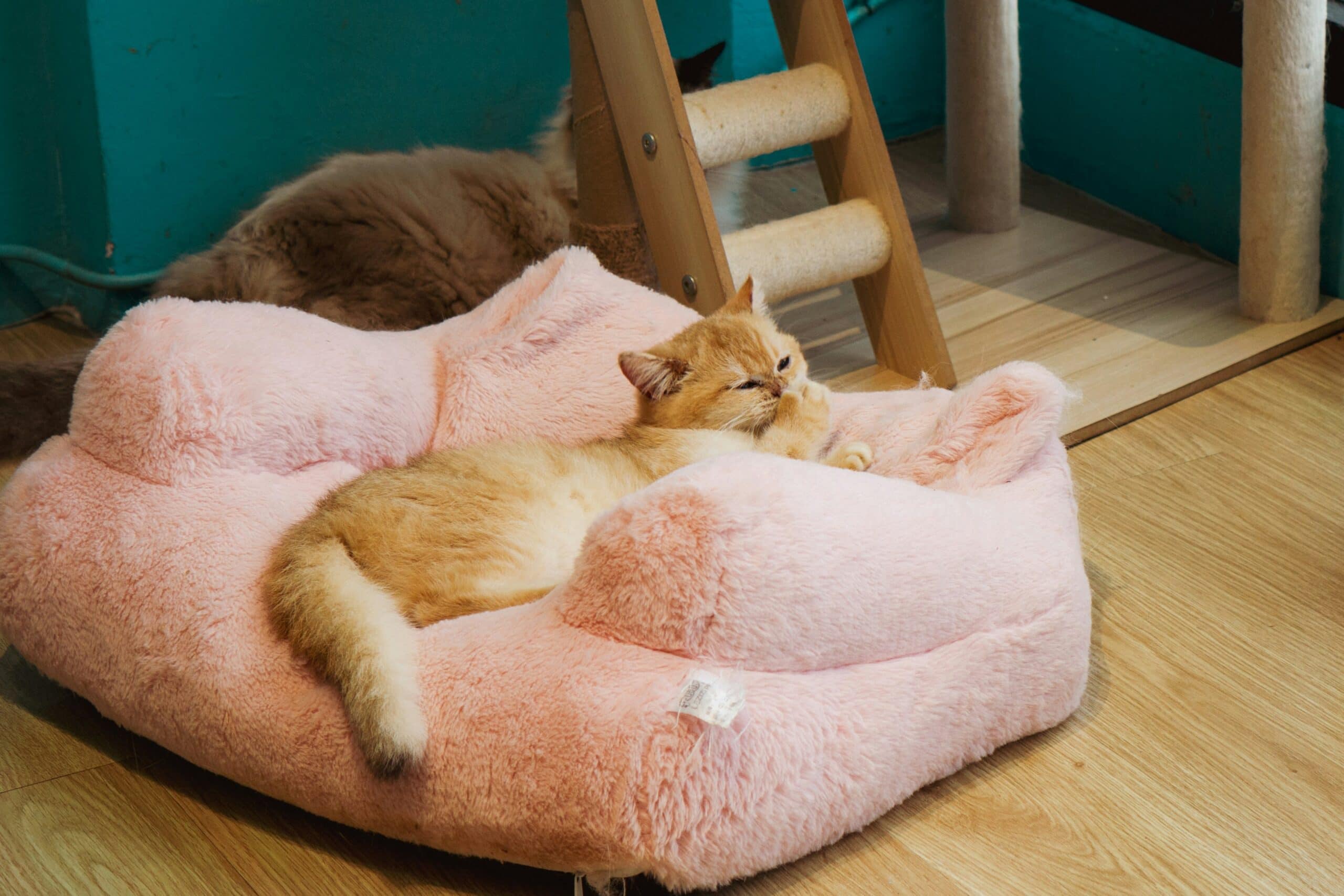
A good bed is worth having. Three or four in every space your dog might wander into is where you start wasting money. Dogs usually pick a favorite nap spot and ignore the rest.
Start with one solid bed in your main living area and maybe a second in the bedroom if needed. Add more only if you see a clear reason-not because the matching set is cute.
*This article was developed with AI-powered tools and has been carefully reviewed by our editors.






Leave a Reply