

Most of us don't look at medical codes-we just see the bottom line. But what the office types into their system drives everything about your bill. Coding mistakes can raise your portion even when everyone is acting in good faith.
Here are the big ones to watch for when a bill feels off.
1. Upcoding-billing a higher level of visit than you actually had
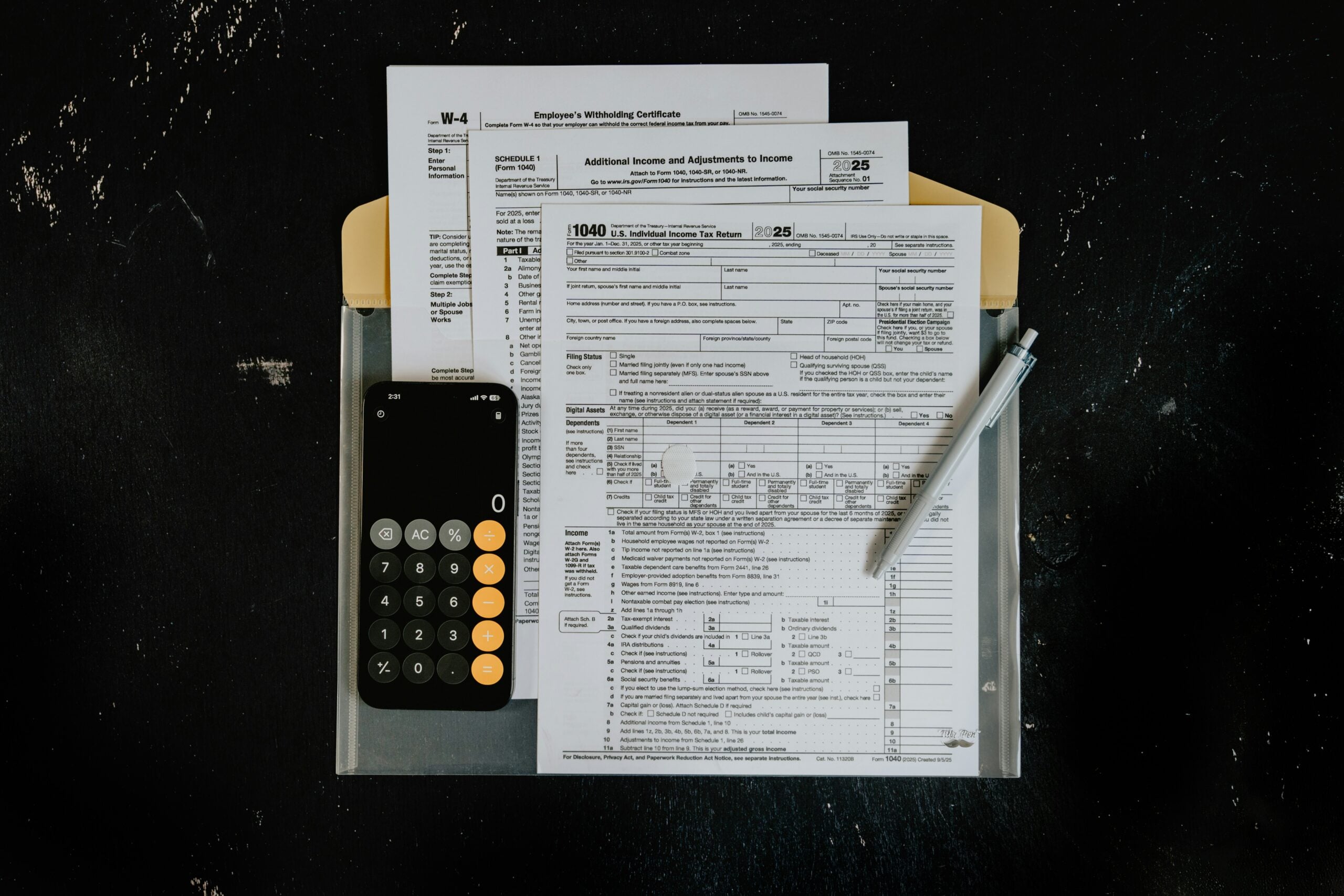
Upcoding happens when a service is billed as more complex than what was actually documented, like charging for a high-level office visit when it was a simple check. It's considered fraudulent when done on purpose, but it can also happen by mistake.
Higher level = higher allowed amount = more for you to pay if you haven't met your deductible yet.
2. Unbundling services that should be billed together

Some procedures are supposed to be billed as a package (a "bundle") with one code. Unbundling is when components get billed separately, which can inflate the total.
If you see several similar codes listed together for what felt like one procedure, that's worth asking about. Sometimes it's correct; sometimes it's an error.
3. Misusing or missing modifiers

Modifiers are little two-character tags attached to codes that explain details-like if a procedure was done on both sides of the body or repeated. Using the wrong one, or leaving it off, can change how a claim is processed and how much lands on you.
Billing experts flag incorrect modifiers as one of the most common coding mistakes. If a claim was denied or paid oddly, this is often why.
4. Wrong place-of-service or provider type

If your visit is accidentally coded as "hospital outpatient" instead of "office" or "telehealth," the allowed amount and your share can be much higher. Same with a provider mistakenly marked as out-of-network.
When a bill seems way too high for a simple visit, ask your insurer to confirm the place-of-service code and provider network status.
5. Using outdated codes or not updating for rule changes

Coding rules and code sets get updated regularly. Using an old code or one that's no longer valid can cause denials, resubmissions, and billing chaos that eventually rolls downhill to you.
If a claim has been "pending" or "resubmitted" multiple times and you keep getting balance bills, it's fair to ask whether they're using current codes.
6. Typo-level mistakes that change everything

Sometimes it really is as simple as a digit off in a code, a wrong date, or the wrong diagnosis linked to the wrong procedure. That can change coverage, trigger denials, or route the claim to the wrong benefit bucket.
When something doesn't make sense, ask for an itemized bill and compare it to your Explanation of Benefits (EOB). If codes or descriptions don't match, ask the billing office and insurer to review the claim together.
*This article was developed with AI-powered tools and has been carefully reviewed by our editors.






Leave a Reply