
20 Signs You’re terrible with money

If your bank account feels like a revolving door, there's a good chance it's not because you don't make enough-it's because your money habits are working against you. Being "bad with money" doesn't always mean you're irresponsible.
Sometimes it's the smaller choices, like swiping your card out of convenience or avoiding uncomfortable numbers, that quietly drain your finances over time. Here are the signs your money habits might need a wake-up call.
You check your balance instead of your budget
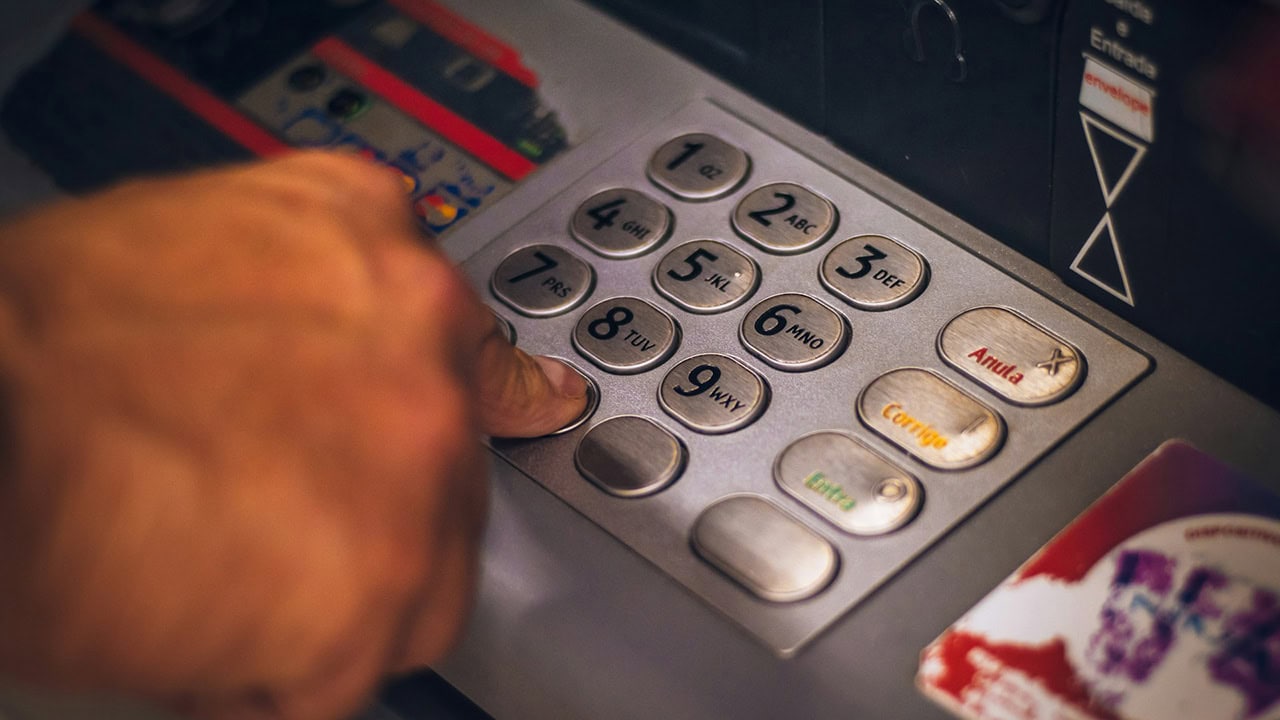
If your version of budgeting is seeing what's left in your account before buying something, you're flying blind. That "as long as there's money, I'm fine" mindset keeps you living paycheck to paycheck.
A real budget tells your money where to go before it disappears. Once you start tracking spending by category, you'll see patterns that explain exactly where things go wrong-and how fast.
You avoid opening bills or statements

Ignoring your bills doesn't make them smaller-it makes them grow. Late fees, interest, and disorganization turn small debts into expensive problems. It also adds stress, because in the back of your mind, you know you're behind.
Get in the habit of opening bills the day they arrive and setting up auto-pay where possible. Seeing the numbers is the first step to taking control of them.
You rely on credit cards to get through the month
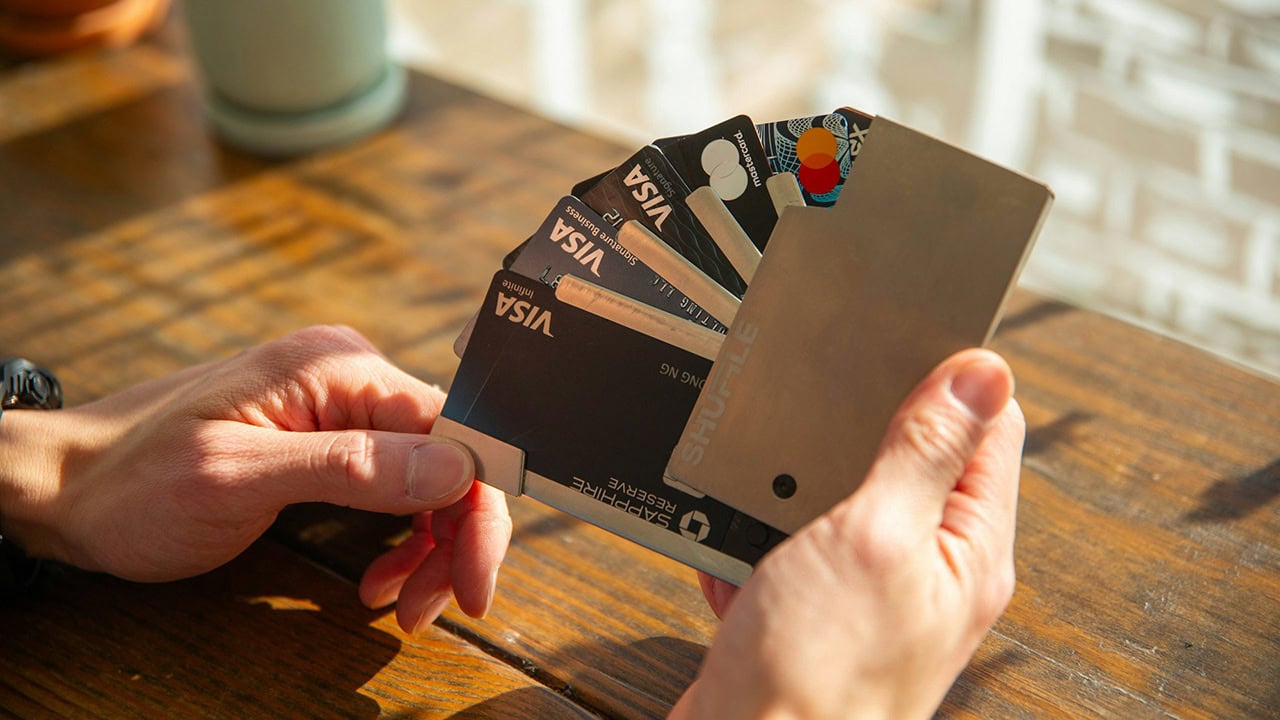
If your cards feel like a lifeline, that's a sign your spending has outpaced your income. It might feel manageable now, but minimum payments keep you stuck in a cycle that eats away at your future money.
Start by cutting one recurring expense and using that savings to pay down your highest-interest card first. Once you stop treating credit as extra income, your balance-and stress-go down.
You constantly "treat yourself" after hard days

Everyone needs small rewards, but when every bad day ends with takeout or a Target run, it adds up fast. Emotional spending feels good for a few minutes but can wreck your budget in the long run.
Instead, set up free or low-cost comforts you actually enjoy-like a walk, bath, or early night off your phone. Your finances shouldn't take the hit every time life feels heavy.
You don't know how much you actually spend in a month

If you can't estimate your monthly total within a few hundred dollars, you're probably overspending. It's easy to underestimate small, daily habits-coffee, drive-thrus, or random Amazon buys.
Look back through your debit or credit history for the past month and add it up. That number might sting, but it's eye-opening. Awareness is the first step to making smarter choices.
You think saving only works once you make more
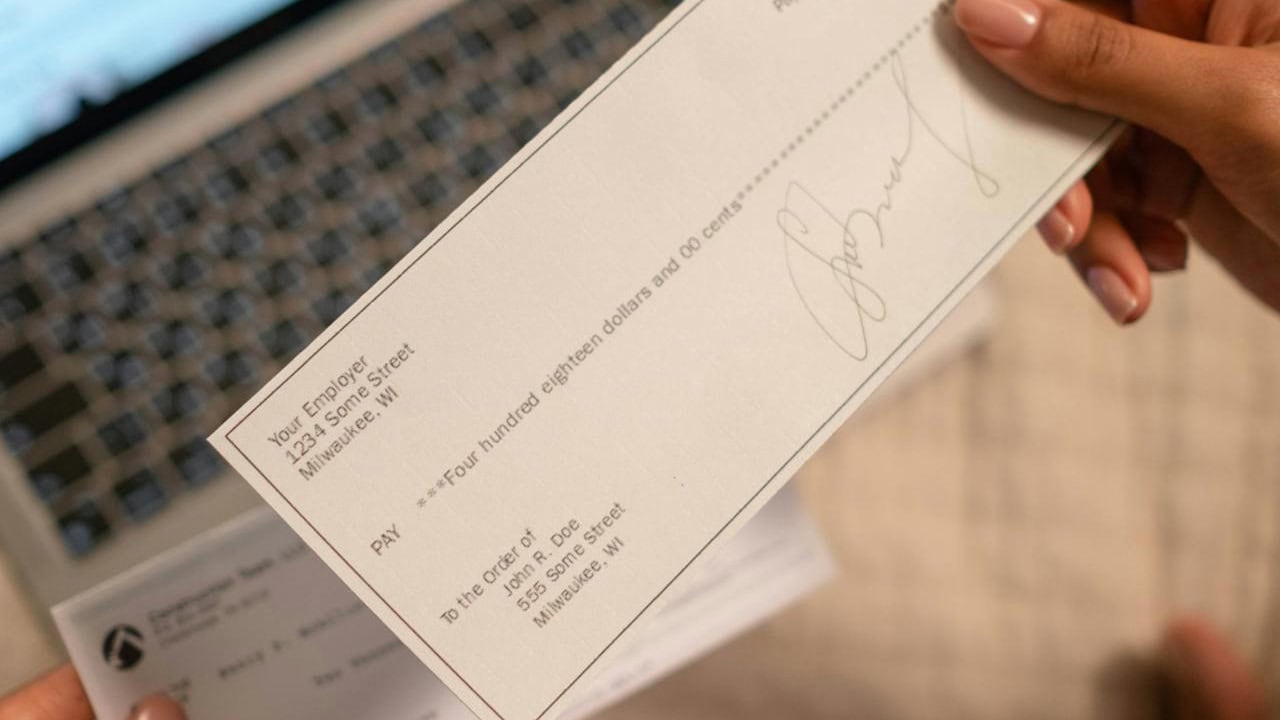
If you're waiting for a bigger paycheck to start saving, you'll never get ahead. The habit matters more than the amount. Saving $25 a week builds discipline that carries over once you earn more.
Start small and automate it. Even $100 a month turns into over a thousand a year-without feeling painful. You'll prove to yourself that progress isn't about income, it's about consistency.
You buy on impulse and justify it later

If your shopping cart fills faster than your bank account, impulse buying might be your weak spot. It's easy to convince yourself something's a "need" when it's sitting in your online cart.
Before checking out, leave it for 24 hours. If you forget about it, that's your answer. Breaking this one habit alone can save you hundreds a month without feeling like deprivation.
You borrow money from friends or family

Needing help once in a while happens-but if it's a pattern, that's a red flag. Borrowing from loved ones creates tension and shows your budget isn't working.
Instead of reaching for quick fixes, take a hard look at what's draining your income. A few months of cutting extras or picking up a side gig can rebuild trust and independence.
You buy because something's on sale

Sales don't save money if you weren't going to buy the item anyway. That "it's 40% off!" mindset tricks you into thinking you're being smart when you're still overspending.
Before buying, ask yourself: would I want this at full price? If not, skip it. You'll keep your space clear and your wallet fuller-no coupon required.
You never compare prices or question bills

If you pay whatever shows up on your bill or buy from the first website you find, you're leaving money on the table. Companies count on people not checking.
Spend five minutes comparing rates on insurance, subscriptions, or utilities once or twice a year. Even small adjustments-like switching plans or calling for discounts-can free up hundreds annually.
You can't cover a $500 emergency

If an unexpected bill would wipe you out, you're in dangerous territory. Living with zero buffer means any surprise-car repair, vet visit, medical bill-forces you into debt.
Start an emergency fund with small, automatic deposits. Even $10 a week adds up. Once that first $500 is set aside, you'll feel a level of peace no impulse purchase could ever match.
You keep signing up for new payments
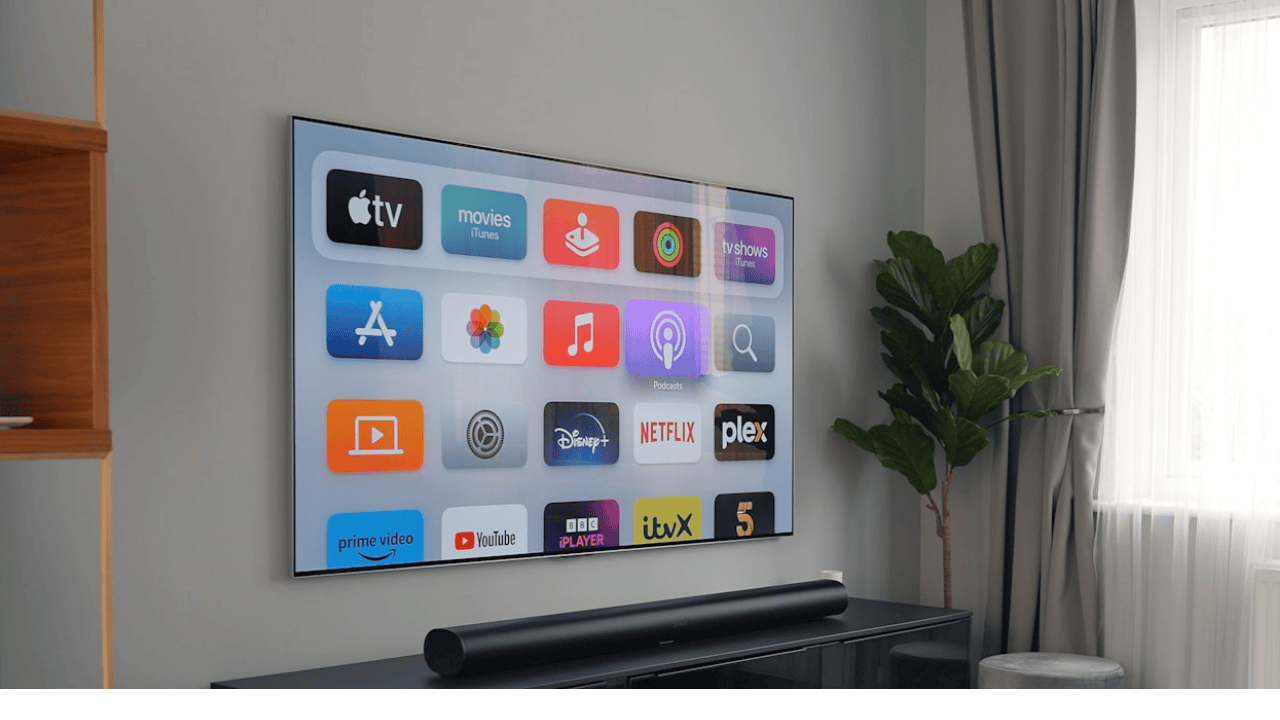
That $15 subscription here and $25 payment there feels harmless-until you realize you've built a second rent out of auto-renewals. Those "only a few dollars" charges can eat 10-20% of your income.
Check your recurring payments once a month and cancel what you don't use. Seeing your actual leftover money will feel like a raise.
You confuse "affording" something with "being able to pay for it"
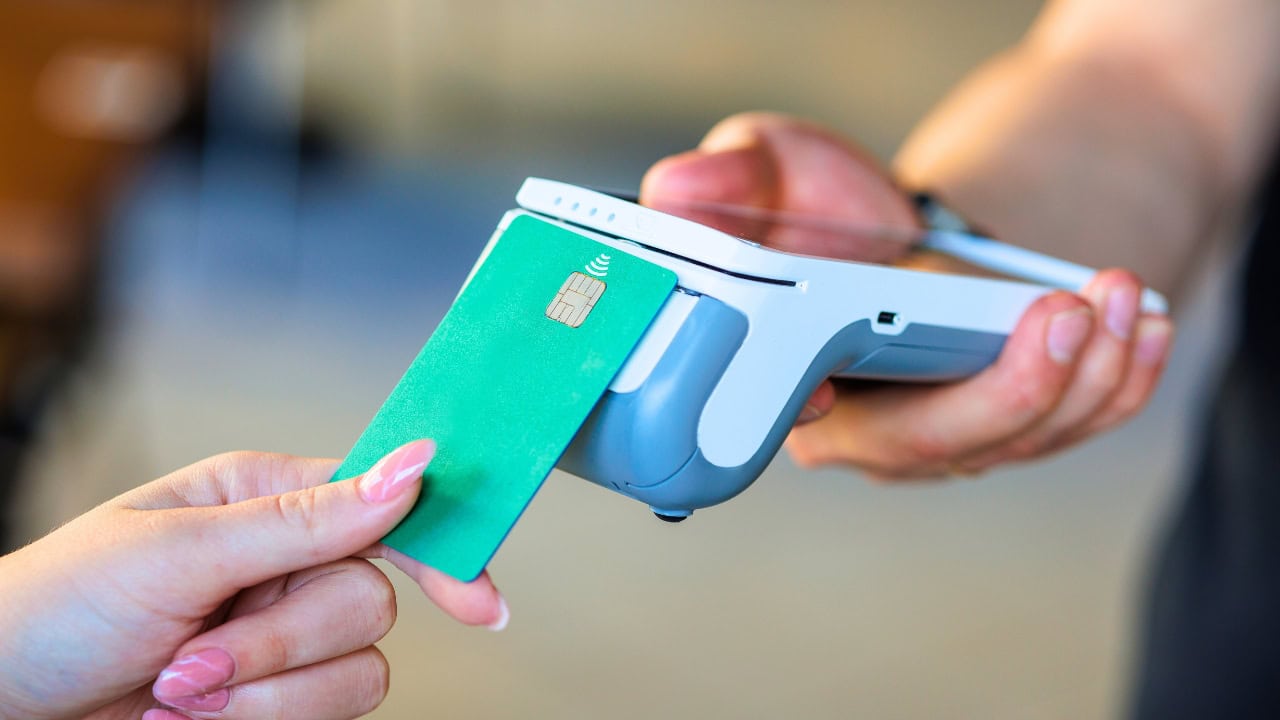
Being able to swipe your card isn't the same as being able to afford it. If a purchase makes your next paycheck tighter, it wasn't affordable-it was delayed stress.
Before buying, think two paychecks ahead. If you'll still be comfortable then, it's fine. If not, wait. That simple pause can save you from a lot of regret.
You ignore your credit score
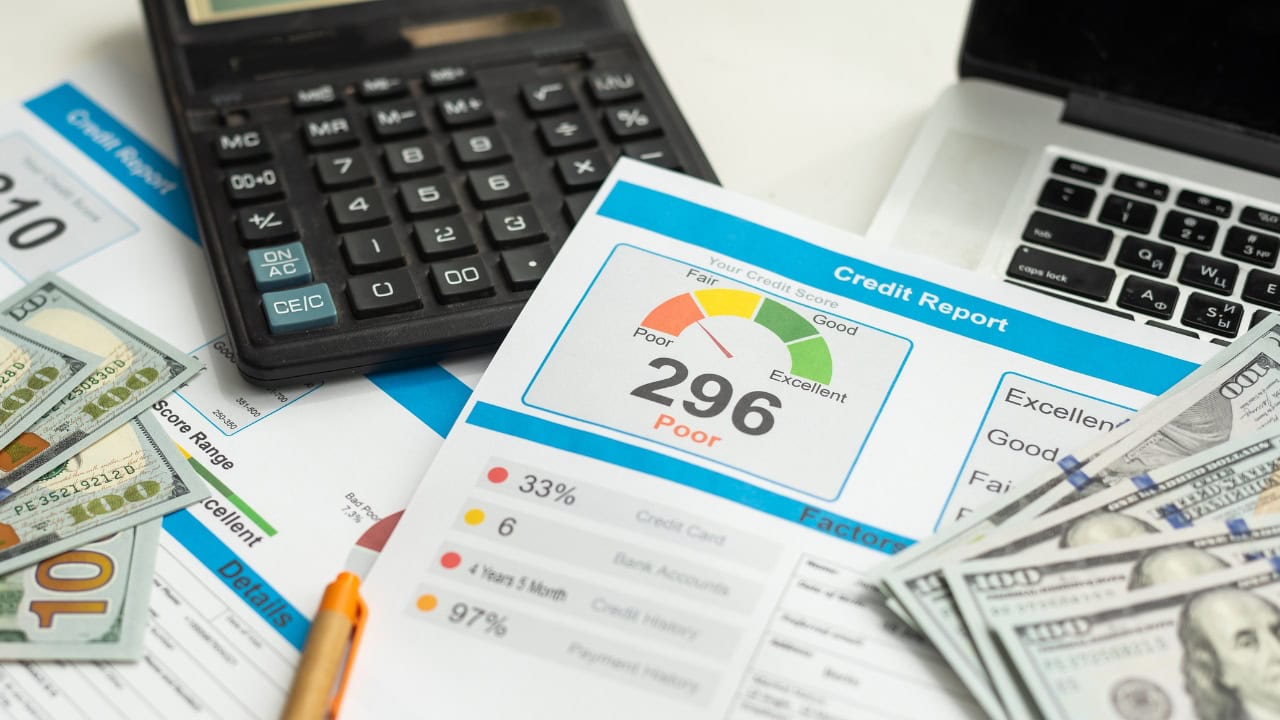
Pretending your credit score doesn't matter is a costly mistake. It determines everything from your loan rates to your insurance costs. A poor score can quietly cost thousands a year.
You can check it for free through your bank or a trusted site like Experian. Knowing where you stand gives you leverage-and motivation to improve.
You shop to feel productive
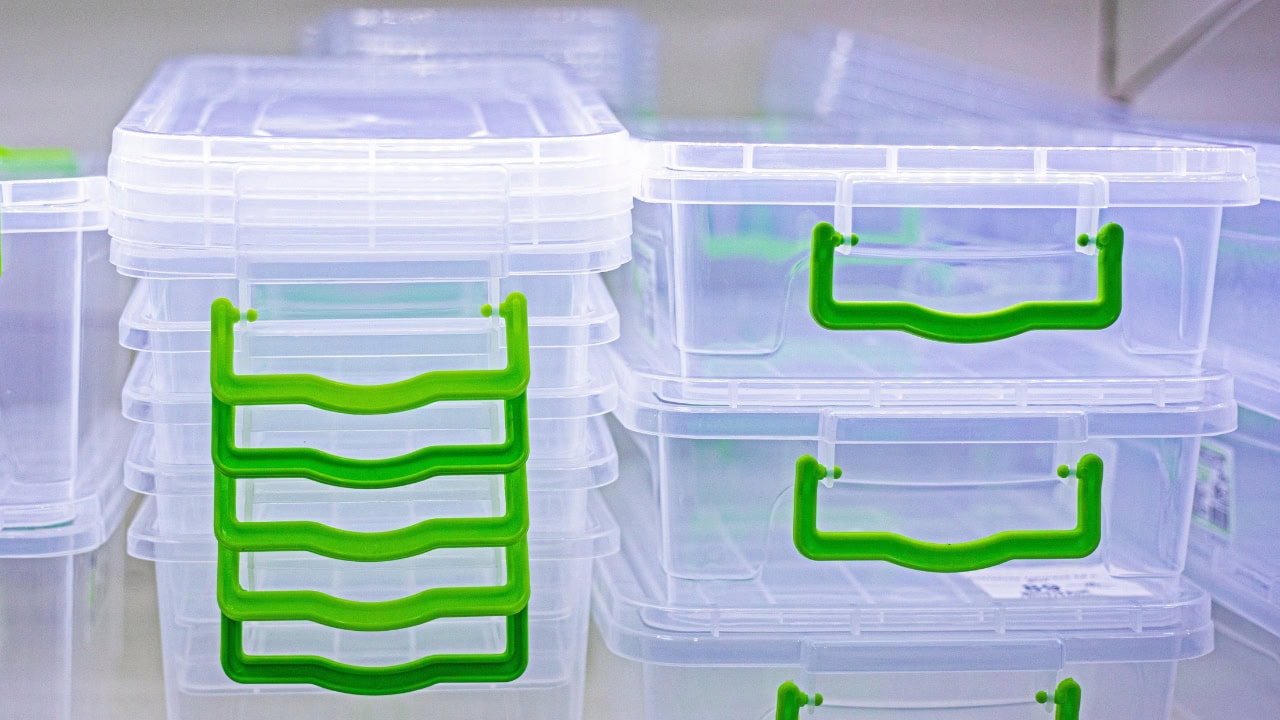
If cleaning your space feels like shopping for new bins, you're not organizing-you're procrastinating. Buying "solutions" for clutter is one of the sneakiest money traps out there.
Use what you already have first. Once your space is actually organized, you'll see what needs replacing-and what you never needed in the first place.
You refuse to meal plan

Ordering out might seem easier, but it's one of the biggest drains on a budget. Those quick dinners add up faster than most people realize.
Meal planning doesn't have to be complicated. Pick three go-to dinners, buy ingredients once a week, and rotate. You'll save hundreds a month without living on ramen.
You tell yourself "it's only money"

Downplaying financial stress might make you feel laid-back, but it often means you've given up control. Money touches every part of your life-from peace of mind to opportunity.
You don't have to obsess over it, but caring where your money goes is a form of self-respect. When you start treating your finances like they matter, they improve.
You always upgrade when you could repair

Replacing things that still work might feel rewarding, but it keeps you broke. A small repair or refresh-like repainting furniture or fixing an appliance-costs far less than starting over.
Before buying new, look into what it costs to repair or refurbish. Most of the time, you'll spend a fraction of what you planned.
You blame bad luck for money problems

If you're always the "unlucky" one with car trouble or broken appliances, it's probably not luck-it's lack of preparation. Life's curveballs hit everyone, but without savings or maintenance, they hit harder.
Set aside a little money each month and stay on top of routine care for your home and car. It won't prevent everything, but it'll stop small issues from becoming expensive ones.
You don't set financial goals

If your only goal is "make it through the month," that's survival mode, not financial growth. Without direction, you'll drift through years of the same money stress.
Pick one small, specific goal-like paying off a card, saving for a trip, or setting aside $1,000. Every dollar you give purpose to becomes progress instead of noise. That's when your money finally starts working for you, not against you.
*This article was developed with AI-powered tools and has been carefully reviewed by our editors.






Leave a Reply