
20 habits that will keep you poor forever

If you feel like you're always working hard but never getting ahead, your habits might be the problem-not your paycheck. Most people don't stay broke because of one big mistake. It's a mix of daily habits that drain money slowly, quietly, and consistently.
The good news? You can fix every single one of them. But first, you have to be honest about the patterns keeping you stuck where you are.
You spend money as fast as it comes in

If you celebrate payday by immediately spending, you're guaranteeing you'll never build wealth. The excitement wears off fast, but the bills and stress stick around.
The fix is to pause before spending anything new. Automate your savings or investments first, then use what's left. When saving becomes non-negotiable, your money starts to grow instead of vanish.
You think budgeting is only for broke people

Many people avoid budgets because they sound restrictive, but in reality, it's the opposite. A budget gives you freedom because it puts you in control of where your money goes.
Tracking what you earn and spend helps you see waste and opportunities. Without it, you'll keep wondering where your money went-month after month.
You buy things to look successful

If you're upgrading your car, wardrobe, or phone to "keep up," you're investing in an image instead of your future. Those purchases might impress people, but they don't move you forward.
Wealthy people don't look rich-they prioritize ownership over appearances. Start choosing assets over status symbols, and your finances will start reflecting actual success, not pretend success.
You rely on credit for everyday expenses
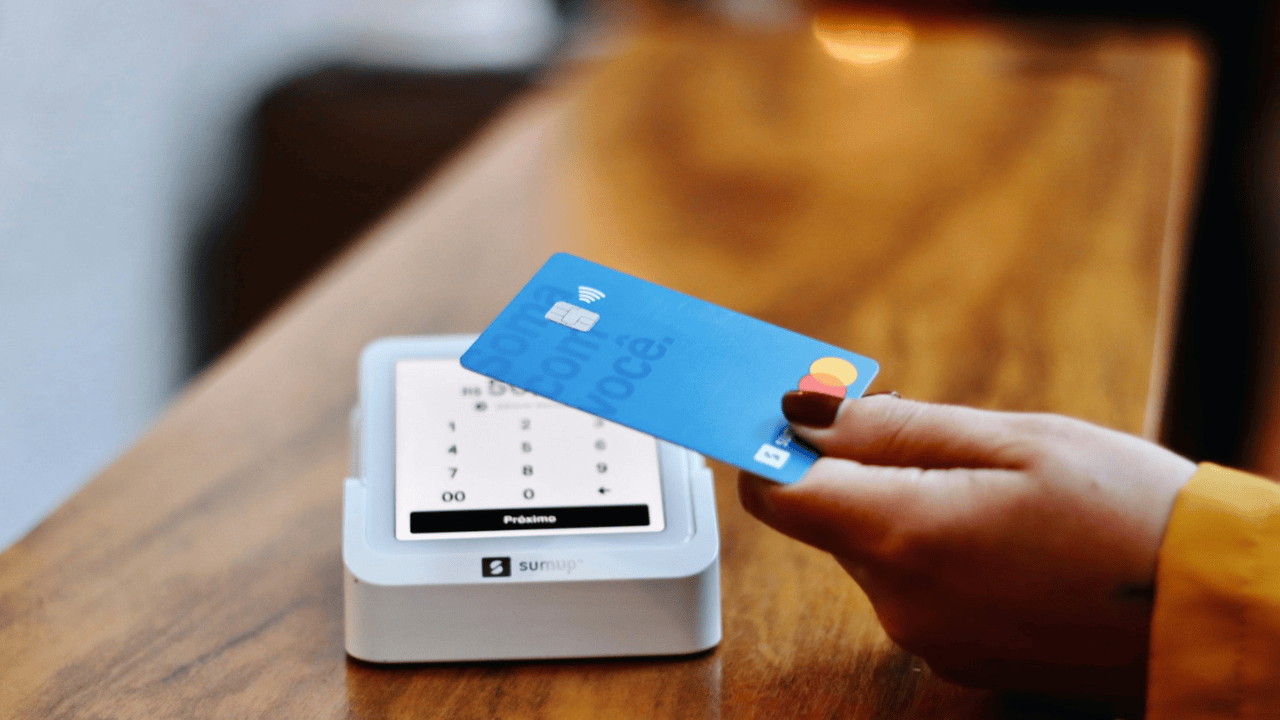
If your credit cards are covering groceries, gas, or small splurges, you're in a dangerous cycle. That interest adds up fast, eating into future paychecks before you even get them.
Start by cutting one recurring expense and using that extra cash to pay more than the minimum. It's not about cutting everything-it's about breaking the cycle of living tomorrow on today's money.
You make emotional purchases

Bad day? Bored? Celebrating? If every mood leads to spending, you're tying your emotions to your wallet-and that never ends well. Emotional spending makes short-term problems worse in the long run.
Learn to separate feelings from finances. Go for a walk, call a friend, or do something productive before hitting "add to cart." That pause can save you hundreds without feeling like you're depriving yourself.
You never plan for emergencies

Skipping an emergency fund might seem harmless until something breaks-and it always will. Without a cushion, you'll turn every unexpected expense into new debt.
Start small. Even $10 or $20 a week adds up faster than you think. Once you hit $1,000, you'll realize that peace of mind feels better than anything you could've bought.
You spend every tax refund or bonus

Big checks make it easy to feel rich for a few days, but if you spend them on quick thrills, you're missing your best chance to get ahead. That money can change your year if you use it wisely.
Put at least half toward debt, savings, or an investment before touching the rest. Turning windfalls into progress instead of purchases is how you start building real financial stability.
You only pay the minimums

Minimum payments keep your account open-but they also keep you trapped. Credit card companies love minimum payers because they make the most money from them.
Even paying a little extra each month can cut years off your debt and save you thousands in interest. Don't wait until you "can afford more"-start now, even if it's just $20 extra.
You think investing is too complicated

If you're avoiding investing because it sounds confusing, you're letting fear cost you money. Time is the biggest advantage you have, and every year you wait, you lose potential growth.
You don't have to become a stock expert. Start small with a simple index fund or your employer's 401(k). The earlier you start, the easier it becomes to build wealth quietly over time.
You surround yourself with people who overspend

Your environment shapes your habits more than you realize. If your friends always spend to have fun, it's hard not to follow. Social pressure can drain your money before you notice it.
Find people who talk about goals, not just purchases. The more you normalize smart money habits, the easier it becomes to live below your means-and still enjoy life.
You treat saving as optional

If saving only happens when you "have extra," it'll never happen. There's always something waiting to take that leftover money. Treating saving like a choice instead of a bill guarantees it gets skipped.
Flip the script-make saving automatic. When you pay yourself first, you force everything else to fit around your goals instead of the other way around. That's how real financial progress starts.
You ignore your financial statements

If you never check your bank or credit card statements, you're missing red flags. Small charges, subscription renewals, or forgotten fees can quietly bleed your account dry.
Spend five minutes each week reviewing your accounts. Seeing where your money actually goes will help you stop waste before it becomes a habit-and give you back control.
You never learn about money

If you think personal finance is "too boring" to bother with, that attitude will cost you. Money grows for people who understand how it works-and leaves behind those who don't.
You don't need a finance degree. Read one article or watch one video a week. The more you learn, the more confident you'll become making smart financial decisions.
You always upgrade instead of maintain

Whether it's cars, phones, or home appliances, always replacing instead of maintaining is a guaranteed way to stay broke. Small repairs cost less than starting over every few years.
Take care of what you own. Cleaning, maintaining, and repairing things early saves thousands over time-and keeps your stuff lasting longer than the warranty.
You let lifestyle creep take over

As your income rises, your spending probably does too. That's lifestyle creep, and it's why even high earners can feel broke. Every raise disappears into new habits instead of building wealth.
The trick is to keep your expenses steady while your income grows. If you can live on last year's budget for one more year, you'll finally start seeing real savings stack up.
You spend more time scrolling than planning

Social media makes comparison way too easy. Seeing other people's "perfect" homes, trips, or wardrobes can make your life feel smaller-and your spending bigger.
Unfollow accounts that trigger impulse buys or insecurity. Use that time to plan your next financial move instead. You'll feel more in control and less like you're chasing everyone else's highlight reel.
You ignore your future self

If you only think about the next paycheck, next month, or next year, you're always reacting instead of preparing. That mindset keeps you dependent on each pay cycle.
Think five years ahead. What do you want your life to look like, and what habits now will help you get there? Planning beyond the moment gives every dollar more purpose.
You think "working harder" will fix money problems

Working more hours helps temporarily-but if your spending habits don't change, you'll still stay stuck. More income means nothing if it leaves as fast as it comes in.
Focus on managing what you already earn before chasing more. Once you master that, any extra money becomes growth instead of survival.
You never negotiate

Whether it's a salary, a bill, or a rate, refusing to ask for better keeps you paying more than you need to. Companies count on you not speaking up.
Get comfortable asking for discounts or raises. A single phone call or email can save-or earn-you hundreds. Confidence with money starts with realizing you're allowed to ask.
You think wealth is luck

If you see success as something that happens to other people, you'll never build it yourself. Most financial progress comes from small, repeated decisions that anyone can make.
Stop assuming "rich" people are lucky and start adopting their mindset: consistency over time beats quick wins every single time. The moment you take ownership, your money starts working differently.
*This article was developed with AI-powered tools and has been carefully reviewed by our editors.






Leave a Reply