
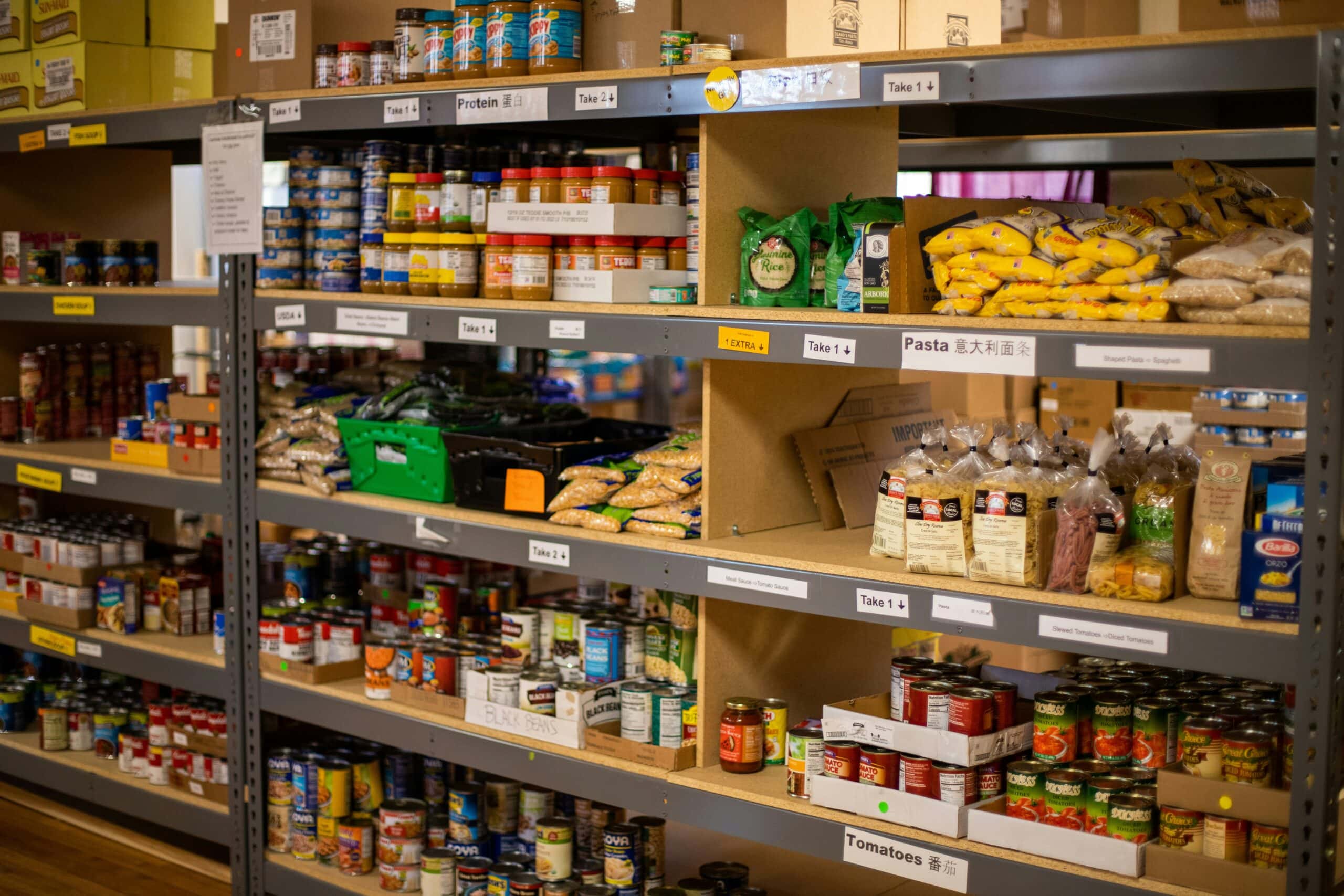
It doesn't take a full pantry overhaul to stop wasting money-it takes consistency. Most food waste isn't about what you buy; it's about what gets forgotten, pushed to the back, or never used in time. Over the years, we've trimmed down our pantry habits to focus on what actually saves food, saves space, and saves money. These are the ones that've kept us from throwing away hundreds of dollars a year in expired or unused groceries.
Label what's open
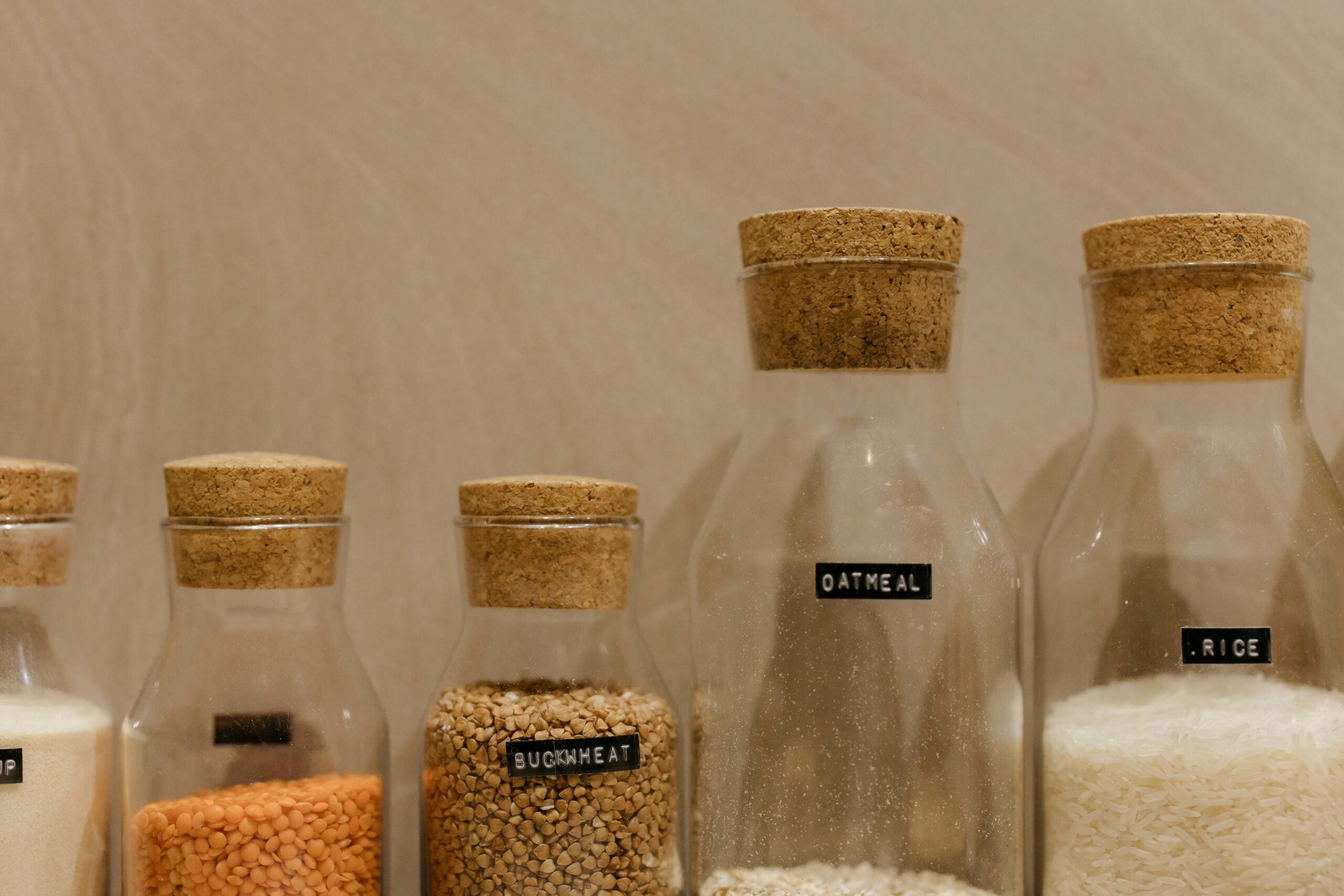
You don't need fancy labels or a chalkboard system. A Sharpie on the lid works fine. Every time you open a jar, box, or bag, write the date right on it. That way you don't play the "how long has this been here?" game later.
It helps especially with things like pasta sauce, broths, and baking ingredients that tend to linger. Knowing what's already open keeps you from opening more than one and wasting half of both.
Keep a running inventory on the door

Tape a piece of paper or a whiteboard to the inside of your pantry door. Write down what you have and cross it off when it's gone. It sounds like a hassle, but it's quick once you get in the habit.
This keeps you from overbuying items you already have (looking at you, cans of beans) and helps you actually plan meals around what's already sitting on your shelf instead of what sounds good in the store.
Group items by use
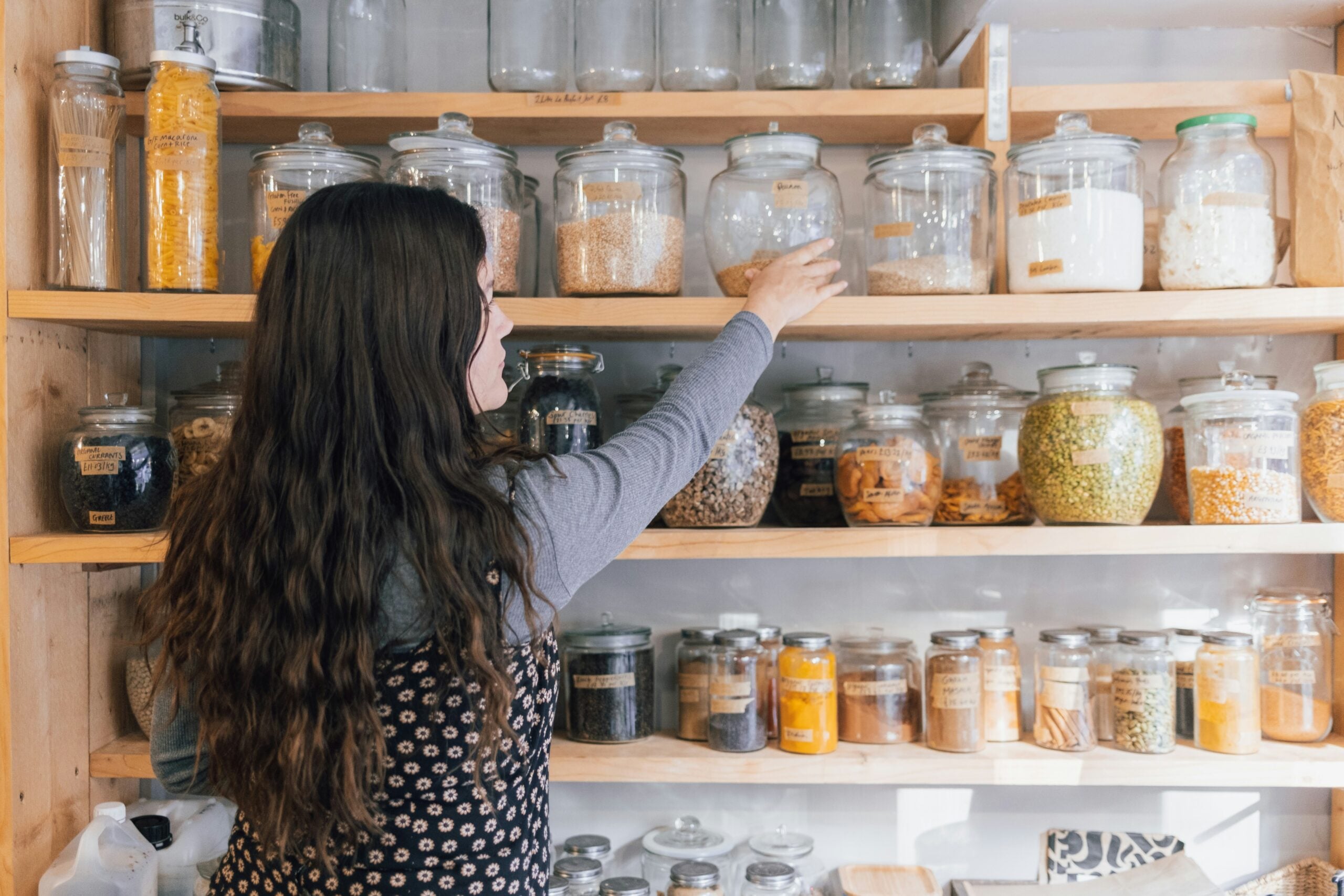
Instead of sorting your pantry by size or container type, group things by how you use them. Put all your baking ingredients in one section, all your canned meal starters in another, and all your grab-and-go snacks together.
This way, you see what you're low on at a glance-and you're way less likely to let something expire because it got shoved in with the wrong stuff and forgotten.
Rotate newer items to the back
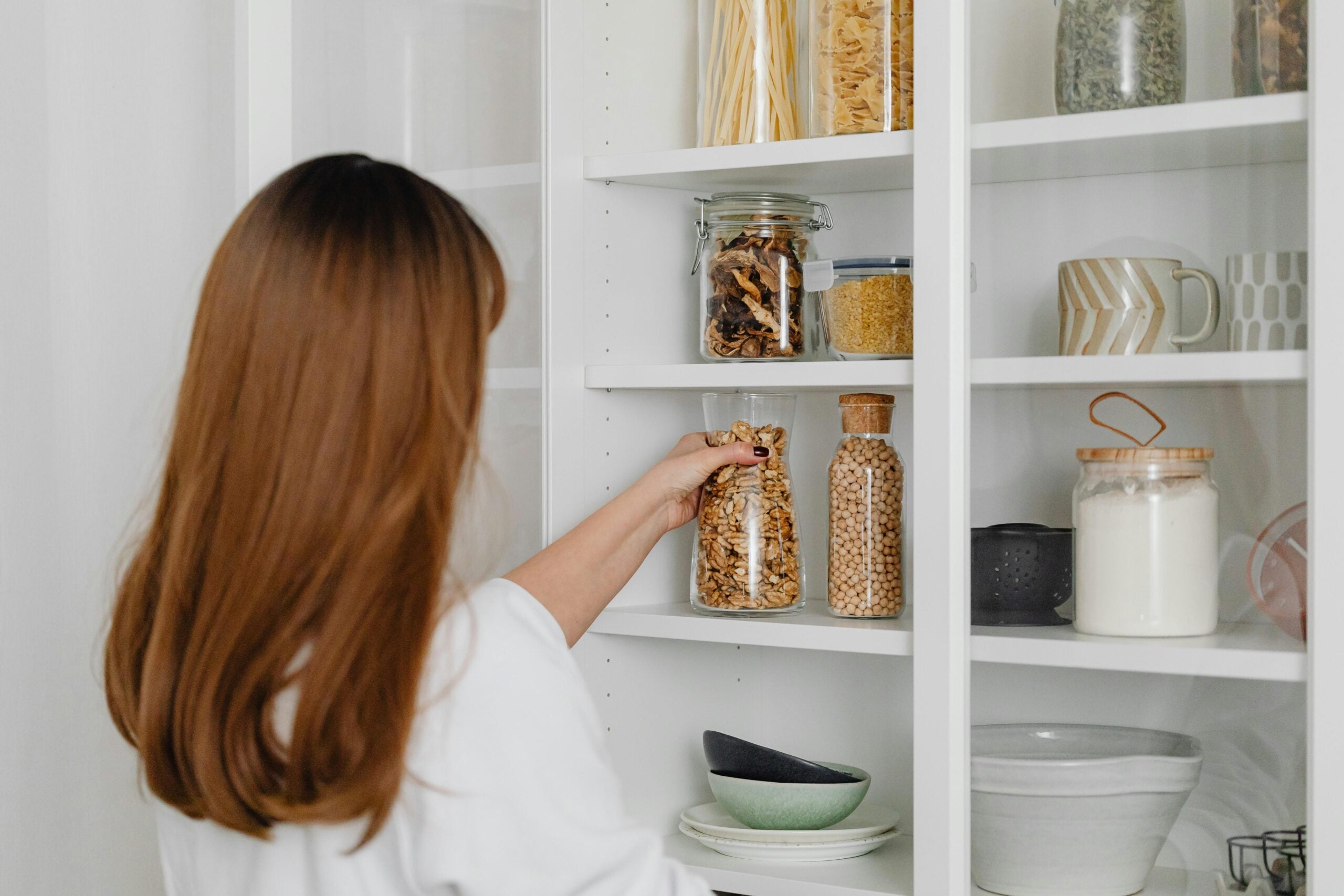
Every time you come home from the store, take 30 seconds to move the older stuff to the front before putting the new items behind it. It's what grocery stores do, and it works.
You're less likely to throw away a dusty box of rice or stale crackers when you're reminded to use what you already had. This one habit alone has saved us dozens of dollars each year in expired food.
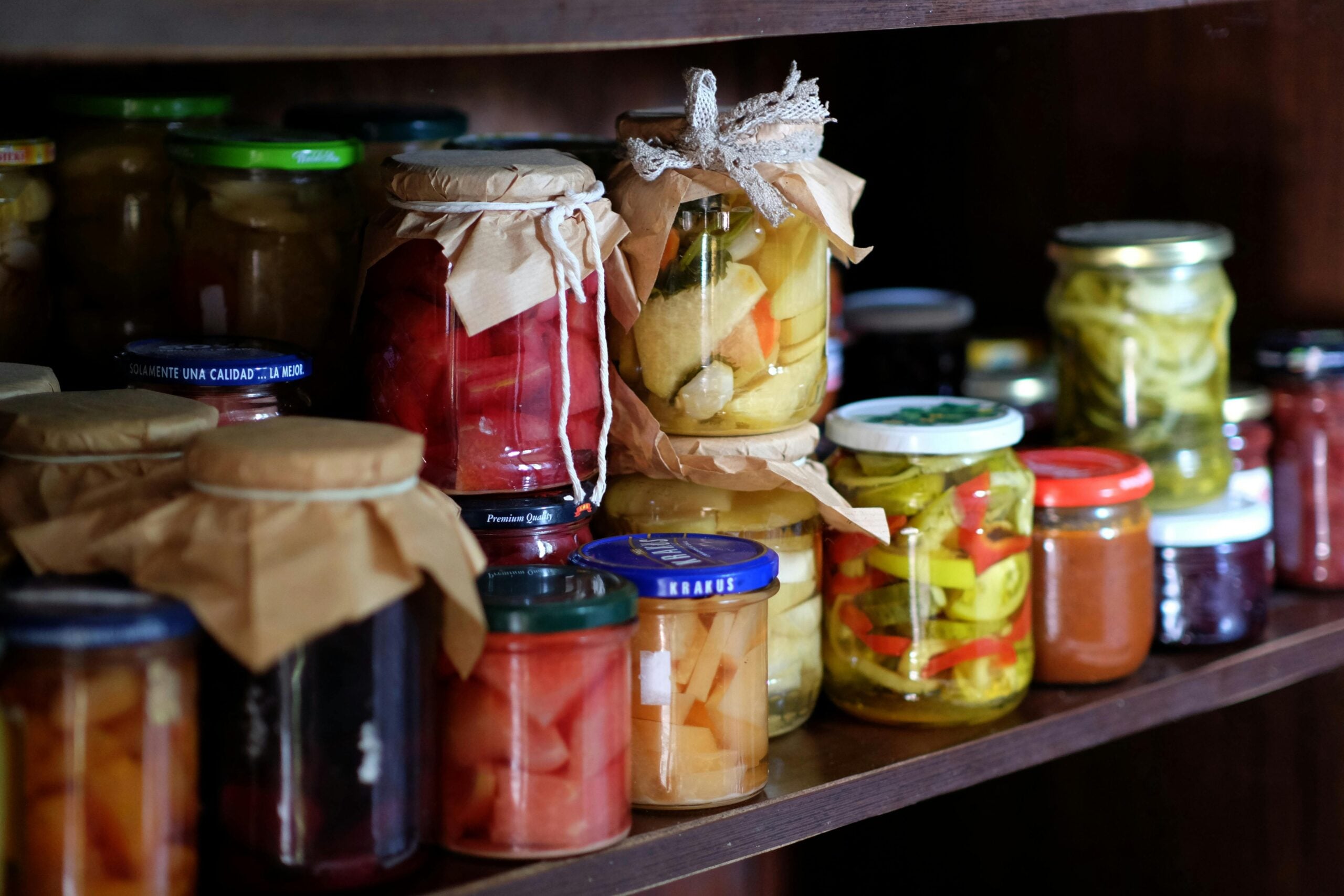
Store dry goods in airtight containers
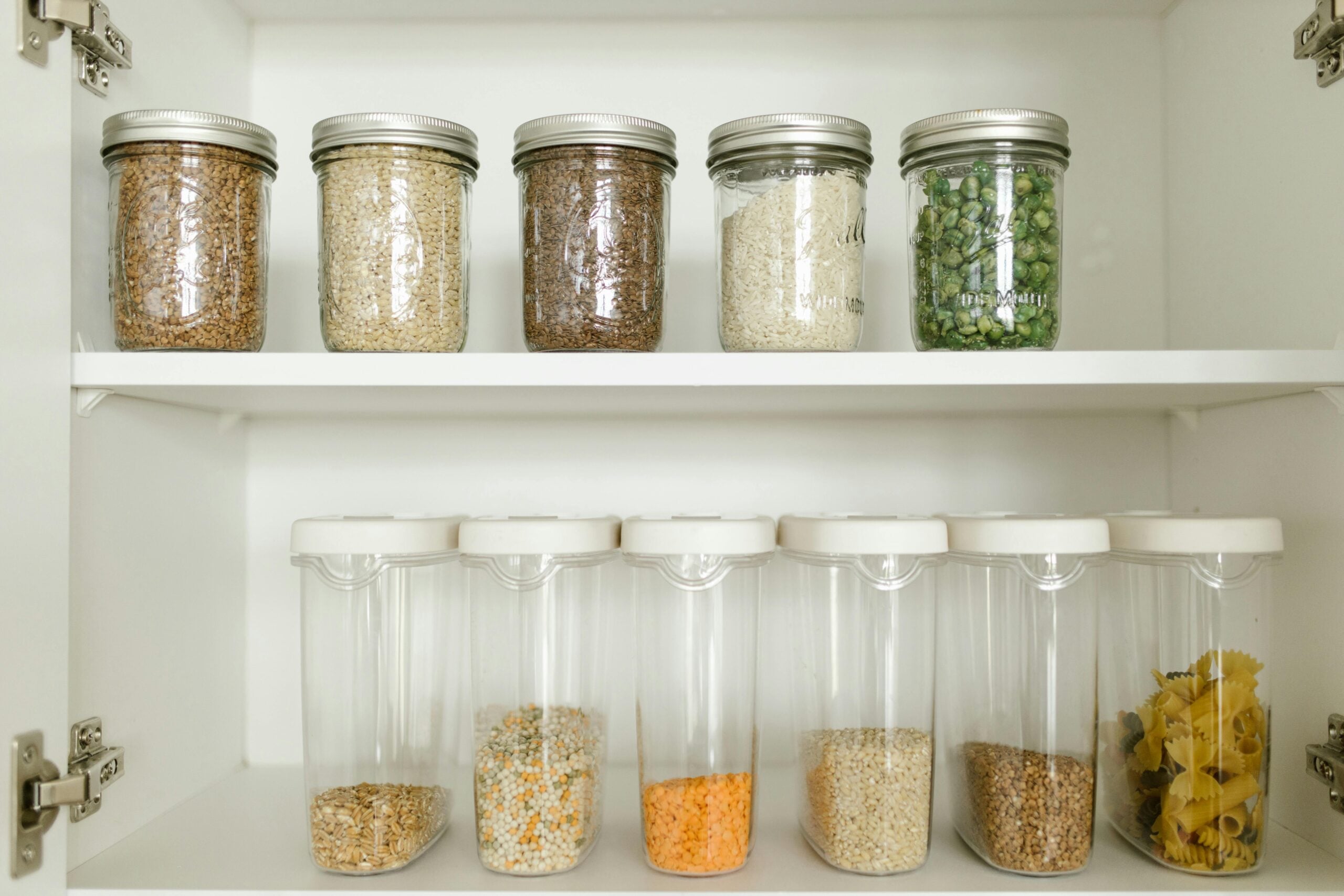
Once you open a bag of flour, rice, or cereal, transferring it to an airtight container keeps it from going stale-or worse, attracting bugs. You don't have to buy matching sets. Clean repurposed jars work fine.
This also helps you see what you have at a glance, keeps your shelves neater, and helps prevent spills. When things stay fresher longer, you waste less without even thinking about it.
Don't overbuy sale items
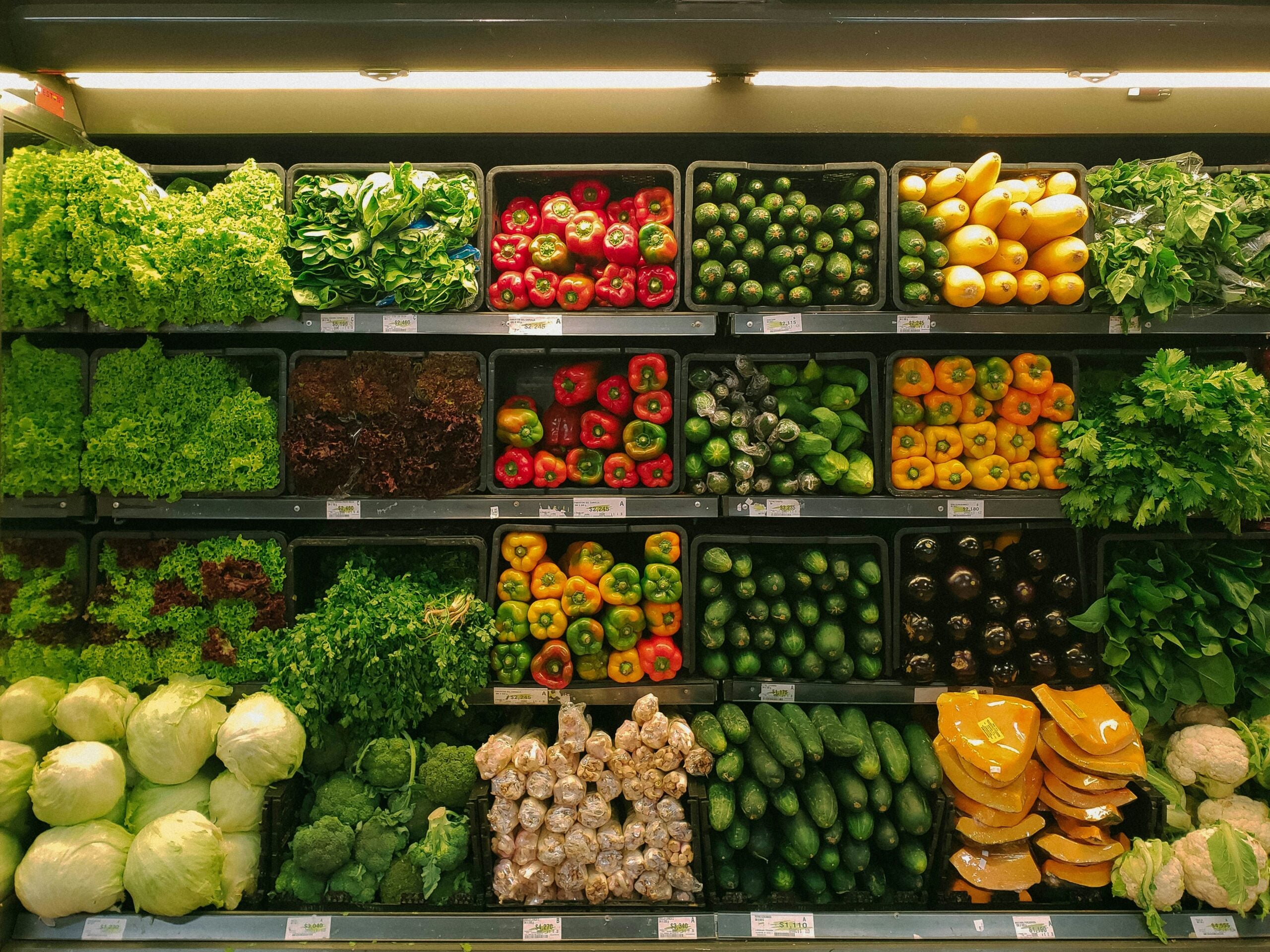
Sales are tempting, especially when pantry items have long shelf lives. But if you're not actually going to use five boxes of couscous before the year's out, it's not a good deal.
Only stock up on sale items you know you use regularly. Otherwise, you're paying to store food you'll eventually toss. A $2 item that ends up in the trash isn't a savings-it's a loss.
Plan at least one "pantry meal" per week
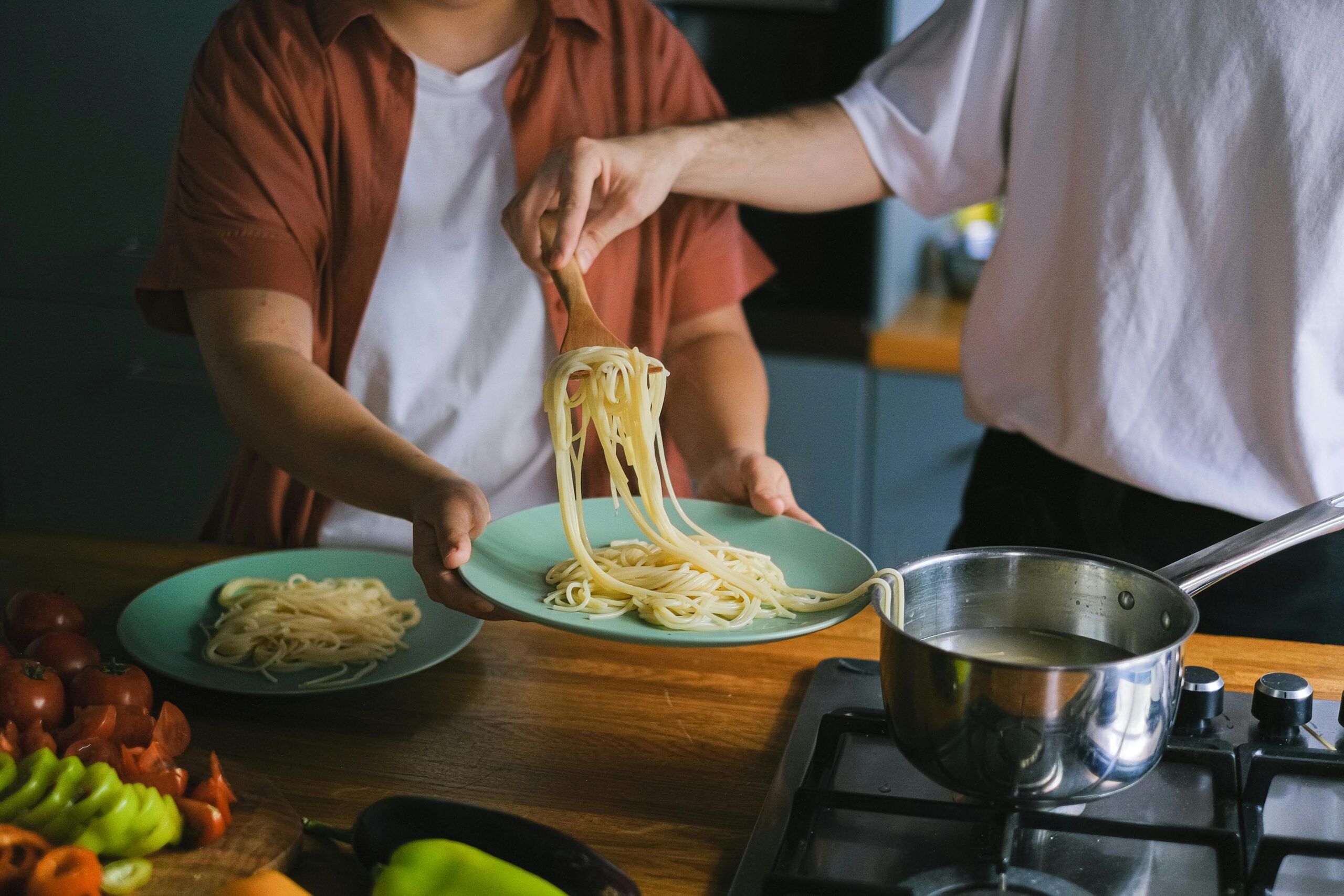
Once a week, skip the grocery list and make a meal using only what's already in the pantry and freezer. These nights clear out the odds and ends and force you to get creative with what you already have.
It's not always glamorous, but it keeps ingredients moving and prevents food from aging out. You'd be surprised how many meals you can pull together with canned beans, pasta, and spices when you're motivated to save a grocery trip.
Store backups in sight
If you like to keep backups of staples, keep them where you can see them-not buried in a deep shelf or back closet. When extras get hidden, it's easy to forget you even have them and buy more.
That's how you end up with three jars of peanut butter and none of the thing you actually needed. Keeping backups visible helps you buy less and waste less.
Use bins or baskets to corral loose items
Loose bags of rice, half-used spice packets, or single-serving snacks tend to fall through the cracks-literally and figuratively. Baskets help you keep categories together so small items don't get lost or go stale.
It doesn't need to be pretty. Even dollar-store bins do the job. When everything has a home, it's easier to keep track of what's in stock and what needs to be used up first.
Check expiration dates before grocery runs
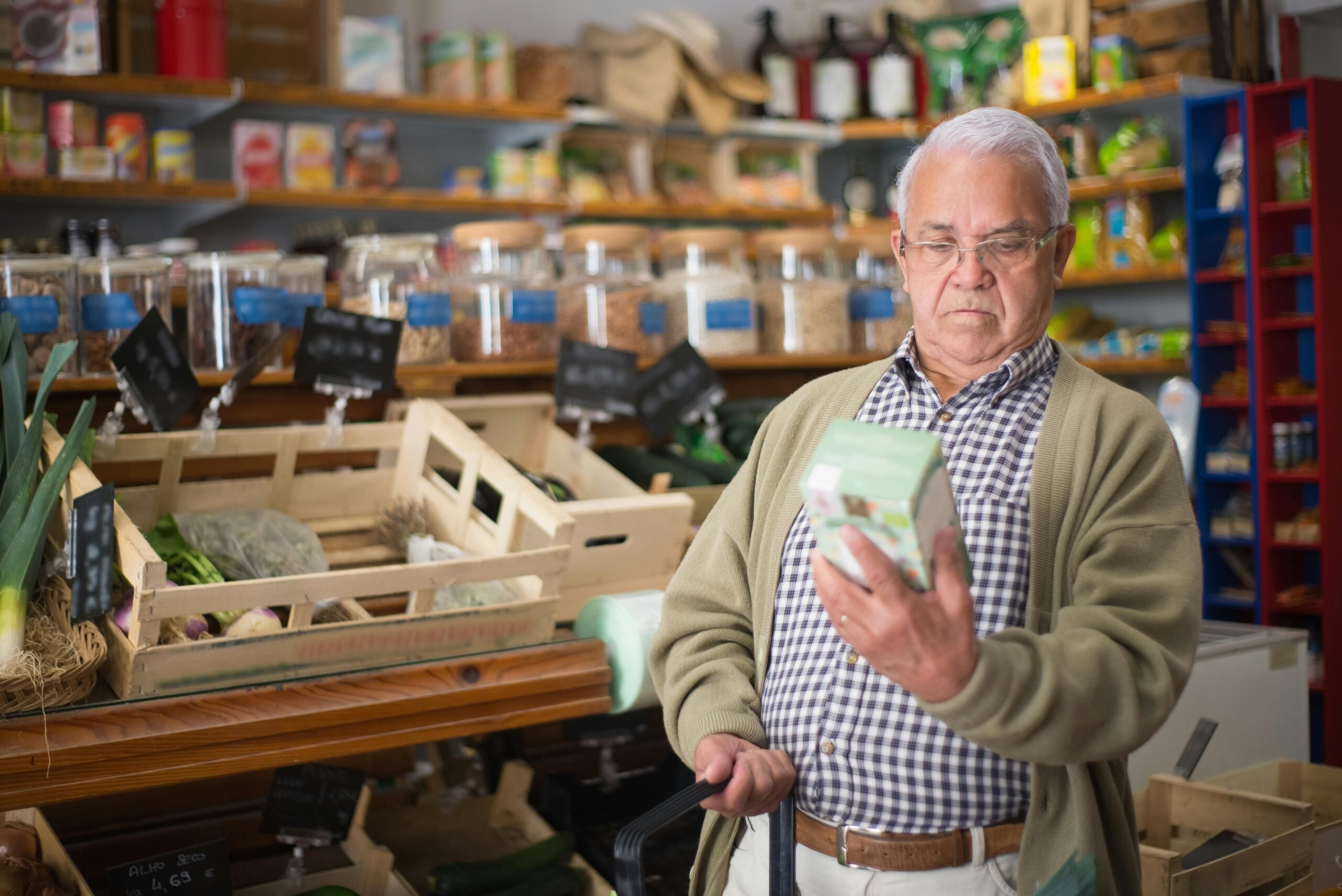
Before you shop, spend five minutes scanning your pantry. Check for anything close to expiring and plan to use it soon. This keeps food from getting wasted and reminds you what you don't need more of.
It also keeps you focused when you're shopping. Instead of guessing, you know what's already waiting for you at home-and what's about to go bad if you don't work it into the meal plan.
*This article was developed with AI-powered tools and has been carefully reviewed by our editors.






Leave a Reply