
14 Small Food Swaps That Save You More Than Couponing Right Now
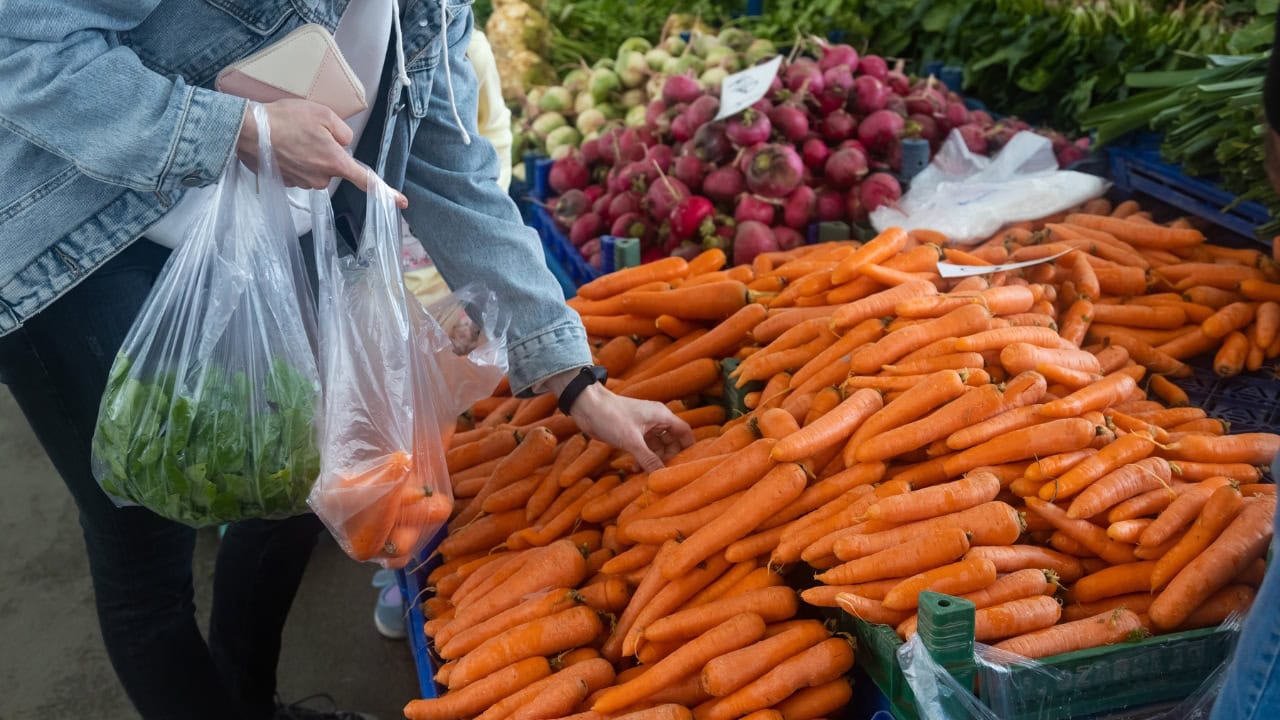
Tiny changes in what you buy and how you cook can save way more than clipping coupons, especially when you're feeding a family. These swaps don't require you to overhaul your whole meal plan-they just quietly lower the total without making dinner feel "less than."
Use what fits your house and ignore the rest. Even three or four of these can move your grocery bill in a noticeable way.
Choose bone-in chicken thighs instead of boneless breasts

Chicken breasts get all the attention, but bone-in, skin-on thighs are usually cheaper per pound and much more forgiving. They stay juicy in the oven, on the grill, or in a skillet, even if you're juggling kids and forget the timer for a minute.
Season them with salt, pepper, garlic powder, and paprika, then roast on a sheet pan with potatoes and carrots. Use leftovers for tacos, quesadillas, or casseroles. You still get all the protein, but you're paying less for meat that's actually harder to mess up.
Use dried beans once a week instead of canned
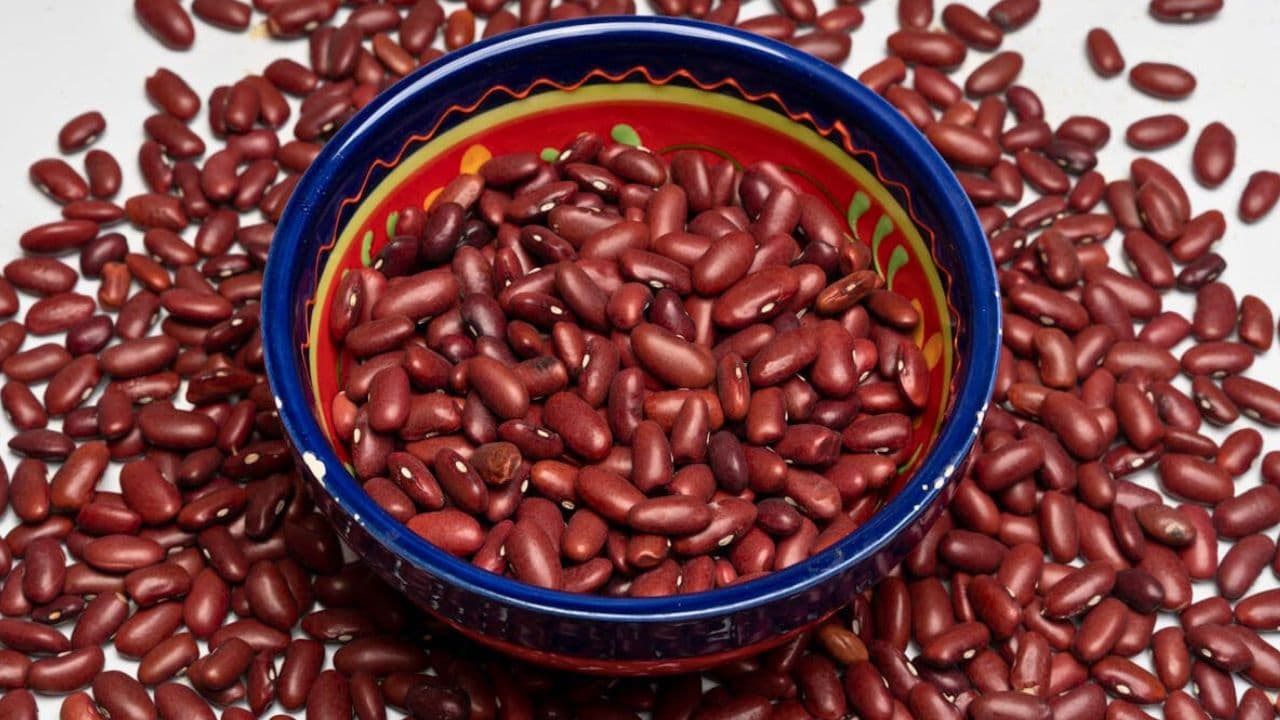
Canned beans are convenient, and there's nothing wrong with them. But a one- or two-pound bag of dried beans can stretch into multiple meals for just a few dollars.
Soak them overnight (or do a quick soak), then simmer with onion, garlic, salt, and a bay leaf. Freeze portions in containers so they're as easy to grab as canned. Use them in tacos, soups, burrito bowls, and chilis. One bag of dried beans can replace several cans and give you a lot more meals for the same money.
Swap boxed cereal for big-batch oatmeal a few mornings
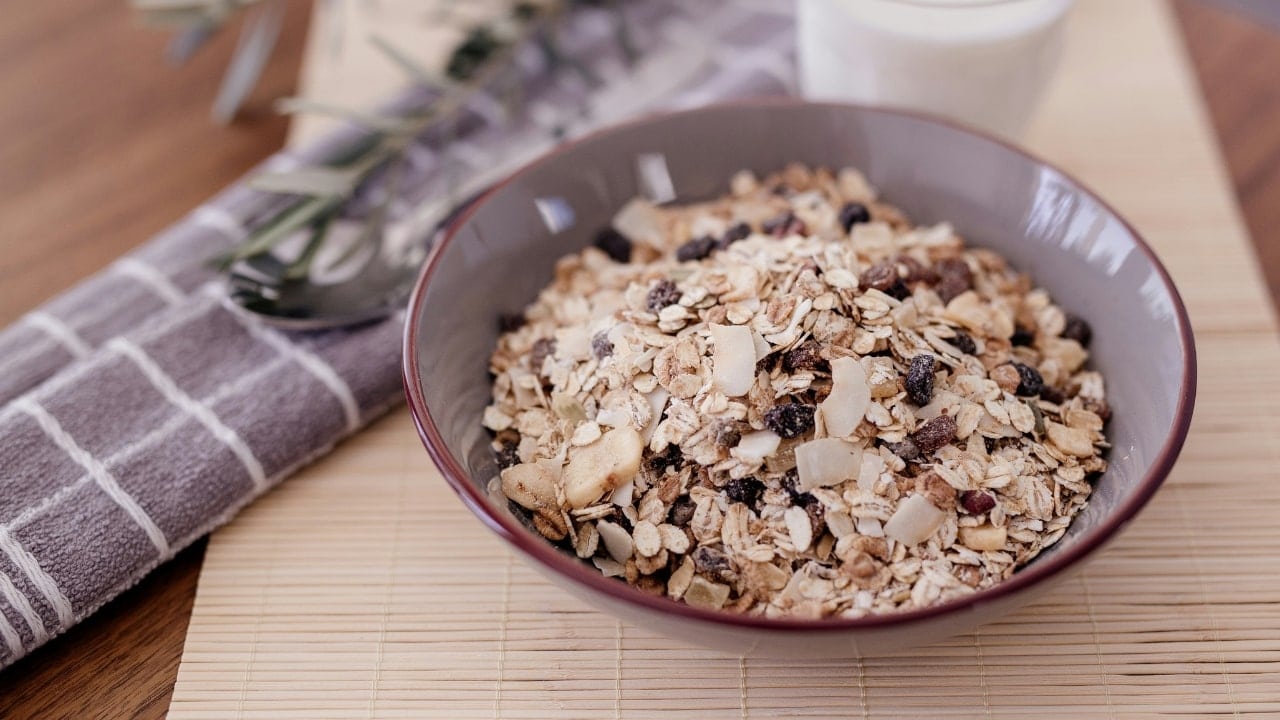
Cereal feels easy, but those boxes disappear fast. Swapping even two or three breakfasts a week for oatmeal makes a difference. Buy a big canister of old-fashioned oats, not the little flavored packets.
Cook them on the stove or in the microwave with milk or water, then add whatever you have-peanut butter, banana slices, cinnamon, a drizzle of honey, or frozen berries. You'll stretch breakfast dollars much further, and kids usually adapt quickly when there are fun toppings involved.
Grab frozen vegetables instead of out-of-season fresh
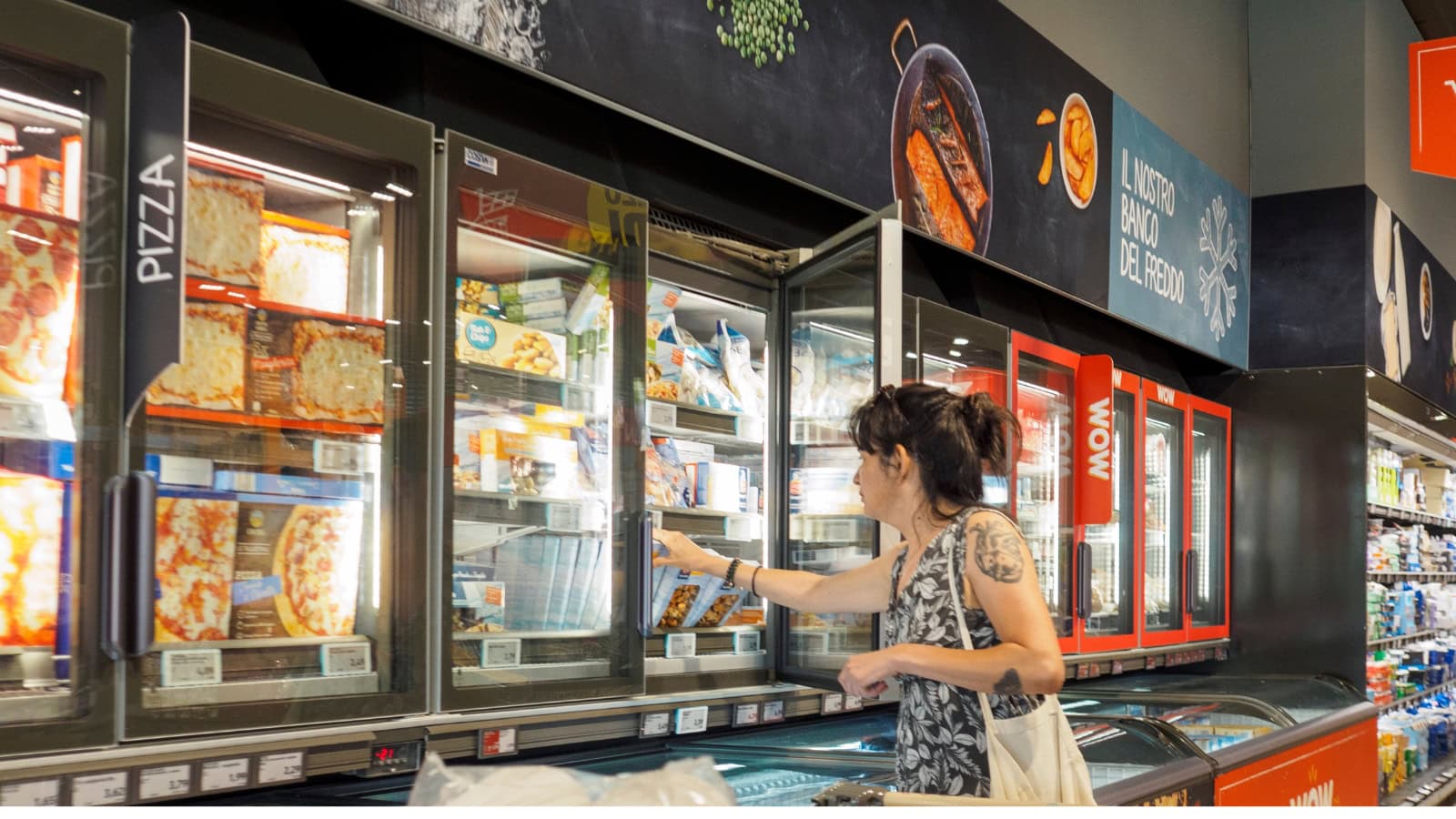
When certain vegetables are out of season, the quality drops and the price climbs. Frozen vegetables are usually picked at peak and flash-frozen, so you get good quality for less.
Keep bags of frozen broccoli, peas, mixed veggies, and spinach on hand. Toss them into pasta, soups, casseroles, and stir-fries. You're wasting less, paying less, and still getting color on the plate without babying delicate produce all week.
Pick whole carrots over baby carrots

Baby carrots are just regular carrots trimmed and tumbled into shape-and priced higher. A 2- or 3-pound bag of whole carrots is usually cheaper and more versatile.
Peel and slice them into sticks for snacks, coins for soups, and chunks for roasting. You can prep a whole bag in one go and keep them in containers of water in the fridge. Same crunch, more options, less money.
Swap jarred pasta sauce for canned tomatoes plus seasoning
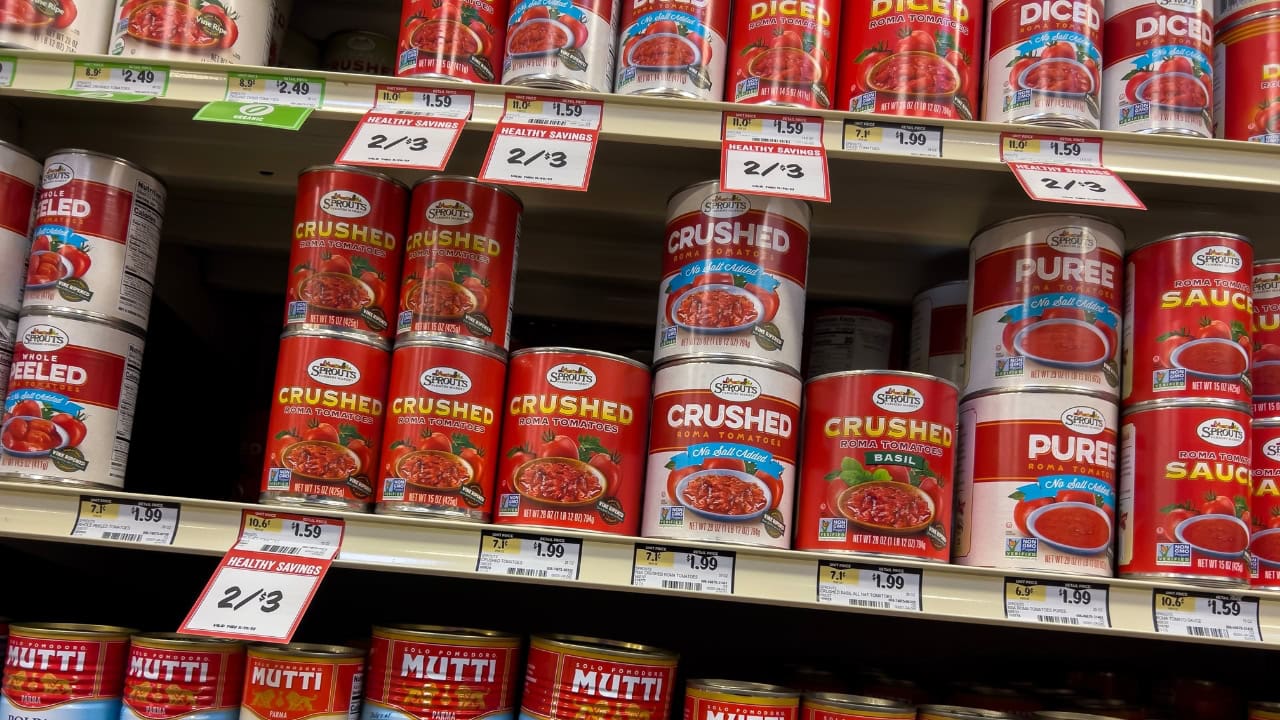
Jarred pasta sauce is convenient, but you can get a similar result with canned crushed tomatoes and a few pantry staples.
Sauté onion and garlic in oil, add a can or two of crushed or diced tomatoes, then season with salt, pepper, Italian seasoning, and a pinch of sugar. Simmer for 15-20 minutes. You can toss in cooked ground meat if you want. It's cheaper, you control the salt and sugar, and you can adjust flavors to what your family actually likes.
Use your own spice blends instead of packets
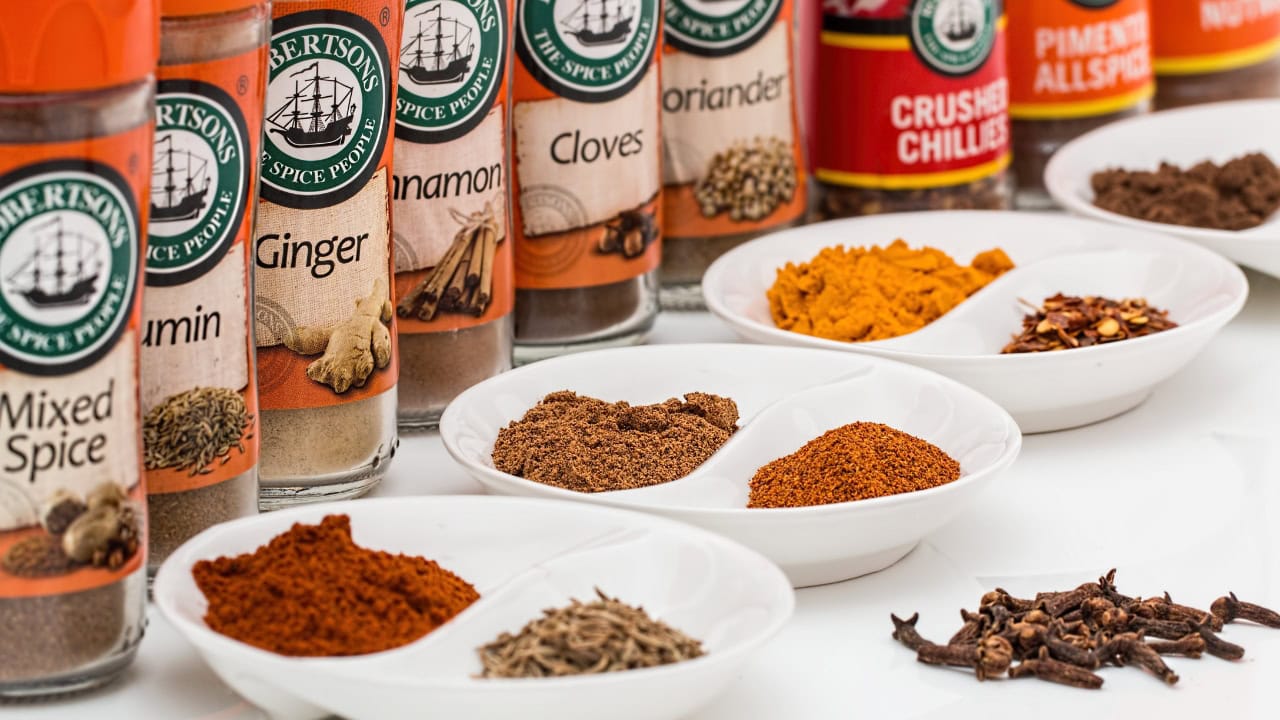
Taco seasoning packets, gravy mixes, and marinade packets seem cheap, but they add up-and you probably already own most of the ingredients.
For tacos, mix chili powder, cumin, garlic powder, onion powder, paprika, salt, and pepper. For gravy, use pan drippings, flour, and broth. Once you find a mix you like, write it down and keep it handy. You'll save per meal and cut down on those "I forgot seasoning packets" runs to the store.
Swap buns and specialty breads for basic tortillas sometimes
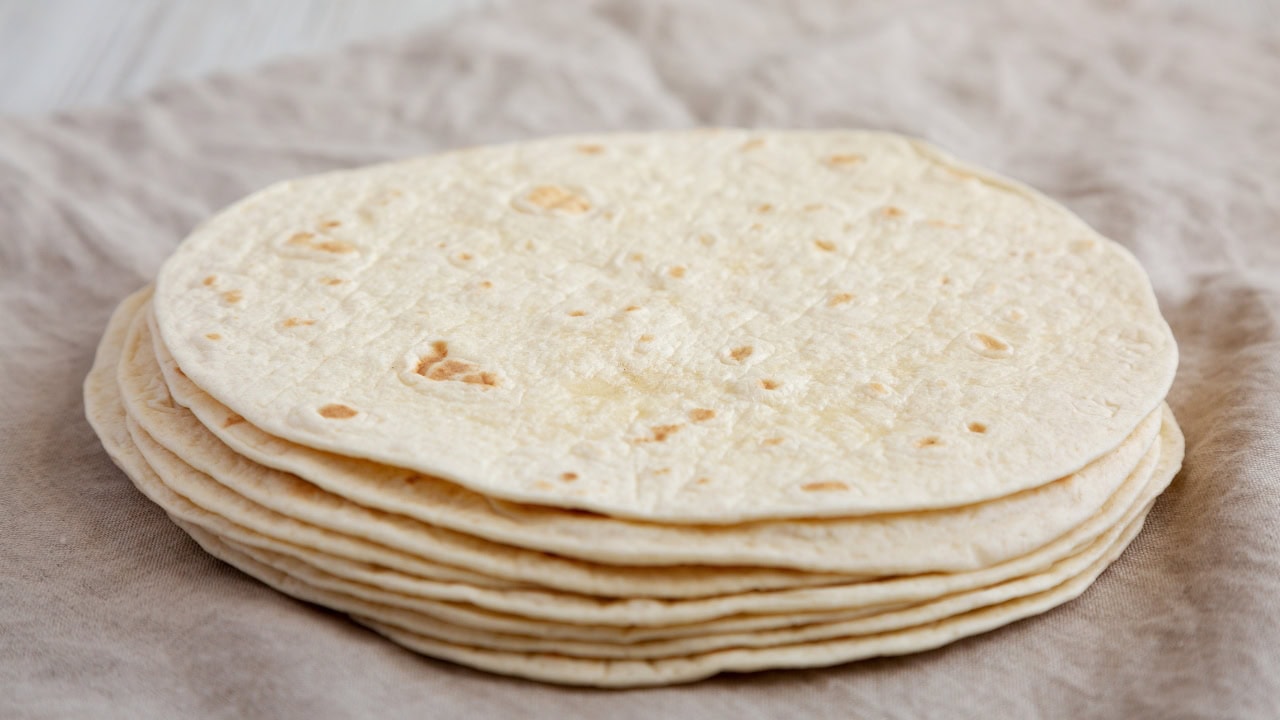
Buns, specialty rolls, and bakery breads are great, but they're not always budget-friendly. Flour tortillas are usually cheaper and last longer in the pantry or fridge.
Use tortillas for sandwiches, wraps, breakfast burritos, quesadillas, and even mini pizzas. You get handheld meals without paying for extra packaging and "gourmet" labels. Keep one good pack of tortillas on hand and you'll always have a way to stretch leftover meat and veggies.
Swap soda and juice for water, tea, or simple drink mixes

Drinks are one of the biggest silent budget drains. Instead of buying large amounts of soda, juice, and flavored water, pick one "fun" drink and keep everything else simple.
Use tap water with ice and lemon slices, make a big pitcher of iced tea, or use inexpensive powder mixes occasionally. Even cutting your drink spending in half frees up a surprising amount of grocery money over a month.
Choose in-season fruit instead of chasing your favorites year-round
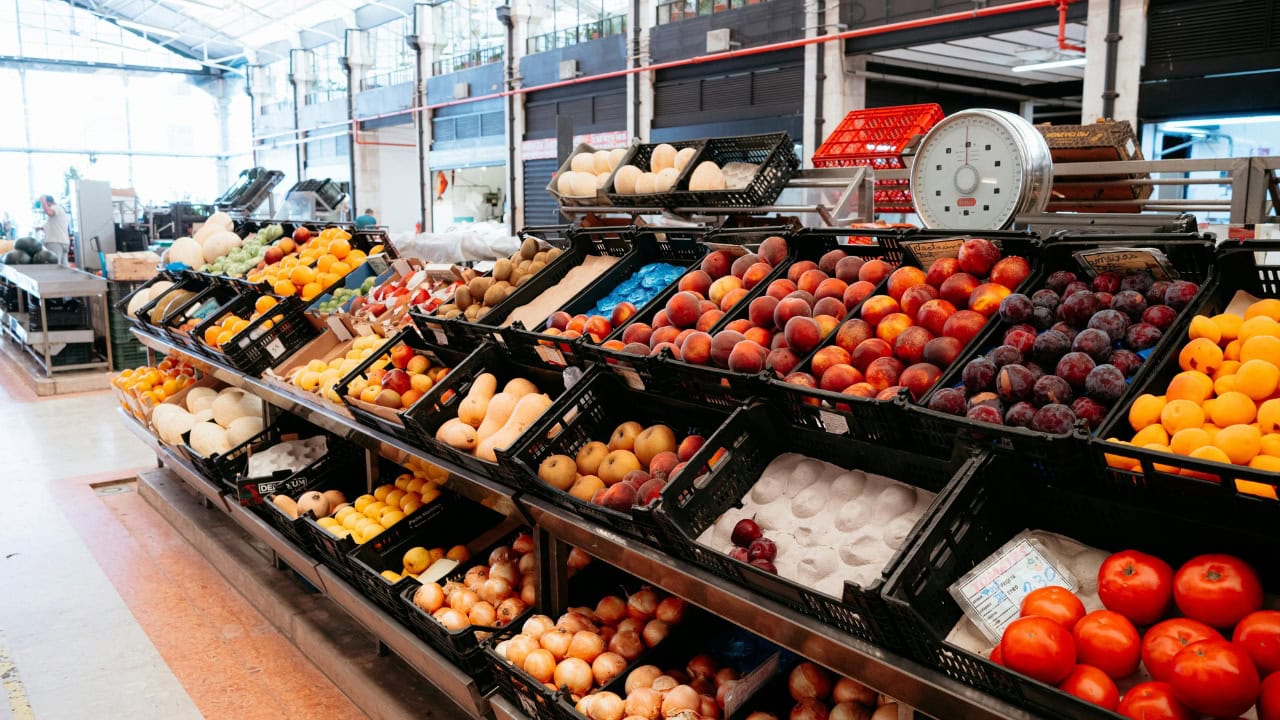
Strawberries and berries out of season are pricey and often underwhelming. Watch your store's produce section for what's cheap and abundant-apples in fall, oranges and citrus in winter, melons in summer.
Build snack trays and lunchboxes around those instead of forcing the same fruit all year. Kids usually adapt when there's still something sweet and easy to grab, and you're not paying top dollar for flavorless fruit that goes mushy fast.
Use eggs as a protein instead of meat once a week

Egg prices have bounced around, but they're still usually one of the most affordable proteins. Swap one meat-heavy dinner for an egg-based meal once a week: scrambled eggs and toast, breakfast burritos, frittata with leftover veggies, or egg fried rice.
You'll slash the cost of that night's dinner without making the meal feel skimpy. Most families are happy with breakfast for dinner, especially if you throw in hash browns or fruit on the side.
Turn leftover meat into soups, stews, or burritos
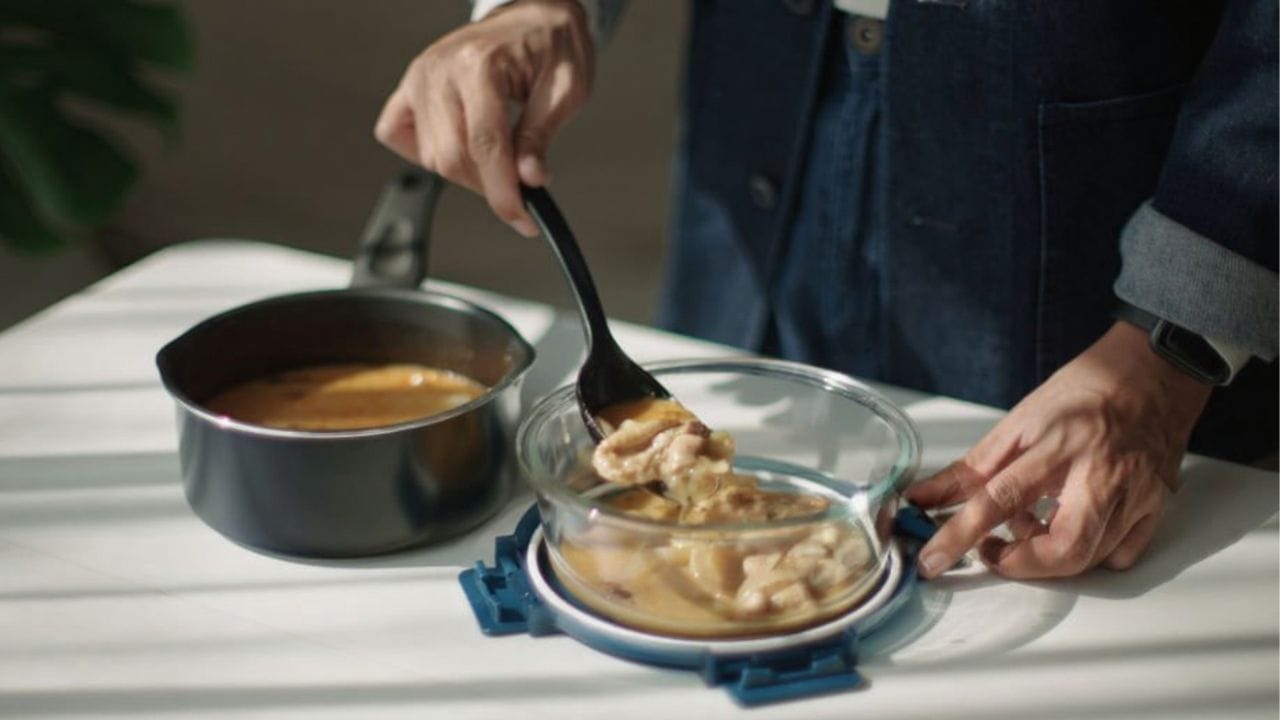
Instead of serving leftover meat as another full "meat and sides" plate, treat it like an ingredient. Shred leftover roast, chicken, or pork and use it in soups, stews, burritos, quesadillas, fried rice, or casseroles.
You'll stretch one night's protein across multiple meals. It's the same amount of meat, but you're getting more dinners from it. That keeps you from having to cook and buy meat fresh every single night.
Use plain yogurt in place of sour cream for multiple meals

Plain Greek or regular yogurt can stand in for sour cream in a lot of places-taco toppings, baked potatoes, creamy dips, and even some baking.
Buying one tub of plain yogurt that works for breakfast, snacks, and savory meals is usually cheaper than stocking both yogurt and sour cream. Just make sure it's unsweetened. Add honey or fruit when you want it sweet, and use it straight when you need a tangy topping.
Buy family packs of meat and portion at home
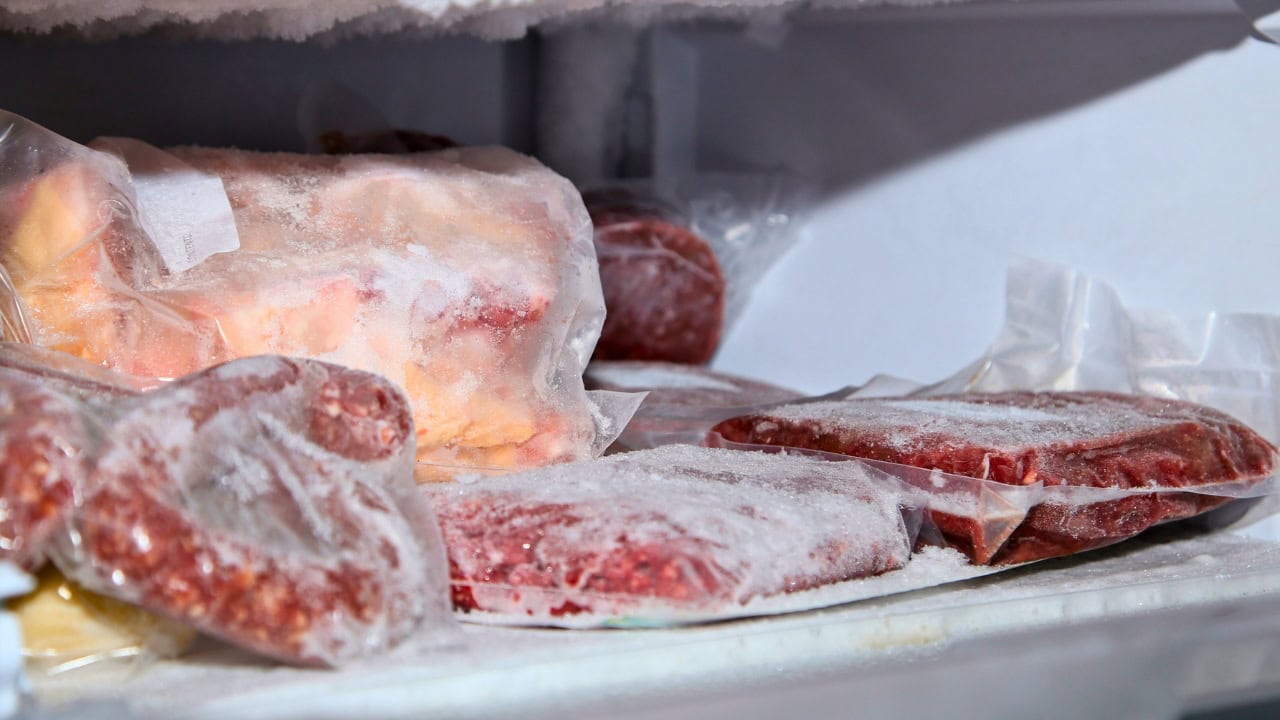
Instead of buying small packages, grab family-size packs of chicken, ground beef, or pork when the price per pound drops, and portion them into freezer bags at home.
Flatten the bags so they thaw quickly and label them with date and weight. You'll pay less per pound and have ready-to-go portions for tacos, spaghetti, soups, and casseroles. It feels like more work once, but it saves you money and time all month.
Like Thrifty Jinxy's content? Be sure to follow us.
Here's more from us:
How to Make Baby Yoda Cookies with Step-by-Step Instructions
Super Easy Biscuit Recipe with No Shortening
*This article was developed with AI-powered tools and has been carefully reviewed by our editors.





Leave a Reply