
14 Amazon habits that save more than waiting for Prime Day
Prime Day gets all the attention, but most of us are overspending on Amazon the other 363 days of the year. The truth is, you don't have to wait for a big event to get good prices.
A lot of the savings come from how you use the site-what you search, when you buy, and how much you let Amazon "suggest" for you. Small habits add up fast, especially on a site that makes it way too easy to tap "Buy Now" without thinking.
Here are 14 habits that save more over a year than one big sale week ever will.
1. Treat "Buy Now" like it's locked unless it's a true need
That little yellow button is designed for impulse. One of the easiest ways to save is to avoid using it at all unless it's a genuine emergency or a replacement you've planned in your budget. Instead, add things to your cart and leave them there. Let the cart be your "thinking zone," not your checkout line.
When you come back the next day, you'll see your picks with fresher eyes. Half of them won't feel worth the money anymore, and you've just saved yourself from paying full price for things that were honestly just a mood.
2. Use "Save for later" as a cooling-off shelf

If you're not sure about something, hit "Save for later" instead of deleting it or buying it. It's a holding pen for all those "maybe" items. Once a week, scroll through that section and ask: would I still pay real money for this today?
If you're lukewarm, remove it. If it still feels worth it, you can watch the price for a bit or build it into your next planned order. This habit keeps your cart focused on what you're actually ready to buy and turns "Save for later" into a cheap filter for impulse wants.
3. Always sort by "Price: Low to High" + filter by rating
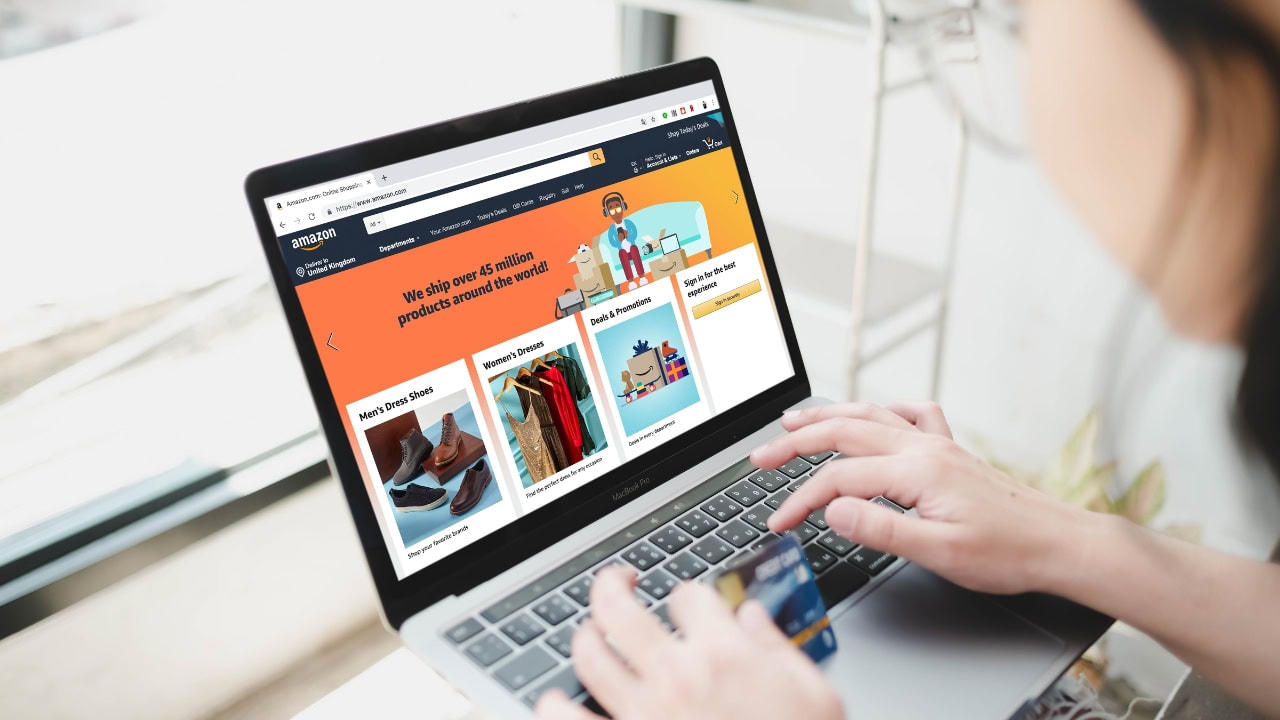
When you search for something generic-like "bath towels" or "kids' water bottle"-Amazon loves to shove sponsored and name-brand items in your face. Before you get sucked in, change the sort to "Price: Low to High," then filter for at least a 4-star rating.
Now you're seeing budget-friendly options that other people actually like, not just the ones paying for placement. It takes an extra 20 seconds, but it keeps you from grabbing the first cute thing with a big ad badge and paying more than you really need to for an everyday item.
4. Check "other sellers" instead of defaulting to the first option
On a lot of listings, Amazon automatically shows you one seller, price, and shipping combo-even when there are other offers. Look under the "Buy Now" and "Add to Cart" buttons for a link that says something like "Other sellers on Amazon." Clicking that can show you cheaper prices, better shipping, or even the same item without the "premium" attached.
Sometimes the difference is tiny, and sometimes it drops several dollars off your total. It's a quiet way to save without changing a thing about what you're buying-just who you're buying it from on the same listing.
5. Use the subscribe-and-save only on stuff you truly go through regularly

Subscribe-and-save can help, but it can also quietly send you things you're not using anymore. Limit subscriptions to products you burn through consistently-diapers, pet food, certain cleaners, trash bags, your exact shampoo. If you're still half-full when the next shipment arrives, skip or cancel.
Do a quick review every month or two and ask, "Are we still using this like we thought we would?" Cutting just a couple of "set it and forget it" subscriptions that no longer fit your life can save more than any one-time discount code.
6. Put big purchases on a 48-hour hold and watch price changes
For anything over a certain amount-say $50 or $100-make a personal rule that you wait 48 hours before checking out. During that time, a few things happen: you might notice the price dip, you might find a better option, or you might realize you don't need it right now. If the price goes up, that's good information too; it tells you it's not a must-have at the moment.
This simple waiting period keeps big buys from being knee-jerk reactions and turns them into actual decisions you're comfortable with when the charge hits your card.
7. Use wishlists as planning tools, not "someday" clutter

Create a few specific wishlists instead of one giant junk drawer-things like "Kids' birthdays," "House upgrades," "Gift ideas," or "Next year's school stuff." When you see something you like, park it in the right list. Then, when a small sale, coupon, or gift card comes along, pull from those lists first instead of browsing from scratch.
You're no longer shopping out of boredom; you're shopping from a pre-thought-out list of things that already passed your "this is actually useful" test. Over a year, this alone can be the difference between a cluttered house and purchases you're glad you made.
8. Compare Amazon's price with at least one other store
Before you tap "Place your order," check the same item at one other retailer-Walmart, Target, Costco, or the brand's own site. You don't have to do this for every $8 purchase, but for bigger or frequent buys, it's worth a peek. Sometimes Amazon is cheapest.
Other times the price is inflated and you're paying extra for convenience. A quick search tells you if Amazon really is the best deal or if you're better off grabbing it locally or from another website where you might earn cash back or loyalty rewards you actually use.
9. Let digital credit pay for "nice to have" buys

Sometimes Amazon offers small credits-like "No-rush shipping" rewards, Kindle or digital credits, or occasional promos. Instead of letting those vanish into random spending, give them a job. Use those credits only on things that are fun but not essential: a movie rental, a book, or a small treat. That way, your actual debit or credit card stays focused on needs and planned purchases.
It's a mindset shift: real money for real-life priorities, digital "free" money for extras. It keeps your budget cleaner and your guilt a lot lower when you do decide to grab something just for fun.
10. Turn off most of the marketing emails and notifications
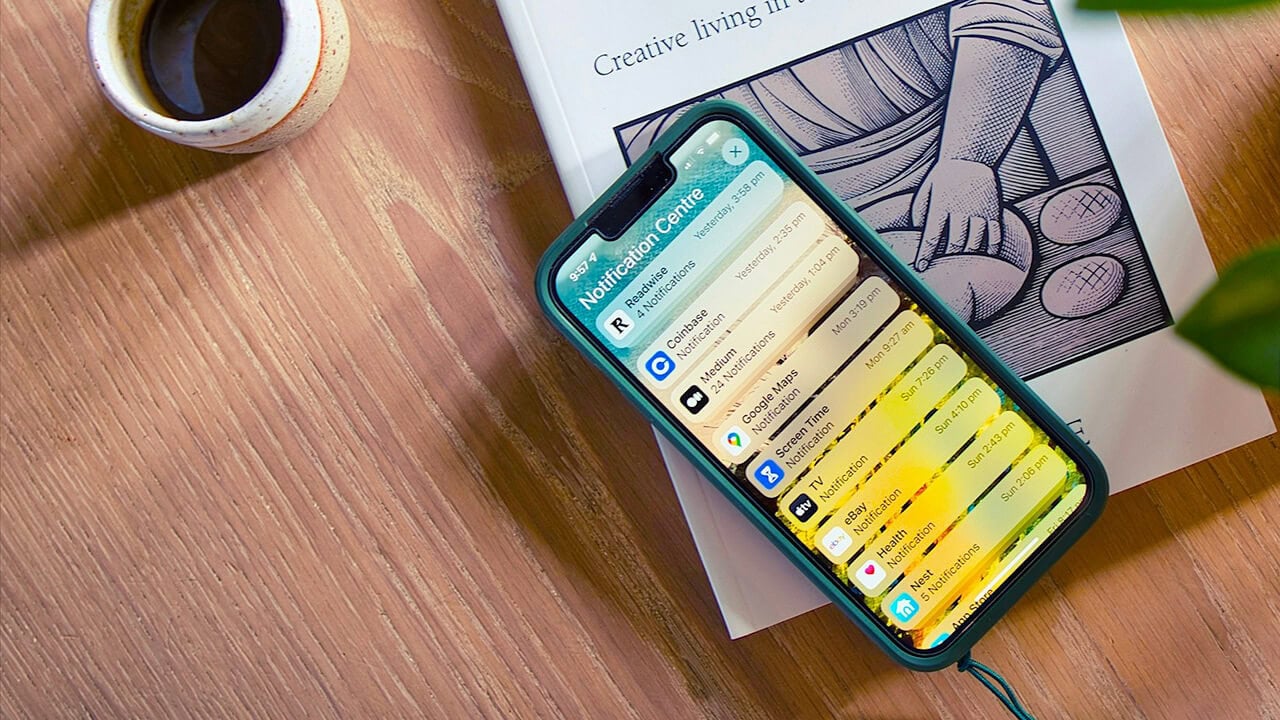
Those "flash deal" and "you might like this" emails are built to make you feel like you're missing out if you don't click. Turn off the ones you don't truly need. You can always go looking for a deal when you have something specific in mind.
What you don't need is a constant drip of "limited time" offers pulling you back to the site when you weren't planning on buying anything. Less exposure to random temptations means the shopping you do on Amazon is driven by your needs and plans, not by whatever they're pushing on a Tuesday afternoon.
11. Use price trackers or at least keep an eye on "was" prices

You don't have to get super technical, but if you tend to buy the same types of things-kids' shoes, specific cleaning refills, pet supplies-it helps to know their normal range. Some people like using browser tools or trackers. If that's not your thing, just notice how often the "was" price looks suspiciously high compared to what you've seen.
Over time, you get a sense for when something is genuinely on sale vs "on sale" from a made-up original price. That awareness alone can keep you from falling for fake discounts that aren't actually saving you anything.
12. Stop letting Amazon be your default "I need it today" solution
It's easy to assume Amazon is the fastest option, but with shipping delays and limited stock, that's not always true. Before hitting checkout for some urgent item, ask: do I actually need this tomorrow? Could I grab it at Walmart while I'm already in town? Is there a backup I can use for a few days?
Getting out of the habit of treating Amazon as your emergency button means fewer rushed orders, fewer "filler" items you add to hit free shipping, and more intentional buying. Over time, it also makes you better prepared at home so fewer things feel like emergencies.
13. Use one payment method on Amazon that you track closely
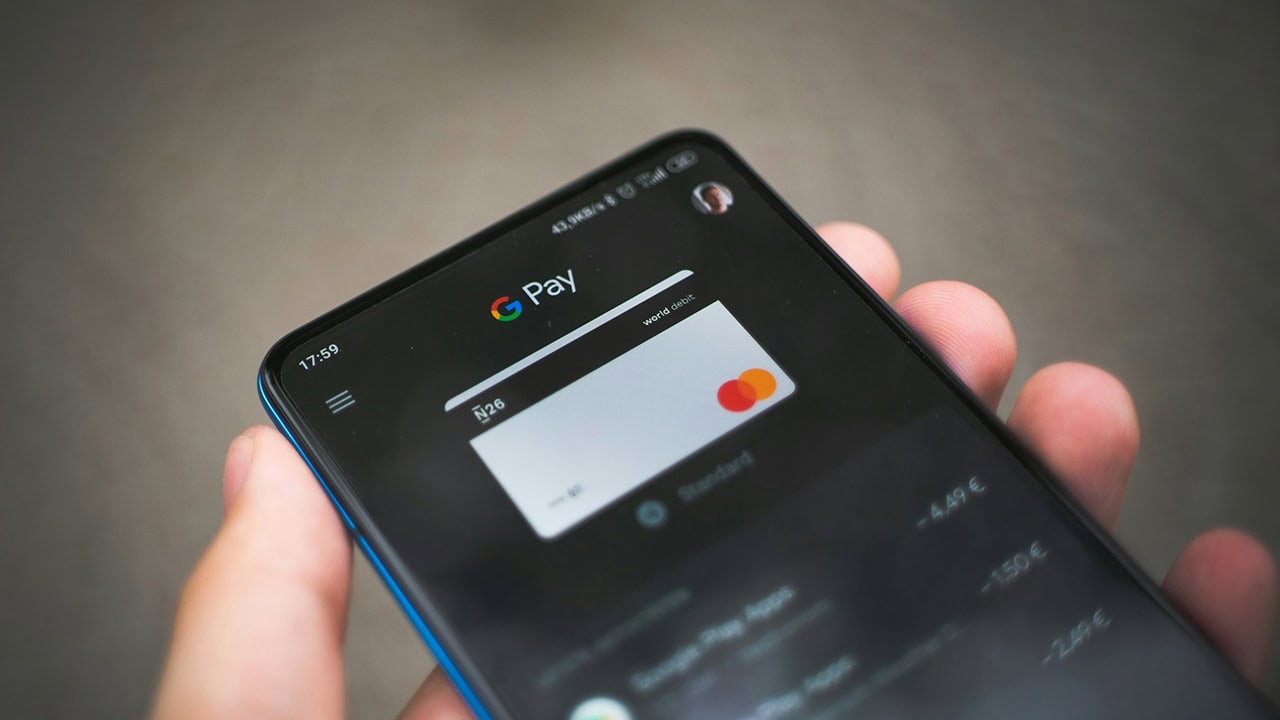
Instead of letting Amazon charges scatter across different cards and accounts, funnel them through one payment source-like a specific credit card or separate checking account you watch closely. When all your Amazon spending lives in one place, it's easier to see patterns: where you're overspending, which categories keep popping up, and how often you're placing orders.
That clarity alone helps you cut back, because you're no longer guessing what "roughly" goes to Amazon every month-you're staring straight at the real number and making adjustments with actual information.
14. Decide ahead what Amazon is for in your life-and stick to it

Amazon can be your emergency backup, your "we live far from town" helper, your main place for certain hard-to-find items-or it can be the place where money quietly leaks out in boxes that show up three times a week. Decide what role you want it to play. Maybe it's only for household staples, gifts, and specific gear.
Maybe you stop buying clothes there entirely. Giving yourself a clear purpose for Amazon keeps it from becoming the default answer every time a want pops into your head, and that alone saves way more than one big sale day ever will.
Like Thrifty Jinxy's content? Be sure to follow us.
Here's more from us:
How to Make Baby Yoda Cookies with Step-by-Step Instructions
Super Easy Biscuit Recipe with No Shortening
*This article was developed with AI-powered tools and has been carefully reviewed by our editors.






Leave a Reply