
13 shopping tricks that keep you from ever paying full price again

Paying full price all the time is mostly a habit-not a requirement. Stores are set up to make "right now" feel like the only option, but there are patterns, tools, and tiny decisions that can quietly slash what you spend without turning you into a full-time deal hunter.
The goal isn't to chase every discount. It's to build simple tricks into how you already shop, so you save money even when life is busy and your brain is tired.
Here are 16 shopping habits that make "full price" the exception instead of the rule.
1. Treat full price as a pause button, not a green light

Instead of seeing full price as normal, train your brain to see it as a red flag. If something isn't marked down, your default response becomes "not yet," not "add to cart."
That doesn't mean you never buy it; it means you pause. You check if there's a sale cycle, a coupon, or a cheaper store. You put it on a list instead of grabbing it in the moment.
Over time, this one mindset shift cuts impulse buys, forces you to compare options, and makes you more aware of how often things get discounted if you're willing to wait just a little bit.
2. Use wishlists and carts as holding pens, not buying zones

If you shop online, your cart and wishlists should be where ideas live-not where purchases automatically go through. When you see something you like, add it to a list instead of checking out. Let it sit there for at least a few days.
In that time, you can watch for a price drop, a coupon code, or just lose interest. A surprising number of "must-have" items stop feeling important once they've aged in your cart.
The ones that still feel worth it after a week are better candidates for your actual money-and you'll often hit a sale window while you wait.
3. Learn your favorite stores' sale rhythms

Most big stores repeat sale patterns: certain categories rotate on promo every few weeks. If you shop regularly at places like Target, Walmart, Costco, or your favorite grocery chain, start paying attention.
When did laundry detergent go on sale last? How often does meat drop to a stock-up price?
Once you spot the rhythm, you can time your purchases to those dips instead of grabbing items whenever you run out.
It doesn't mean hoarding; it means buying an extra or two when it's cheap so you can skip the high-price weeks and ride the sale cycle instead.
4. Watch unit prices, not "value size" labels

Stores love to slap "family size" or "value pack" on packaging, but the bigger bag or box is not always the better deal. The tiny line on the shelf tag-the unit price per ounce, pound, or count-is what actually matters.
Make it a habit to glance at that number before you grab anything. Sometimes the smaller store brand beats the giant name-brand pack. Sometimes single cans are cheaper than the multi-pack.
Once you start making decisions based on unit price instead of marketing, you stop being the ideal customer and start being the one who quietly pays less for the exact same things.
5. Shop markdowns first, then fill in the gaps

Instead of walking into a store with a rigid list and ignoring the deals, flip it. Start by checking markdown meat, bakery discounts, clearance shelves, and manager's specials.
See what's actually cheaper today-chicken thighs, pork loin, day-old bread, dented cans, seasonal items. Then build your meals and list around what you found. You still get what you need, but your highest-cost categories-meat, snacks, baked goods-get trimmed down by whatever is marked down.
This approach works especially well if you're flexible about brands and willing to swap "chicken tacos" for "pulled pork sandwiches" when the price is right.
6. Use store apps for in-app coupons, not mindless scrolling

Most store apps have built-in coupons and discounts that never show up on the shelf tags. Before you check out, pull up the app, search the items in your cart, and quickly tap any relevant offers.
You don't have to sit and clip every single thing. Focus on big categories: cleaning supplies, paper goods, snacks, and household basics. That extra five minutes can shave several dollars off a normal weekly trip.
Just be careful not to let the app talk you into buying "deals" you weren't planning on; the goal is to lower the cost of what you already needed, not add new temptations.
7. Stack one coupon with one sale and stop there
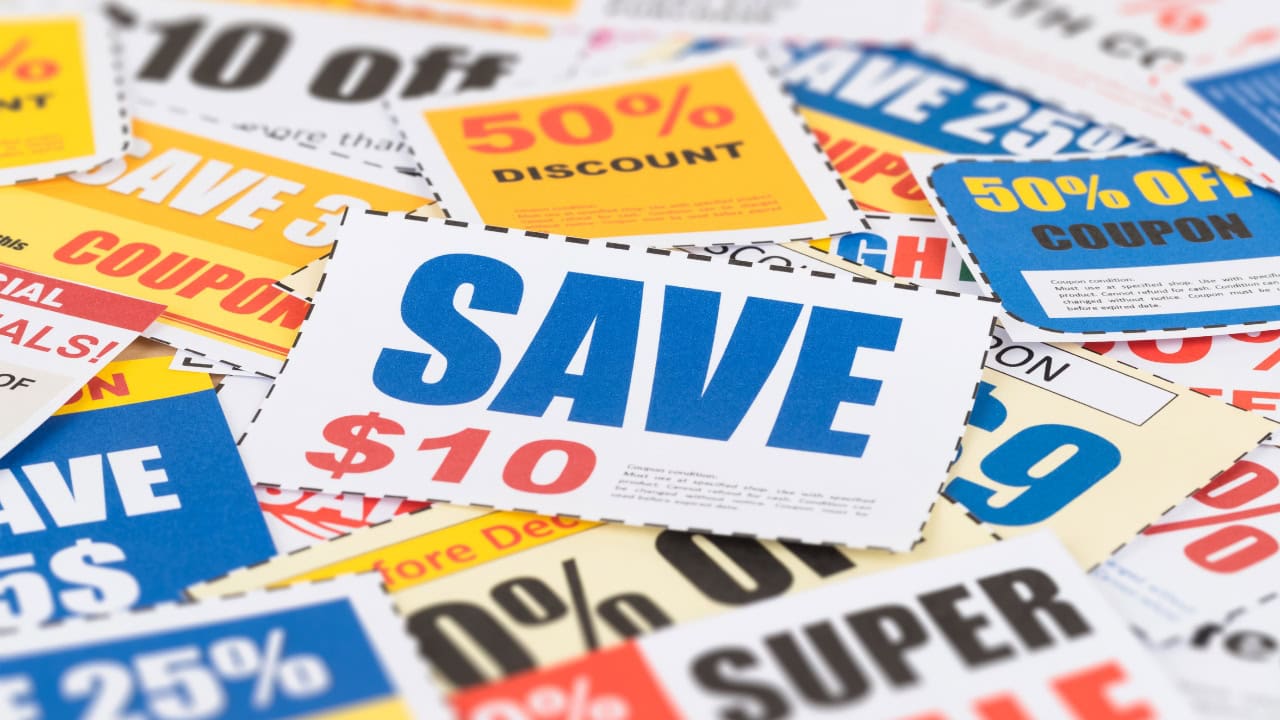
You don't need an entire binder to benefit from stacking. One of the simplest money-saving tricks is: sale price + one coupon or discount. That might mean using a manufacturer coupon on a sale item, or combining a store promo with a digital offer in the app.
If you also use a cashback app later, great-that's a bonus. But even keeping it to "buy on sale, add one extra discount" keeps the whole thing manageable while still cutting the price. You avoid overwhelm and still snag the kind of savings that make a real dent over a month.
8. Time big purchases to predictable sale seasons

Most big-ticket items have predictable sale times: appliances, mattresses, tools, electronics, even certain furniture categories. If you can limp along with what you have for a little longer, wait for those known sale windows instead of buying in the middle of a random month.
Make a short list of "big things we're likely to need in the next year"-like a new washer, laptop, or TV-and pair each with its typical sale season.
That way, when something starts to die, you're already watching for price drops instead of panicking and paying full price in the worst possible week.
9. Keep a simple "price memory" list for your top 10 items

You don't need to track every single thing. Pick your ten most common household buys-maybe your usual coffee, your go-to laundry detergent, toilet paper, kids' yogurt, or your favorite cheese.
Jot down their "good price" vs normal price in your notes app. When you're in the store or scrolling online, compare what you see to that mental benchmark. If it's above your normal number, you wait.
If it's at or below your "stock-up" price, you grab an extra. Having even a rough idea of what you usually pay makes flashy "Wow!" signs way less convincing.
10. Don't fall for "buy more" deals that don't actually fit your life
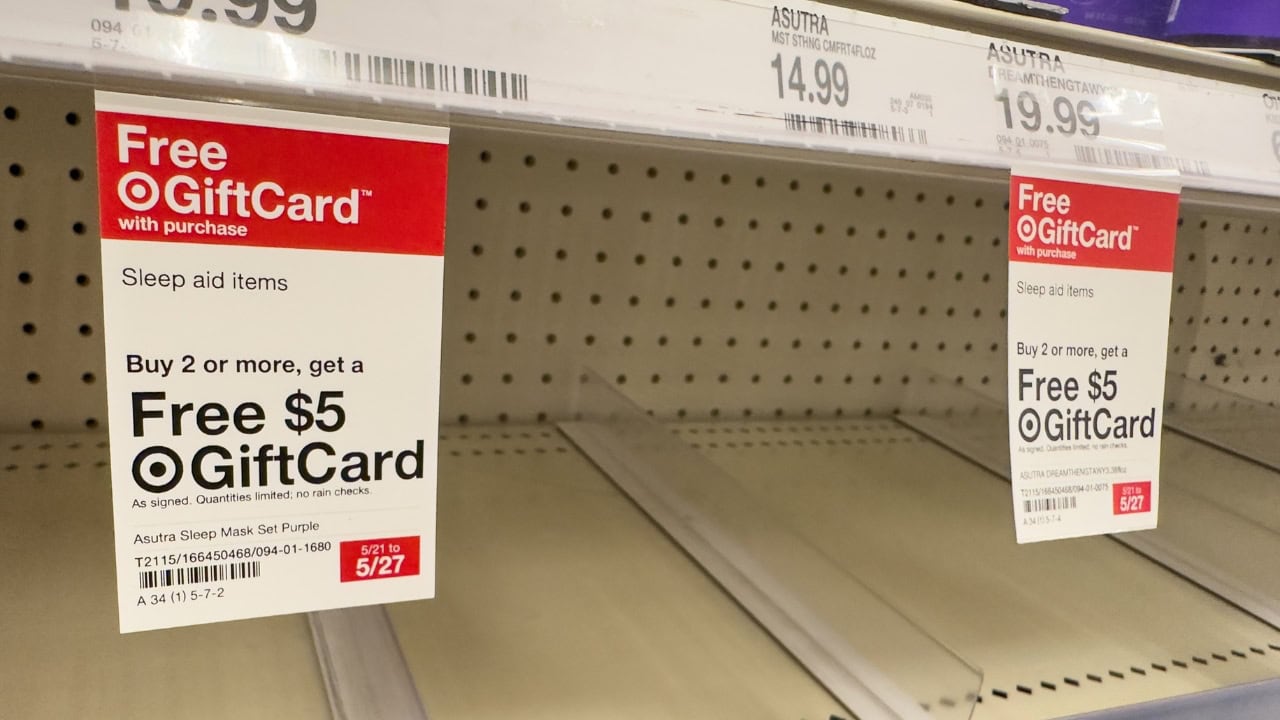
"Buy 3, get a gift card." "Buy 5, save $5." These can be useful-but only if you truly go through that many before the products expire.
Before you jump at any bulk deal, ask, "Will we use all of this in a reasonable time?" If the answer is no, you're not saving; you're trading your cash for clutter and waste.
It's better to grab one or two at a regular sale price you know you'll use than to overbuy just to trigger a promo. Real savings always include what you actually do at home, not what looks good on the shelf.
11. Use cashback apps on what you already buy-not as a shopping list
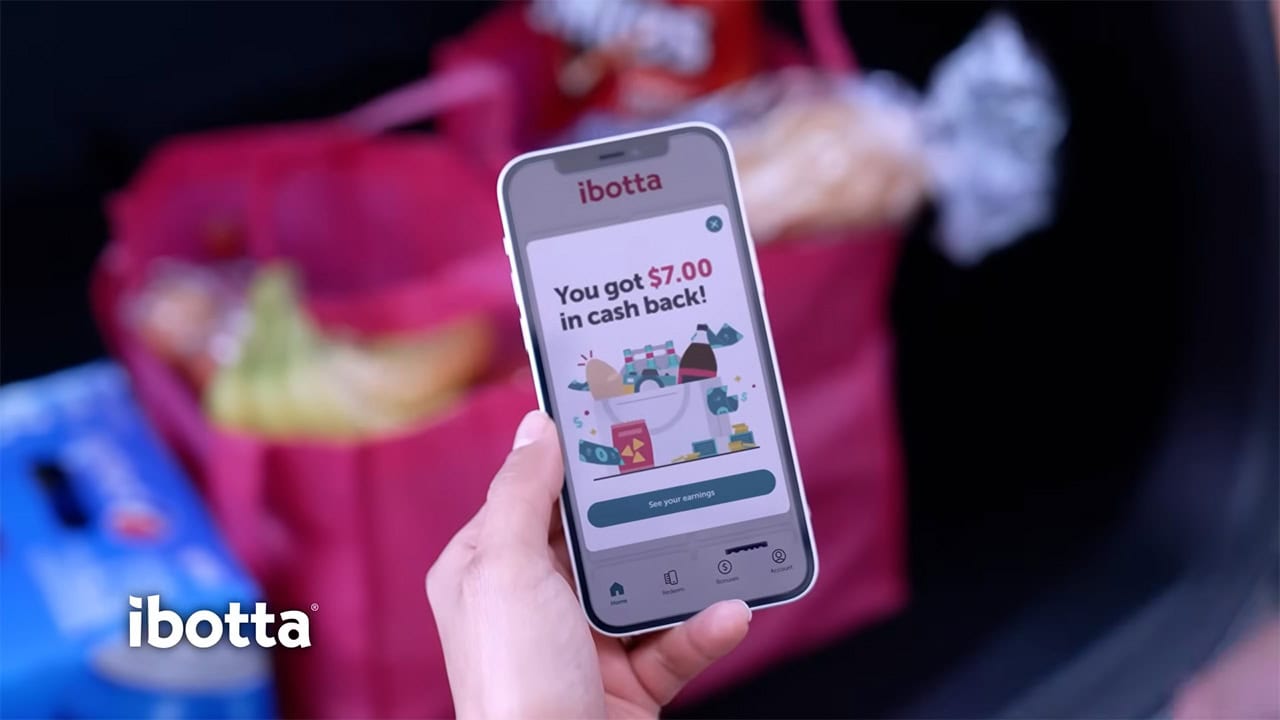
Cashback apps and receipt scanners can be helpful, but they become dangerous when you start shopping for the rebates. The safe way to use them is backward: shop the way you normally would, then check the app afterward and snap receipts for anything that qualifies. Over time, those little bits add up to gift cards or cash back without you buying random products just to get 75 cents. It turns into a quiet bonus layered on top of your other smart habits, not a reason to stuff your cart with things you never would have chosen.
12. Treat clearance as "maybe," not "must-buy"
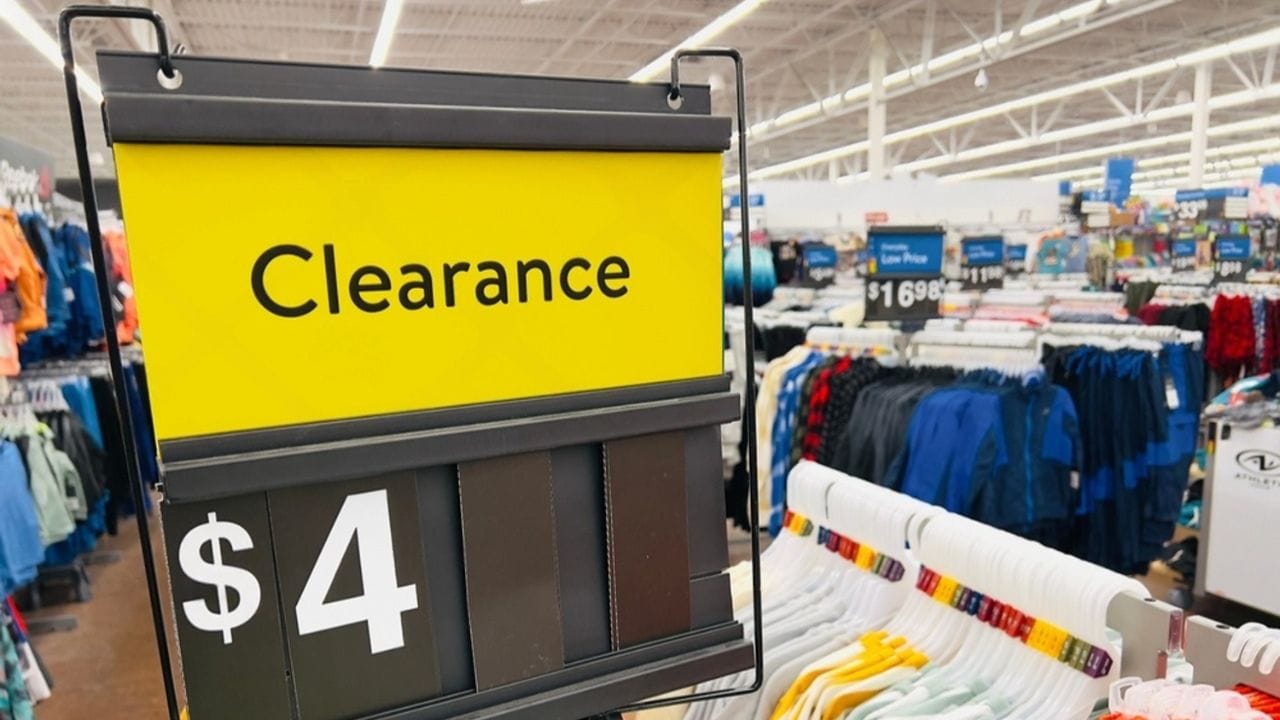
Clearance stickers are loud on purpose. It feels like you're losing money if you walk away. The trick is to treat clearance like any other section: useful if it lines up with your needs, off-limits if it doesn't.
Ask yourself: would I buy this at full price if money wasn't tight? Do I have a real use for it in the next month? If the answer is no, then even 70% off is still too expensive.
Clearance can absolutely save you money on kids' clothes, gifts, and seasonal décor-but only if you stay pickier than the price tag.
13. Use gift cards as mini sinking funds, not random treats

If you know you'll be spending at a certain store-like Target, Walmart, or Amazon-buying a small gift card ahead of time and labeling it for a specific purpose can keep you from overspending.
For example, a $50 "birthday gifts" card or a $75 "school supplies" card. When the card is gone, that category is done. It gives you a hard stop baked in, and it keeps those purchases from quietly leaking out of your regular budget.
You still take care of what you need to, but with a clear boundary around how much you're willing to spend.
Like Thrifty Jinxy's content? Be sure to follow us.
Here's more from us:
How to Make Baby Yoda Cookies with Step-by-Step Instructions
Super Easy Biscuit Recipe with No Shortening
*This article was developed with AI-powered tools and has been carefully reviewed by our editors.






Leave a Reply