
13 cleaning and laundry habits that save money without lowering your standards
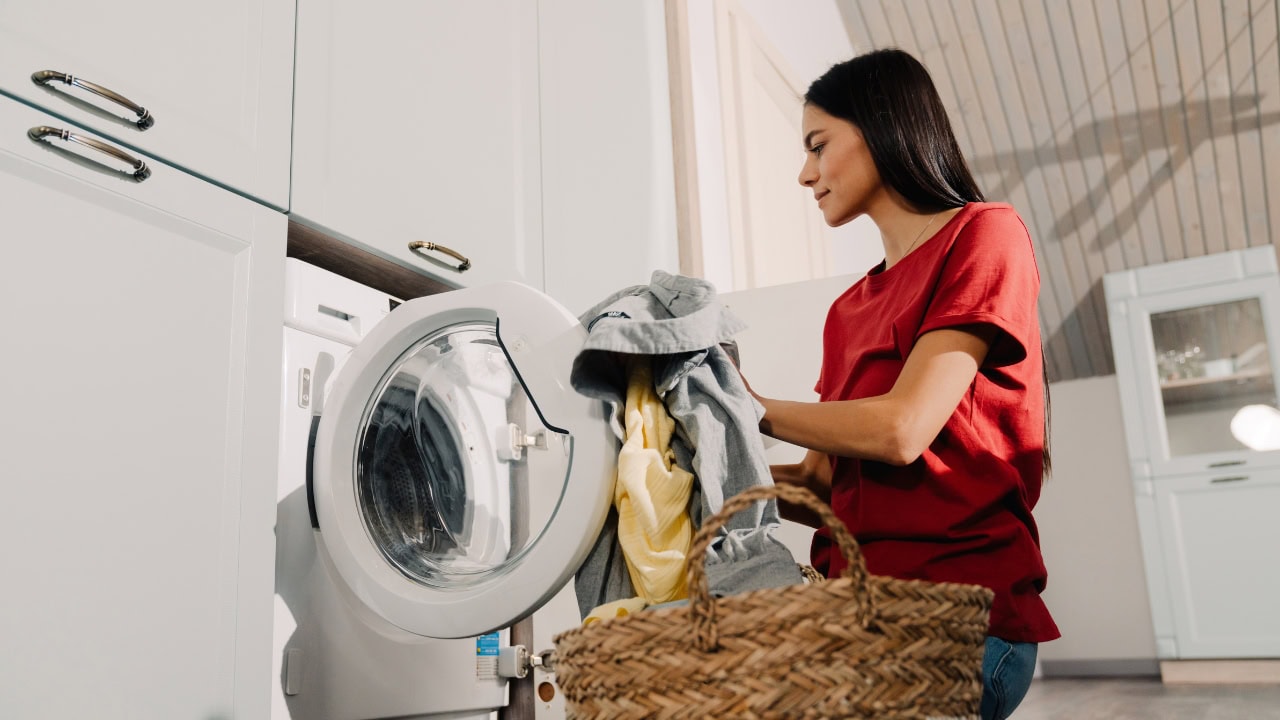
You don't have to live in a dusty, stained house to keep your bills down. A lot of the money-saving comes from what you don't waste-detergent, hot water, paper towels, fancy cleaners that all do the same thing.
These habits still keep things clean, they just stop your products, appliances, and clothes from burning through cash faster than they should.
Use less detergent than the cap tells you

Those giant caps are almost always measuring out more than you really need. Too much detergent leaves residue on clothes, makes them feel stiff, and can even gunk up your washer.
Try using half the recommended amount and see if anything actually looks or smells worse. Most of the time, things come out just as clean-sometimes cleaner.
You'll stretch every bottle way longer and your washer doesn't have to fight all that extra suds. That's real savings without lowering your laundry standards at all.
Wash most loads in cold water

Hot water is great for truly gross stuff-towels after sickness, grimy work clothes, bedding after accidents. But for everyday laundry, cold water usually does the job.
Modern detergents are built to work in cold now. You're not "cheating" by using it, you're just not heating gallons of water for no real reason.
Cold washes are easier on fabrics, colors, and your power bill. You'll replace clothes less often and cut back on energy use-all from hitting one different button.
Reserve heavy-duty cycles for when things are actually filthy

It's easy to just hit the same long, aggressive cycle every single time because it's the default. That cycle uses more water, energy, and beats up your clothes more than you need for a lightly worn t-shirt.
Save the heavy-duty option for towels, sheets, or truly dirty items. For everyday wear, switch to "normal," "quick," or "casual."
You still get clean clothes, but you're not paying extra in utilities and fabric wear for loads that didn't need a full power attack.
Hang-dry the things that wear out fastest
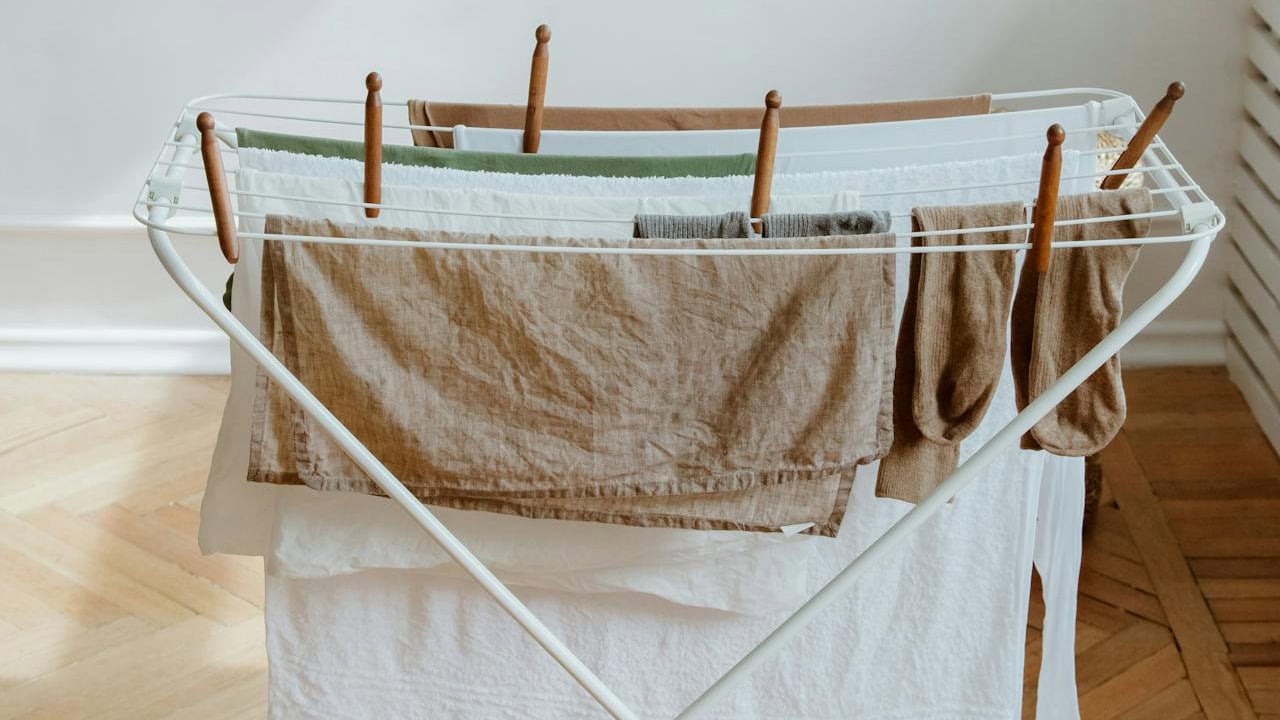
Dryers are hard on fabric. Anything with elastic, delicate fibers, or prints will thank you for skipping the heat.
Make a habit of pulling out leggings, sports bras, delicate tops, and pajamas and hanging them on a rack or shower rod. Let the rest go in the dryer.
This one shift stretches the life of the clothes you wear all the time. Less pilling, less shrinkage, and fewer "why did this fall apart already?" replacements.
Clean from top to bottom so you're not repeating work
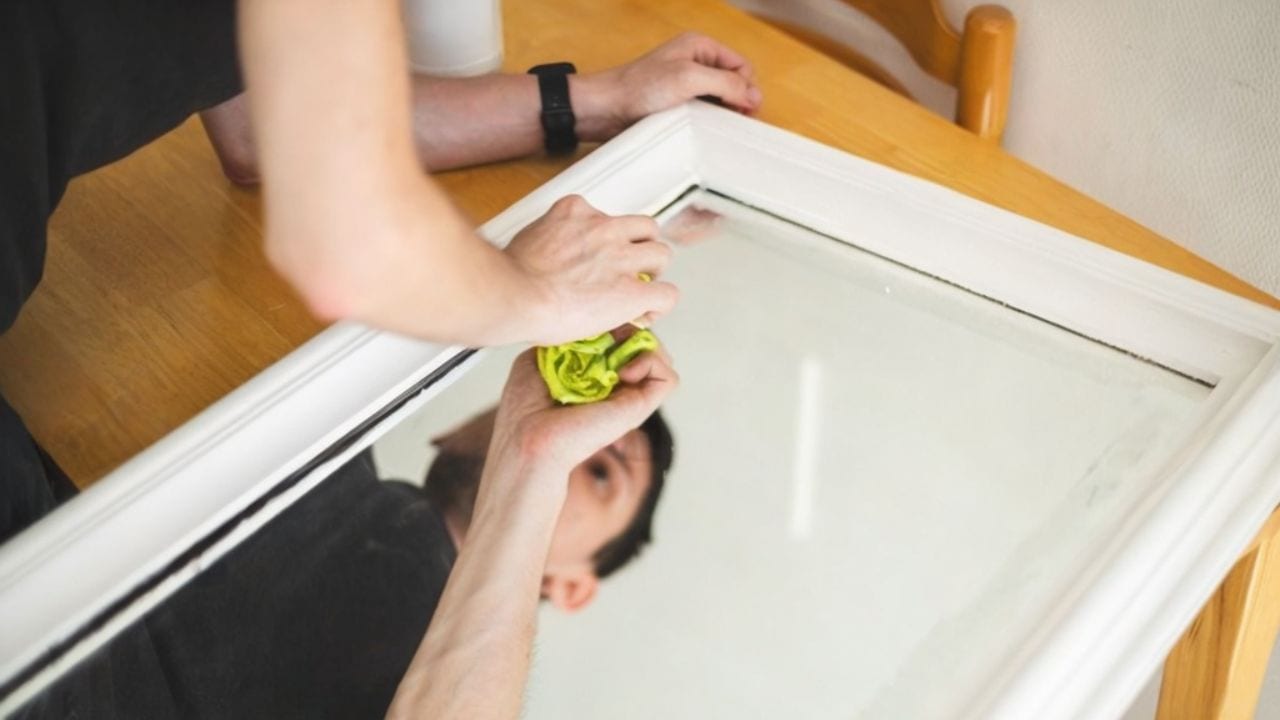
If you dust after you vacuum, you just threw more dust on the floor you already cleaned. Same with wiping counters after you've mopped.
Start high-ceiling fans, shelves, counters-then move to lower surfaces and floors. That way, when crumbs and dust fall, they're landing on something you haven't cleaned yet.
You're not scrubbing more; you're sequencing better. That means less repeating the same job, less product wasted, and less time cleaning overall.
Use one or two multi-purpose cleaners instead of ten specialty bottles

You don't need a different cleaner for every single surface in your house. A solid all-purpose cleaner and a gentle bathroom cleaner will handle almost everything.
Specialty products add up fast and crowd your cabinets. Most of the time, they're just the same base formula with different labels and scents.
Keep it simple. Find one or two workhorses you trust, then stick with them. Your house stays clean and your cart stops filling with "just in case" bottles.
Pre-treat stains right away with simple tools

Letting stains sit makes them harder to treat and more likely to ruin clothes and linens. You don't need a fancy spray for every spill, but you do need a quick habit.
Keep a basic stain remover or even a small bottle of diluted detergent where you change kids or near the laundry basket. When something gets stained, dab or spray it before it ever hits the hamper.
You'll save more clothes, use fewer "hail Mary" heavy treatments later, and toss fewer items into the "ruined" pile.
Clean your washer and dryer on a schedule

If the washer smells off or the dryer takes two cycles to dry, you're wasting product and power. That's not just annoying-it's money.
Run a washing machine cleaner or hot vinegar cycle once a month, wipe the door seal, and leave the door cracked to air out. For the dryer, clean the lint trap every load and the vent regularly.
Your machines will work better, use less energy, and last longer before they need repairs. That's quiet savings you feel over years, not days.
Dust and vacuum vents and returns regularly

Clogged vents make your HVAC system work harder and spread dust around faster. That means more cleaning and higher utility bills.
Dust or vacuum vents and returns when you do your regular cleaning. It doesn't have to be perfect-just enough to keep dust and pet hair from building up in thick mats.
Air moves better, your filter doesn't get overwhelmed as fast, and you're not constantly re-cleaning surfaces because the system is blowing dust right back into the room.
Keep entry mats and a shoe rule to cut cleaning in half

Most of the dirt, dust, and grit in your house comes from outside. Every bit you catch at the door is one you don't have to mop up later.
Use sturdy mats outside and inside your main doors. If you can, have a "mostly shoes off" habit for the main living areas, even if it's not super strict.
Less dirt in means fewer deep cleans, less wear on floors, and less need for heavy-duty products to scrub up the mess.
Spot-clean between big cleans instead of restarting the whole process

You don't need a full-blown cleaning day every time something gets a little messy. A lot of money gets wasted when people pull out alllll the supplies "since I'm here anyway."
Keep a small caddy with a few basics-glass cleaner or vinegar, all-purpose spray, cloths-in an easy spot. When you see toothpaste splatter or a sticky spot on the floor, hit it quickly and move on.
Staying ahead in small ways means you don't feel forced into weekend-long deep cleans that use half a bottle of everything.
Use baking soda and vinegar where they truly work
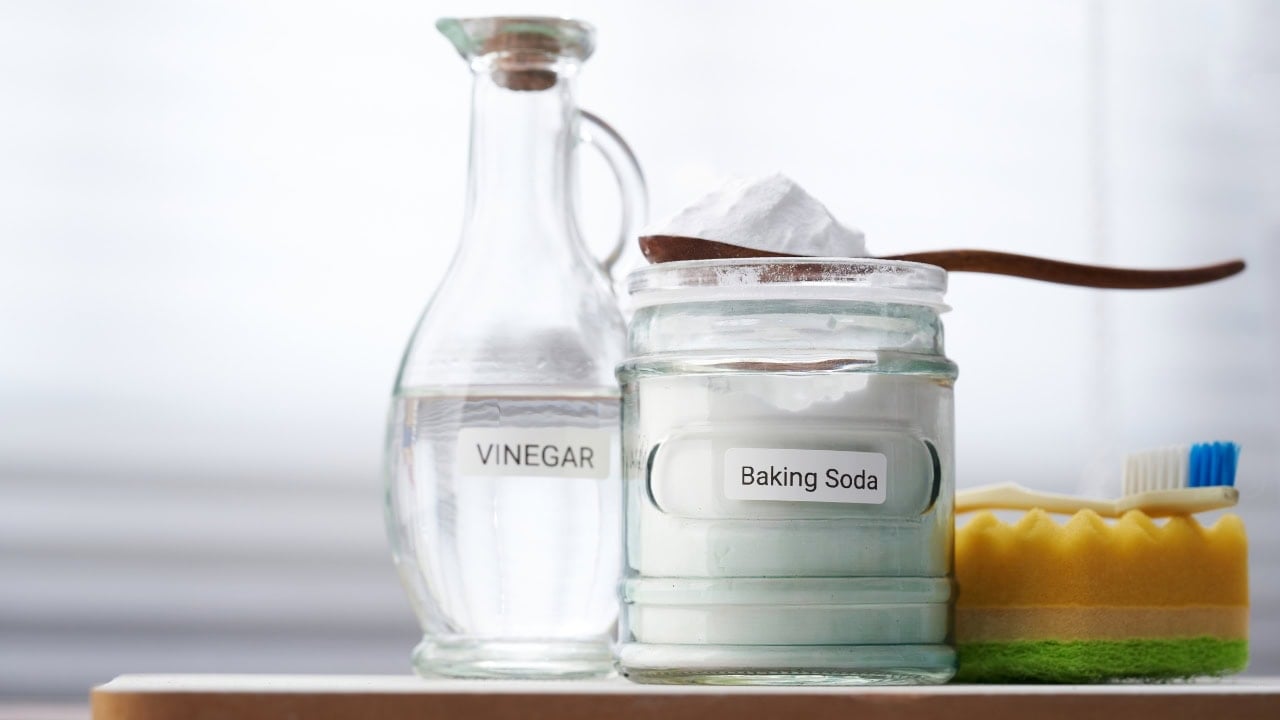
You don't have to be fully "crunchy" to let pantry items handle some of the cleaning. Baking soda and vinegar work well for deodorizing drains, cleaning some sinks, and loosening mineral buildup in kettles.
They're not magic for every job, but using them where they work frees up your pricier cleaners for when you actually need them.
You get the same end result-a clean sink, a fresh drain-but your cart isn't full of five different specialized products that each cost more than a big box of baking soda.
Wash full loads instead of lots of small ones
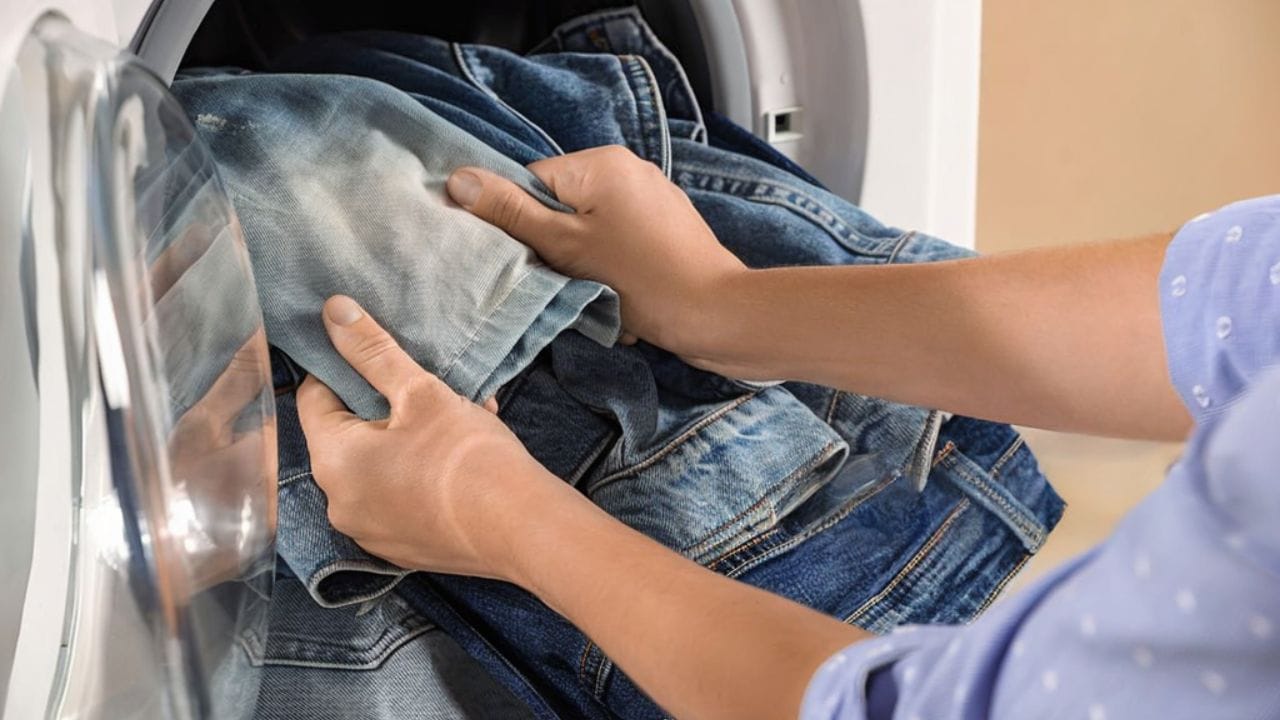
A washer and dryer use about the same energy and water for a small load as they do for a reasonably full one.
Obviously don't overstuff them, but try to avoid running a bunch of tiny loads because you're impatient. Group similar colors and fabrics and wait until there's enough to run a proper load.
Fewer loads means less detergent, less water, less electricity, and less wear on the machines. Standards stay high; you're just being smarter about when you hit "start."
*This article was developed with AI-powered tools and has been carefully reviewed by our editors.






Leave a Reply