
12 ways to stretch one pay period through a heavy birthday or event month

Some months feel normal. And then there's the month where you've got three birthdays, a baby shower, a couple of kids' parties, and some random event that expects you to show up with a dish and a gift. If you're on a set pay schedule, that one month can throw everything off.
You can't always change the calendar, but you can plan for those heavier stretches so you're not white-knuckling it by the second week.
Map the month before it starts

Before the month hits, grab a notebook or your phone and list every event tied to money: birthdays, gifts, parties, special meals, outfits you might need, extra gas for trips, all of it. Don't guess-write it down.
Then give each one a rough number. You're not trying to be perfect; you're trying to see the total so you're not surprised halfway through.
Decide what you're actually willing to spend
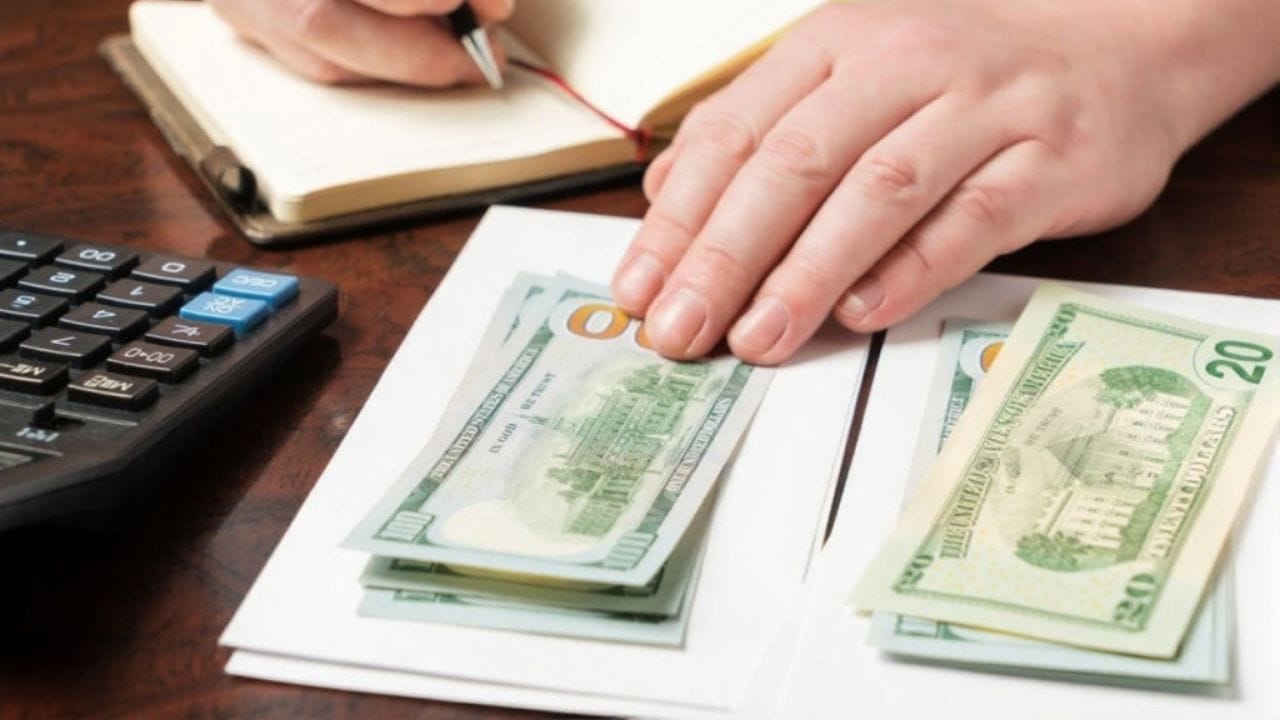
Once you see the total, you might realize, "Yeah, that's not happening." This is where you trim on purpose instead of panicking later. Decide:
- Which events truly need a gift
- Where you can go simpler on food or outfits
- What you can DIY or pull from things you already own
Give yourself a realistic "events and gifts" number for that pay period and treat it like a bill.
Front-load the boring bills

If you know your pay period is going to be tight because of birthdays, try to knock out certain fixed bills earlier in the previous pay cycle-like an extra chunk toward utilities or setting aside the grocery budget ahead of time.
Even setting aside an extra $20-$50 from the month before helps. Future-you will be very grateful.
Pick a standard gift for that season

Instead of reinventing the wheel for each person, pick a "go-to" gift for that stretch:
- Kids: a book + small toy combo
- Adults: candle + treat, or kitchen towel + coffee
- Teens: gift card with a fun candy add-on
Buy multiples when you find a good price. That way you're not paying rush-shipping or running to the store at the last second, grabbing whatever's left.
Use your pantry as a backup

Event-heavy months usually mean more food: potlucks, snacks, desserts. Before you shop, check what you already have-pasta, beans, rice, baking ingredients. Challenge yourself to build one or two "bring-a-dish" recipes out of your pantry instead of buying all-new ingredients every time.
A big pan of brownies or a pasta salad can be just as appreciated as something that cost three times as much.
Say no to optional extras

This is hard, but important. Optional extras look like:
- New outfits for every event
- Extra decorations for parties that don't need them
- "One more" stop for coffee on event days
Give yourself permission to say, "Not this month." You're allowed to show up in an outfit you already own and bring something simple.
Shift "fun money" toward event money

For months that are gift-heavy, I treat gifts as part of my "fun" budget and cut back on other extras temporarily-takeout, random Target strolls, or online impulse buys.
You're still enjoying life, you're just choosing where the money goes instead of letting everything hit at once.
Spread out purchases across the pay period

Don't buy every gift and party supply in the same week if you can help it. As soon as you get paid, grab what you'll need for the first events. A week later, pick up the next set. Spreading it out keeps you from draining your account on day one.
Make a simple little schedule: "This week: Mom's gift and Saturday's party. Next week: gas and the baby shower."
Use your calendar reminders to plan cheap nights
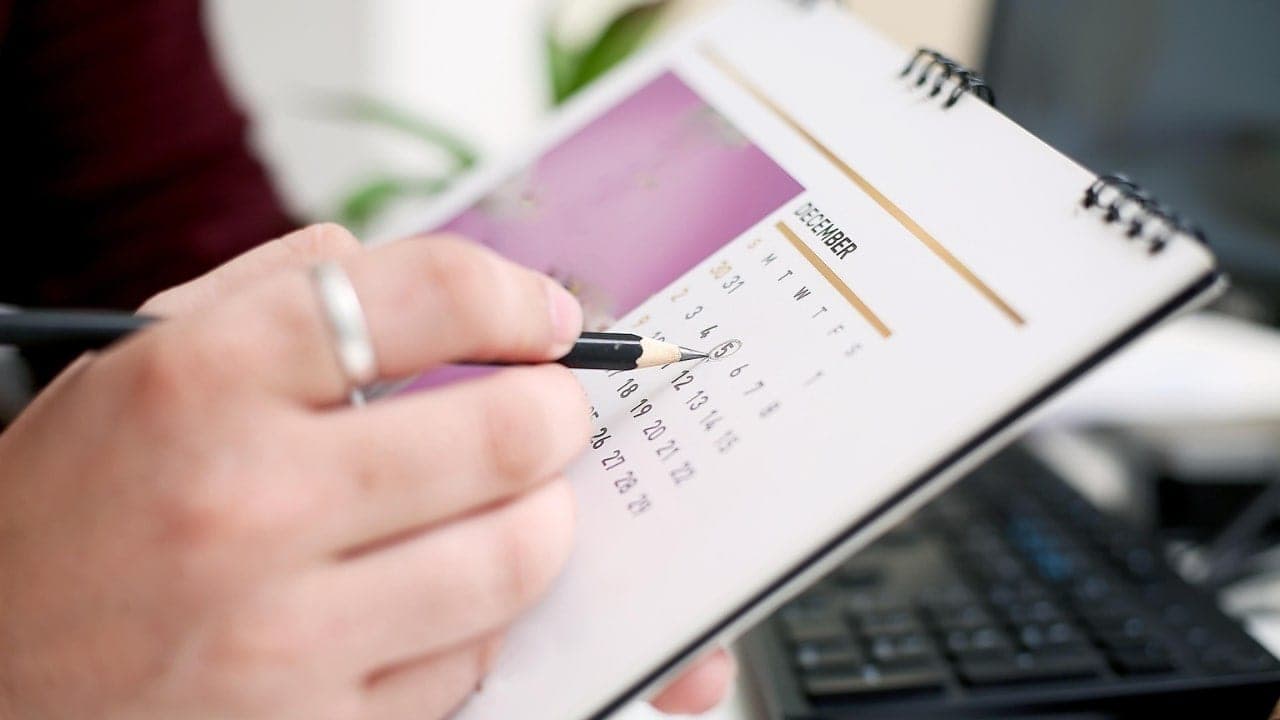
On weeks where several events fall near each other, plan ridiculously simple dinners at home: soup and grilled cheese, tacos, breakfast for dinner. Save the more expensive meals for quieter weeks.
Tying cheap dinners to those busy dates on your calendar keeps you from defaulting to drive-thru when you're already spending more on everything else.
Be honest with people you trust

If you have a month that's financially heavy, it's okay to tell the people closest to you, "Hey, we're keeping it simple this month." Most of the time, they're relieved to hear it and might even be feeling the same.
You can suggest potluck-style gatherings, group gifts, or low-cost hangouts instead of big, expensive outings.
Keep one "buffer" envelope or savings bucket

If you can, keep a small sinking fund for "events and birthdays"-even $10-$20 a month. When a heavy month hits, you've already got a little pile ready. If it doesn't get used, it rolls into the next season.
That buffer is what keeps everything from feeling like an emergency every time three birthdays land in the same week.
Treat the month as a practice run, not a failure

The first time you really pay attention to a heavy event month, it might still feel tight. That's okay. Take notes about what worked and what didn't: gifts that felt worth it, things you overspent on, places you could easily cut next year.
You're building a blueprint for next time. The goal isn't to nail it perfectly-it's to feel a little more in control every time that kind of month rolls around.
Like Thrifty Jinxy's content? Be sure to follow us.
Here's more from us:
How to Make Baby Yoda Cookies with Step-by-Step Instructions
Super Easy Biscuit Recipe with No Shortening
*This article was developed with AI-powered tools and has been carefully reviewed by our editors.






Leave a Reply