
12 Ways to Keep Groceries Around $200 a Week Without Living on Ramen

Keeping groceries around $200 a week feels impossible some months, especially when kids go through snacks like air and everything at the store seems more expensive than last year. The goal isn't to eat sad food or live on ramen. It's to get really honest about what your family actually eats and build around that, instead of shopping like a cookbook.
These ideas don't require couponing full-time. They're about structure, smart swaps, and a little bit of planning that actually fits into real life.
Build 3-4 "template meals" instead of a brand-new menu every week
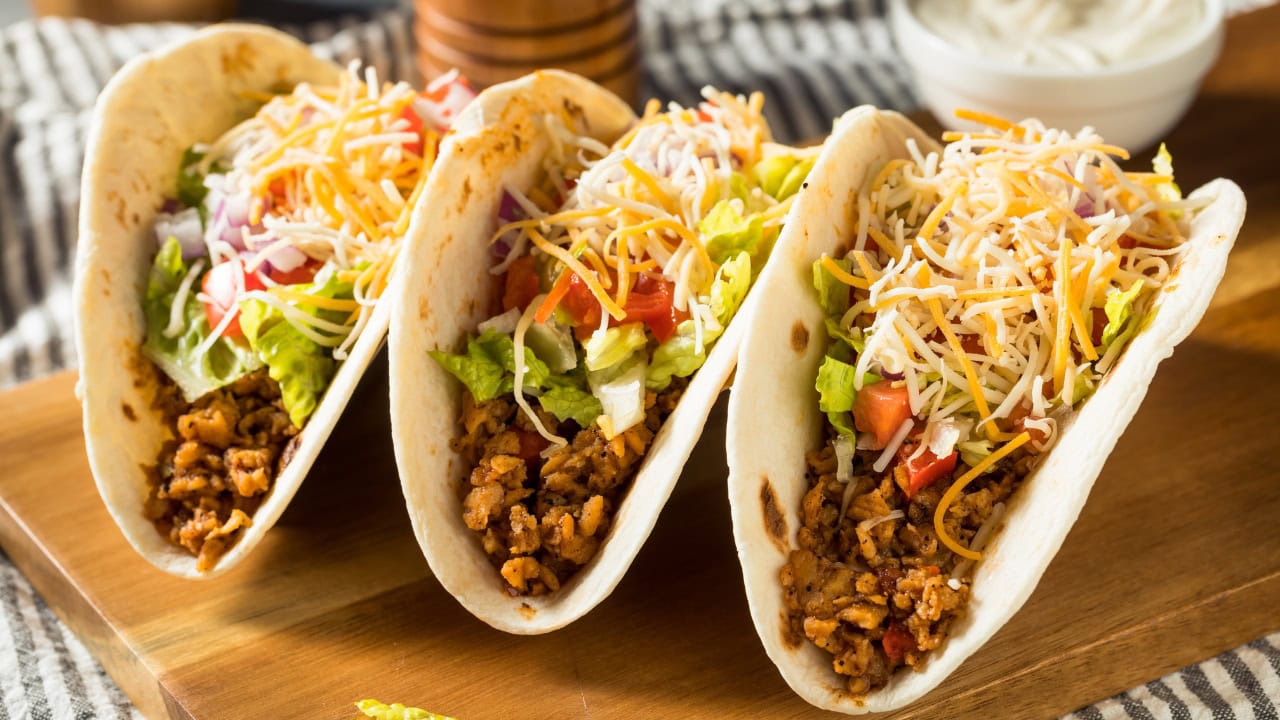
Instead of reinventing the wheel, pick a few templates your family likes and rotate ingredients. Think taco night, sheet pan night, pasta night, soup night.
Taco night might be ground beef, shredded lettuce, cheese, and tortillas one week, then chicken, black beans, and rice bowls the next. Sheet pan night might be chicken thighs, potatoes, and carrots one week, then sausage, sweet potatoes, and green beans the next.
You're still giving variety, but the shopping list stays predictable. That keeps you from buying random ingredients that only work in one recipe and then go bad.
Shop one "discount" store for staples before you hit the big one

If you have an Aldi, Lidl, WinCo, or local discount grocer, start there. Get your basics: milk, cheese, eggs, butter, dried beans, rice, pasta, canned tomatoes, frozen veggies, tortillas.
Then, if you still need specialty items, hit Walmart, Kroger, or H-E-B after. The order matters. When you start at the cheaper store, you lock in low prices on the stuff you buy every week. Anything left on the list is truly "extra," not something you accidentally paid premium for because you were already at the expensive store.
Lock in 1-2 "cheap but filling" dinners every week
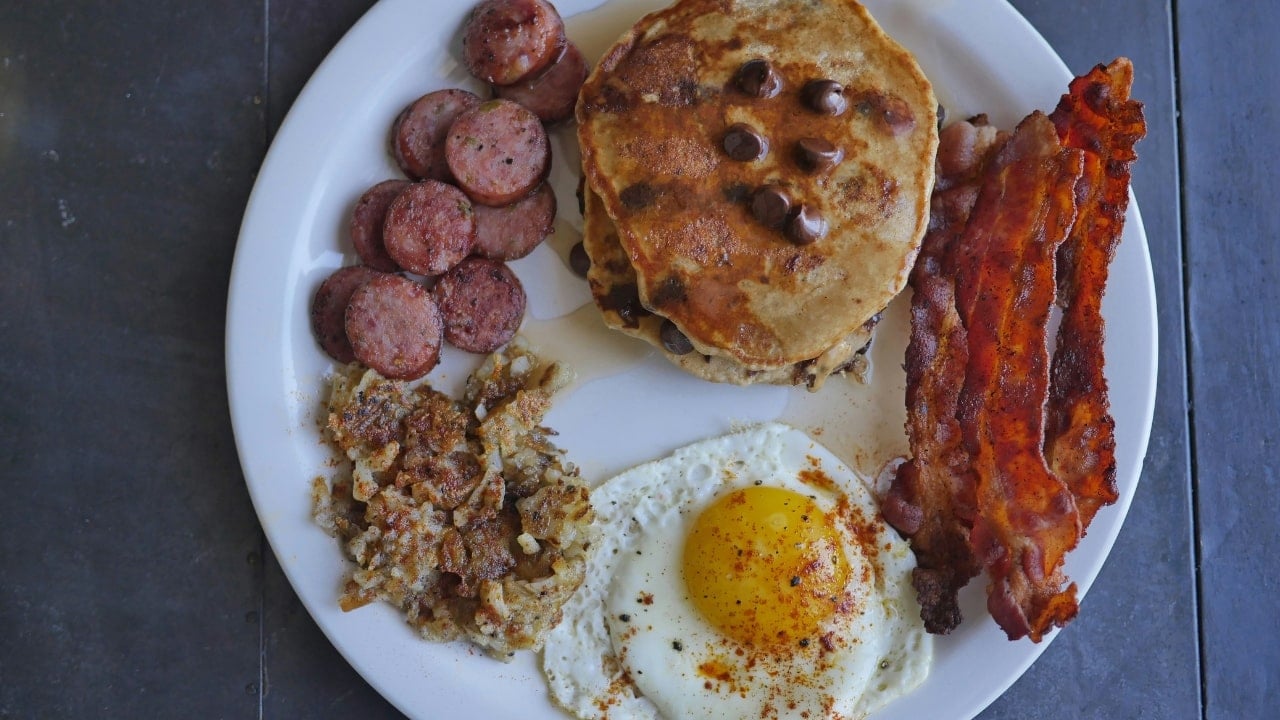
Give yourself permission to repeat a couple of super cheap dinners weekly. Think beans and rice bowls, breakfast for dinner, or lentil soup with bread.
For example, make a big pot of black beans (dried beans cooked with onion, garlic, cumin, and salt) and serve them over rice with shredded cheese and salsa. Another night, do eggs, pancakes, and fruit. Kids rarely complain about pancakes for dinner, and eggs are still one of the best protein sources for the price.
Those two nights alone can pull the weekly total down without making anyone feel punished.
Use one "flex night" to clean out the fridge

Instead of planning seven full dinners, plan six and call the seventh "use it up night." That might look like baked potato bar, quesadillas, or big salads that use leftover meat and roasted veggies.
Bake a tray of potatoes, set out shredded cheese, leftover chili, bacon bits, or broccoli. Or throw leftover chicken and veggies into quesadillas with shredded cheese on flour tortillas and cook in a skillet until crisp.
You're not just saving dinner money-you're saving what you already spent from ending up in the trash.
Stop buying individual snacks and switch to "snack bins"
Individually wrapped snacks add up fast. Instead, buy big bags of things you know your kids already like-store-brand pretzels, popcorn kernels, animal crackers, carrots, apples, cheese sticks-and portion them out yourself.
Keep two snack bins: one in the pantry (dry snacks) and one in the fridge (fruit, cheese, yogurt cups). When kids ask for a snack, they pick from the bin. It feels like choice to them, but to you it's a controlled list of affordable options instead of random $6 snack packs.
Cook one protein and stretch it three different ways
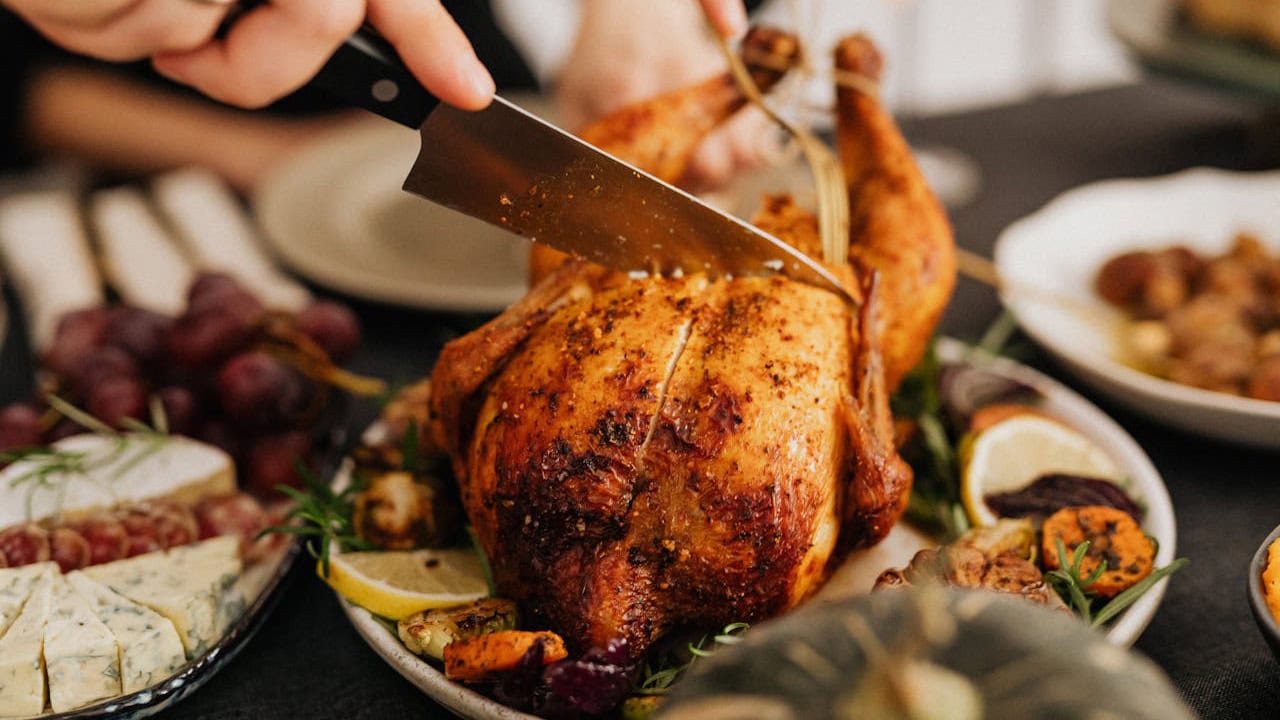
Buy a family pack of chicken thighs or a whole chicken, cook it simply, then use it multiple nights. Roast chicken with salt, pepper, and garlic one night; shred the leftovers for chicken tacos another night; and toss what's left into chicken noodle soup with carrots, celery, and egg noodles.
Same with a large pack of ground beef: use half for taco meat and half for sloppy joes or spaghetti sauce. When the most expensive part of the meal is already cooked and waiting, you're more likely to use it and less likely to panic-buy takeout.
Put a hard limit on drinks
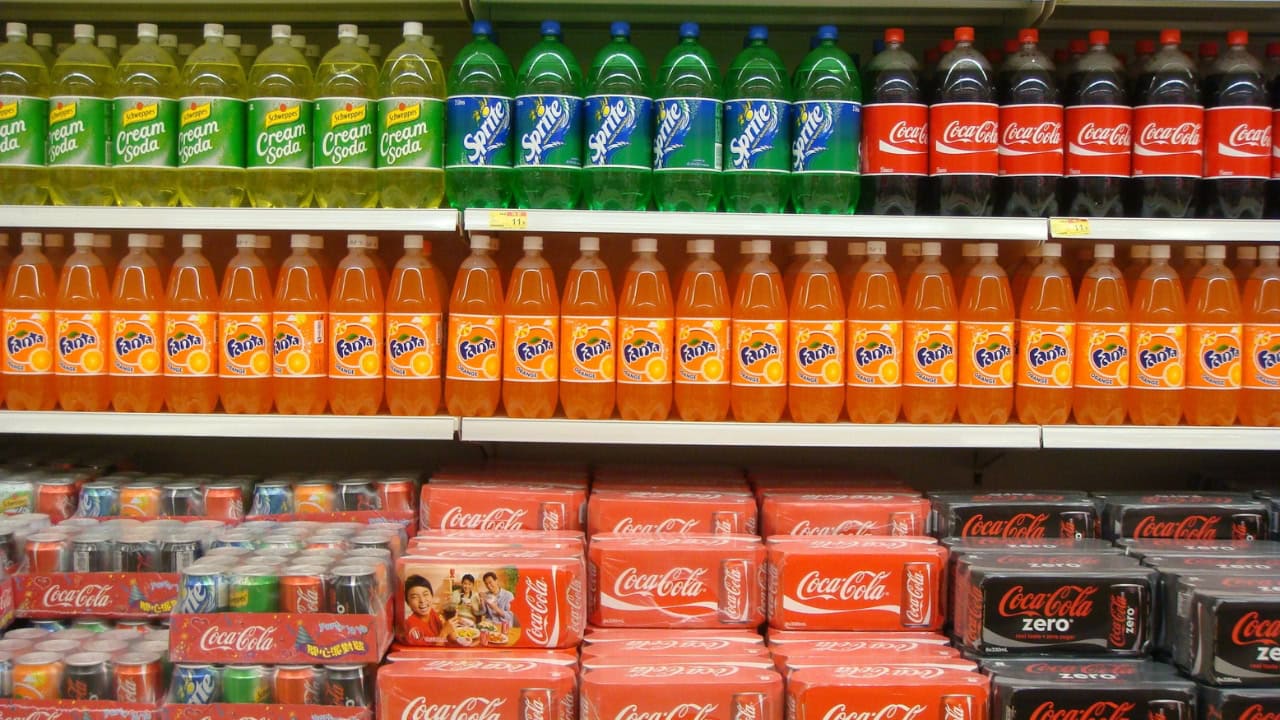
Drinks quietly blow up grocery budgets. Juice boxes, sodas, fancy flavored waters-all of them add up. Pick one or two: maybe milk and store-brand drink mix packets you add to water, or coffee for adults and juice for kids at breakfast only.
For the rest of the day, make water the default. If you want something fun, buy a big jug of store-brand orange juice for weekend brunch instead of single-serve drinks that disappear in a day. Keeping drinks simple frees up money for actual food.
Swap out two convenience items you rely on the most
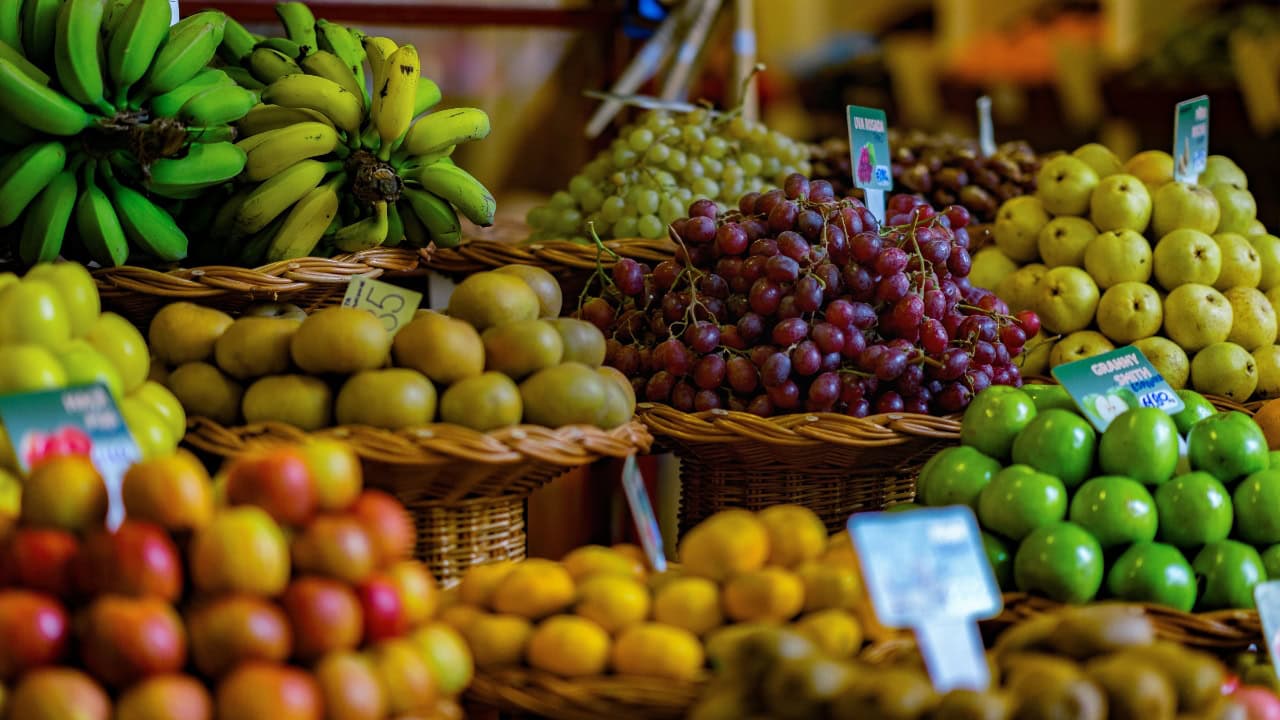
You don't have to cook everything from scratch. But if you can spot just two convenience items you lean on heavily and swap them, it can move the needle fast.
For example, instead of pre-cut fruit, buy whole apples, clementines, and bananas. Instead of instant oatmeal cups, buy a big canister of oats and add cinnamon, brown sugar, and fruit yourself. If you always buy pre-shredded cheese, try buying block cheese at least part of the time and shredding it-you usually get more for less.
Keep a running "price mental picture" of your main store
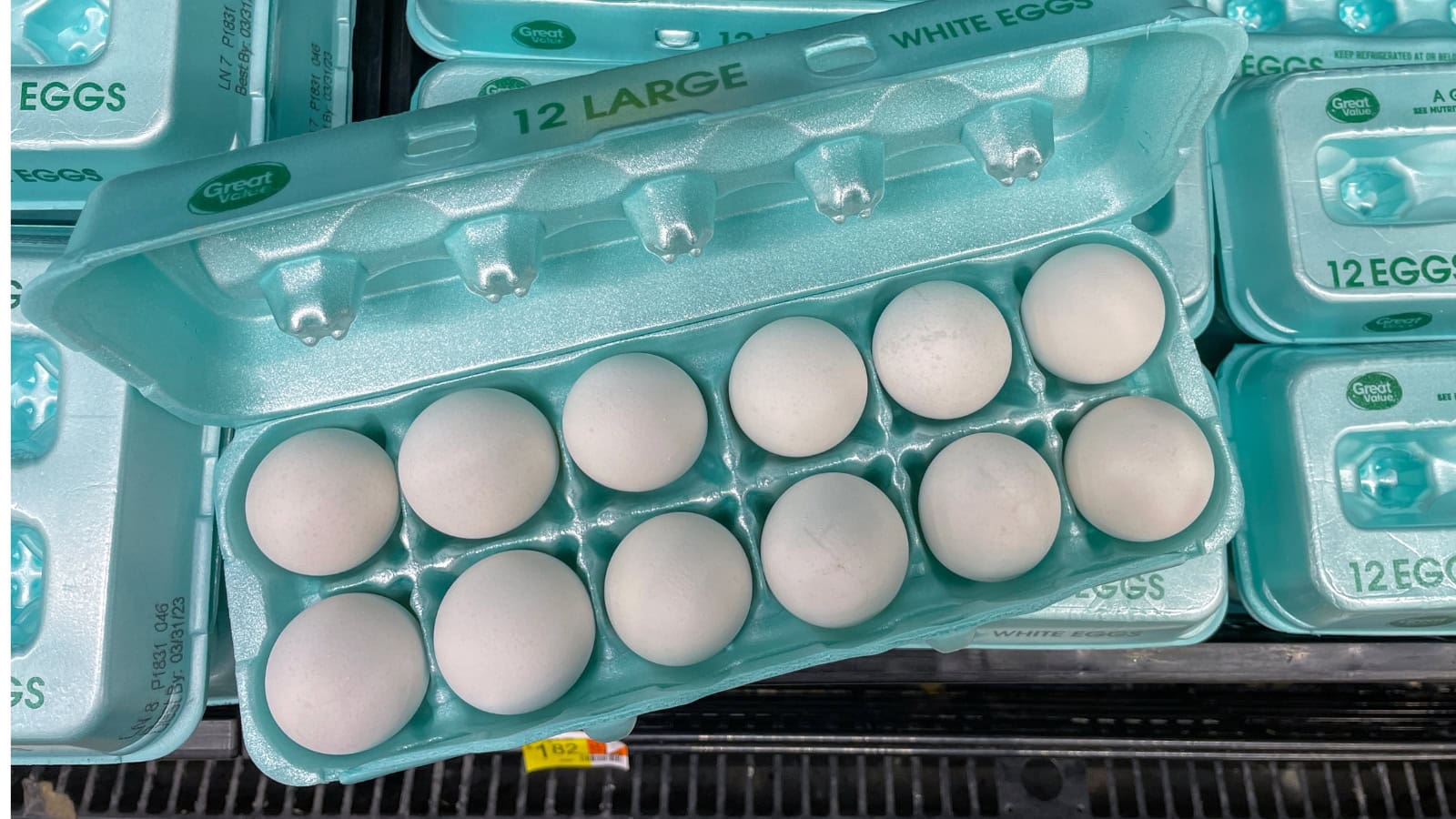
You don't have to memorize everything, but it helps to know ballpark prices for items you buy every week: a gallon of milk, a dozen eggs, chicken thighs, ground beef, bananas, apples, cheese, bread.
That way, when there's a "sale," you can tell if it's real. If chicken thighs are usually $1.49/lb at your store, $1.99/lb with a big yellow tag isn't a must-stock-up moment. But $0.99/lb is. This keeps stock-ups intentional and stops impulse buys pretending to be deals.
Use your freezer as a "leftover rescue" station
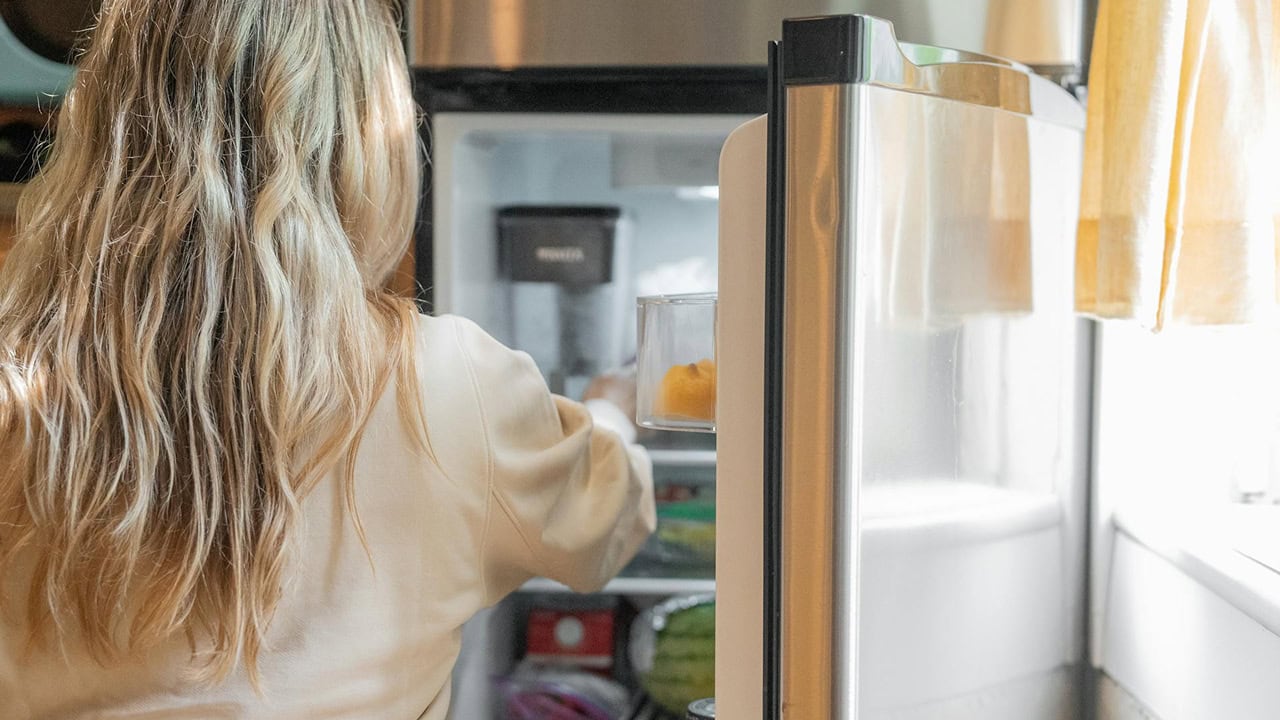
Anytime you have leftover soup, chili, cooked beans, cooked rice, or meat, portion it into small containers and freeze it right away. Even one cup of taco meat can become nachos or lunch for someone later.
Keep one list on the freezer door with what's inside: "1 container chicken chili, 2 bags cooked rice, 1 bag pulled pork." When you plan your week, check the list first and build around what's there. That way your freezer isn't a black hole, and every frozen container represents money you're not spending again.
Pick one expensive habit to treat differently
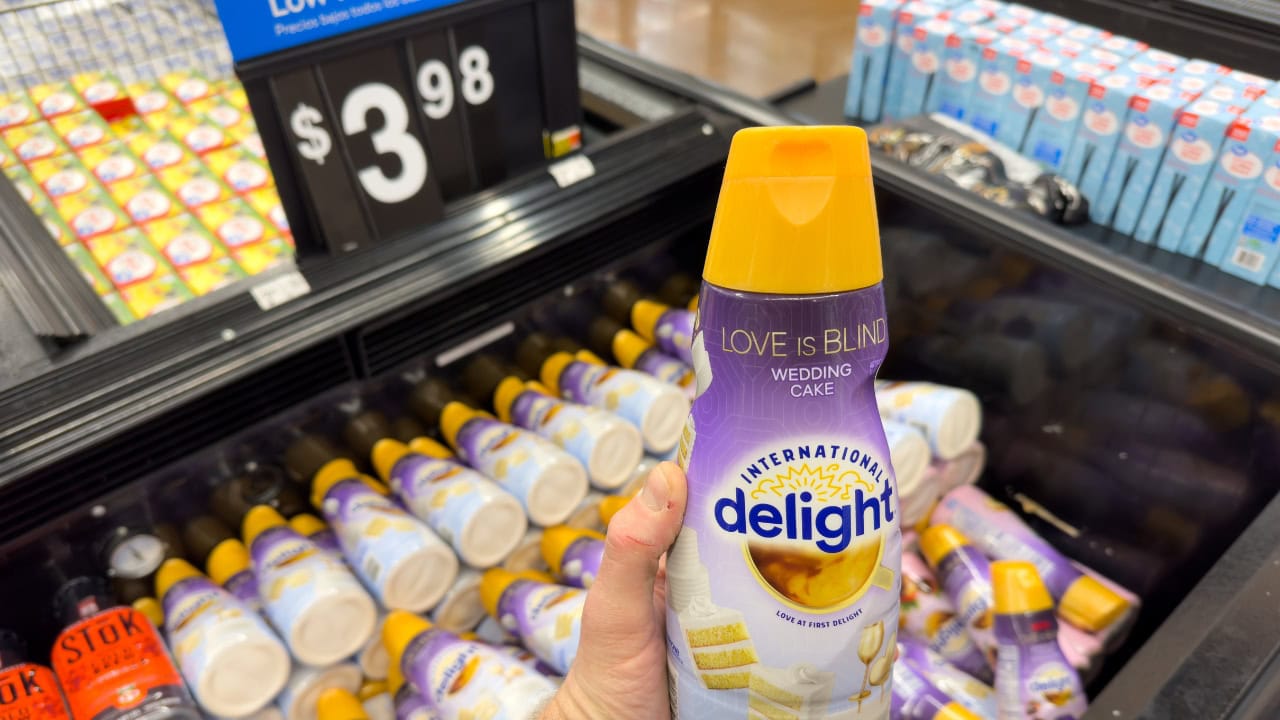
Most families have one grocery habit that sneaks in-fancy coffee creamers, deli meat, specialty cheese, bakery desserts, or grab-and-go lunches. Instead of banning it, redefine it.
Maybe you only buy the $5 creamer every other week and use regular half-and-half in between. Maybe you switch from deli meat to rotisserie chicken shredded for sandwiches. Maybe bakery cookies become a once-a-month thing, and you bake a simple pan of brownies from a $1.25 mix on other weeks. Small changes like that add up over a month.
Give yourself one "fun" item so you'll stick with the plan
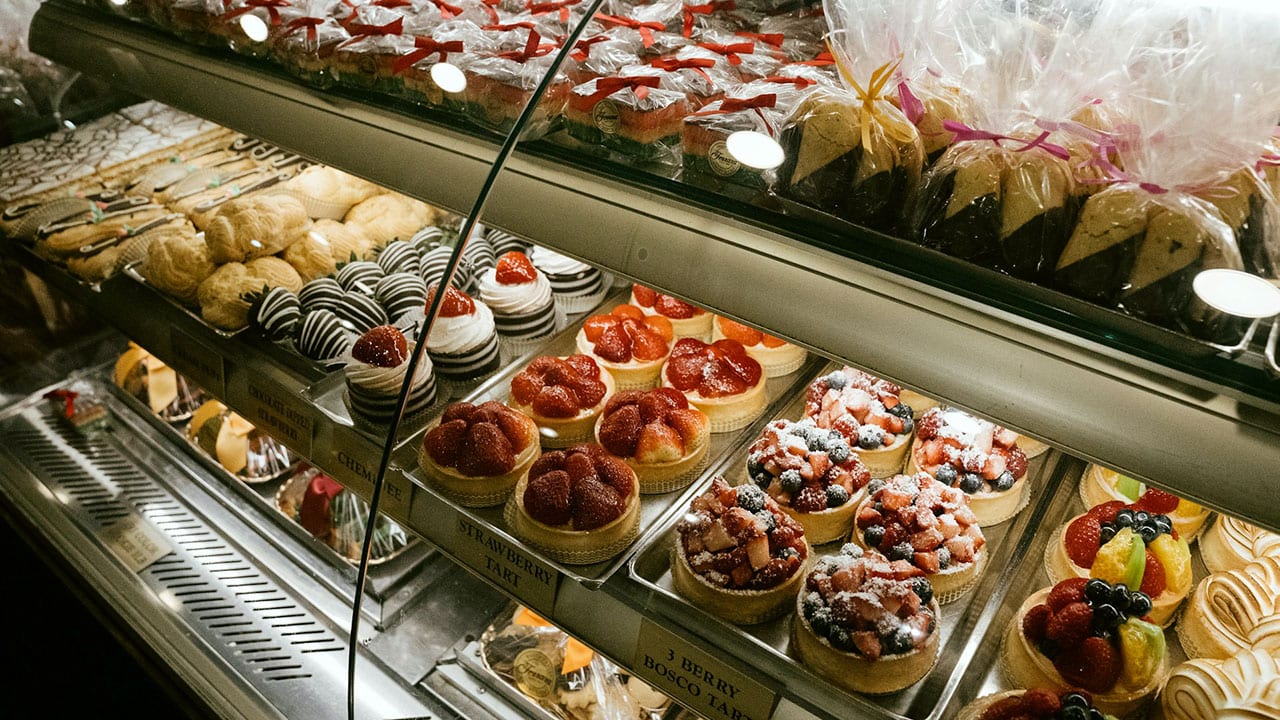
Tight grocery budgets feel miserable if they're all rules and no joy. Build in one fun buy each week: a frozen pizza, a bag of chips, ice cream, or a bakery treat.
You're less likely to blow the whole plan if you know there's at least one little thing to look forward to. It's the same idea as a "cheat meal" for budgets-only this one is actually planned and paid for inside your $200 instead of outside it.
Like Thrifty Jinxy's content? Be sure to follow us.
Here's more from us:
How to Make Baby Yoda Cookies with Step-by-Step Instructions
Super Easy Biscuit Recipe with No Shortening
*This article was developed with AI-powered tools and has been carefully reviewed by our editors.






Leave a Reply