
12 store markdown patterns that actually matter if you hate overpaying
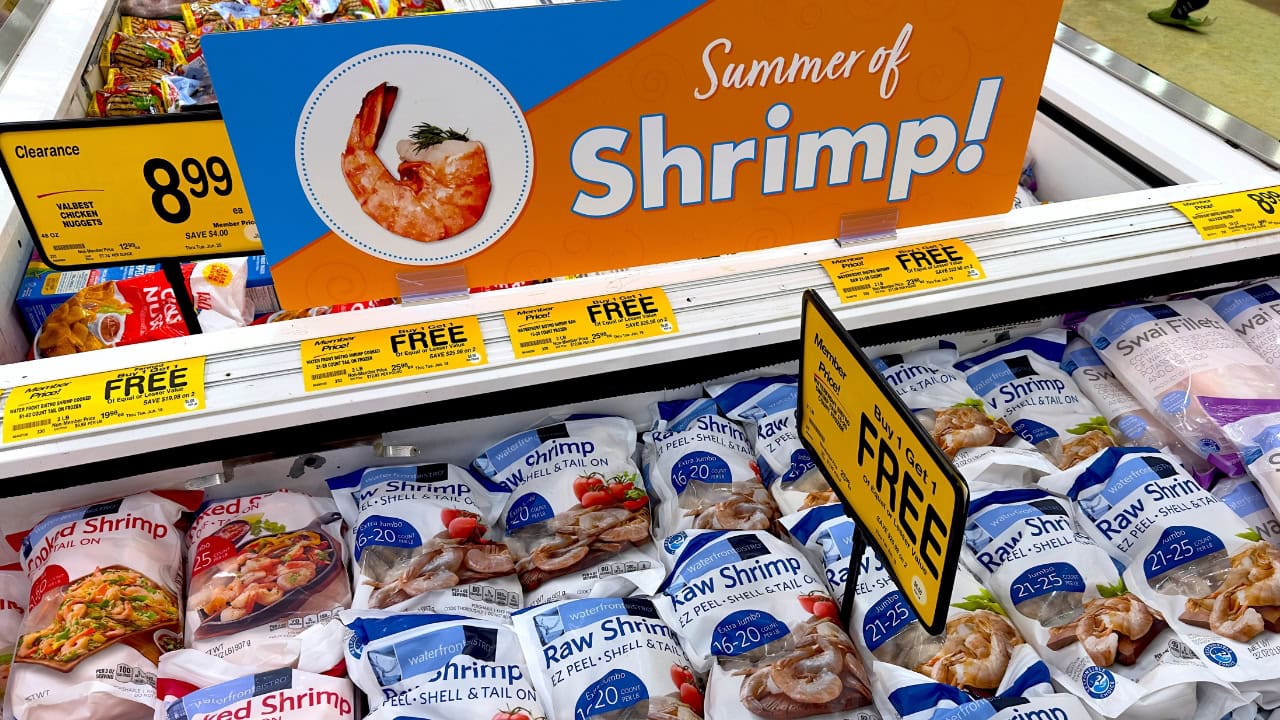
Stores aren't randomly slapping markdown stickers on things. A lot of the "surprise" deals follow patterns-timing, location, or how fast they need to move stuff out of the way. Once you start recognizing those patterns, you stop feeling like you just got lucky and start planning around them a little.
The goal isn't to chase every yellow tag. It's to know where and when to look so you can pay less for the same things you were already going to buy.
Here are the markdown habits that are actually worth caring about.
End-of-season markdowns that start earlier than you think
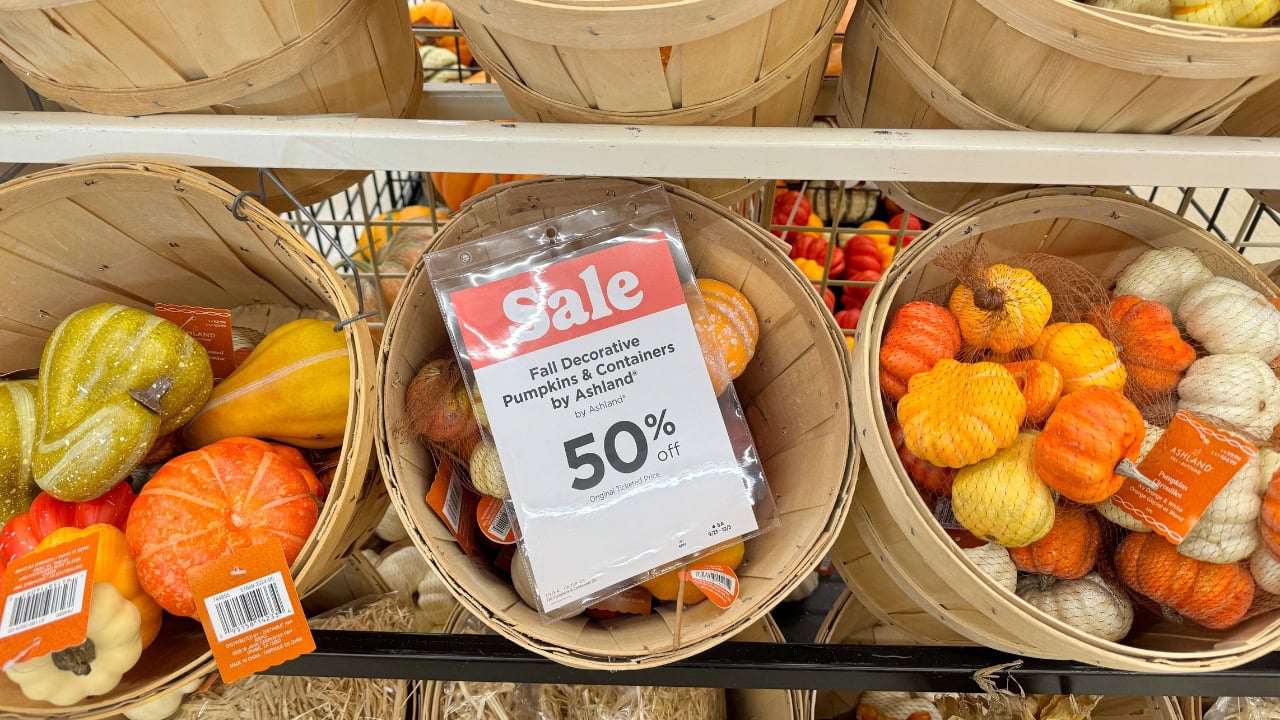
Most people wait until after a holiday or season to look for markdowns, but stores start cutting prices before that day ever hits. Think fall décor dropping in late October, or Christmas items going on sale well before December 25. They need to clear space for the next wave, so you'll see quiet discounts show up while everyone else is still paying full price.
If you're willing to think a season ahead-buying next year's stuff now-you can grab high-quality décor, wrapping, and even outdoor pieces at a fraction of the price while they're still on shelves.
Weekly markdown days in specific departments
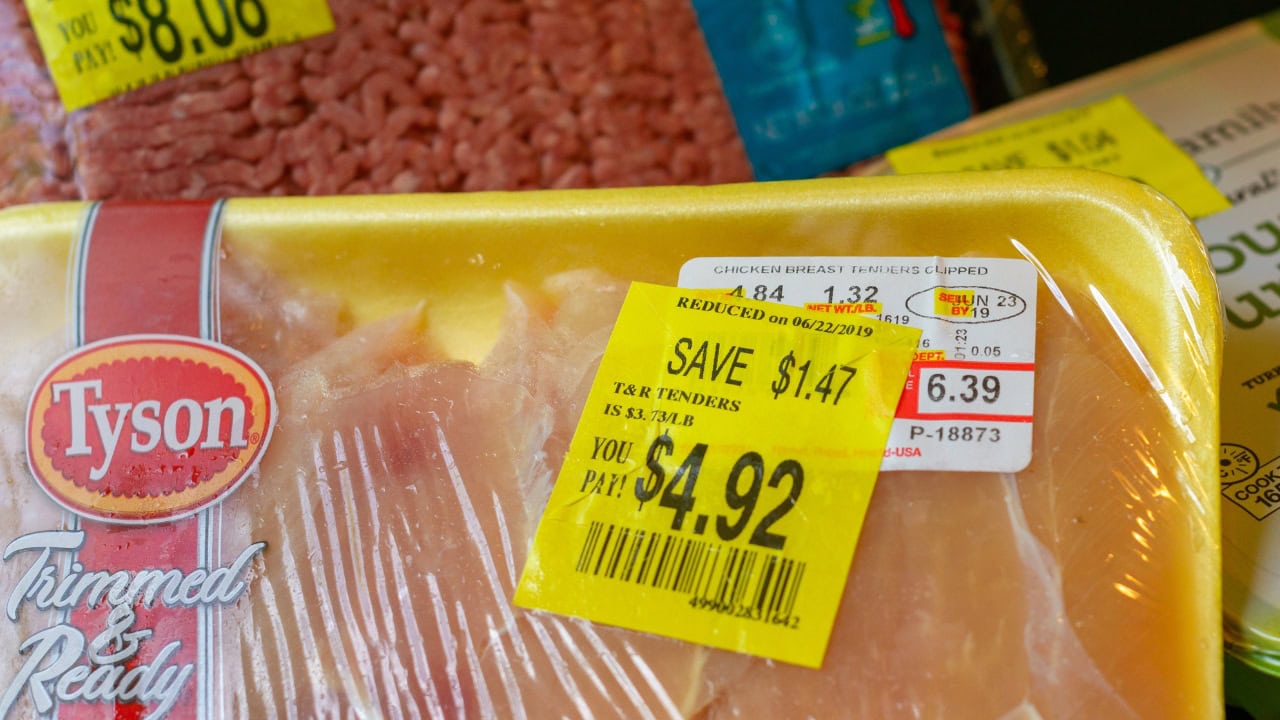
A lot of stores have unofficial "markdown days" when certain departments get tagged-meat, bakery, produce, even home goods. Employees usually do this on the same days based on delivery schedules and how fast things need to move.
Pay attention for a couple of weeks: what day does meat suddenly have a row of discount stickers? When does the bakery wall look more yellow-tagged than usual?
Once you spot those rhythms, you can plan your errands on those days and grab markdowns when they're freshest instead of hoping you stumble onto them.
Morning markdowns on meat and bakery
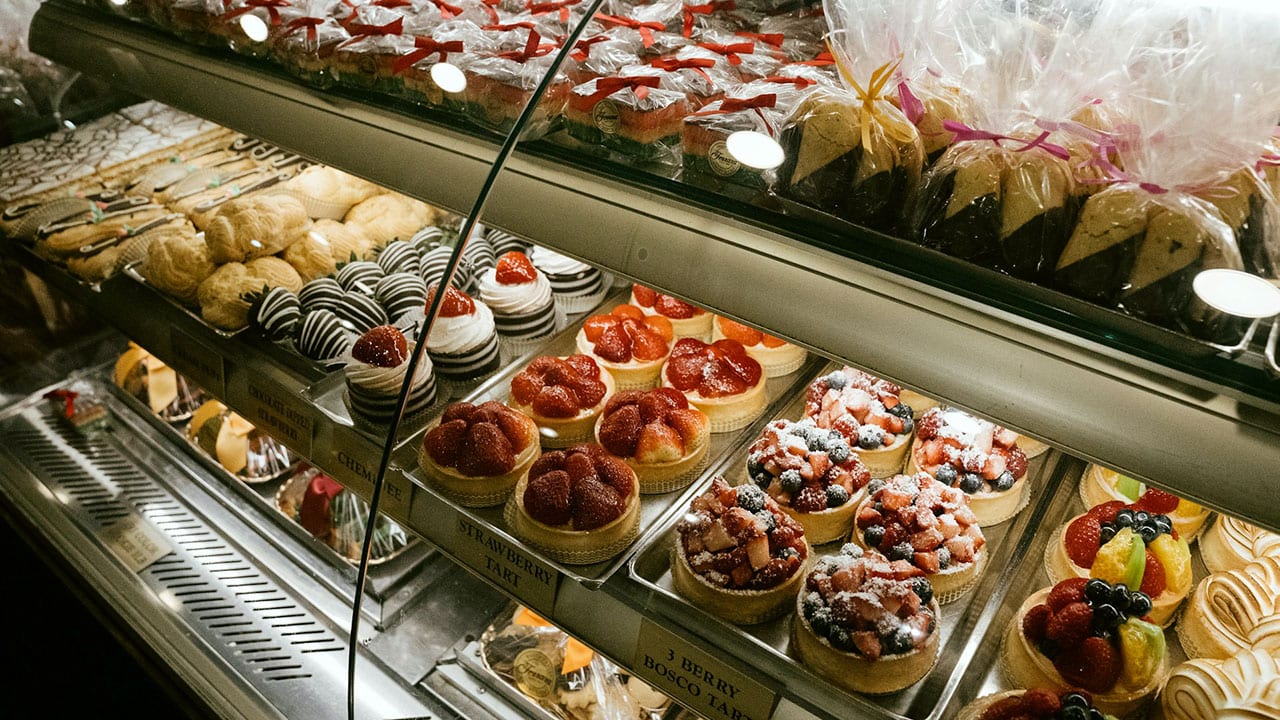
Perishable items like meat and bakery goods are often marked down in the morning after employees assess what needs to move that day. That doesn't mean you need to be there at dawn, but going earlier in the day gives you the best shot at finding those deals before they're picked clean.
If your schedule allows, try swinging by earlier once or twice and compare what you see to your usual afternoon or evening trips. Over time, you'll figure out which stores are actually worth going to early for markdown meat, bread, and baked goods that freeze really well.
Holiday food markdowns after the "big meal" days
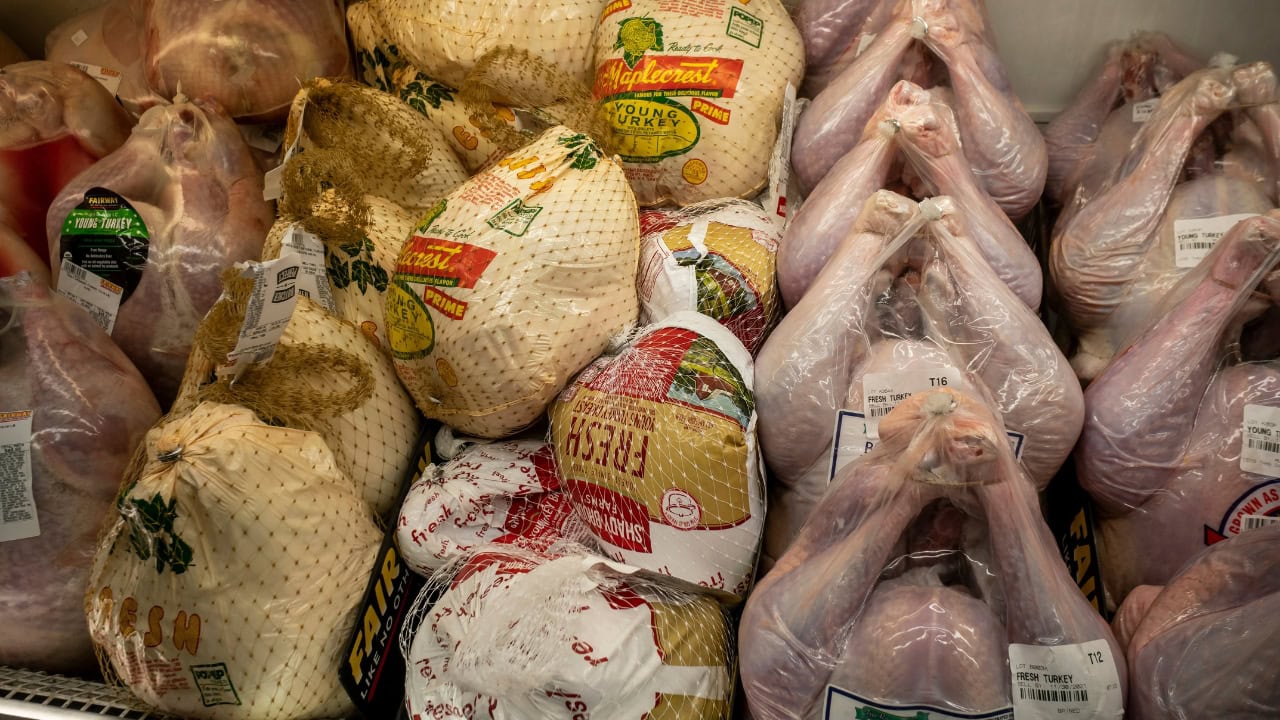
Right after major food holidays-Thanksgiving, Christmas, Easter-the ingredients tied to those meals often drop in price fast. Think turkey, ham, baking supplies, canned pumpkin, specialty breads. Stores would rather mark them down than eat the loss.
If you have freezer space, this is prime time to grab meat you can use in normal recipes for months. You don't have to eat turkey in December just because it's on sale. Cook it later as shredded meat, soups, casseroles, and sandwiches that don't feel like leftovers from a holiday table.
Color sticker or tag systems on clearance

Many stores use colored stickers or coded tags on clearance items that tell you more than you think-like how many times something has been marked down or which stage of clearance it's in. You might notice red for regular clearance, yellow for final markdowns, or specific codes in the price that employees recognize.
Pay attention to how tags look on items that feel "almost gone" versus freshly marked. When you see that same color or code again, you'll know if it's the first markdown (still might drop more) or the final price (grab it now if you want it).
Markdown sections at the back of departments
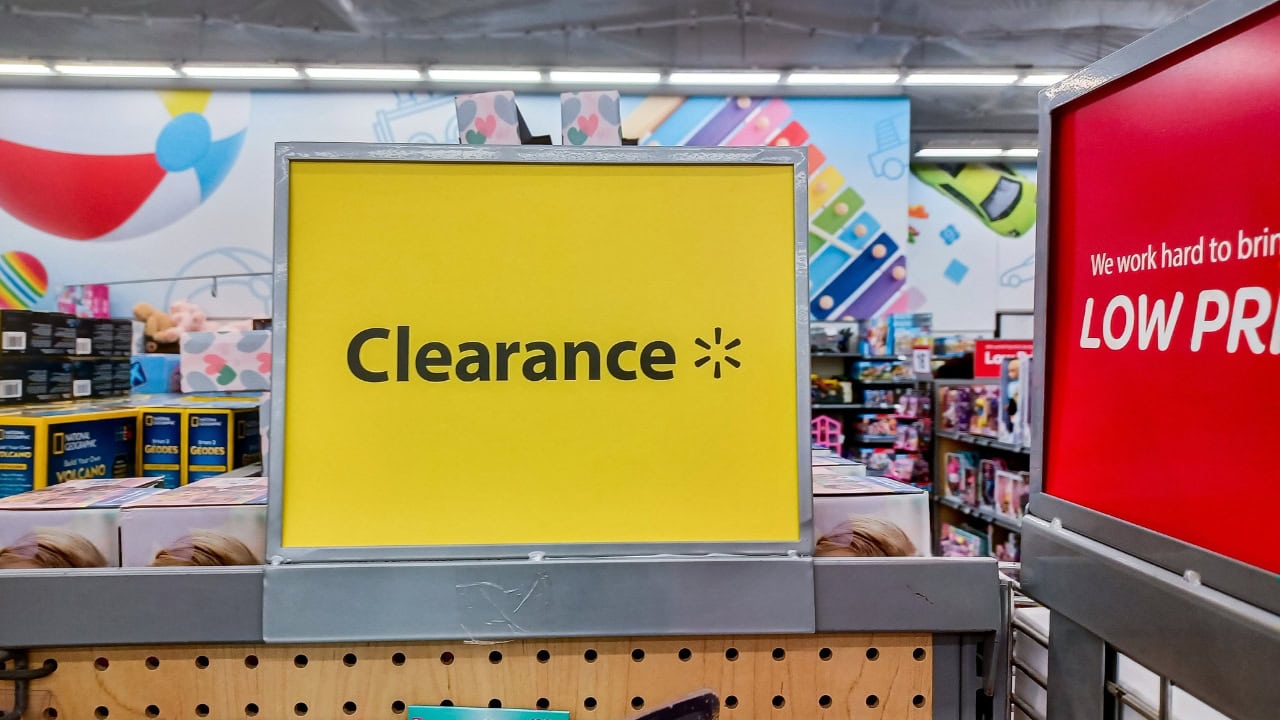
Instead of scattering all markdowns in the main aisles, many stores corral them to specific endcaps or back corners-especially in home goods, pantry staples, and beauty items. If you always stick to the pretty front displays, you'll miss those entire sections.
Make it part of your routine to swing through the "ugly" shelves: dented boxes, odd flavors, seasonal leftovers, and slightly squashed packaging. As long as the product is safe and something you'll actually use, these spots can shave real money off household basics, not just random cute stuff you didn't need in the first place.
"Manager's special" stickers on items near their date
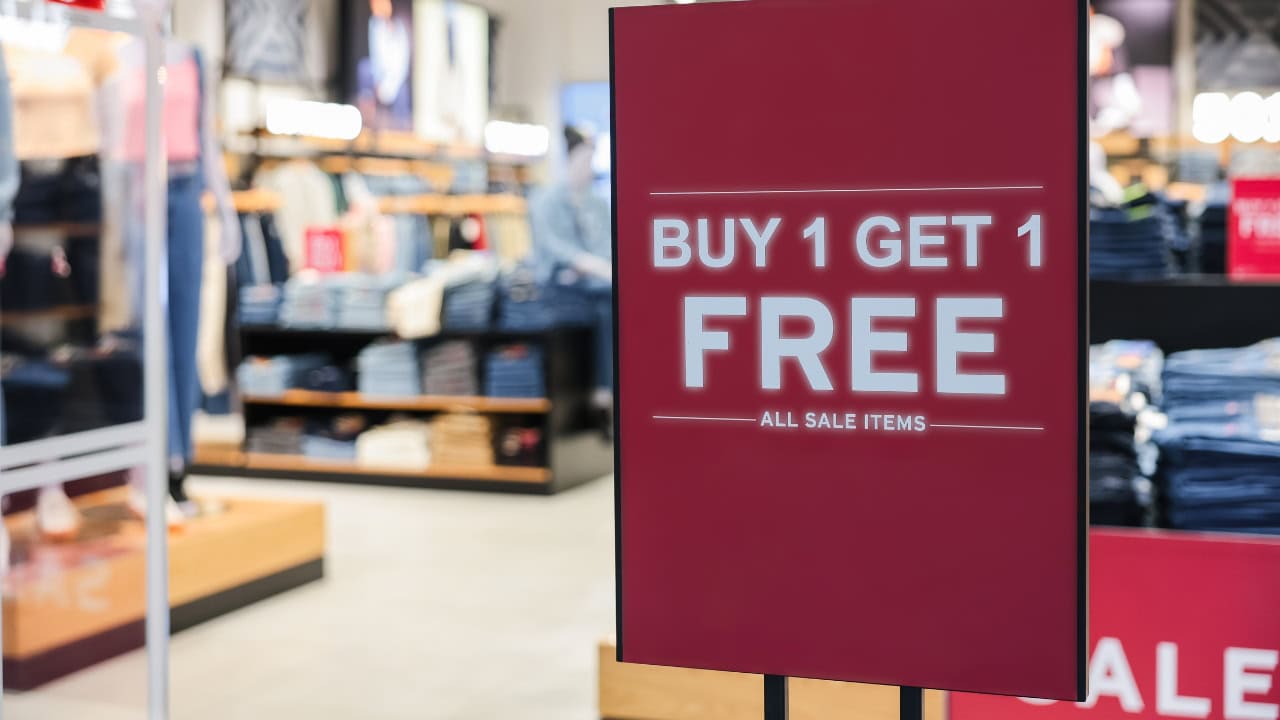
Short-dated items-things that are close to their sell-by date-often get special stickers that knock a few dollars off. This is most common in meat, dairy, and ready-made foods, but you'll sometimes see it on specialty items too. If you're comfortable planning to cook or freeze those items within a day or two, you can stock up without paying full price.
The trick is to be honest about your week: don't buy six packs of discounted yogurt if you know nobody will touch them. Focus on things you can freeze or cook right away so the discount doesn't turn into waste.
Hidden markdowns on open-box and damaged packaging
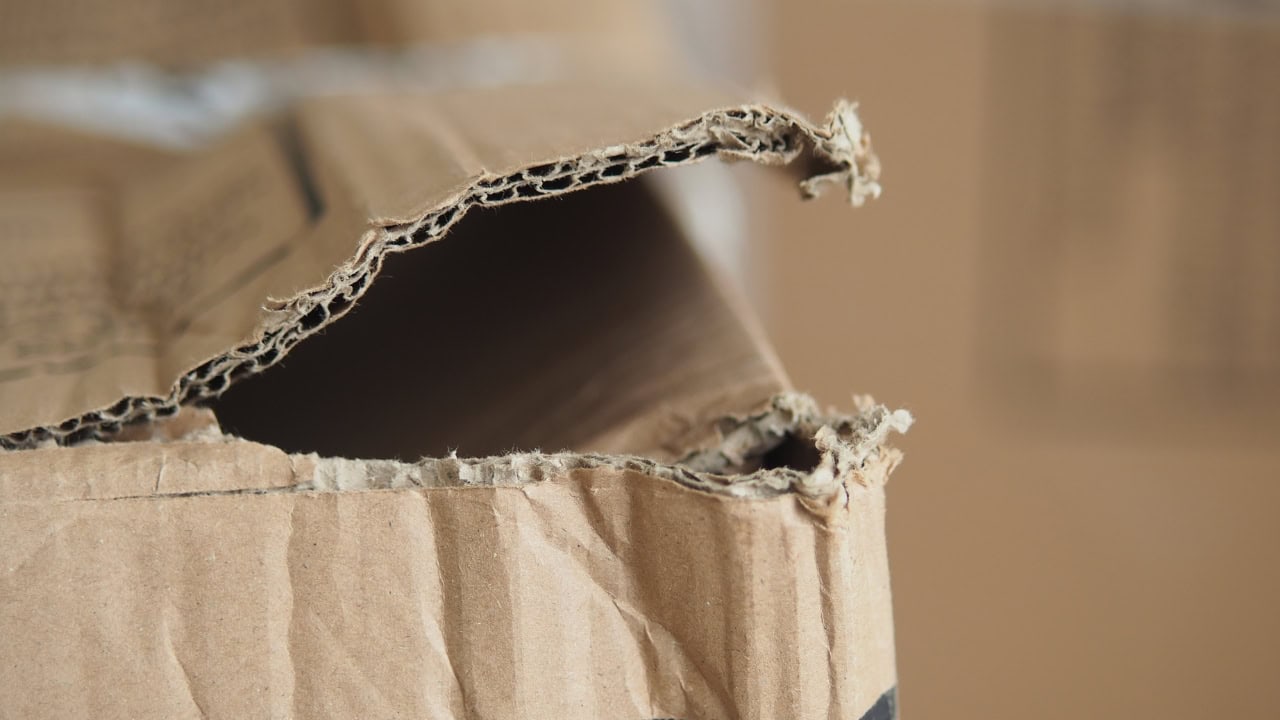
Open-box items or packages with minor damage are often quietly discounted, but not always moved to the clearance section. You'll find these in electronics, small appliances, toys, and even décor. If you see a box that's been taped, crushed on one corner, or clearly opened before, it's worth politely asking if there's a markdown available.
As long as the product inside is intact, you can save a chunk of money just because the exterior doesn't look pretty. This works especially well on things like tools, kitchen gadgets, and storage pieces that live behind cabinet doors anyway.
Markdown cycles right before resets and remodels
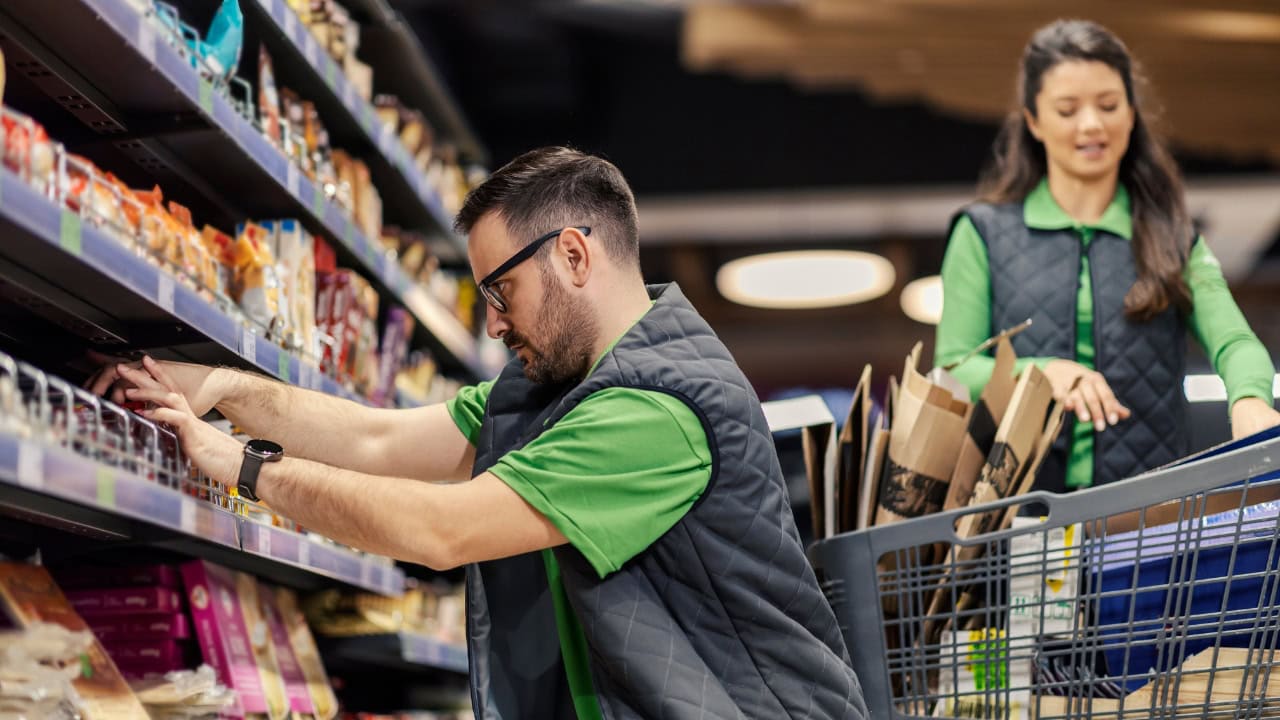
Before a store resets a department layout-switching seasons, changing brands, or remodeling-they have to get rid of whatever doesn't fit the new plan. That's when you'll see deep markdowns on perfectly good products that simply don't match the new color scheme or packaging.
Signs might say "reset," "last chance," or "moving this section." If you catch wind of a coming remodel or a brand change, keep your eyes on that area.
Things like curtains, rugs, lamps, and storage often get slashed in price during these shakeups, long before they'd ever be considered "outdated."
Brand-switch markdowns when stores change suppliers
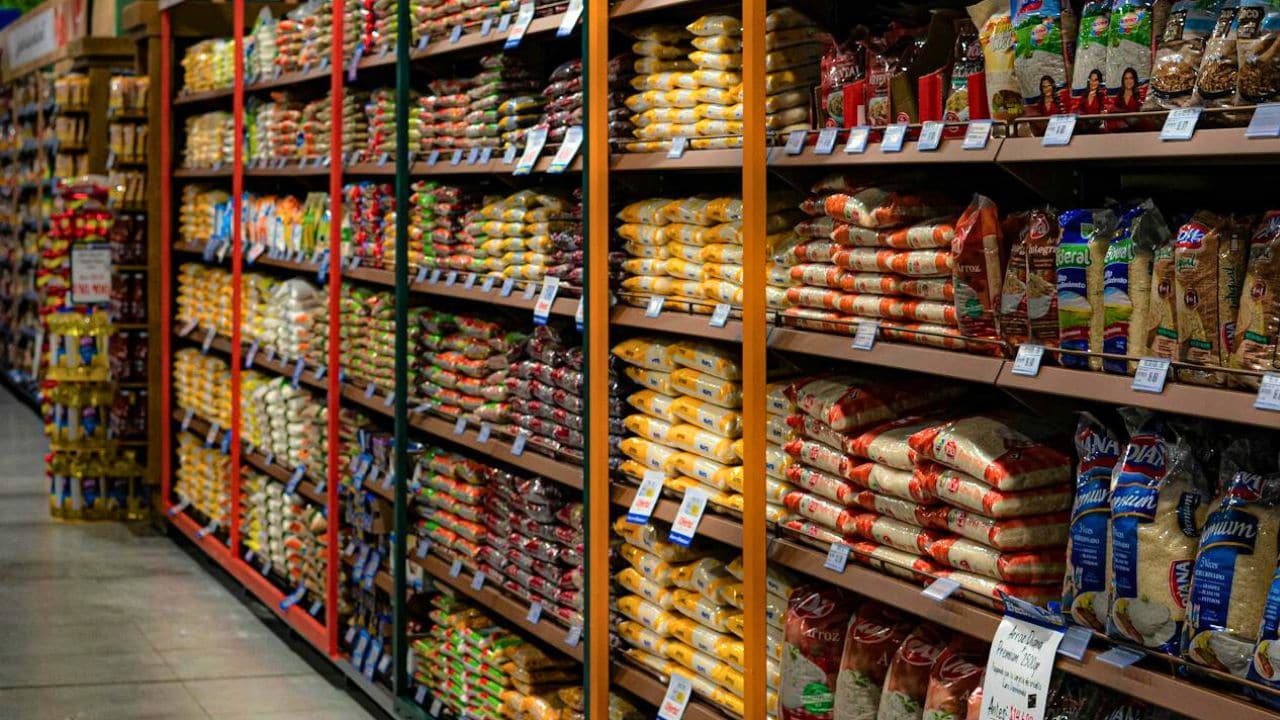
When a store switches from one brand to another-store brand pasta, canned goods, cleaning products-they'll often mark down the outgoing brand just to clear shelf space. Watch for shelves where you suddenly see a new label style next to an older one. That usually means the older labeling is going away, and managers will eventually slap discounts on those items to make room.
If you're not picky about which logo is on your canned tomatoes or rice, this is an easy chance to stock up on basics at a discount just because the artwork changed.
Multi-buy markdowns that still work on a single item
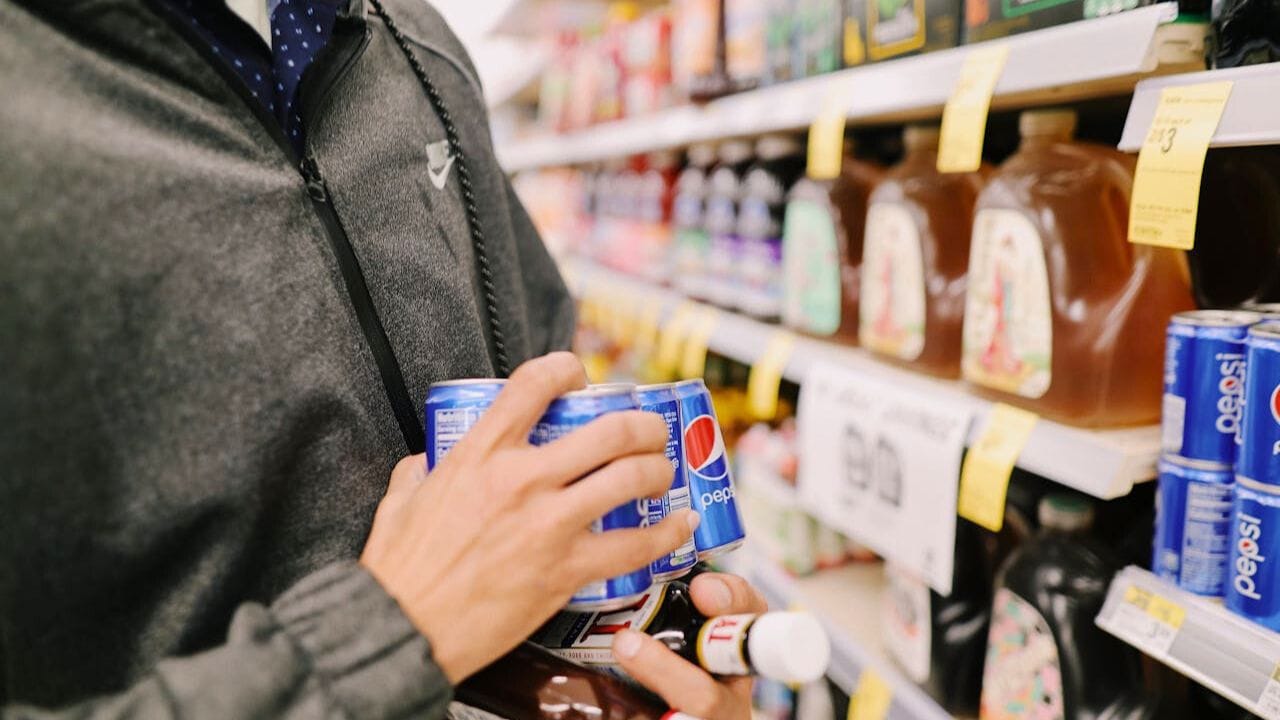
Sometimes you'll see signs like "3 for $6" or "2 for $4," and it looks like you have to buy the full amount to get the deal. But a lot of stores quietly price those items at the per-unit sale price even if you only grab one. That means "3 for $6" might still ring up at $2 each if you just buy one or two.
The only way to know is to read the fine print or test it at the price scanner. Once you know how your store handles this, you can still get the sale price without overbuying just to meet a made-up quantity.
Markdown patterns around holidays that aren't about décor
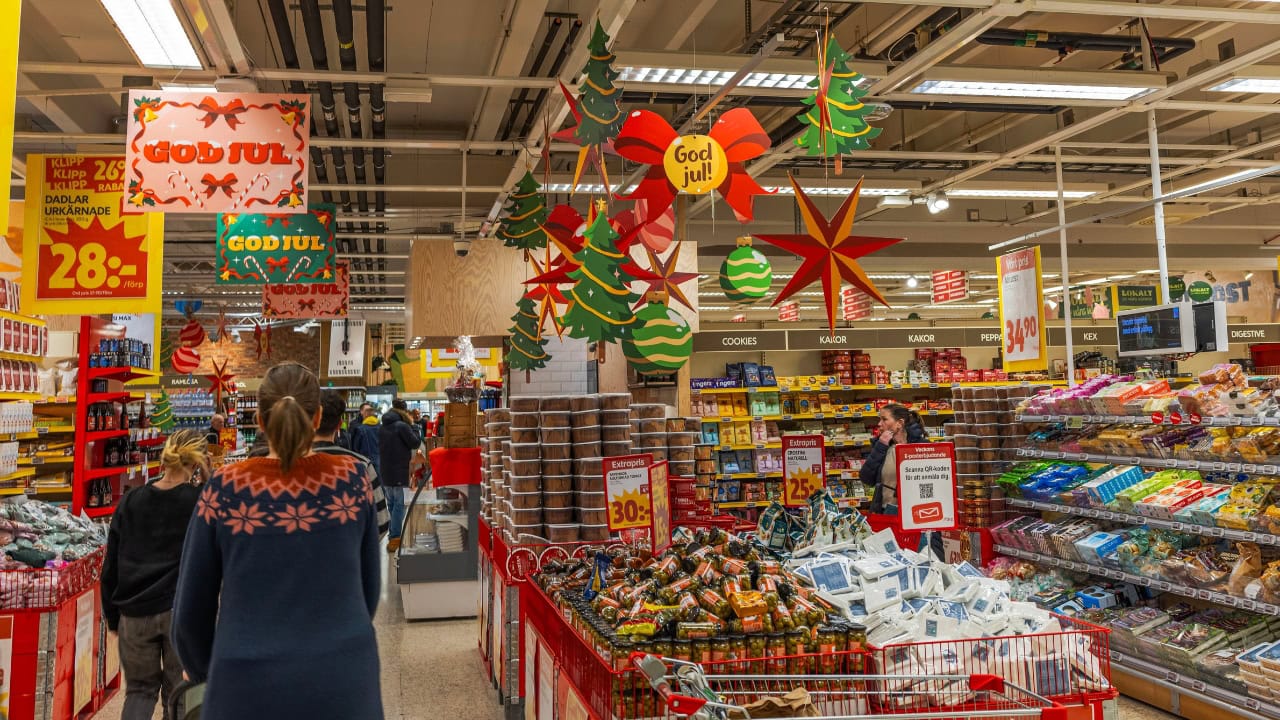
Everyone expects holiday décor to go on sale, but plenty of other categories ride the same wave. Leading up to holidays, you'll see markdowns and promos on things like storage bins (for putting it all away), batteries, extension cords, and even kitchen tools. Afterward, those same items can drop again when demand dies off.
If you pay attention to these non-decor markdowns, you can time boring but necessary purchases-like power strips, storage, and bakeware-to those windows instead of paying full price in a random month when you suddenly realize you need them.
Like Thrifty Jinxy's content? Be sure to follow us.
Here's more from us:
How to Make Baby Yoda Cookies with Step-by-Step Instructions
Super Easy Biscuit Recipe with No Shortening
*This article was developed with AI-powered tools and has been carefully reviewed by our editors.






Leave a Reply