
12 stockpile rules that keep you prepared without turning into clutter
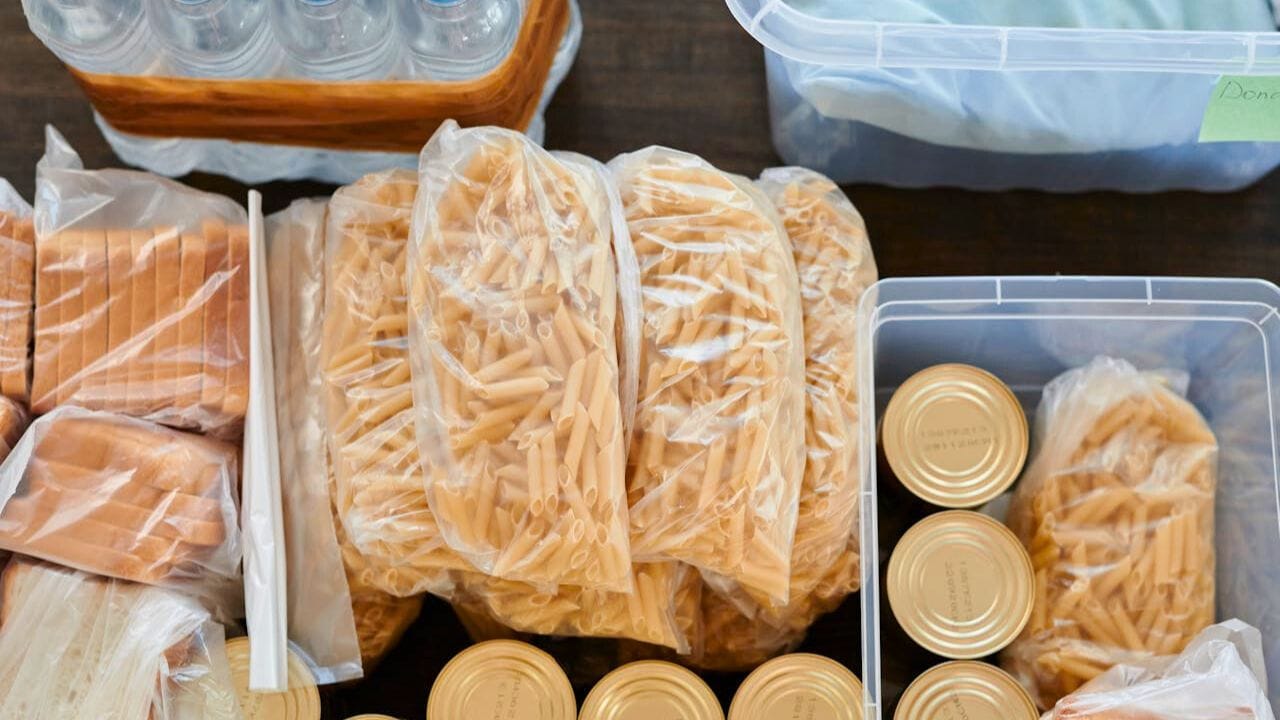
Having extras on hand is helpful-especially when prices jump or the weather turns weird-but there's a big difference between a smart stockpile and a garage full of things you forgot you own.
A good stockpile protects your budget and keeps you out of the store when life is chaotic. A bad one quietly turns into money you can't use because it's expired, buried, or just not what your family eats.
These rules keep you in the "prepared, not buried" zone.
1. Stock what you actually eat, not what looks "prepper"
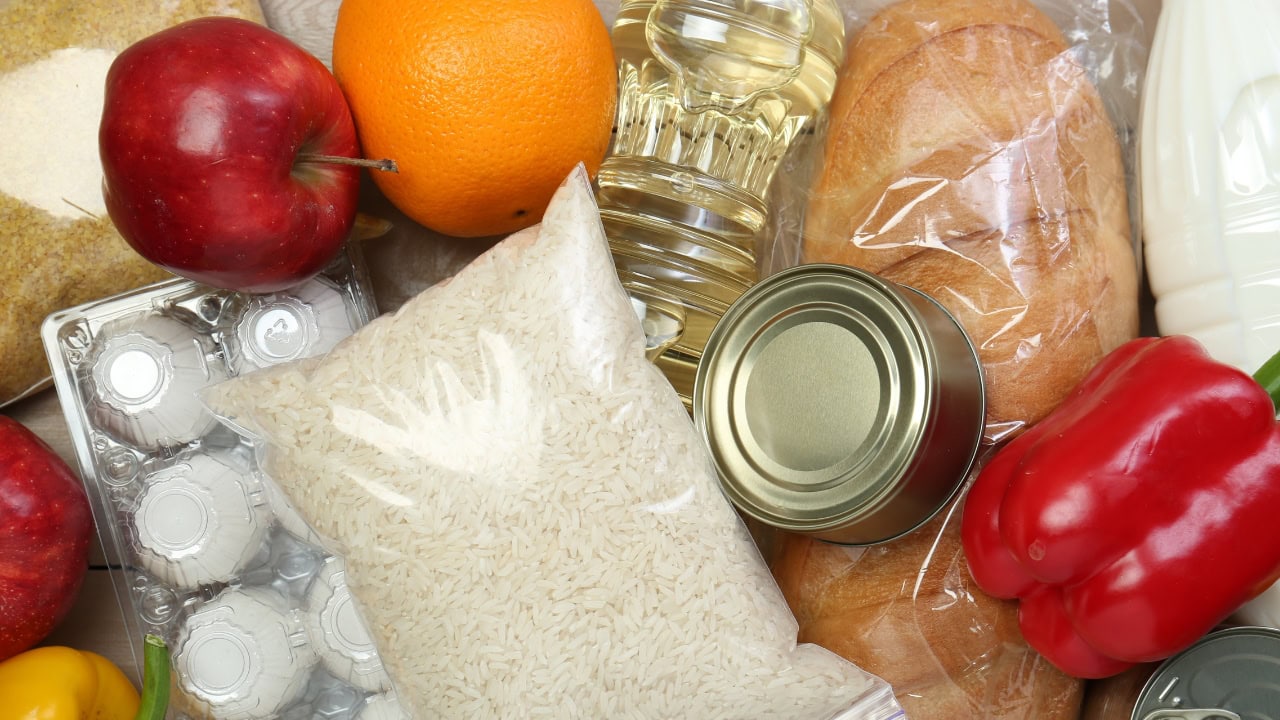
It's easy to get caught up in giant bags of beans and random canned goods you never normally cook with. But if your family won't touch it now, they won't magically like it in an emergency.
Base your stockpile on meals you already make: pasta with sauce, tacos, soups, chili, sandwiches, simple casseroles. Buy shelf-stable versions of those ingredients-rice, beans you use, canned tomatoes, broth, peanut butter, canned tuna or chicken, freezer veggies.
If every item in your stash fits into a meal you already serve, you're far less likely to waste it.
2. Start with a "backup shelf," not a doomsday basement
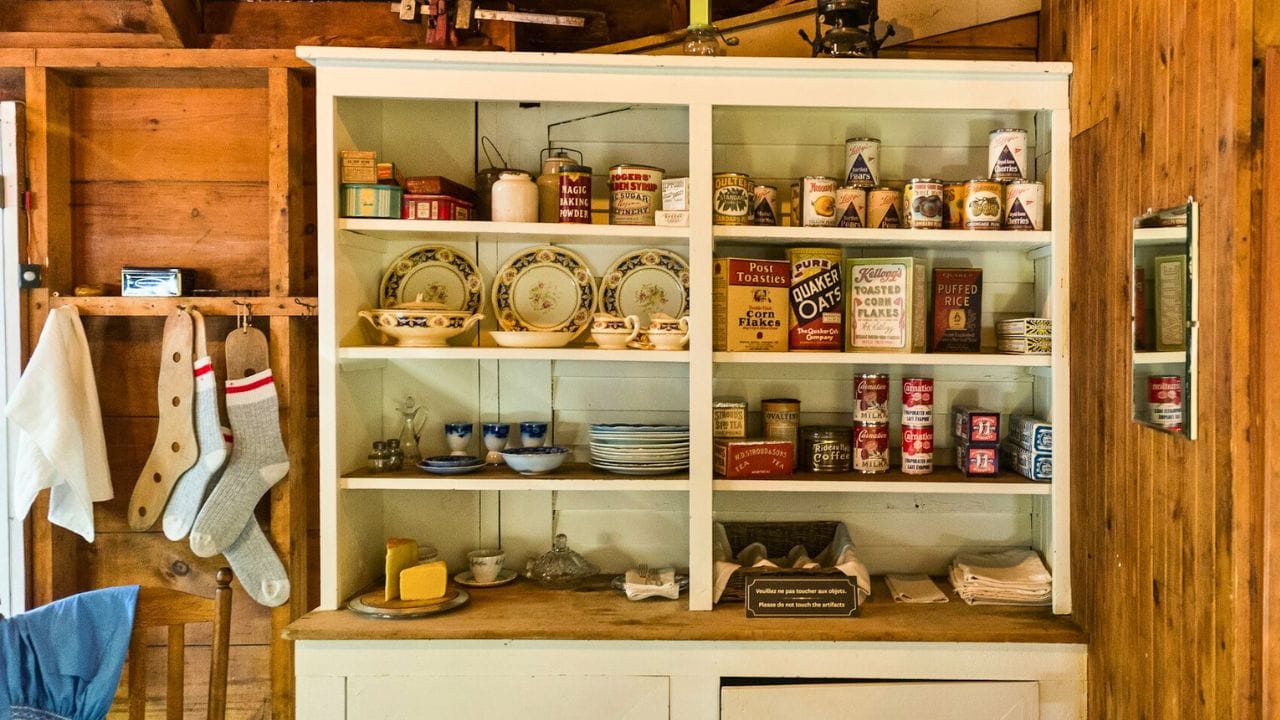
You don't need a bunker to be prepared. Start small: one extra of the things you'd hate to run out of-toilet paper, trash bags, your usual flour, cooking oil, basic spices, coffee, kids' snacks.
Think "backup shelf," not "wall of food." Once you get used to having one extra, you can slowly build to a few weeks' cushion on your most-used items. That slow growth keeps the space manageable and your budget from taking a hit all at once.
3. Use the one-in, one-out rotation rule
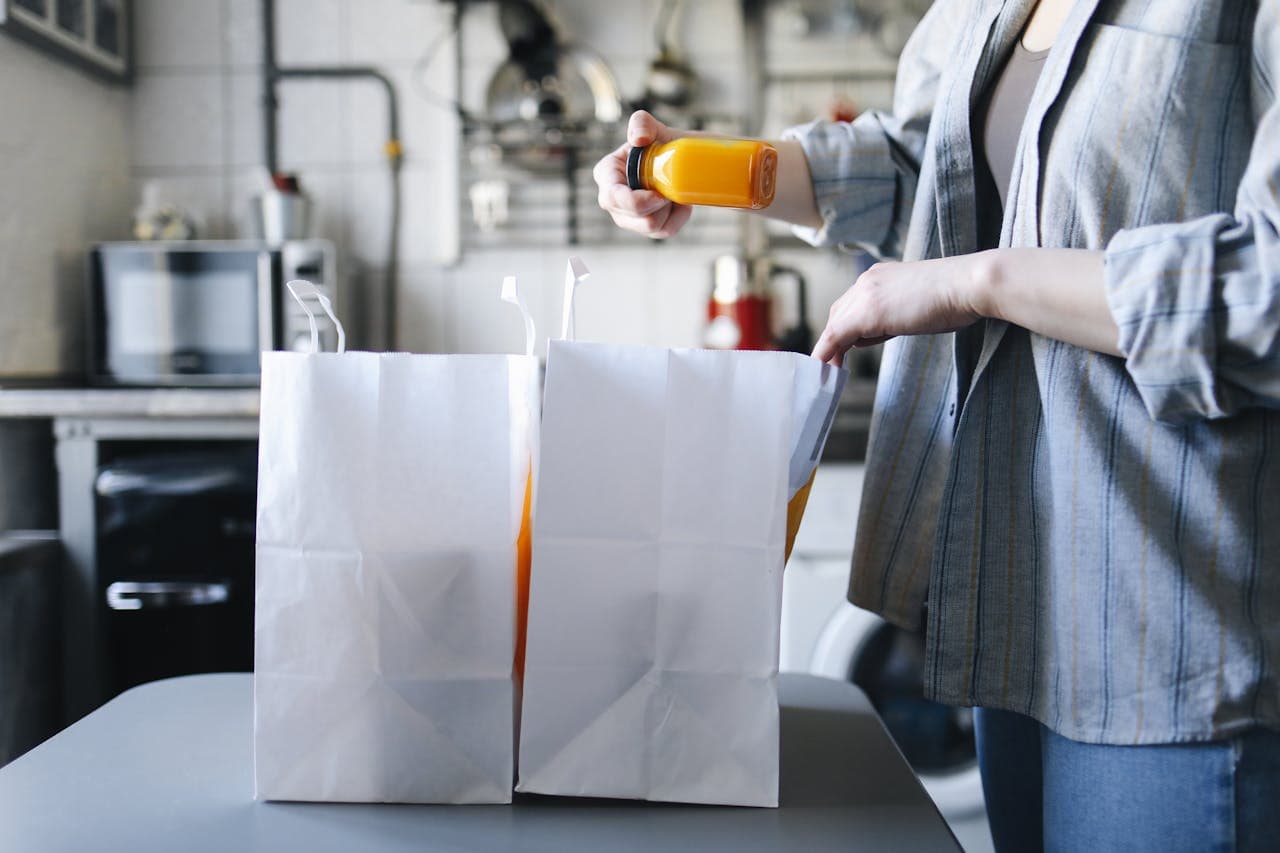
When you buy a new item for your stockpile, it should go to the back, and the older one should move forward. Same concept people use in restaurants: first in, first out.
This keeps you from discovering a graveyard of expired cans behind the fresh stuff. It also forces you to interact with your stash regularly instead of letting it sit untouched for years "just in case." A stockpile that's actively rotated is money that keeps working instead of dying on the shelf.
4. Set sane limits based on your space
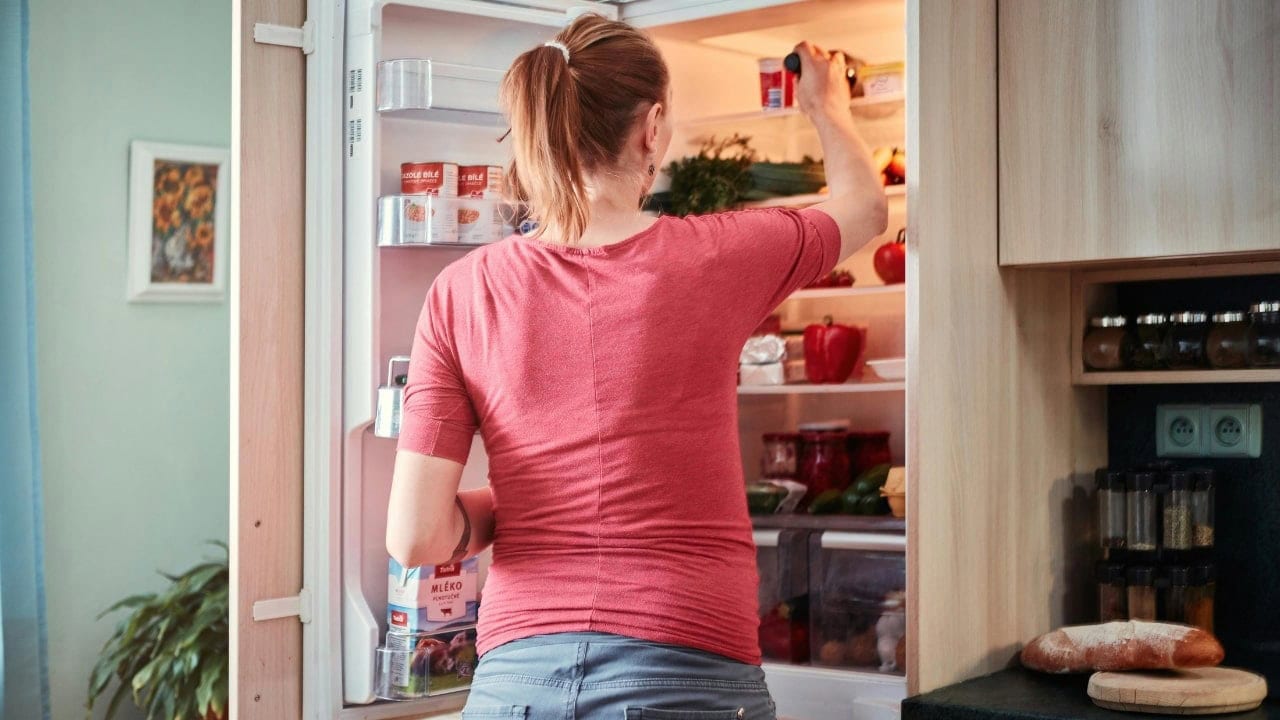
If your stockpile is spilling into walkways, your system is no longer working for you. Decide what areas are allowed-one shelf, one cabinet, one corner of a closet, a specific section of the garage.
When those spaces are full, your rule is simple: eat down what you have before you buy more. Working within physical limits keeps your "preparedness" from turning into clutter that stresses you out every time you see it.
5. Know your real usage so you don't overbuy
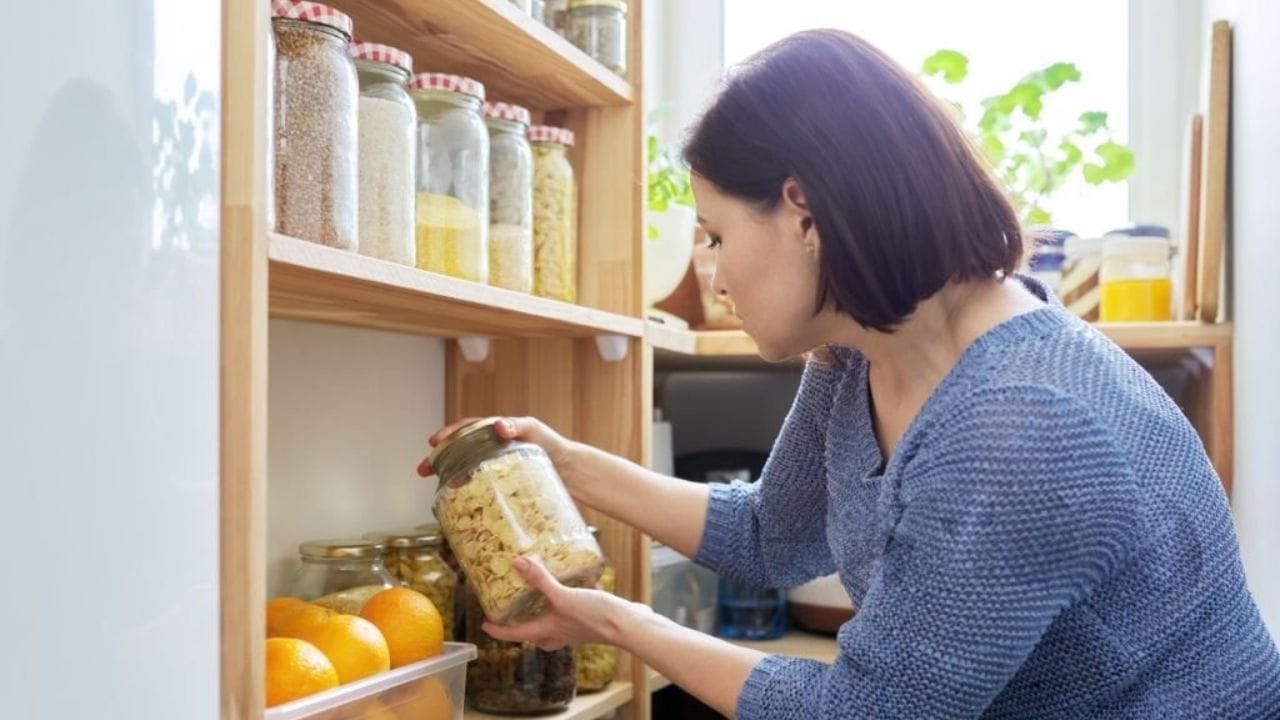
It's easy to imagine you'll go through 20 cans of beans or five giant jars of mayo-until you realize it takes you months to finish one.
Pay attention for a few weeks. How often do you actually open a new jar of peanut butter? How long does a bag of rice last in your house? Keep mental notes or jot it in the notes app on your phone.
When you know your true usage, you can stock a realistic amount-enough to feel ready, not enough to outlive you.
6. Keep an updated list taped near your stash
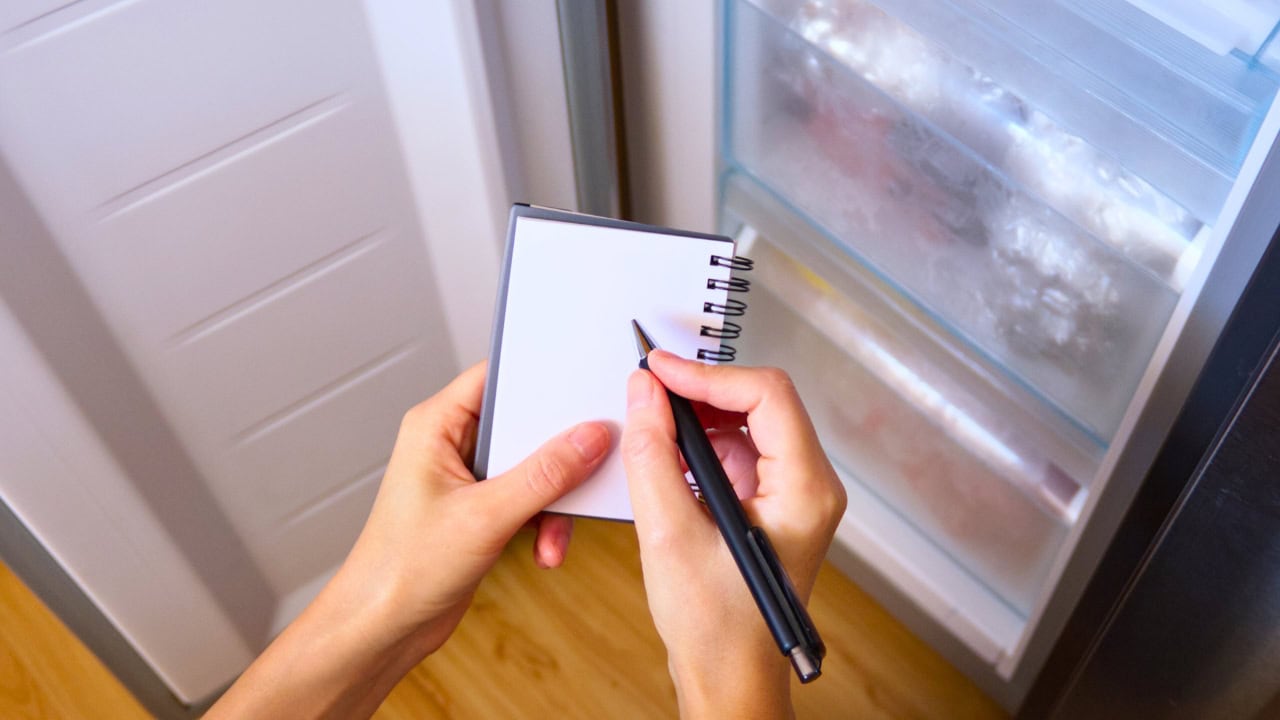
Nothing turns a stockpile into chaos faster than not knowing what's in it. Keep a simple list taped to the door, wall, or shelf: categories and rough counts.
It doesn't have to be perfect. Even "Rice - 3 bags" or "Canned tomatoes - 6" is helpful. When you use something, mark it. When you restock, adjust it.
This quick visual keeps you from rebuying things you already have tucked away and forgetting the items that actually are running low.
7. Make "eat from the stash" part of your normal meal rotation
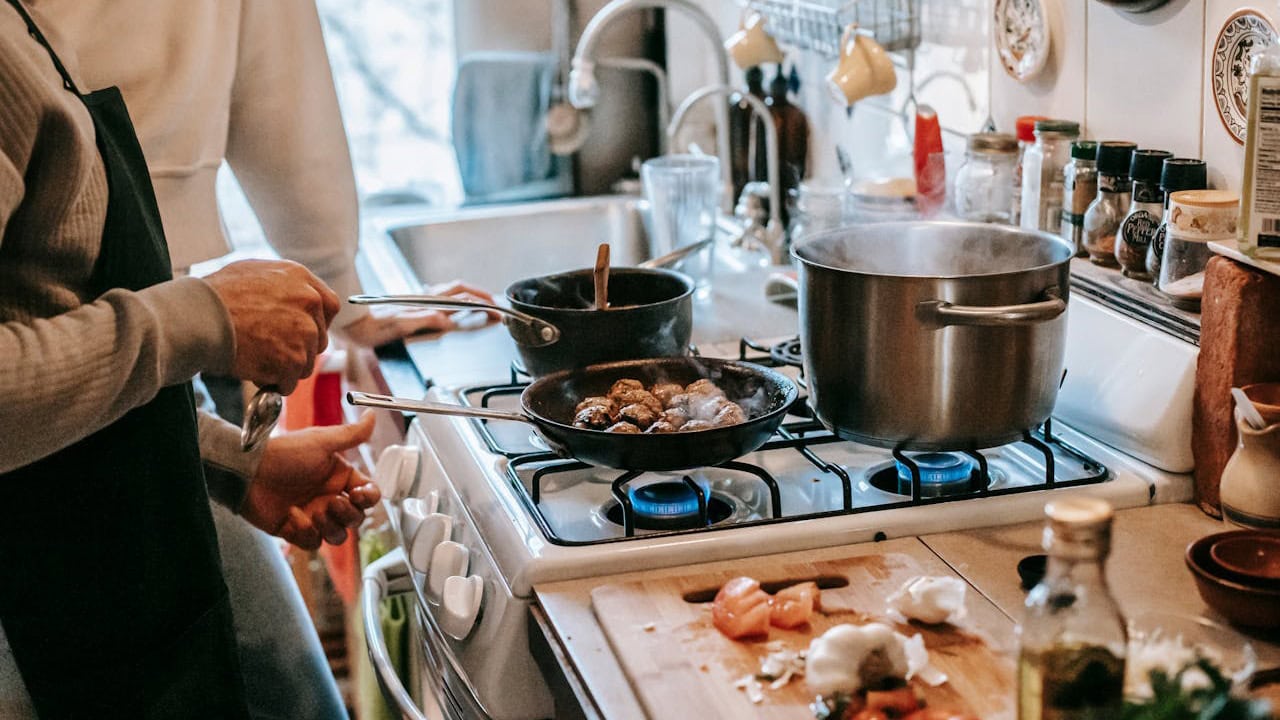
Your stockpile shouldn't be some sacred shelf you never touch. Plan regular meals that draw from it-soup night, pasta night, taco night, rice bowls.
When you cook from the stash, you're testing the foods you've stocked, clearing space for fresh items, and lowering that week's grocery bill. Then you can restock slowly as sales pop up, instead of letting everything sit untouched until dates get too close for comfort.
8. Don't stockpile things your family fights you on

If your kids hate a certain canned veggie or your spouse never touches the off-brand soup, stop buying it-even if it's cheap.
Hang onto the items that actually get eaten without drama. Otherwise, your stash becomes a collection of "emergency-only" foods everyone dreads, which is not exactly comforting.
Preparedness should feel like an extension of how you already live, not a punishment meal plan waiting in the wings.
9. Give non-food items a home in your system too
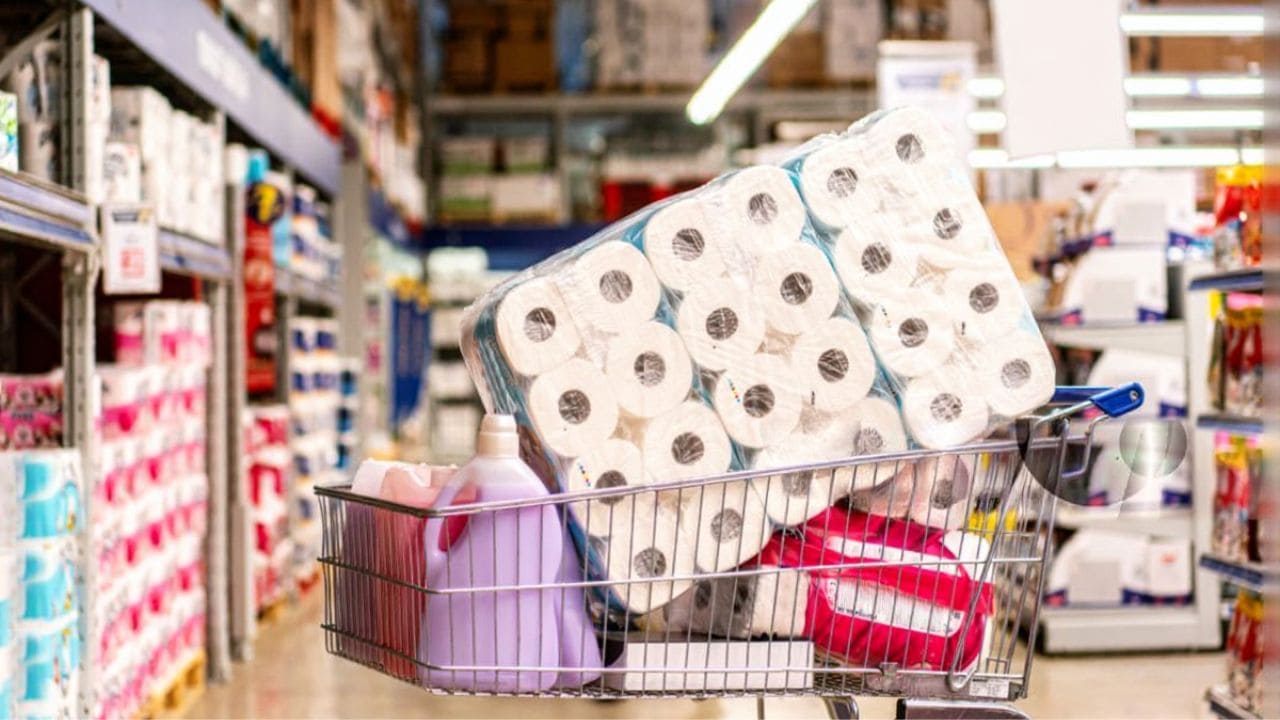
Food is important, but non-food basics can be just as disruptive when you run out. Think dish soap, laundry detergent, toiletry basics, trash bags, batteries, matches, paper products, and basic meds like pain relievers and allergy pills.
Give these their own small section next to your food stash or in a separate cabinet. Having even a bit of buffer here keeps you from last-minute store runs where extra items "jump" into your cart just because you're already there.
10. Watch expiration dates-but don't panic over "best by"

Use-by and best-by dates are guidelines, not hard cutoffs for most shelf-stable foods. That said, they're still useful for rotation.
Organize your shelves so the closest dates are front and center. If something is getting close, plan a meal that uses it soon. For items that truly worry you-like oils that go rancid-err on the side of caution.
The goal is to use food while it's at its best, not to obsess over every printed date. Regular rotation and realistic planning do most of the heavy lifting.
11. Avoid your "fantasy self" when you stockpile

It's tempting to stock up for the version of you who bakes bread daily, loves lentils, and makes everything from scratch. That person might show up once in a while-but your stockpile needs to match the way you live most of the time.
Stick to ingredients and products you know you'll reach for on a tired Tuesday: pasta, jarred sauce, canned beans, frozen veggies, easy baking mixes, your regular coffee.
If an item only fits a once-a-year mood, buy one, not ten. Your shelves should support your real life, not the idealized version you wish you had the time and energy to live every day.
12. Remember that a stockpile is there to free you, not control you

A good stockpile gives you breathing room: fewer last-minute store runs, backup when money is tight, and the flexibility to ride out a storm, illness, or job hiccup.
If looking at your shelves makes you feel stressed, guilty, or overwhelmed, that's a sign to scale back, eat things down, and simplify.
Being prepared isn't about impressing anyone or hitting a magic number of cans. It's about knowing that if you couldn't shop for a few weeks, your family would still eat well-and your house wouldn't feel like it's bursting at the seams.
Like Thrifty Jinxy's content? Be sure to follow us.
Here's more from us:
How to Make Baby Yoda Cookies with Step-by-Step Instructions
Super Easy Biscuit Recipe with No Shortening
*This article was developed with AI-powered tools and has been carefully reviewed by our editors.





Leave a Reply