
12 small money mistakes you don't realize are raising your monthly bills
Most budgets don't blow up from one huge decision. It's the small, repeatable habits that quietly nudge your bills higher and higher until you're wondering why it feels so tight every month.
The sneaky part? A lot of these don't look like "money mistakes" at all. They look like normal life.
Here are the tiny choices that can keep your monthly bills higher than they need to be-and what to do instead.
1. Letting trial subscriptions roll "just one more month"
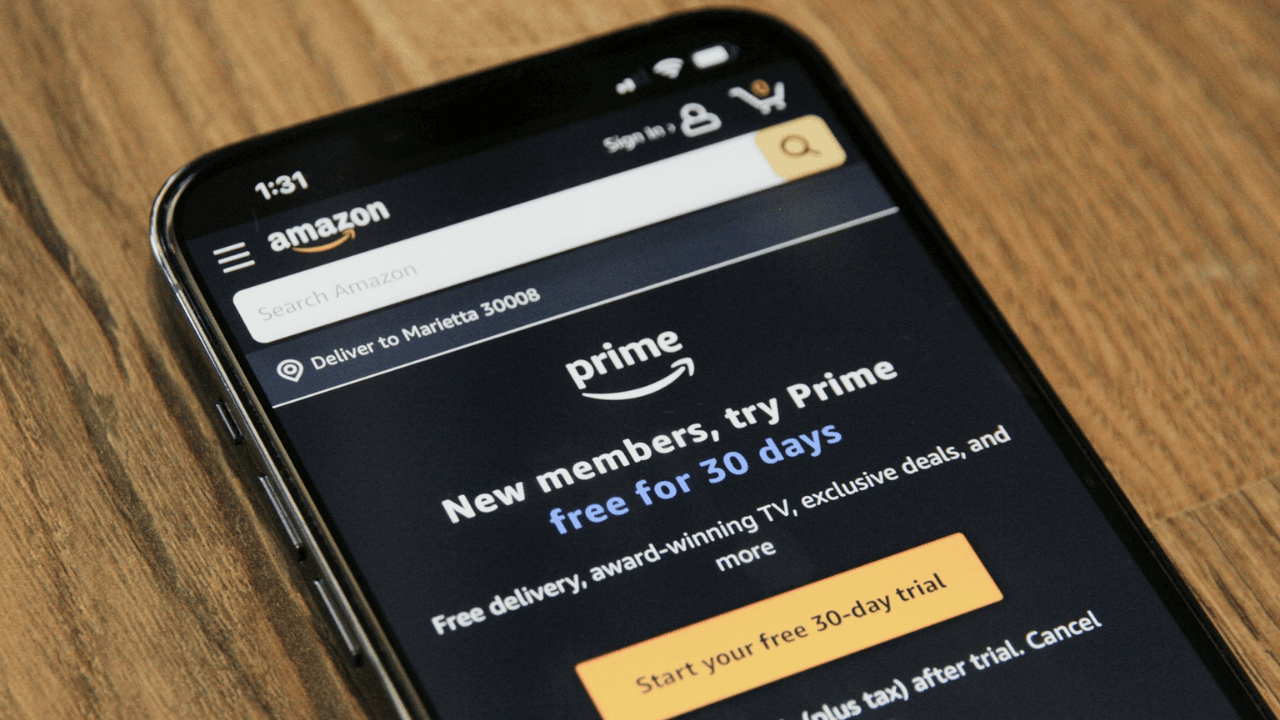
Free trials and "first month for $1" offers are designed to hook you when it doesn't feel like real money yet.
The problem comes when the trial ends and you tell yourself, "I'll cancel next month." Then another month. And another. Suddenly you're paying $10-$30 a month for something you barely use.
A better habit: cancel the same day you sign up for a trial, or set a clear reminder on your phone before the full price kicks in. If you genuinely miss it later, you can always rejoin on purpose.
2. Ignoring small fee increases on utilities and services

Companies rarely hike your bill by $50 at a time. It's more like $3 here, $7 there, plus a new fee line thrown in the middle of a crowded statement.
If you never look past the total, you won't notice that your internet, trash, or phone bill has crept up steadily over the last couple of years. Those "little" increases across multiple bills can easily add up to $30-$60 a month.
Checking your statements a few times a year and asking, "What changed?" gives you a chance to call and ask for promos or strip out add-ons you don't actually need.
3. Keeping appliances on "energy hog" settings by default
A lot of washers, dishwashers, and dryers come set to the longest, hottest cycles as the default. That's extra water, extra electricity, and extra wear on your stuff.
You may not notice the cost on one bill, but month after month it adds up-especially if you have a big family and run loads constantly.
Try switching to cooler water, shorter cycles for everyday loads, and air-dry options when you can. Save the heavy-duty settings for when things are truly gross. You'll be surprised how little you miss those default cycles.
4. Over-drying laundry "just to be sure"
Hitting "more time" on the dryer feels harmless. Nobody wants to deal with damp jeans. But constant over-drying is hard on your clothes and your power bill.
Running that machine an extra 20-30 minutes each load, multiple times a week, is basically paying for heat you didn't need. Clothes wear out faster too, which means you're replacing them more often.
Clean the lint trap, give loads some space, and learn how long your machine really needs for different fabrics. Dialing it in once can save you money every single week without changing your lifestyle at all.
5. Letting your thermostat swing all over the place
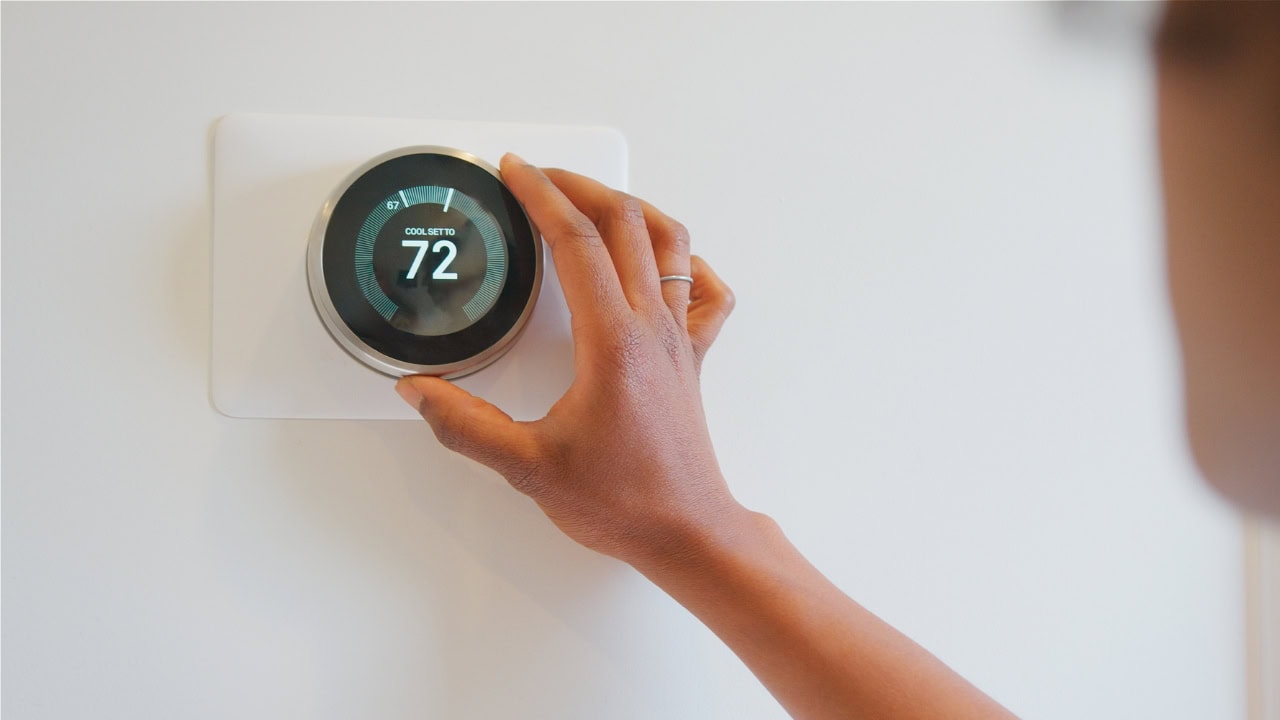
Constantly cranking the heat up and down or blasting the AC to "catch up" is costly. Your system works hardest during those big swings, which means more energy use and more strain on the unit.
You don't have to live in a house that's uncomfortable, but settling on a realistic temperature range and letting a programmable or smart thermostat hold it steady helps a lot.
Even a two-degree shift can make a difference over a whole month. Pair that with ceiling fans, throws, and appropriate clothes, and your bill doesn't have to do all the heavy lifting.
6. Ignoring slow leaks and drips because "it's not that bad yet"
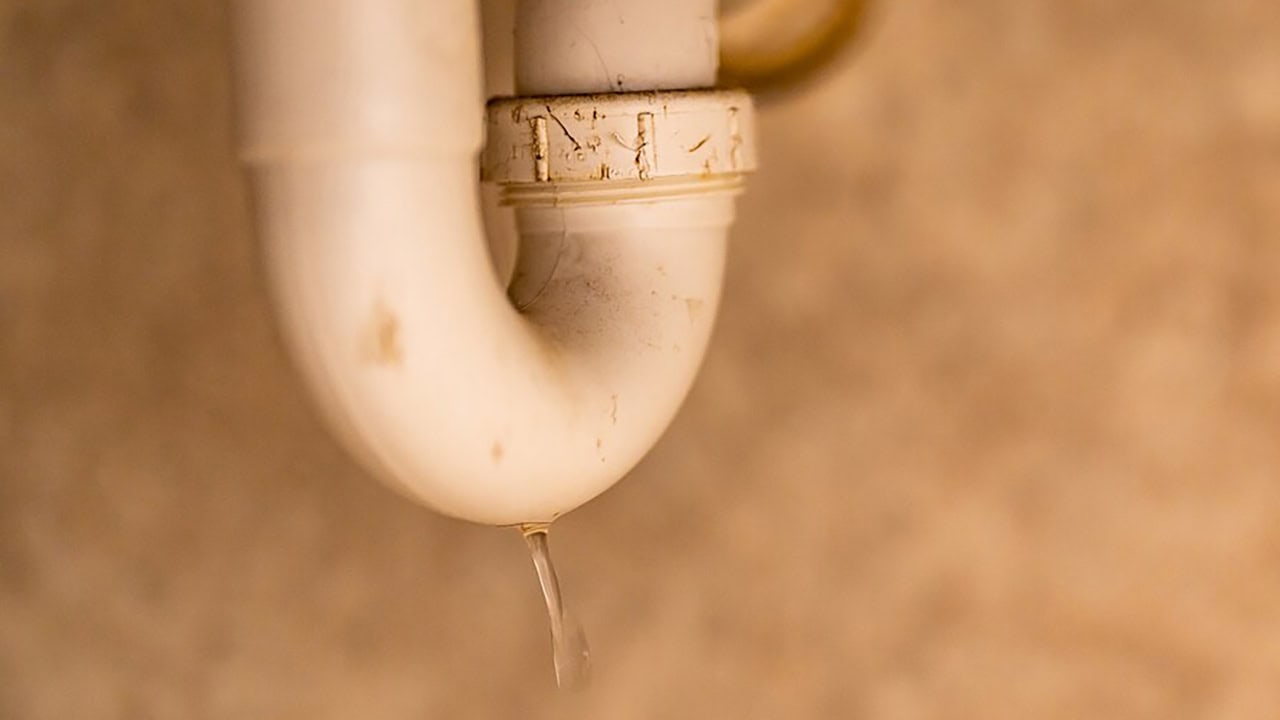
A tiny drip under the sink or a toilet that runs for a bit after flushing doesn't feel urgent. You can still use everything, nothing's flooded, so it slides down the list.
That slow leak is money literally going down the drain-water usage, potential damage to wood or flooring, maybe mold down the road. By the time it's "bad enough" to deal with, the cost often jumps.
Fixing little plumbing issues early, even if it means a small repair bill now, can save you from a much uglier water bill and a bigger repair later.
7. Letting "convenience food" creep into the regular grocery budget

A frozen pizza here, a few extra microwave meals there, constant single-serving snacks. None of it is wild on its own.
Over time, though, convenience food can quietly push your grocery bill up by hundreds each month-especially when it starts replacing simple, cheaper meals you could make without much effort.
You don't have to cook from scratch every day. Even trading a couple of those convenience dinners a week for basic pasta, tacos, or slow cooker meals you actually like can shave your bill down without making you miserable.
8. Running small, frequent "top-off" errands

Running into the store for "just milk" two or three times a week rarely ends up being just milk. A snack, a drink, a magazine, a clearance find sneaks in.
Those little trips also burn gas and time. Multiplied over a month, it can easily bump your grocery and fuel spending up more than you realize.
Planning one main shopping trip and one planned "top-off" day lowers the number of times you're even in a position to impulse buy. You still stay stocked, just without three mini-hauls stealing from your budget.
9. Leaving electronics and devices plugged in all the time
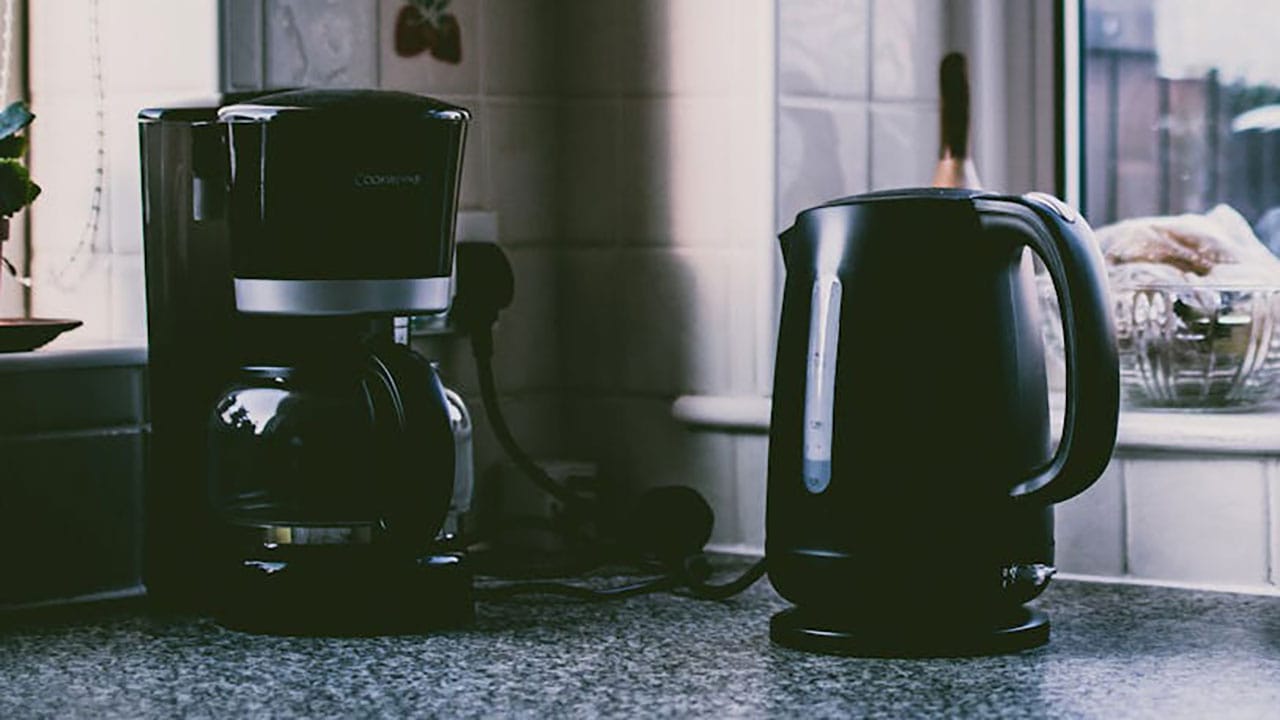
Chargers, TVs, game consoles, streaming boxes, and some appliances sip power even when you're not actively using them. It's not massive in a single day, but it's relentless.
If your home is full of "always on" gadgets, that standby usage can add a noticeable chunk to your power bill over a month.
You don't have to unplug everything, but power strips for consoles and TVs, plus not leaving random chargers plugged in everywhere, cuts down on that constant trickle you're paying for.
10. Not questioning "standard" insurance coverage once a year

Insurance renewals slide in with subtle increases and the same old coverage. If you never question deductibles, coverage levels, or shop around, you might be overpaying for protection you don't even need-or underinsured in areas that would really matter.
Even one yearly check-in-calling your agent, asking for discounts, comparing quotes-can uncover cheaper options or better fitting coverage.
It doesn't mean you always switch. Sometimes just asking gets you a lower rate with what you already have. Either way, you're not blindly accepting every increase handed to you.
11. Letting "small" app and digital purchases fly under the radar

In-app upgrades, extra storage, game passes, audiobook credits, "one-time" purchases-individually, they don't look like much.
When you sprinkle them across several cards and platforms, they're easy to ignore. Your bills look "about normal," and you never see the full picture.
Once in a while, pull a month's worth of card and bank statements and highlight every digital charge. Seeing that total in one place can be a wake-up call-and a motivator to turn off auto-renewals on what you don't truly care about.
12. Avoiding small maintenance because "we'll deal with it later"
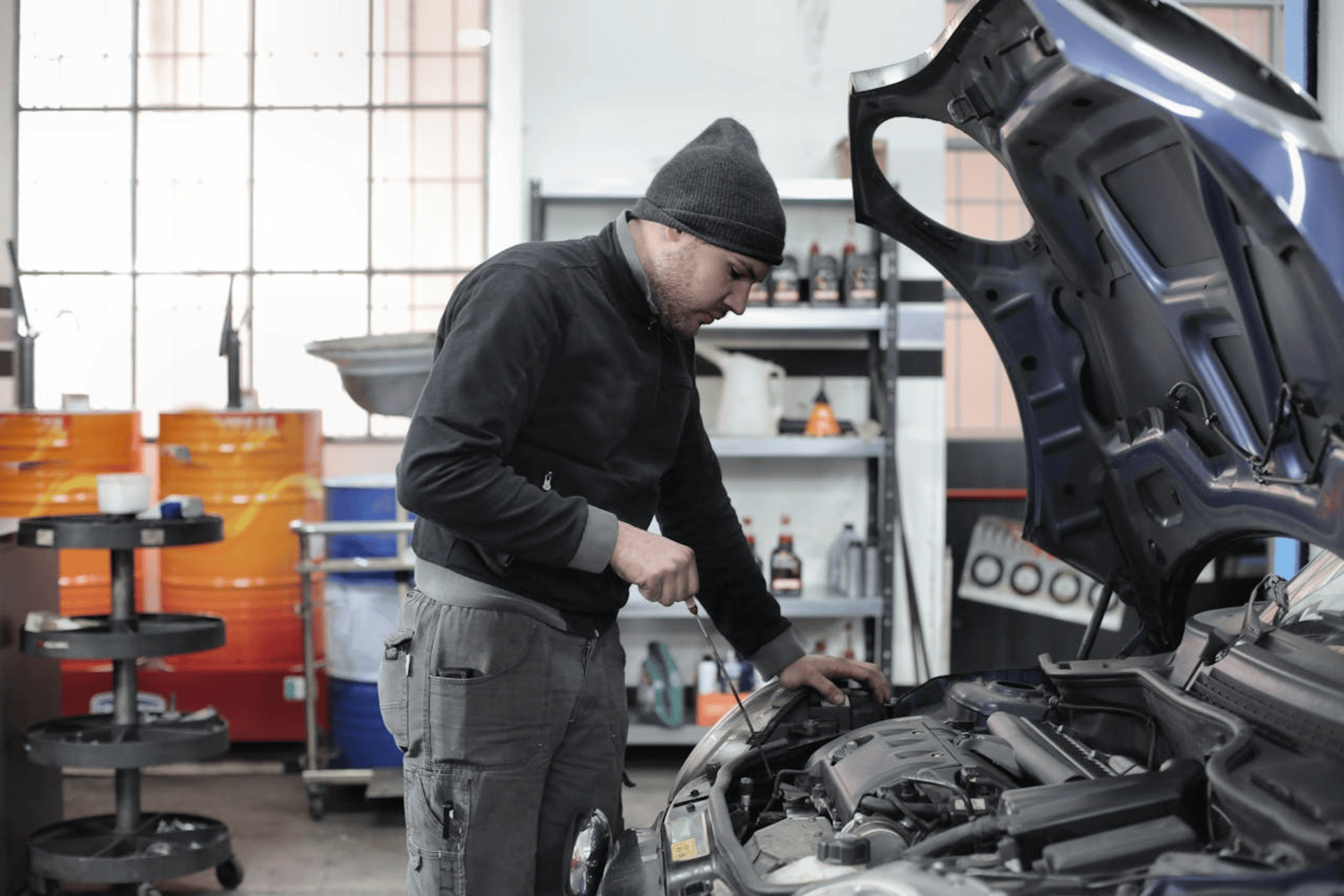
Skipping basic maintenance-HVAC filters, cleaning dryer vents, servicing your car, checking caulk and weatherstripping-saves money today. But it raises your monthly bills in sneaky ways.
Your systems work harder, use more energy, and wear out faster. That shows up as higher power bills, more frequent repairs, and sometimes full replacements sooner than necessary.
Building a simple maintenance checklist and tackling one small thing each week is way cheaper than waiting for something to break. A tiny bit of prevention keeps both your utilities and your repair costs from creeping higher every year.
*This article was developed with AI-powered tools and has been carefully reviewed by our editors.






Leave a Reply