
12 little tweaks that can save you an extra $100 this month

You don't need a perfect system or a color-coded budget binder to free up a little extra cash. Most of the time, that extra $100 is hiding in tiny habits you repeat all month without thinking-quick grocery runs, default settings, auto-charges you forgot about.
These tweaks aren't dramatic. But together, they can quietly free up real money without turning your life upside down.
Do one "no-spend" weekday

Pick a weekday where you don't buy anything-no drive-thru drinks, no add-on orders, no quick store runs. Knowing that day is coming nudges you to plan better and cuts out those forgettable $5-$15 hits. Four of those days in a month can easily save $40-$60.
Swap one takeout night for a "cheater" home meal

Instead of ordering in, keep an easy back-up meal on hand: frozen pizza with a salad, nachos with canned beans and cheese, or a simple pasta. Replacing even one $35-$50 takeout bill with a $10-$15 home meal puts money back in your pocket.
Trim one subscription you barely use

Log in and actually look at what's auto-billed-streaming, apps, memberships. Cancel just one that doesn't really earn its place anymore. Even $7-$15 a month matters when you stack a few changes at once.
Drop grocery delivery for pickup

Delivery fees and tips add up. Switching to free or cheaper pickup still saves you from impulse buys inside the store but cuts the extra charges. Over a month of weekly orders, that can easily be $20-$30 saved.
Tighten your "top-off" grocery visits

Those midweek runs for "just a few things" are budget killers. Set a simple rule: if you go back to the store, it has to fit in a hand basket, not a cart. That physical limit keeps you from loading up on extras.
Use up what's already in the pantry once a week
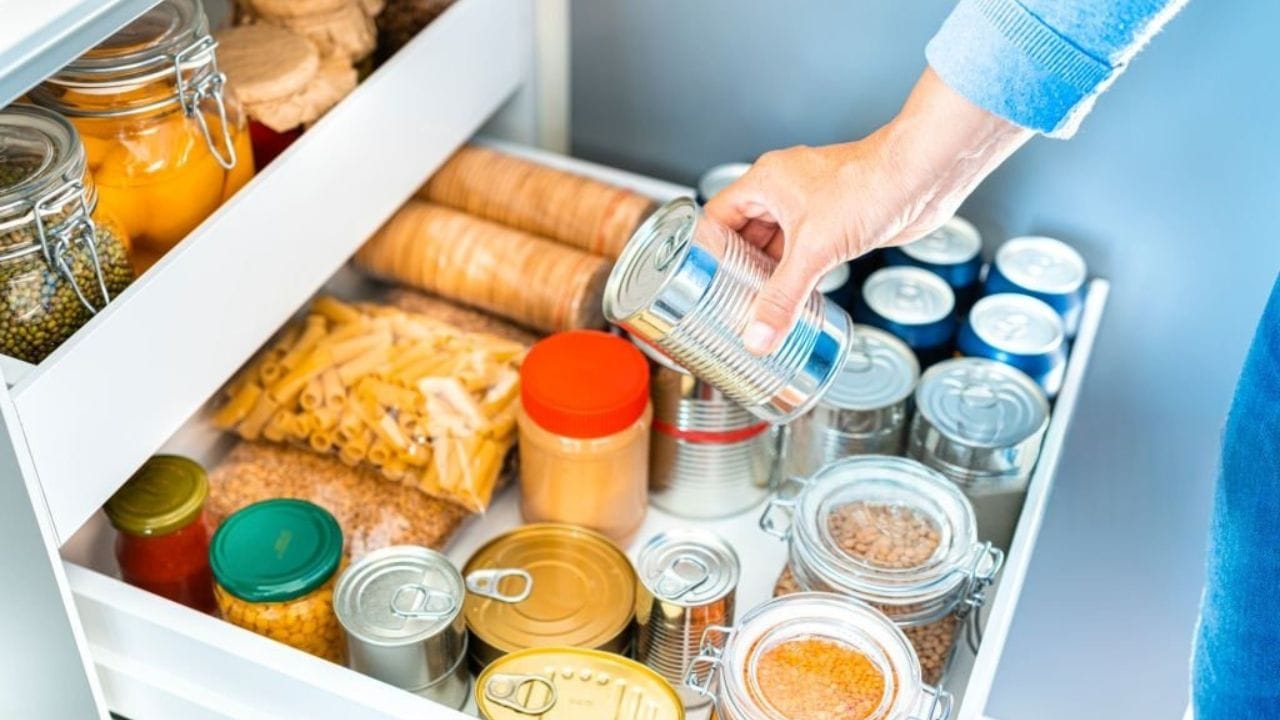
Choose one dinner a week that has to come from what you already have-beans, pasta, freezer veggies, leftover meat. That's four dinners a month that don't require a full grocery list.
Turn your thermostat a couple degrees
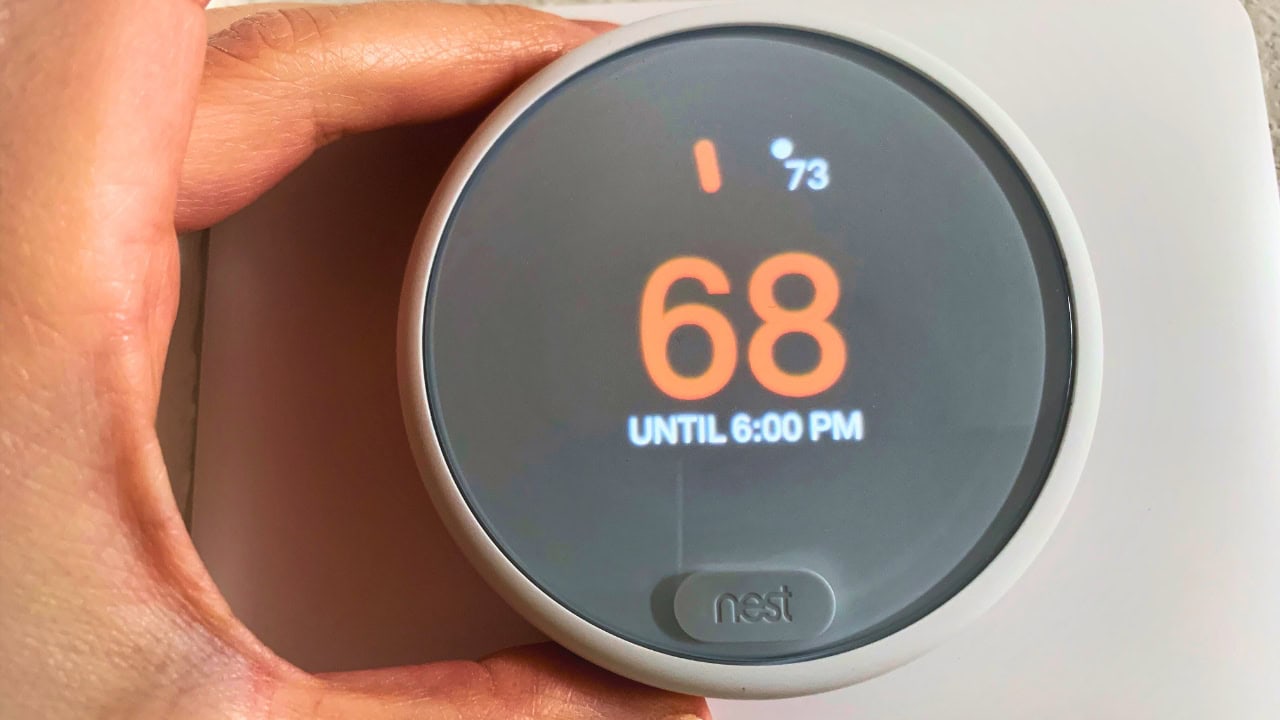
Adjusting the thermostat by 1-2 degrees (down in winter, up in summer) and using socks, throws, or ceiling fans to stay comfortable can shave a little off your bill. It's not huge alone, but it helps when combined with other tweaks.
Give yourself a weekly cash limit for small treats

Instead of swiping your card for every coffee or snack, pull out a set amount of cash at the start of the week-for example, $20. When it's gone, you're done until next week. That one rule keeps the small stuff from running wild.
Set a 24-hour rule for non-essentials

If it isn't food, gas, or a true need, wait 24 hours. Screenshot the item, walk away, and see if you still care the next day. Most "had to have it" buys die off on their own. The ones that stick around are usually worth planning for.
Make one extra-small debt payment
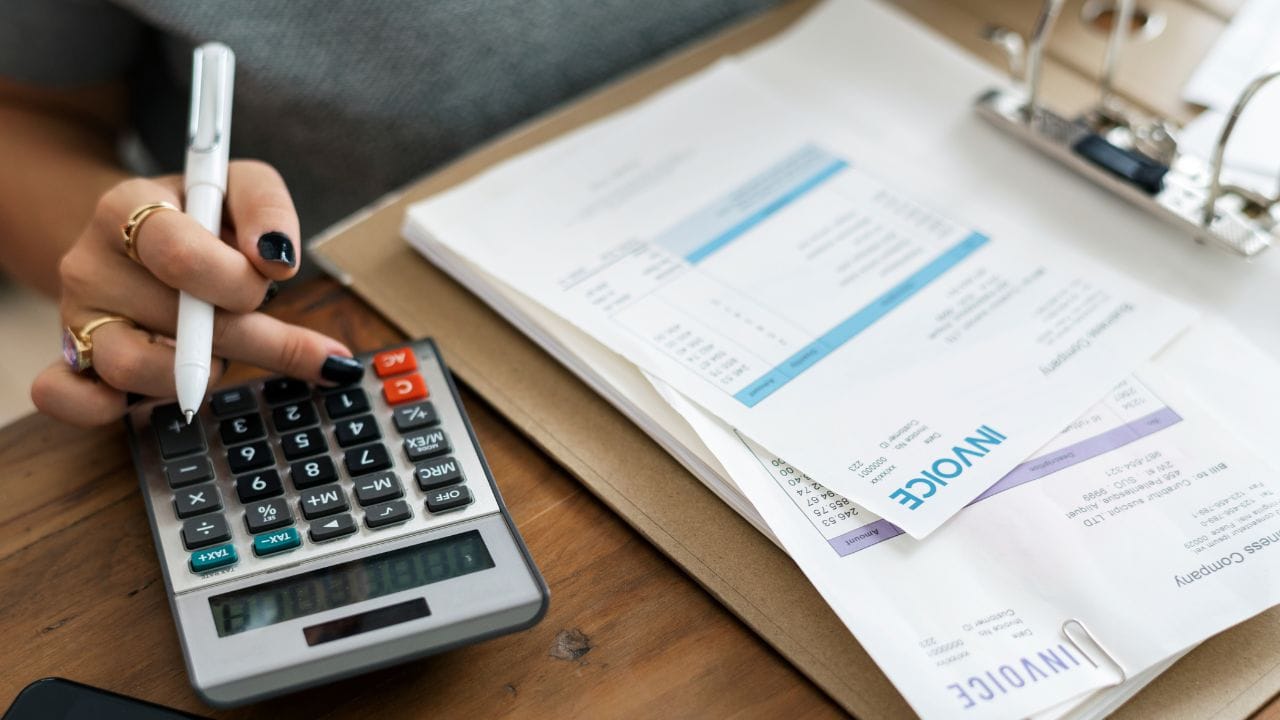
Pick your smallest debt and throw an extra $10-$25 at it this month. It doesn't sound like much, but the habit of always paying a little extra speeds up payoff and keeps interest from eating more of your money long term.
Challenge one recurring bill

Call or chat with one company-insurance, phone, internet-and ask if there are any discounts or lower plans that still meet your needs. Even a $10 reduction sticks around every month you stay on that plan.
Decide ahead what to do with "found" money
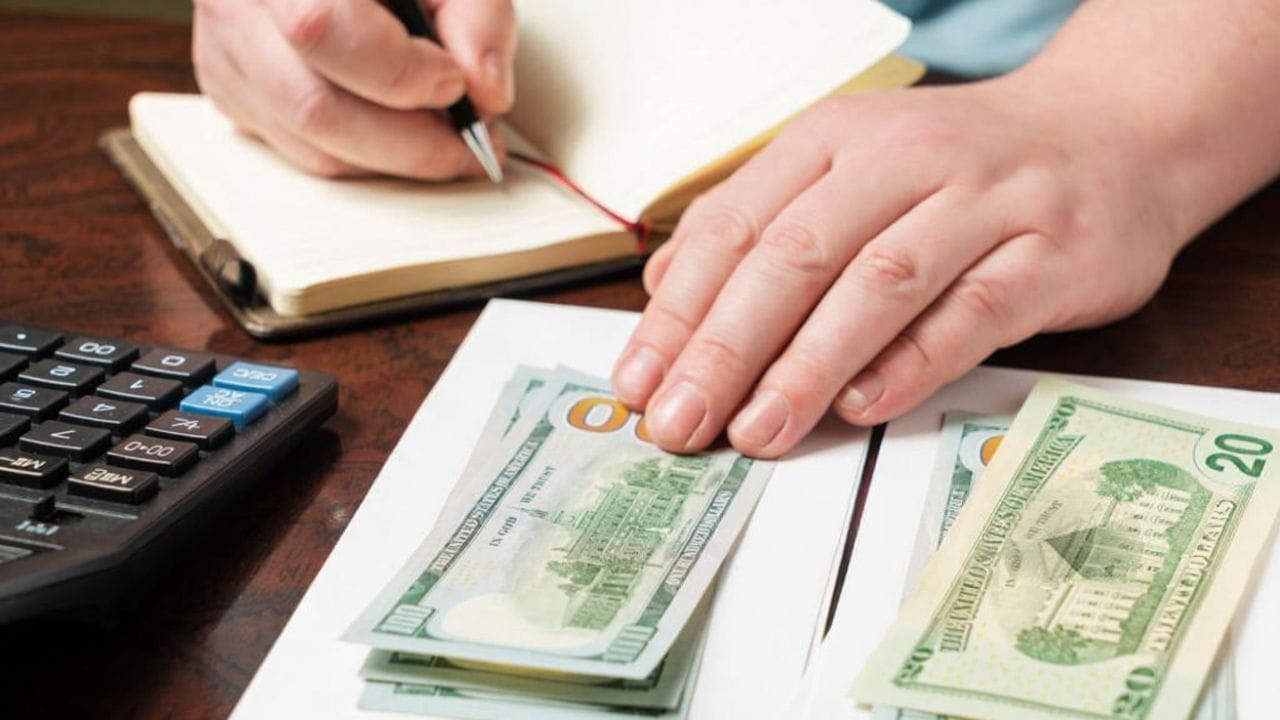
If you do free up $100 between cuts and savings, decide ahead where it goes-savings, sinking fund, debt, or a specific goal. If you don't give it a job, it'll disappear into regular spending and you'll feel like nothing changed.
*This article was developed with AI-powered tools and has been carefully reviewed by our editors.






Leave a Reply