

Small changes add up faster than you think. You don't need a brand-new budget to free up a little breathing room-just a few habits you repeat all month. These tweaks don't feel extreme, but together they can easily shake loose an extra $100 (or more) without turning your life upside down.
1. Pick one no-spend weekday

Choose one weekday where you don't buy anything-no drive-thru, no Amazon, no quick store runs. Four no-spend days a month can quietly shave $40-$60 without you touching your main budget. It encourages you to plan ahead-whether that's packing meals, using what you already have at home, or skipping impulse purchases. Over time, this small habit builds awareness around spending and helps break the cycle of daily expenses. It's a simple reset each week that can add up to meaningful savings.
2. Swap one takeout night for a "cheater" meal

Swapping one takeout night for a "cheater" meal is an easy way to cut costs without giving up convenience. Think frozen pizza, rotisserie chicken, or a quick pantry meal that comes together in minutes. You still get that low-effort dinner feel, but at a fraction of the price of ordering out. Replacing just one $40 takeout order with a $10 home meal frees up $30 right there.
3. Cut one subscription you barely notice

Cutting one subscription you barely notice is one of the quickest ways to free up extra cash. Log into your bank or PayPal and hunt for auto-charges. Cancel just one you barely use-streaming, apps, boxes. Even $10-$15/month matters when stacked with other changes. Taking a few minutes to review and cancel just one can instantly reduce your recurring expenses.
4. Switch delivery to pickup

Grocery delivery fees and tips add up. Using free or cheaper pickup gives you the same "no impulse aisle" benefit without the extra cost. Switching from delivery to pickup is a simple way to save without changing what you order. It's an easy habit that can lead to noticeable savings over time.
5. Put a hard cap on midweek top-off trips

Those "just milk and bread" trips rarely stay small. Decide that top-off trips must fit in a hand basket, not a cart. That one rule keeps you from refilling the pantry every few days. Putting a hard cap on midweek "top-off" trips can help prevent small, frequent spending from adding up. These quick store runs often lead to impulse buys that weren't part of the original plan. It's a simple boundary that helps keep your grocery costs under control.
6. Build one "use it up" meal a week

Once a week, dinner must come from what you already have-leftover meat, pantry pasta, freezer veggies. That's four dinners a month you're not buying ingredients for. Building one "use it up" meal each week helps reduce food waste and stretch your grocery budget. This habit keeps food from going to waste while saving you from buying more ingredients. Over time, it becomes an easy way to get more value out of what you already have.
7. Nudge the thermostat a couple degrees

Nudging the thermostat just a couple of degrees can make a noticeable difference in your energy bill over time. Adjust it 1-2 degrees and lean on socks, hoodies, fans, and blankets. It's not dramatic, but it does chip away at your power bill all season. It's an easy change that doesn't require any extra effort once it becomes a habit.
8. Give yourself a small weekly cash "fun" budget

Pull out $20-$30 cash for coffees, snacks, and little treats. When the cash is gone, you're done. It keeps swipe-after-swipe from blowing up your month. Giving yourself a small weekly cash "fun" budget can actually help you spend more intentionally. When you set a clear limit, you're less likely to make random impulse purchases throughout the week.
9. Add a 24-hour rule for non-essentials
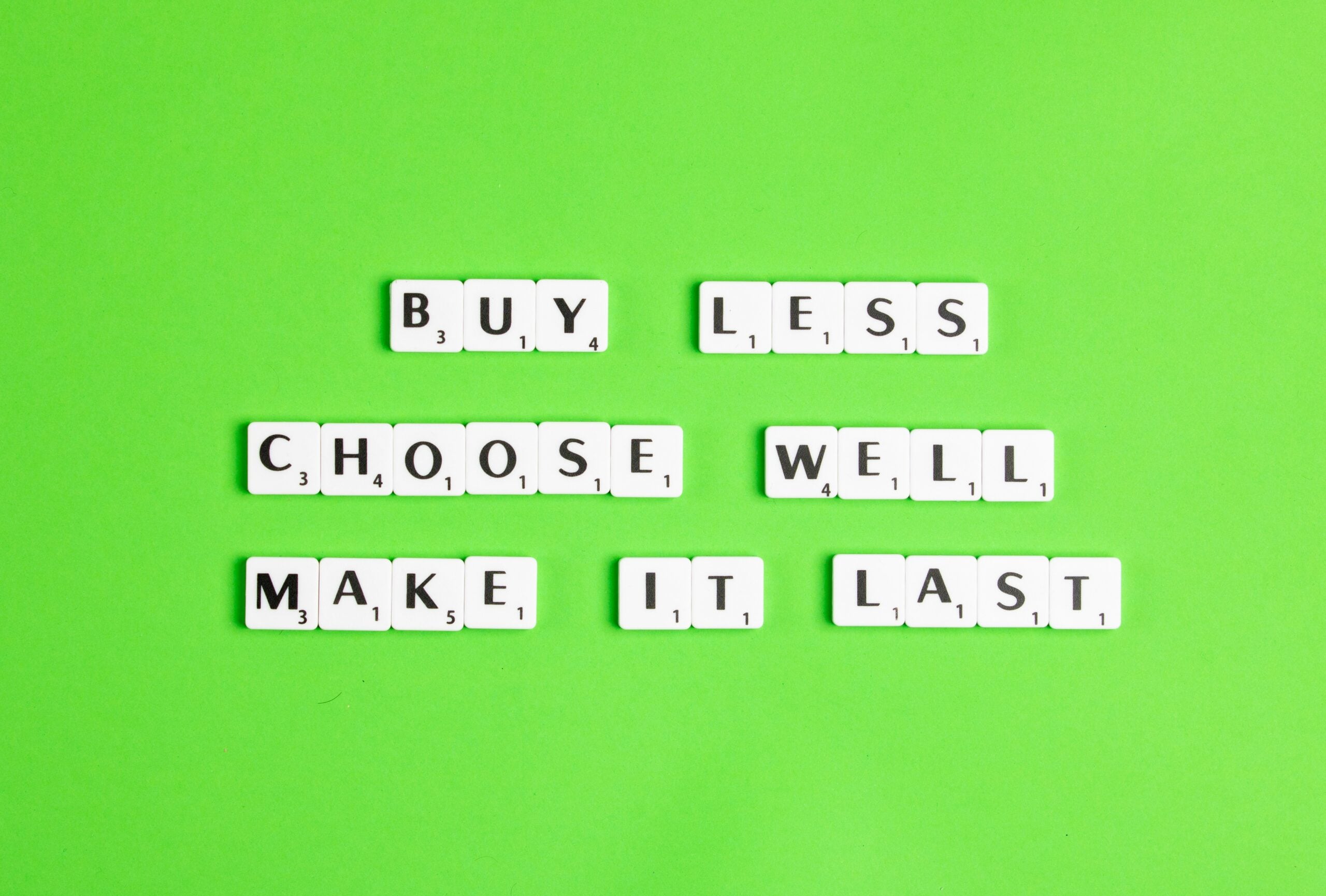
If it's not food, gas, or a bill, screenshot it and wait a day. Most impulse buys die off on their own, and the ones that stick, you can plan for. Adding a 24-hour rule for non-essentials can help stop impulse purchases before they happen. When you see something you want, waiting a full day gives you time to decide if you actually need it or just want it in the moment. It's a simple habit that can lead to more thoughtful spending and fewer regrets.
10. Challenge just one bill this month

Call your phone, internet, or insurance provider and ask for any cheaper options or promos. Even a $10 drop sticks around every month. Challenging just one bill each month can uncover savings you might not expect. Even if the savings are small, they add up over time and build a habit of being more proactive with your finances. It's a simple way to take control without making big lifestyle changes.
11. Move "found" money out of checking

Refunds, cash back, or that extra $20 from tweaks? Transfer it to savings or debt as soon as it hits. If it stays in checking, it disappears. Moving "found" money out of your checking account can help you save without overthinking it. By transferring it to savings right away, you reduce the temptation to spend it casually.
12. Make debt payments slightly uneven on purpose

Round one debt payment up by $10-$25 every month. It doesn't feel huge in the moment, but it cuts interest quietly and speeds up the day you're done paying it. Making your debt payments slightly uneven on purpose can help you pay things down faster without feeling overwhelmed. Instead of sticking to a rigid routine, you can throw a little extra toward one balance when you have a good week or month.
*This article was developed with AI-powered tools and has been carefully reviewed by our editors.






Leave a Reply