
12 clutter habits that cost you money long after you've paid for the stuff
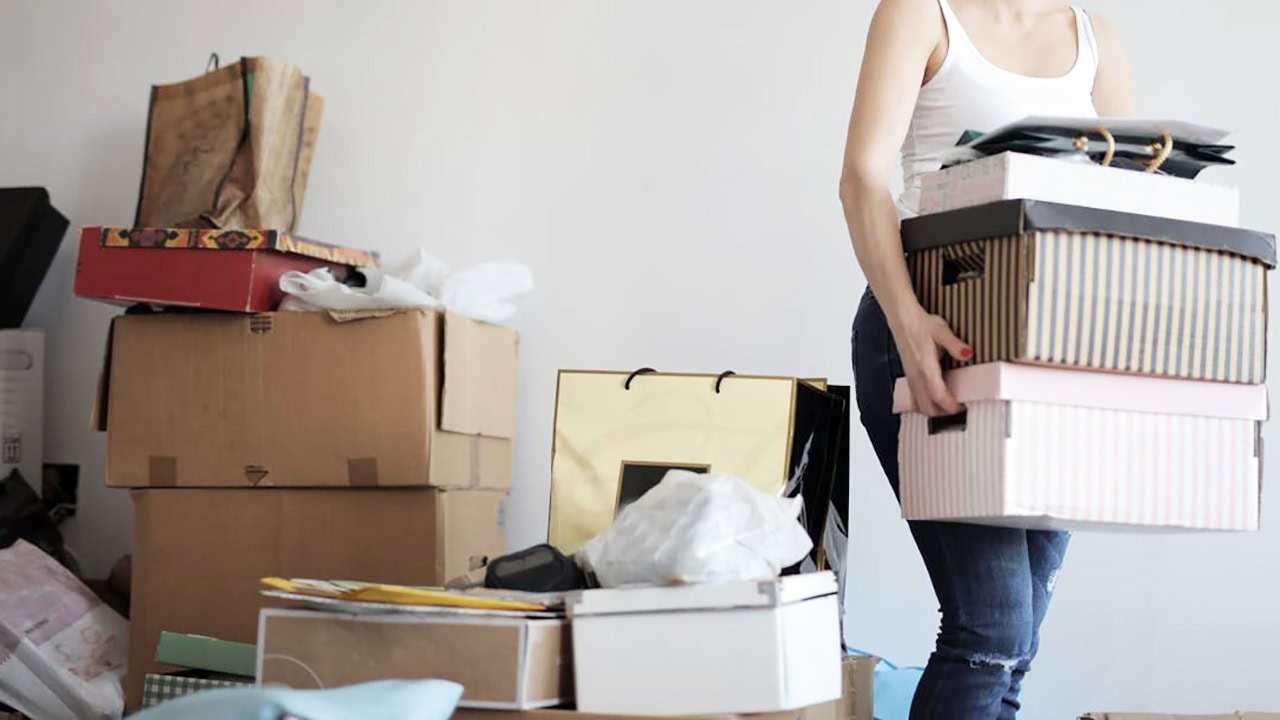
Clutter doesn't just take up space-it quietly drains your wallet. You buy things twice, lose track of what you own, and pay extra in time, stress, and even damage to your house.
Most of this doesn't feel like "spending" in the moment, but it shows up over and over in your budget. Here are the habits that hurt the most and how to start breaking them.
1. Shoving things in bins "for now" and never labeling anything
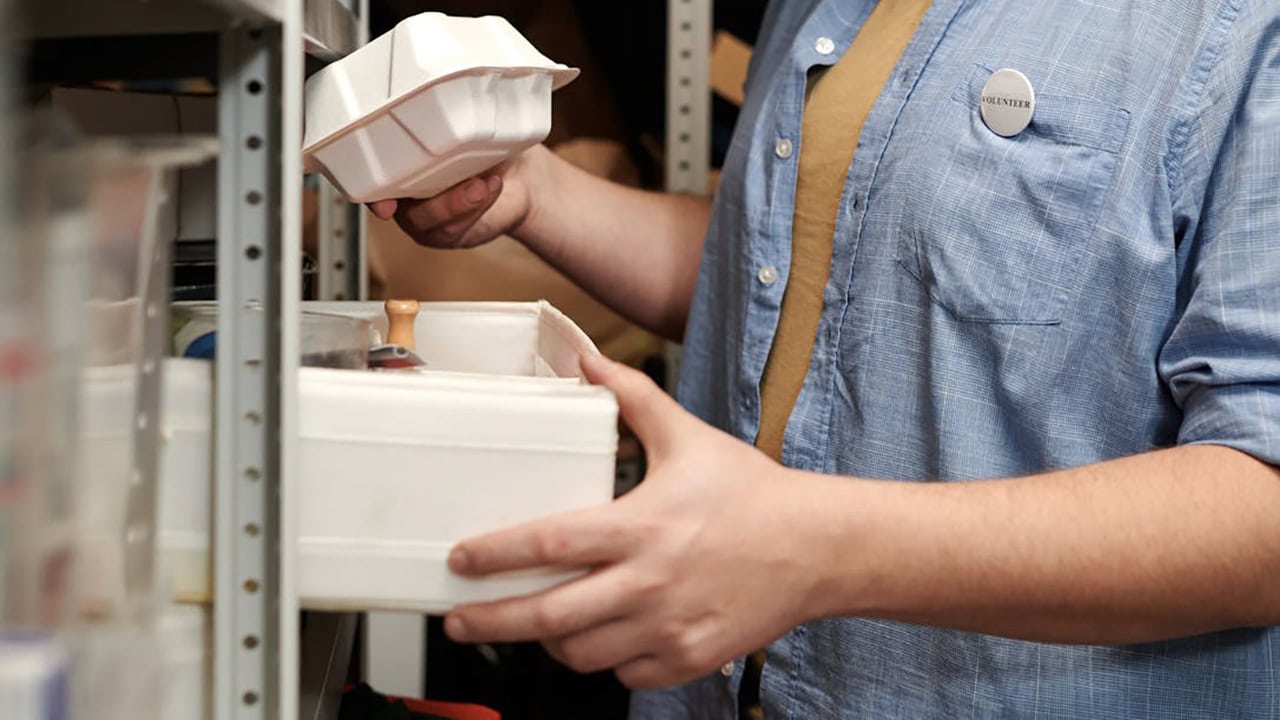
Tossing odds and ends into random bins feels like cleaning, but if you don't label them, you basically turned your stuff into mystery boxes.
Later, when you need batteries, screws, or extra school supplies, you can't find them. So you go buy more, because hunting through eight unlabeled tubs isn't happening on a busy day.
Even a strip of painter's tape and a Sharpie makes a difference. Clear labels mean you actually use what you already paid for instead of starting from scratch every time.
2. Keeping a "junk drawer" that's actually three drawers and a cabinet
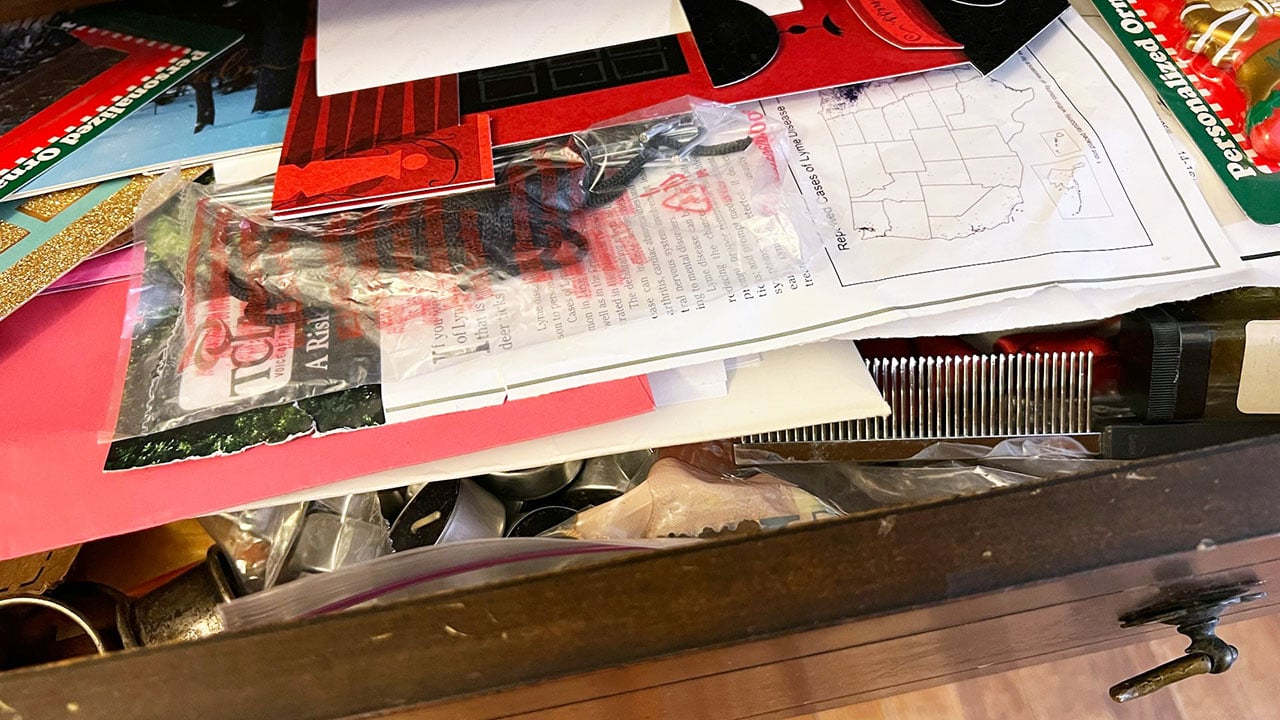
One junk drawer is normal. When it spreads, that's a sign you're paying to store clutter instead of tools you use.
Important things-gift cards, stamps, screws, cords-get buried under broken pens and dead batteries. When you can't find what you need in under a minute, you're more likely to run to the store and grab another.
Cleaning out even one of those catch-all spots and giving important items a real home saves you from buying yet another tape measure because the other four are hiding.
3. Letting expired products sit because "I might use that one day"
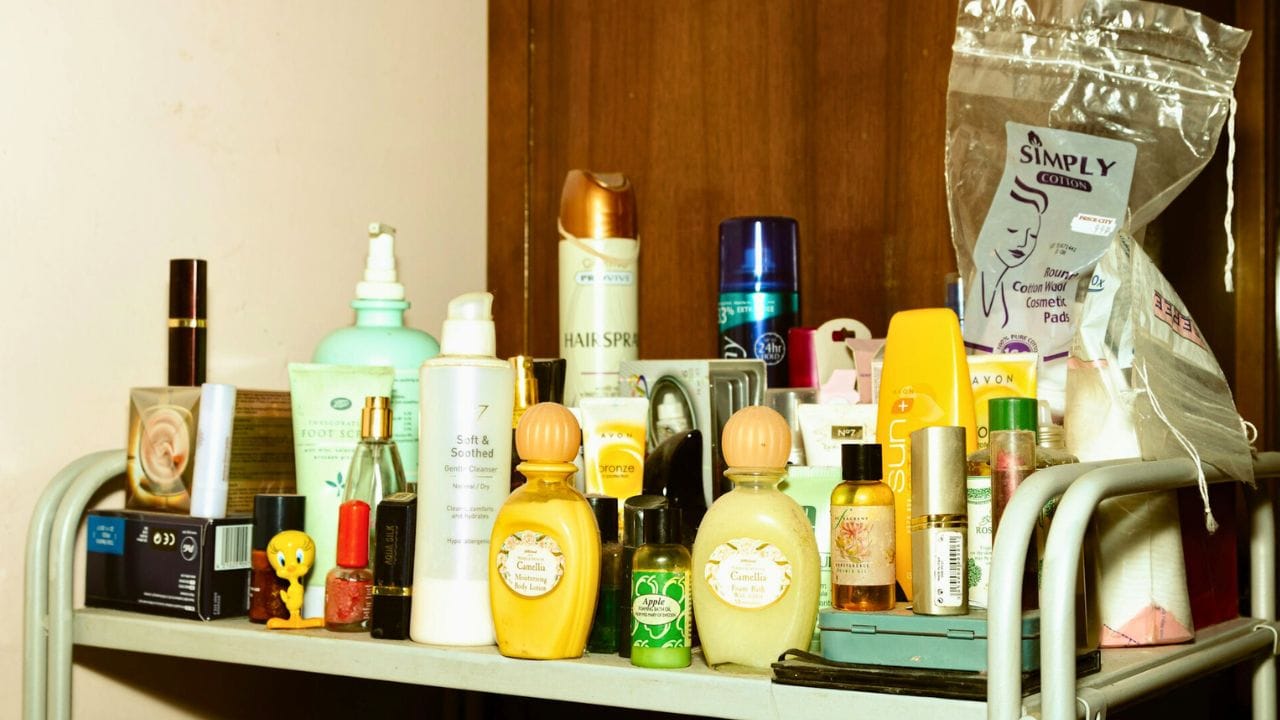
Old makeup, expired sunscreen, rock-hard nail polish, dried-up cleaners-keeping them doesn't magically bring the money back. It just crowds out the things you actually use.
When cabinets are overstuffed with bottles you're scared to toss, you can't see what's still good. So you panic-buy a backup cleaner or another moisturizer because it's easier than digging.
Regularly tossing expired and unusable items makes it way easier to see what you really need to restock. That keeps your cart smaller and your cabinets from turning into a science project.
4. Storing clothes no one wears-but still buying more
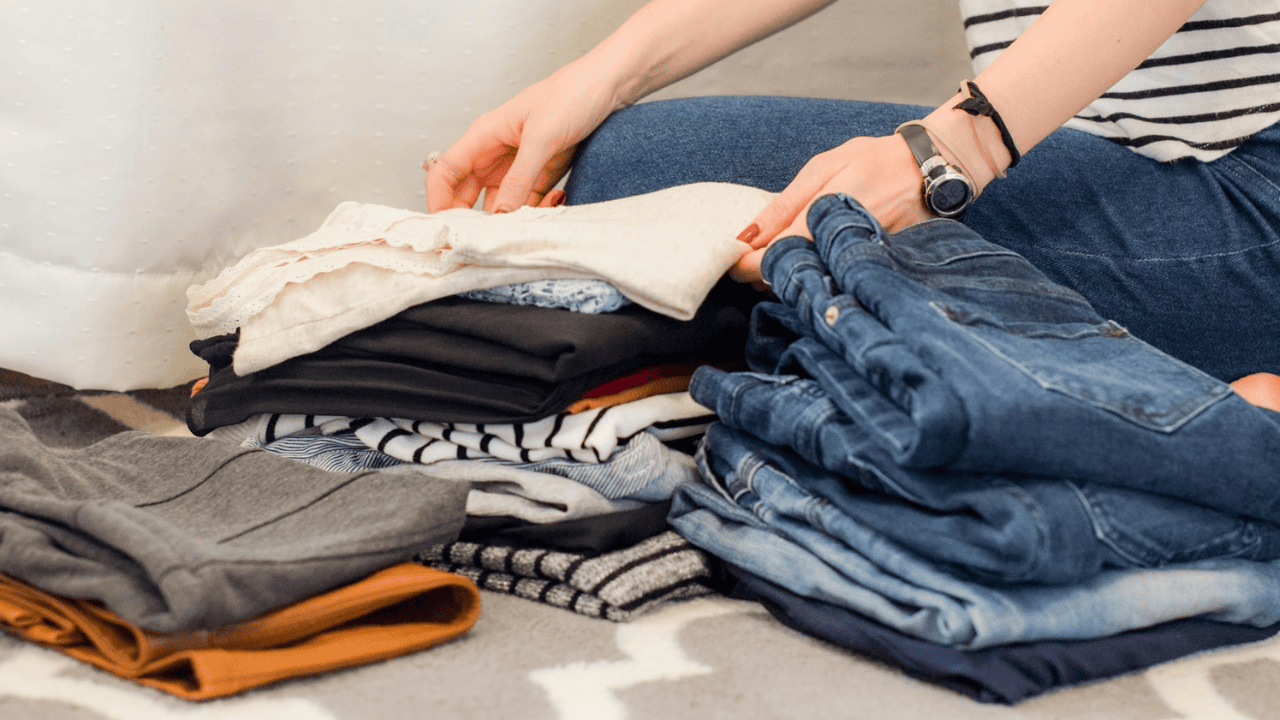
Closets jammed full of "eh, maybe someday" pieces make it feel like you have nothing to wear. So you keep buying "one more top" to fix the feeling.
The problem isn't that you don't own enough clothes-it's that the ones you like are buried under pieces that don't fit, don't feel good, or don't match anything.
Clearing out the stuff that makes you roll your eyes gives your actual favorites room to breathe. Suddenly you can see what you have, and that "I need new clothes" urge slows down.
5. Treating your pantry like a black hole instead of a working shelf
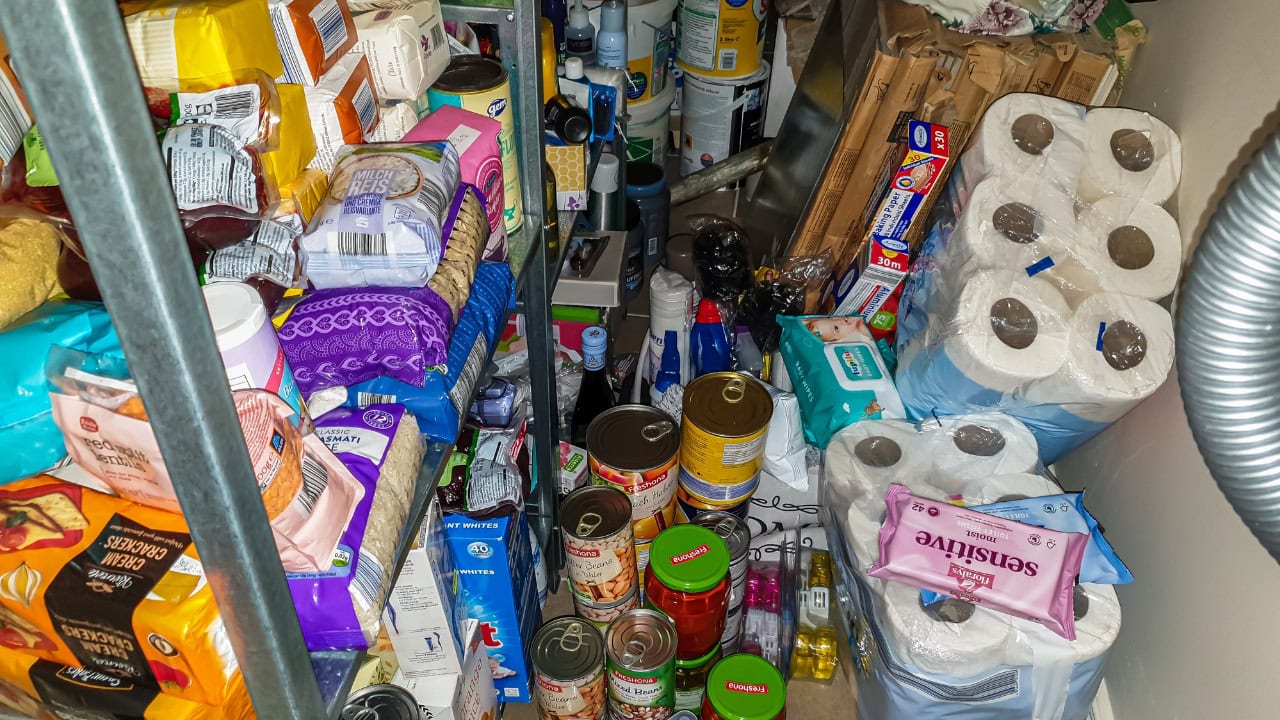
Pantries that go three or four items deep on every shelf are perfect for losing food. Things slide to the back, get hidden, and quietly expire.
Then you buy more rice, more beans, more sauce, because you truly don't remember what's behind those front rows. That's money you already spent, slowly going stale.
Using simple risers, bins, and a "front row only" rule helps a ton. If you can see your food in a quick glance, you're way less likely to buy duplicates or throw out forgotten cans later.
6. Keeping "broken but fixable" items in piles that never move
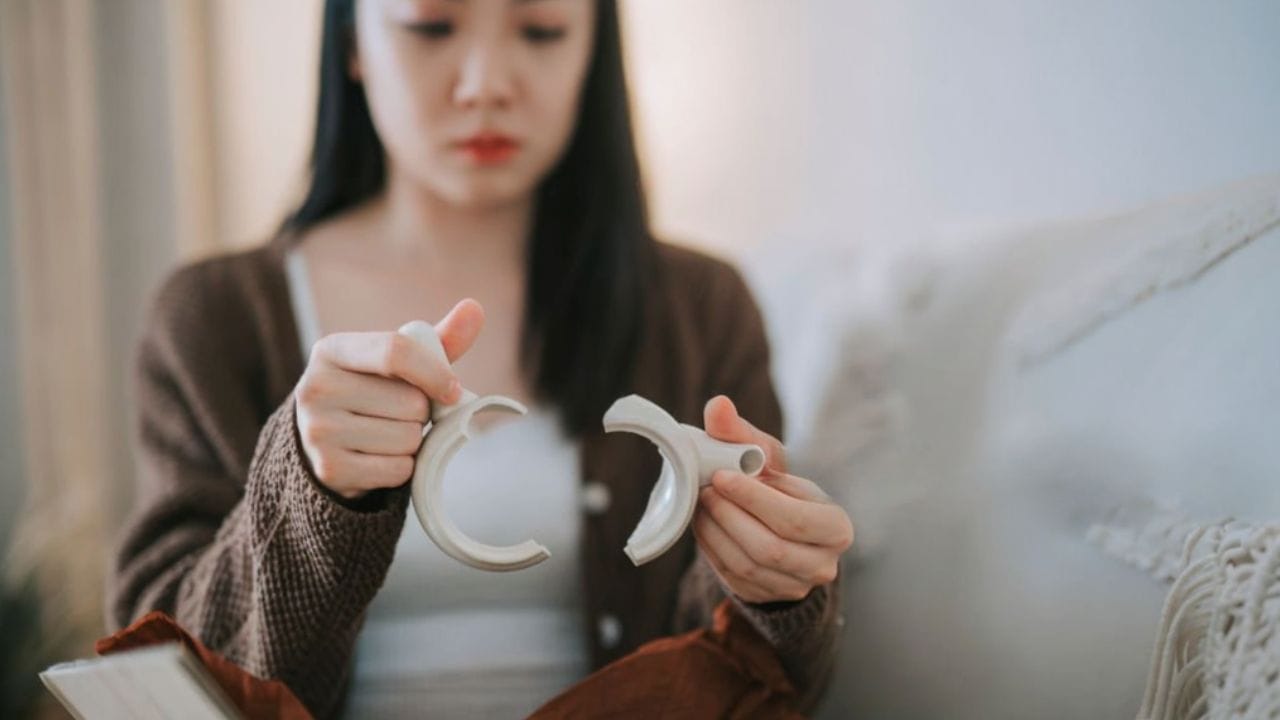
We all have that stack: lamps that need a shade, toys missing a piece, small appliances that "probably just need a part."
But if they sit in a corner for months, they're not projects-they're clutter. Meanwhile, you're buying replacements or "temporary" options that turn into permanent.
Give yourself a deadline. If you haven't fixed it or taken it in by that date, it either gets donated (if safe) or tossed. You'll learn quickly which things are worth repairing and which ones were guilt holding space.
7. Buying storage instead of dealing with what you already have
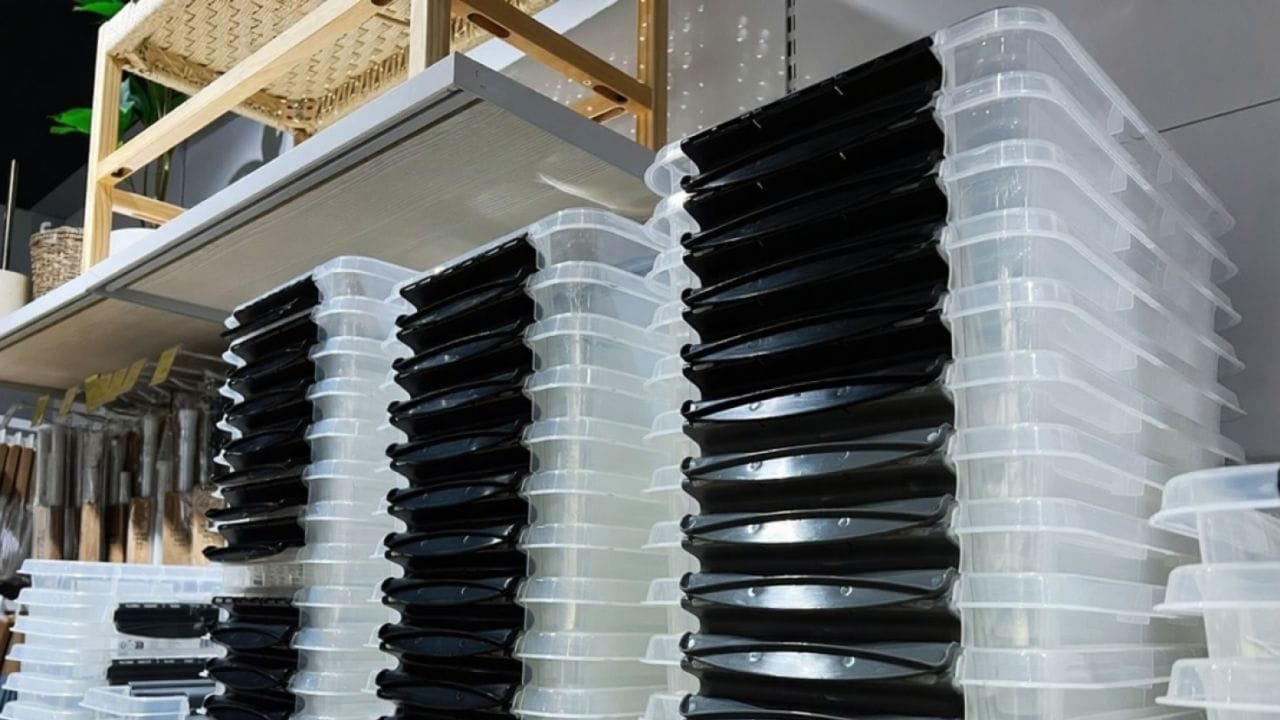
There's nothing wrong with a good basket or shelf, but if every clutter problem sends you to the store for another organizer, that's a pattern.
You're essentially paying to avoid deciding what can leave. The stuff stays, the bins multiply, and rooms still feel overwhelmed.
Try this rule: declutter first, then measure and buy storage for what's left. It's cheaper, and you actually end up with systems that fit your life instead of random bins that sort of work for six weeks.
8. Saving freebies and "good containers" you never actually reuse
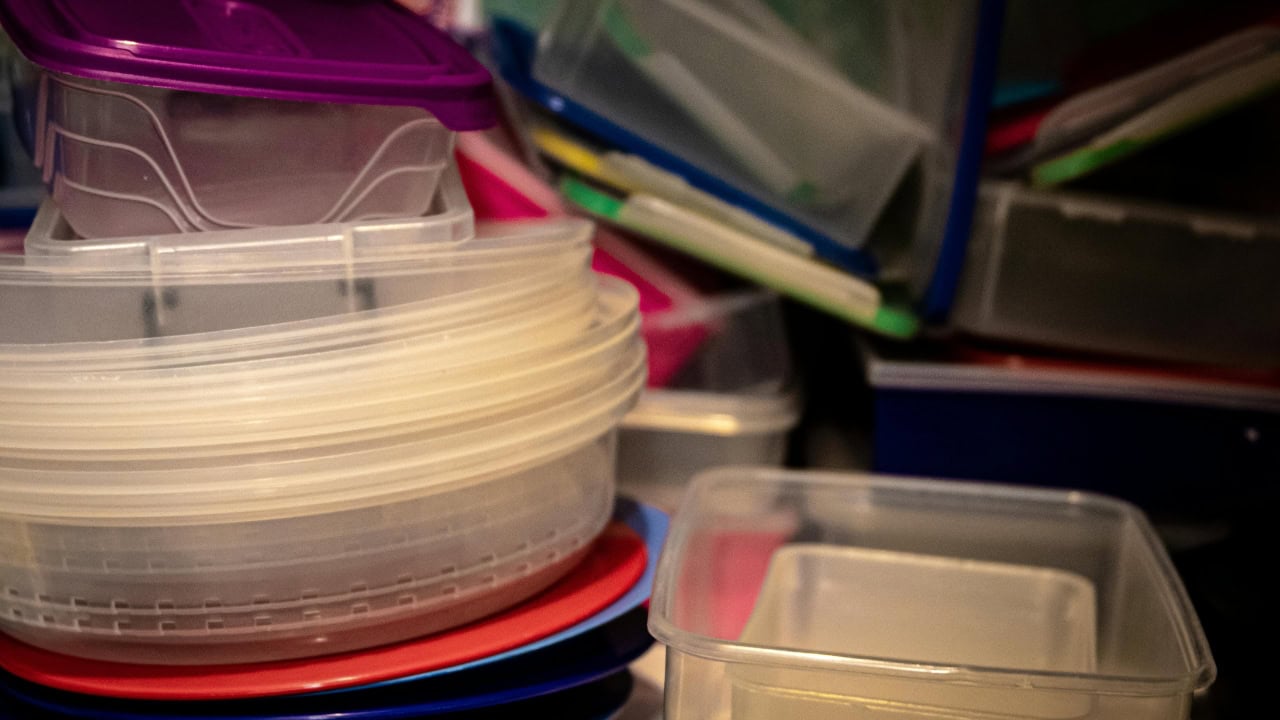
Free tote bags, branded cups, takeout containers, glass jars-on their own, they seem useful. But in bulk, they crowd out the things you actually rely on.
You wind up with a cabinet that avalanches every time you open it, but still reach for the same two or three items daily. The rest is visual noise that makes you think you have "plenty," so you buy more lids, jars, and cups when something really matters.
Keep a modest amount of your favorites and let the rest go. You'll see what you own and stop spending money chasing a sense of "enough."
9. Keeping kid clutter "for memories" while still buying more toys
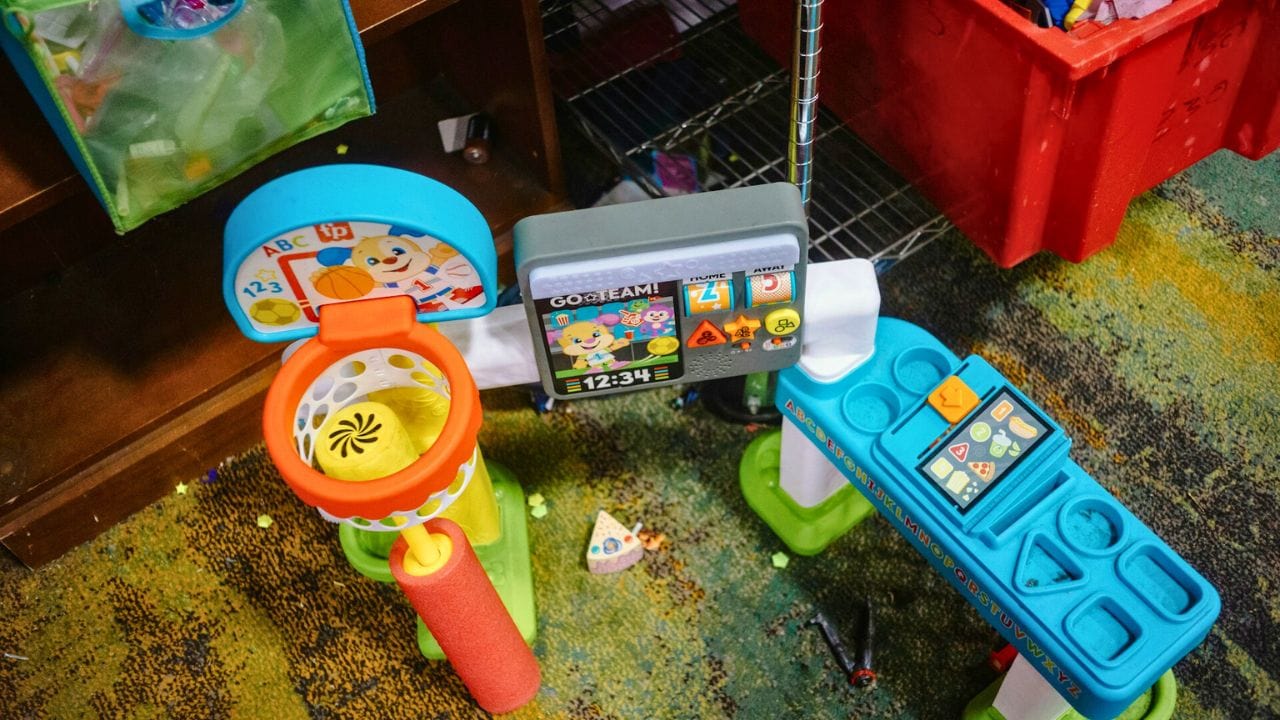
It's easy to hang onto every stuffed animal, puzzle, and plastic thing "because they loved it once." Meanwhile, new toys keep coming in for birthdays and holidays.
Kids end up overwhelmed and bored because they can't find their actual favorites in the pile. You feel like they have everything and nothing at the same time-which makes it tempting to buy something new "they'll really play with."
Rotating toys, donating outgrown ones, and keeping one small bin for sentimental pieces keeps the toy situation manageable. Your kids can see what they have, and you feel less pressure to keep filling the gaps with more stuff.
10. Letting paper stack up instead of giving it a simple system
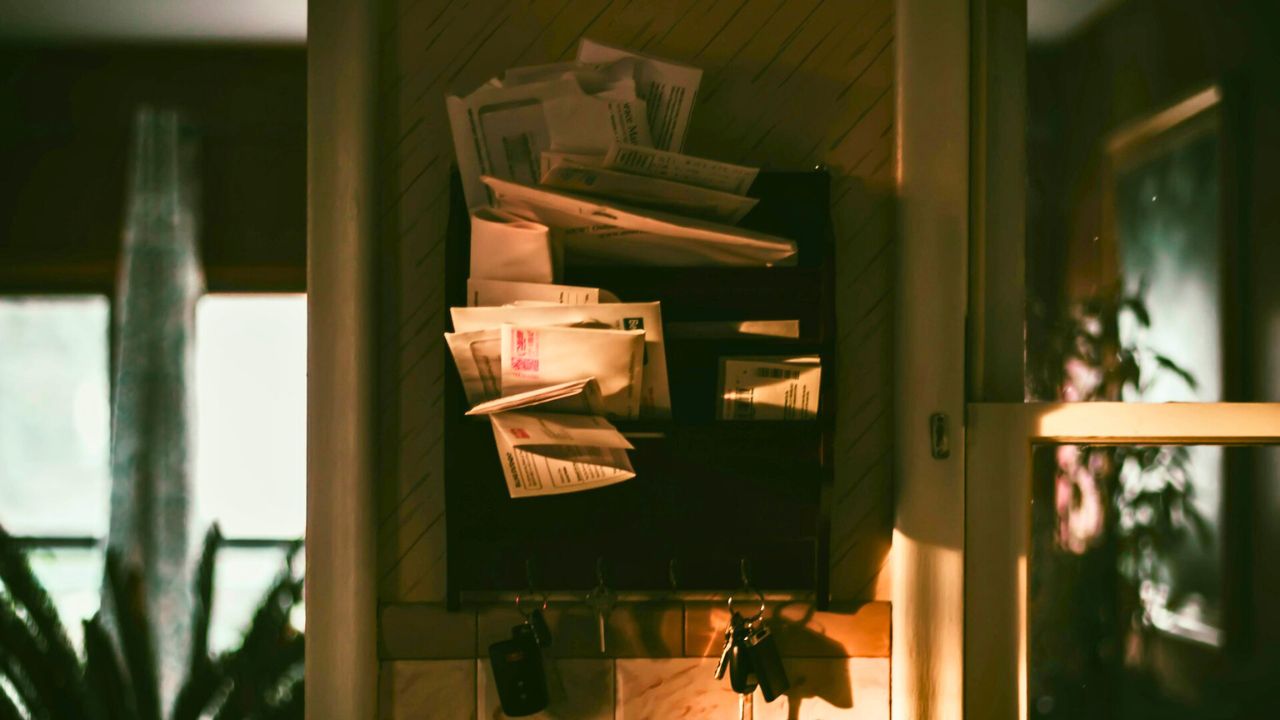
School papers, mail, coupons, receipts, random printouts-paper clutter is one of the fastest ways to lose money.
Missed bills, late fees, expired coupons, forgotten refunds, uncashed checks-it all happens when paper lives in piles. Even if you're doing your best, digging through a stack when you're tired usually means something gets missed.
Set up three spots: "needs action," "to file," and "recycle/shred." Touch each piece once, and put it where it belongs. It doesn't have to be perfect-just enough to keep money-related papers from vanishing into the chaos.
11. Treating the garage or shed as a dumping ground instead of a work space

Garages and sheds are where good tools go to disappear. Extra paint, yard tools, lumber, hardware-all of it can save you money if you can actually find it.
When those spaces are overflowing, it's easier to rebuy a tool than dig for the one you already own. You might even buy the wrong size or style because you can't see what's on-hand.
Even one afternoon of grouping things (paints together, yard tools together, hardware in one zone) will pay you back. Every project that doesn't require a store run is money staying in your pocket.
12. Keeping "someday" hobbies in closets while buying for new ones
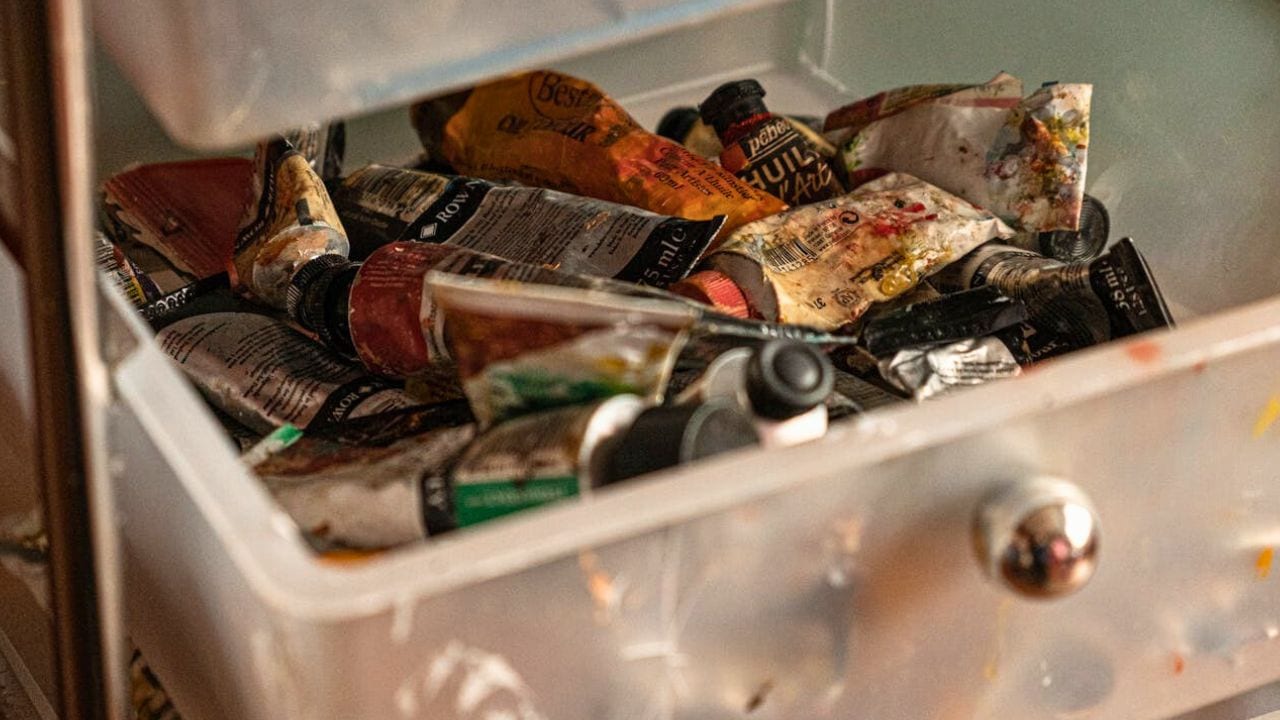
All those yarns, paints, craft kits, baking supplies, workout gadgets-you paid for them, but they're not part of your real life right now.
Then a new hobby catches your eye and you start fresh, buying new gear for that one too. Over time, you accumulate closets full of half-finished phases while still feeling like you're missing something.
There's nothing wrong with trying new things, but be honest about what you're actually using. Sell or donate the rest. The money you free up (and the space) can go toward a hobby you're genuinely excited about today instead of what you thought you'd love five years ago.
*This article was developed with AI-powered tools and has been carefully reviewed by our editors.






Leave a Reply