
11 utility-saving swaps that don't require a full home remodel

You don't need new windows, solar panels, or a full HVAC overhaul to bring your utility bills down. Those big projects help, but they're expensive, and most of us are just trying to get through this month without another eye-watering bill.
Smaller swaps can still move the needle-things you can do in a weekend with basic tools and a little attention.
Here are practical changes that actually help without tearing your house apart.
1. Swap "set it and forget it" thermostat habits for realistic ranges
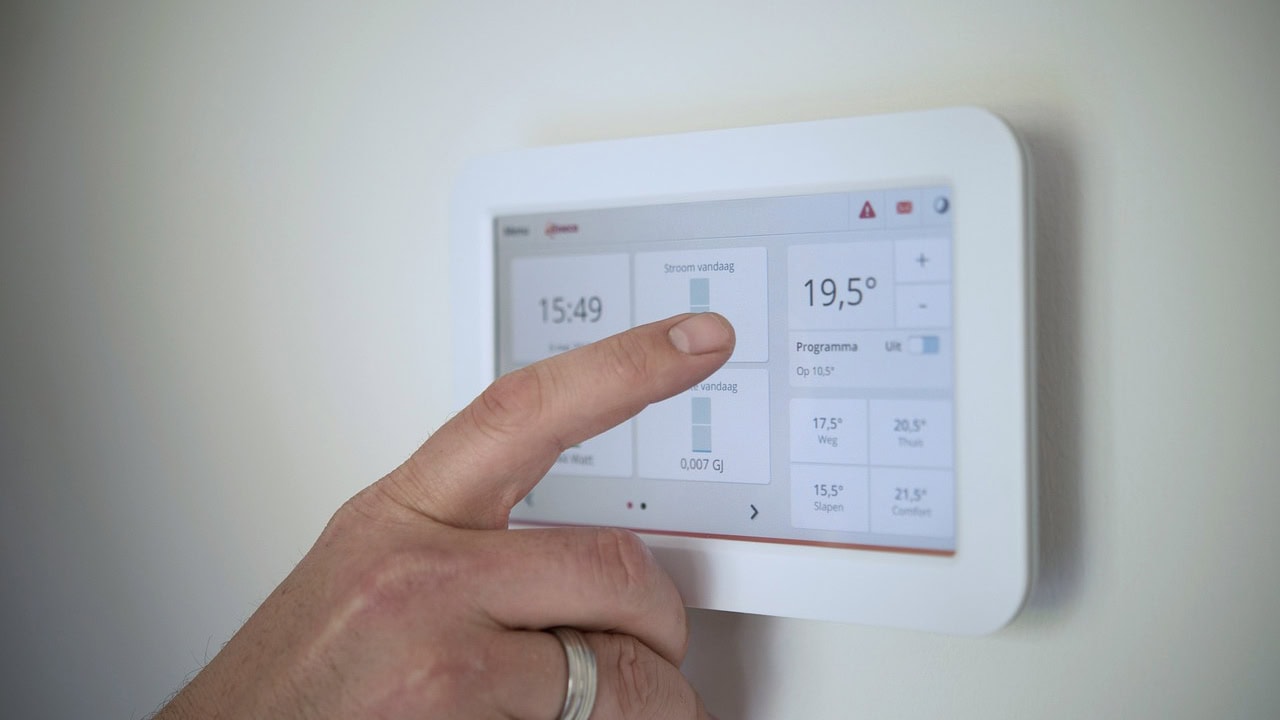
A lot of us either lock the thermostat at one extreme or constantly flip it up and down. Both can cost more than you think.
Pick a realistic range-say 68-70 in winter, 74-76 in summer-and commit to staying within it. Let a programmable or smart thermostat handle the tweaks during the day and night instead of you swinging it five degrees at a time.
Pair that with socks, layers, blankets, fans, and airflow tricks like opening or closing specific vents. You're lowering the system's workload without feeling like you live in a cave.
2. Swap leaky weatherstripping for fresh seals on doors and windows

You don't need new windows to stop drafts. Sometimes the real problem is the gaps around them. Over time, weatherstripping gets crushed, cracked, or completely falls off.
Replace the worst strips around exterior doors and the draftiest windows. Foam tape, door sweeps, and simple seal kits are inexpensive and easy to install with scissors and a screwdriver.
You'll feel the difference on windy days, and your heating and cooling system won't have to fight constant air leaks. It's not glamorous work, but it's cheap and effective.
3. Swap full-power lighting for targeted lamps and LEDs
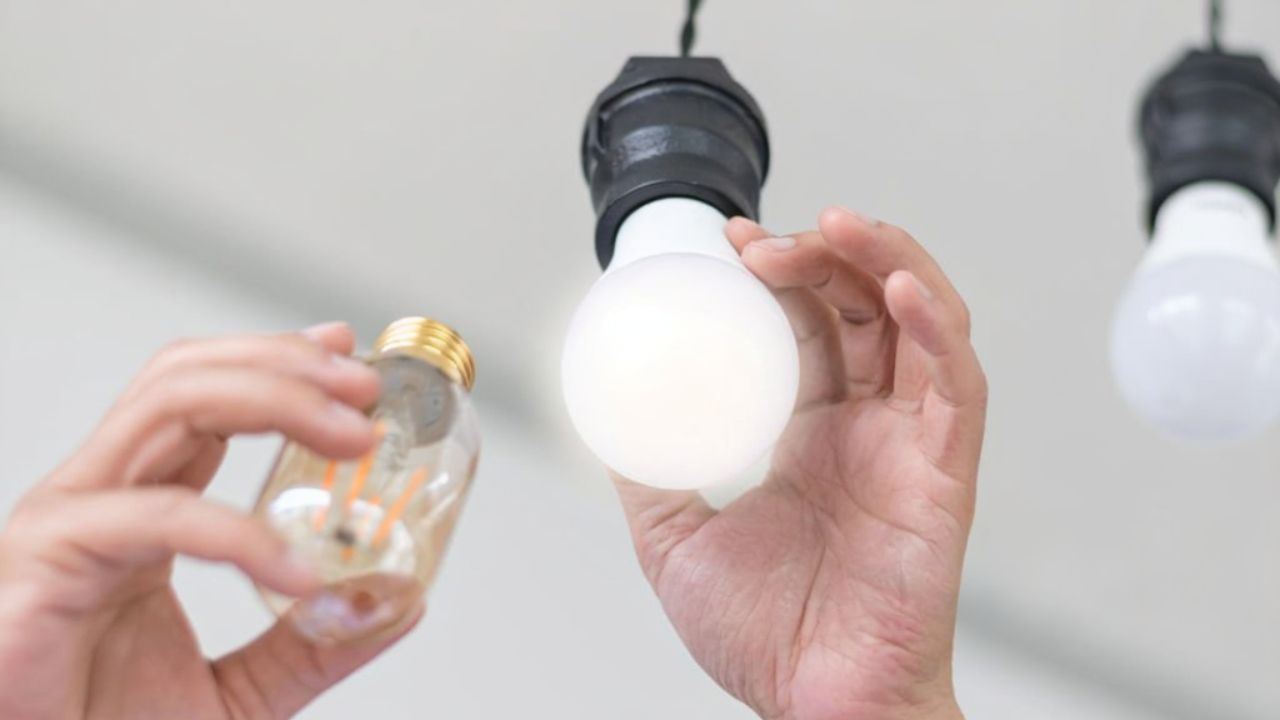
Overhead lights in every room feel bright and convenient, but they also pull more power than you need most evenings.
Shift to a mix of LED bulbs and smaller lamps in the rooms you actually use at night-living room, kitchen, bedrooms. LEDs cost more up front, but they last longer and use far less energy.
Instead of lighting the whole house "just in case," you light the space you're actually in. It feels calmer, and your electric bill gets a break.
4. Swap "whatever cycle" laundry for shorter, cooler settings
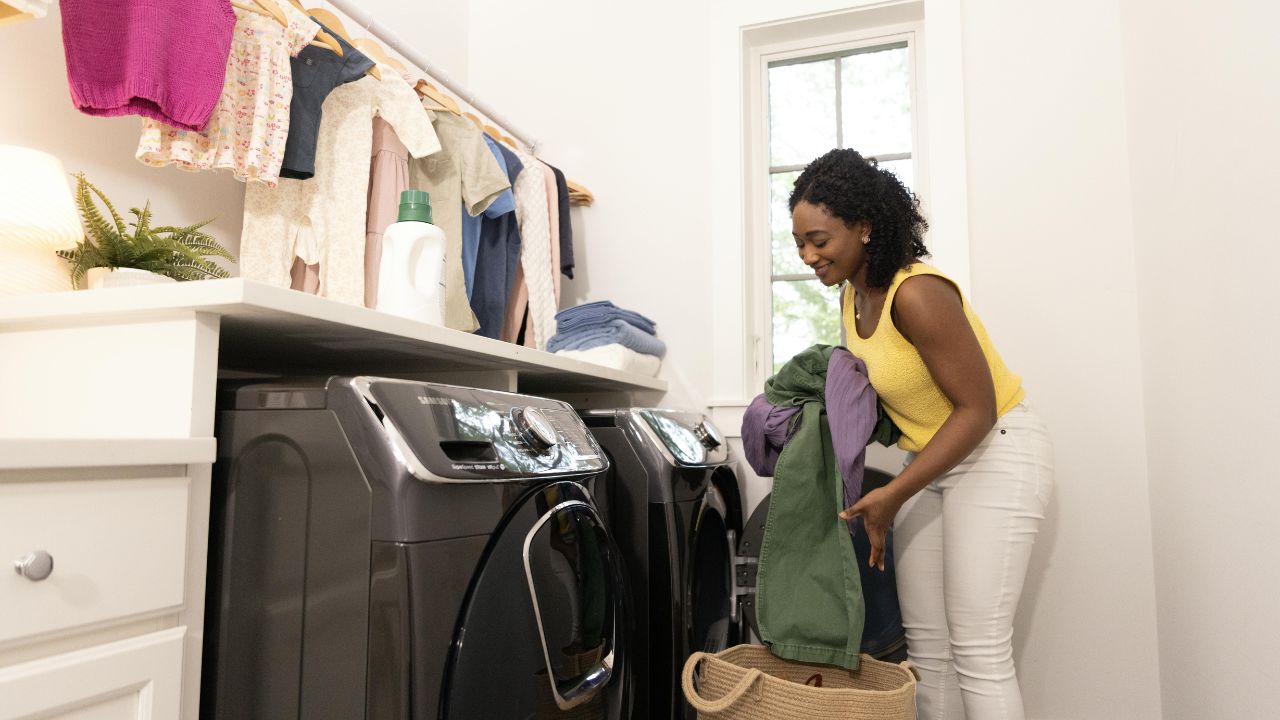
Most people hit the same long, hot cycle for every single load because it's the default. That means more water, more heat, and more wear on your clothes.
Try washing most everyday loads-t-shirts, pajamas, lightly worn kids' clothes-on cold with a shorter cycle. Save hot water and heavy-duty settings for sheets, towels, and truly messy items.
You'll cut your power and water usage, your clothes will last longer, and the only thing you really gave up was the habit of hitting the same button every time.
5. Swap over-drying for "check and hang"
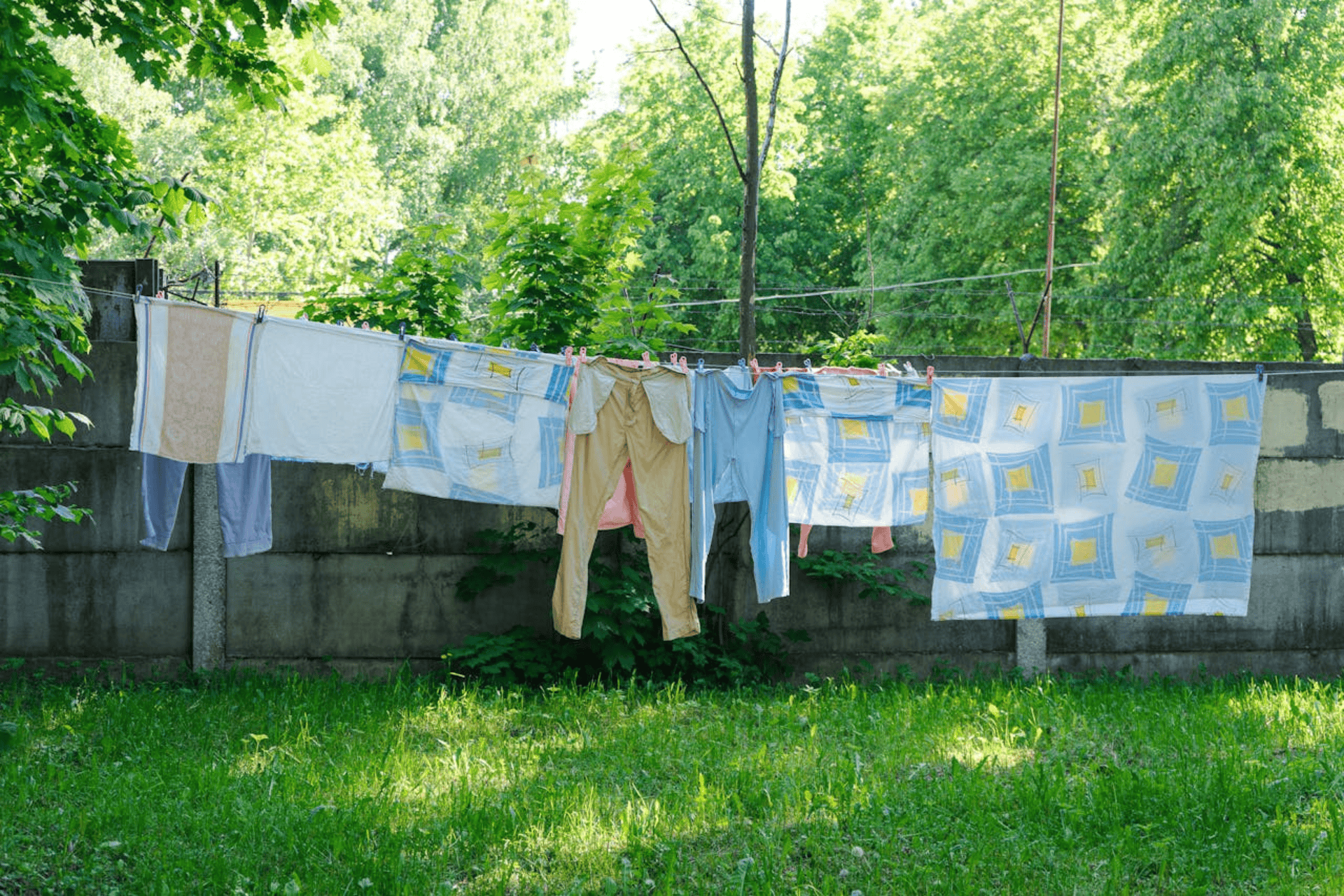
Dryers are power-hungry, and most of us run them longer than needed "just to be safe."
Instead, set the timer a bit shorter than usual, then check the load. Anything mostly dry-t-shirts, lighter items-can be hung on a rack or over chairs to finish. Toss heavier things like jeans or towels back in for a few more minutes if they need it.
That small change cuts how long your dryer runs each week, which lowers your bill and is easier on your clothes and linens.
6. Swap plugged-in chargers and devices for smart strips or simple habits
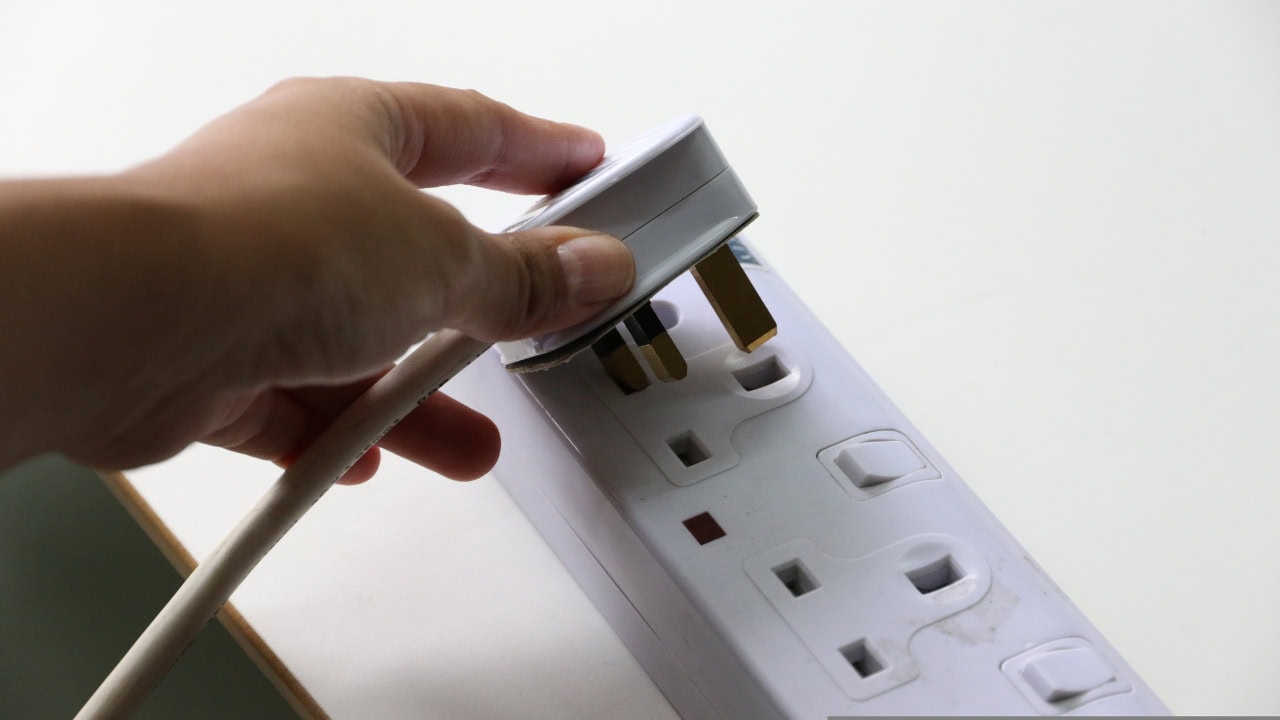
Phone chargers, game consoles, streaming boxes, and some appliances sip power even when you're not using them. It's not huge per item, but it adds up.
Use power strips for your TV area, office, and gaming setup so you can flip everything off with one switch at night or when you're gone for the day.
You don't have to be extreme, but unplugging what you truly aren't using and cutting standby power where it makes sense can shave watts off every single day.
7. Swap long, hot showers for timed ones with a bit of prep

Hot water is a big chunk of your energy use. If every shower in the house slowly creeps longer, you'll feel it in your bill.
Try setting a loose time rule-maybe 8-10 minutes-especially on school mornings or busy nights. Do what you can outside the shower first: shaving, brushing teeth, face washing.
You're not forcing everyone into a two-minute sprint. You're just tightening up the part that uses the most hot water and energy. That's where you'll see a difference.
8. Swap old, clogged filters for a simple schedule
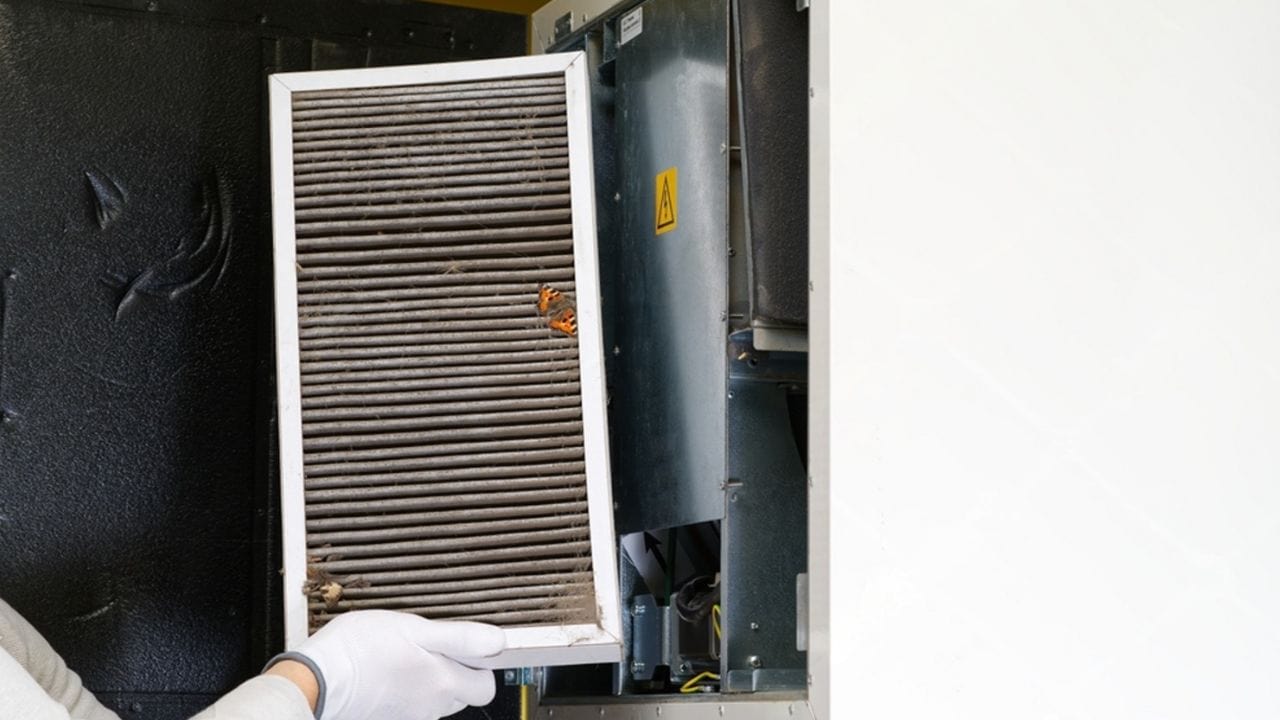
Clogged air filters make your HVAC system work harder. Same goes for dusty fridge coils and dryer vents that haven't been touched in years.
Set reminders to change or clean filters on a schedule that fits your home-maybe every 1-3 months for HVAC filters, yearly for fridge coils, and regular dryer vent cleaning.
Those chores aren't fun, but they let your equipment breathe, which means it runs more efficiently, breaks less often, and doesn't have to draw as much power to do the same job.
9. Swap "always running" fans and lights for room-by-room habits

Ceiling fans and lights left on in empty rooms quietly nibble at your bill. One room isn't a big deal. A whole house like that, all day, is.
Teach everyone the same two habits: flip lights when you leave, and turn off fans when no one's in the room. Fans cool people, not air-they're only helpful when someone is actually under them.
It sounds minor, but in a busy household where lights and fans are constantly left running, tightening this up can cut a noticeable chunk off the monthly total.
10. Swap "whatever the kids leave open" for real fridge and freezer rules

A fridge door opened and closed five times in a row while someone stares inside is more than just annoying-it makes the appliance work harder to cool everything back down.
Set simple house rules: know what you want before you open the door, grab what you need in one go, and don't stand there browsing with the door wide open.
Also check your temperature settings. If the fridge is colder than necessary, you're paying extra to keep things slightly frostier than they need to be. Small tweaks here lower the workload on one of the hardest-working appliances you own.
11. Swap "we'll do it someday" sealing and caulking for one weekend project
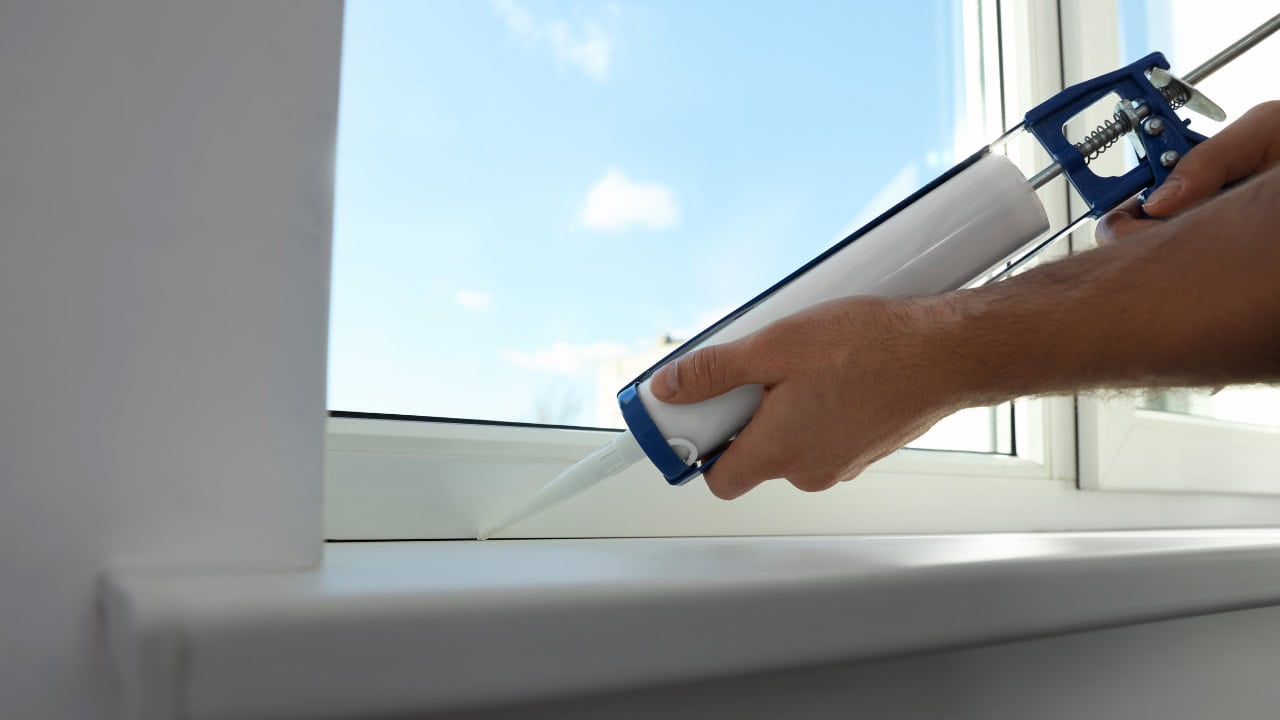
Little gaps around windows, baseboards, and exterior penetrations (like where lines and pipes go in) can let in drafts and moisture. You don't notice them much in mild weather, but your system feels them all year.
Pick one weekend, grab a few tubes of caulk and some foam, and walk the house. Feel for drafts around outlets on exterior walls, check around window frames, doors, and any visible gaps. Seal what you can reach safely.
You're not rebuilding anything-you're just helping your house hold onto the air you're already paying to heat or cool. It's boring work, but it's the kind that pays you back every single month.
*This article was developed with AI-powered tools and has been carefully reviewed by our editors.






Leave a Reply