
11 Target and Walmart rules smart shoppers quietly follow
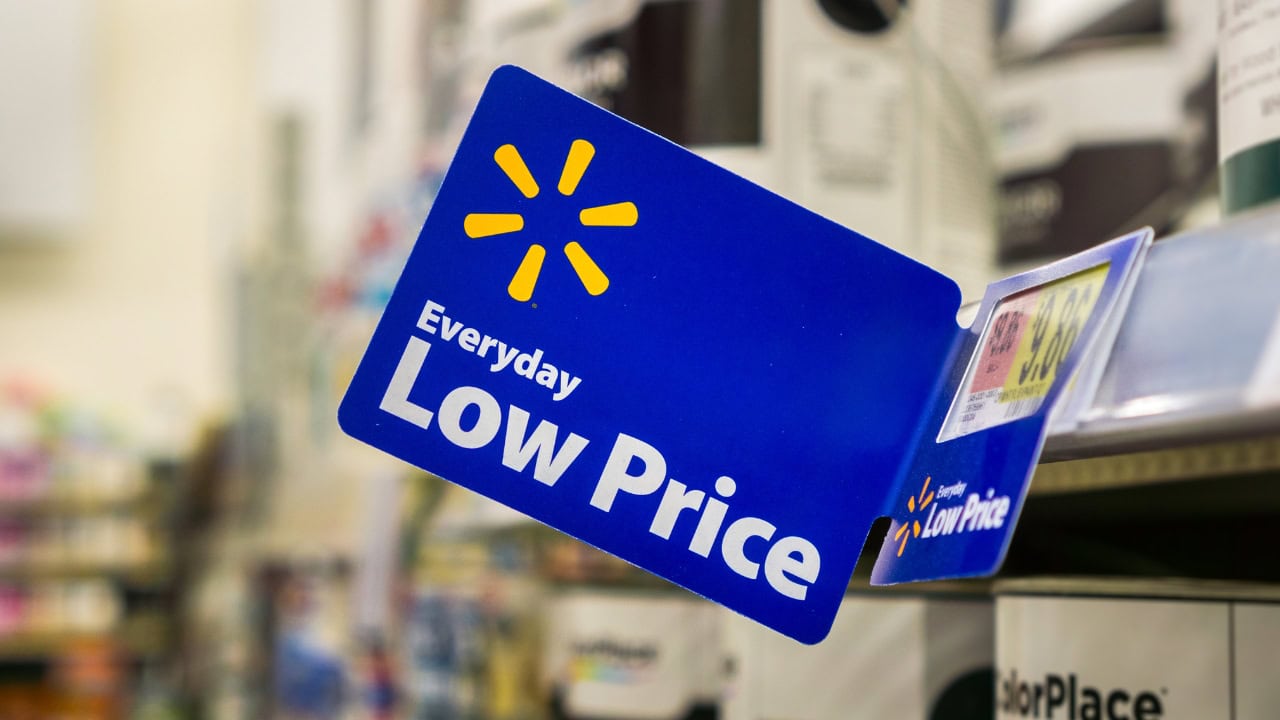
Target and Walmart can absolutely save you money… or quietly eat your whole paycheck. The difference usually isn't the store-it's the way you use it.
Smart shoppers aren't clipping a thousand coupons. They're paying attention to patterns, sticking to a few personal rules, and letting those habits do most of the heavy lifting month after month.
Here are the rules that quietly keep their carts full and their budgets under control.
1. They walk in with a list and a limit

Before they ever grab a cart, they already know two things: what they're here for and roughly how much they're okay spending.
The list keeps them focused in the aisles. The limit gives them a built-in "that's enough" when temptation hits.
If something extra does make it into the cart, they'll often swap something else out instead of just adding on. That one habit keeps "a few small extras" from turning into $40 of stuff they didn't even plan on buying.
2. They shop the perimeter before they ever hit the middle

Smart shoppers hit produce, meat, dairy, and frozen basics first. By the time they get to snacks, home decor, and random "fun" finds, the cart already has real food and staples in it.
That makes it a lot easier to look at a cute candle or new throw pillow and think, "Do I really want to add this?" instead of tossing it in on a whim.
They're not perfect, but they give the important stuff first dibs on the budget, then decide if anything is left over for the extras.
3. They know their must-watch prices on a few key items

They're not tracking every single thing. But they know roughly what they like to pay for ground beef, chicken, toilet paper, coffee, and a couple of family favorites.
When they see those items marked way up, they grab the bare minimum and wait. When they see them at or below their "good price," they'll buy an extra or two.
That simple "price memory" keeps them from overpaying on the stuff that makes the biggest difference over a whole month of shopping.
4. They use store brands on basics and save name brands for the picky stuff

Target and Walmart store brands are usually solid on basics-pasta, sugar, flour, canned beans, frozen veggies, paper goods. Smart shoppers default to those and don't overthink it.
They save name brands for the handful of things where their family actually notices, like a specific cereal, coffee, or snack.
That mix keeps the cart cost down without turning every grocery trip into a battle over "off-brand everything."
5. They check unit price, not shelf drama

Those big shelves are full of "value size," "family pack," and giant boxes that look like they must be cheaper.
Smart shoppers glance straight at the tiny unit price on the tag-price per ounce, per pound, or per count. If the math says the smaller bottle or store brand wins, that's what goes in the cart.
Once you make that a habit, the packaging and bold fonts stop fooling you, and you quietly pay less for the exact same category of stuff.
6. They know where the clearance actually lives in their store
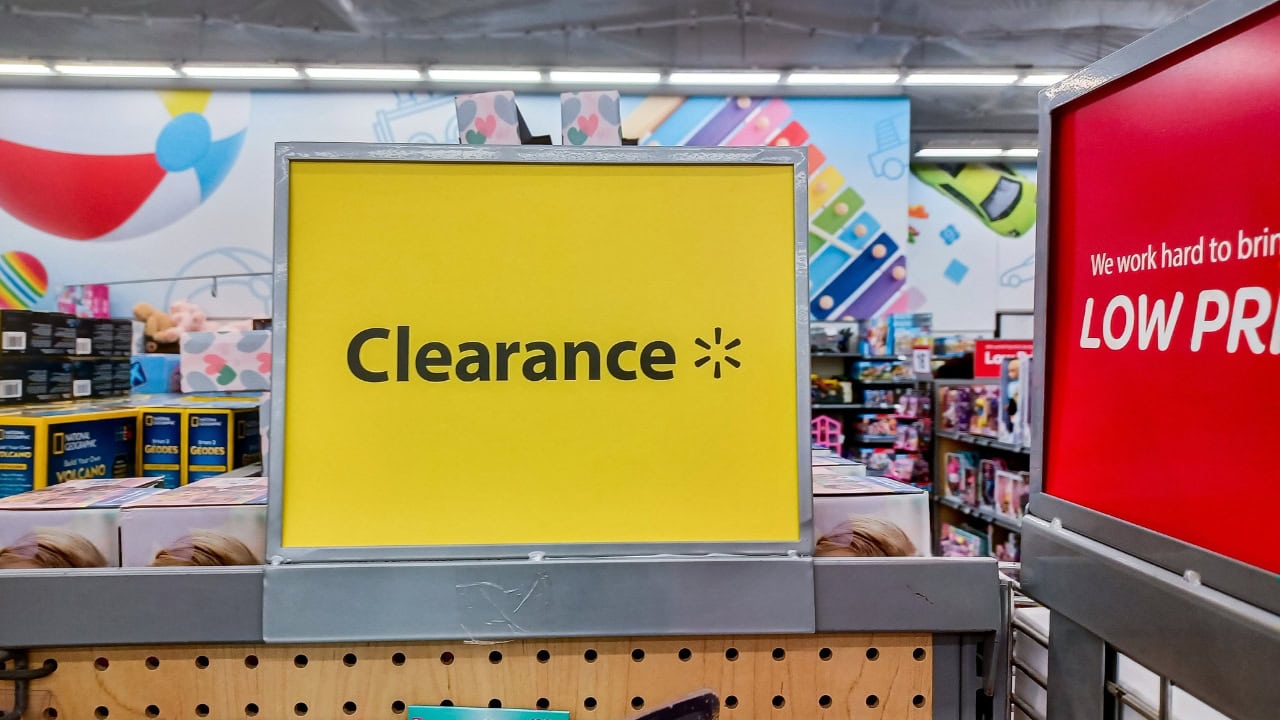
Clearance is rarely front and center. It's usually on side endcaps, back walls of departments, or one sad-looking aisle that most people walk past.
Smart shoppers learn where those spots are in their Target and Walmart. They do a fast lap through those areas when they have time, looking for markdowns on things they would actually use-kids' clothes, storage, pantry staples, seasonal décor.
They don't grab every "deal." They treat clearance like a bonus section for items already on their radar, not a reason to bring home more clutter.
7. They use store apps-but only to lower the cost of what's already in the cart

Target Circle and Walmart's app both have built-in offers and price info. Smart shoppers scan or search the items they're already buying, add any discounts, and move on.
What they don't do is sit there hunting for offers and letting the app tell them what to buy. The list leads; the app follows.
Used that way, store apps knock a few dollars off each trip without turning into one more way to talk yourself into "deals" you never needed in the first place.
8. They grab pickup when they're tempted to wander
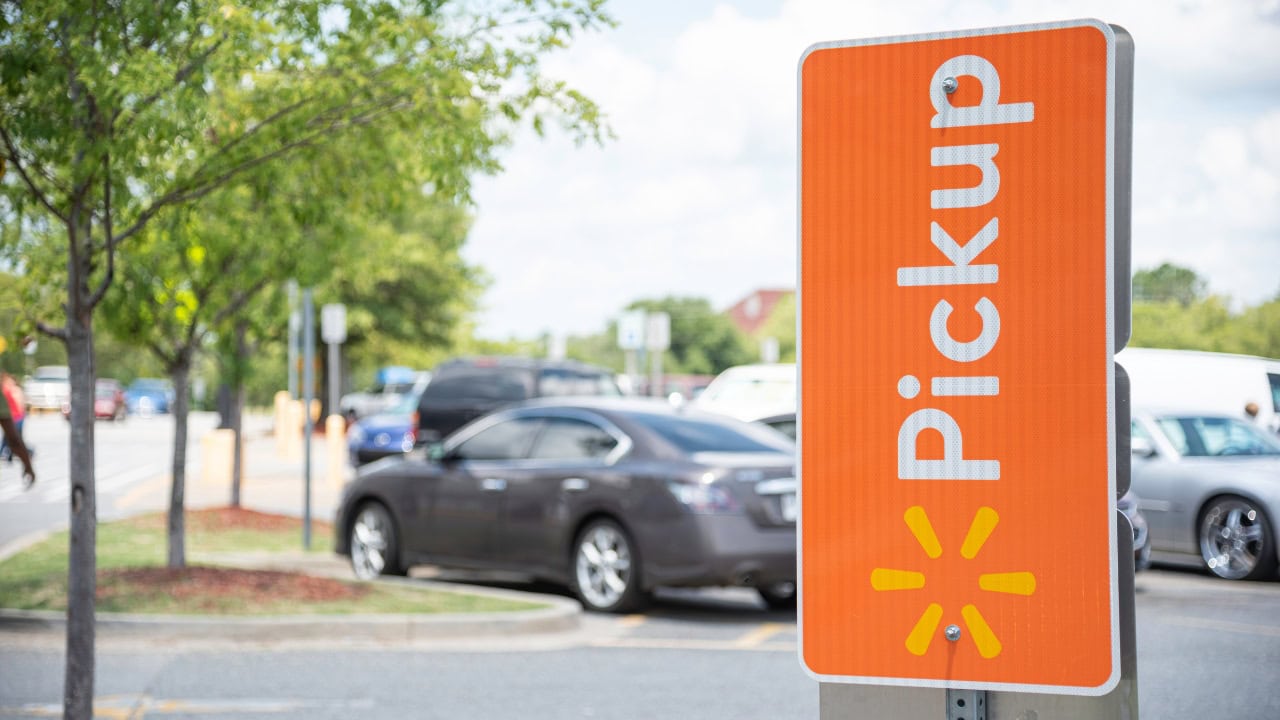
If going inside Target or Walmart means an automatic $40 of extras, smart shoppers lean on pickup.
They place the order in the app, stick to their list, and let someone else do the wandering. No strolling past the dollar spot, no new throw pillows, no "oh that's cute" detours.
Pickup keeps the trip boring in the best way-just you, your trunk, and the things you actually meant to buy.
9. They time trips for markdown windows when they can

Once they notice that their store marks down meat on Tuesdays or bakery items on certain mornings, they plan big trips around those windows when life allows it.
They don't rearrange their whole world for a $2 discount, but if they're already going to town, they stack it with the day that's most likely to have cheaper meat, bread, or produce.
Over a month or two, that timing adds up to better food for less money-without needing extreme coupon energy.
10. They don't let "buy more" deals boss them around
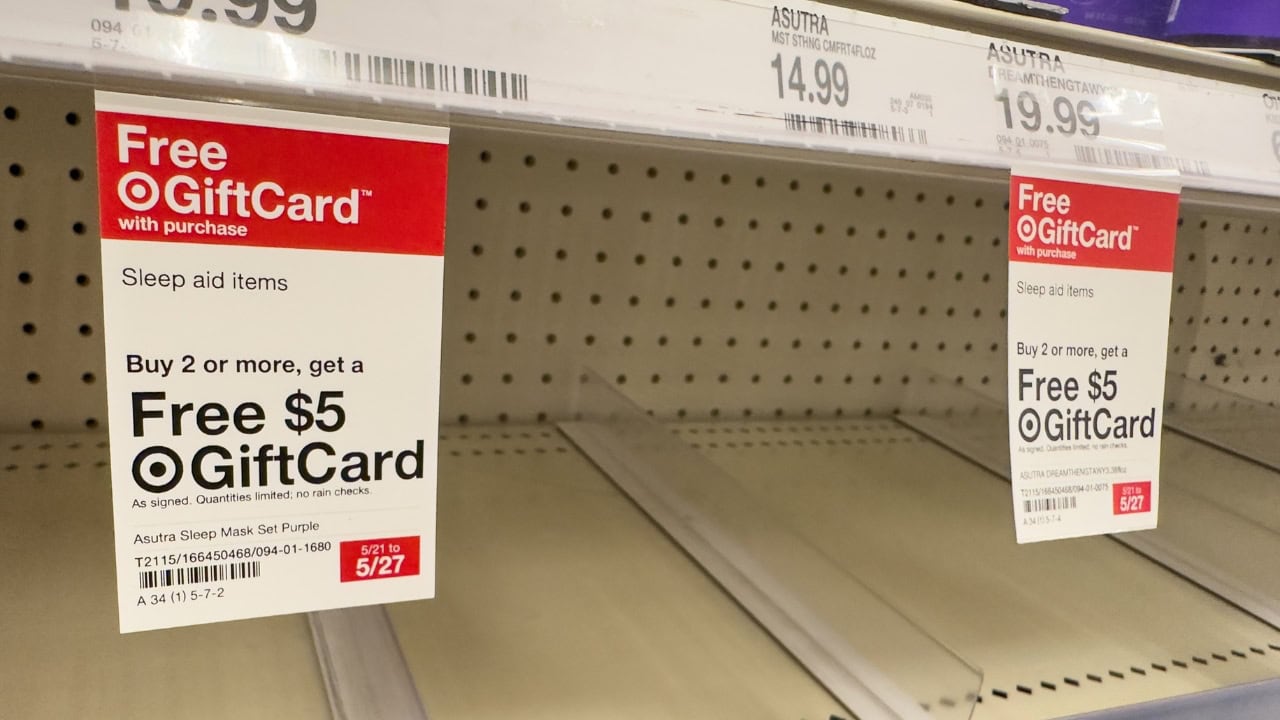
"Buy 5, save $5" or "3 for $6" can be helpful, but smart shoppers ask one question first: will my family actually use this much before it goes bad?
If the answer is no, they either skip the deal or buy just one or two if the individual price is still decent.
They refuse to let promos talk them into doubling their cart for things they don't need. A deal that fills your pantry with stuff no one touches is not a deal-it's just money stuck on a shelf.
11. They give themselves one fun thing-and stop there
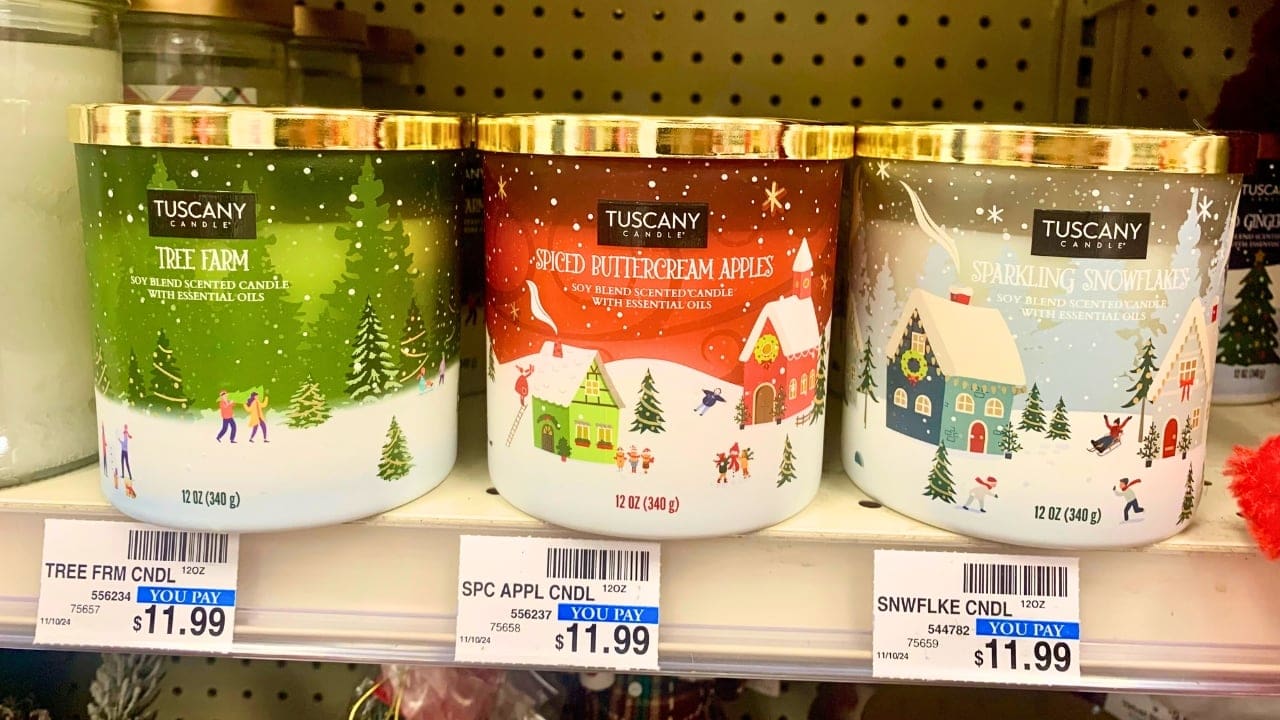
Target and Walmart are built for "one fun thing" temptation. Smart shoppers make peace with that instead of pretending they're never going to want anything extra.
Maybe it's a candle, a snack, a cute mug, or a small toy for the kids. They choose it on purpose, enjoy it, and then they're done.
That one intentional "yes" actually makes it easier to say no to everything else. The fun is built in, but it doesn't take over the whole cart or wreck the budget.
*This article was developed with AI-powered tools and has been carefully reviewed by our editors.






Leave a Reply