
11 small home upgrades that pay for themselves in a year or less
You don't have to take on a full remodel to make your house work better and cost less to run. Some upgrades are so simple and relatively cheap that they start paying you back almost right away.
These are the kinds of changes that cut bills, protect what you already own, or solve little daily annoyances that drive you toward spending more.
LED bulbs in the rooms you use the most
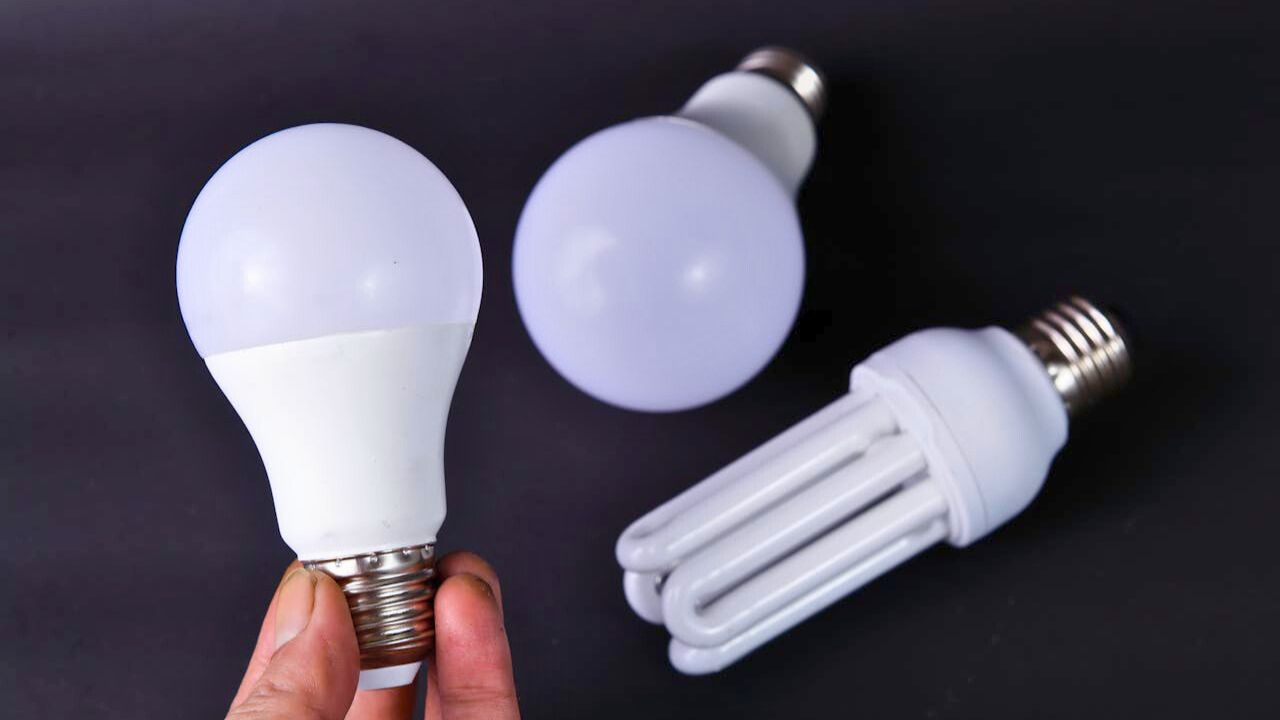
You don't have to swap every bulb in the house overnight. Start with the heavy-use zones-kitchen, living room, hallway lights, kids' rooms.
LEDs use way less energy than old-school bulbs and last much longer. That means fewer replacements and lower power usage.
Within a year, especially in the spaces you light for hours every day, they've usually paid you back between fewer purchases and smaller electric bills. After that, they're basically saving you money for existing.
Faucet aerators on sinks that run all day
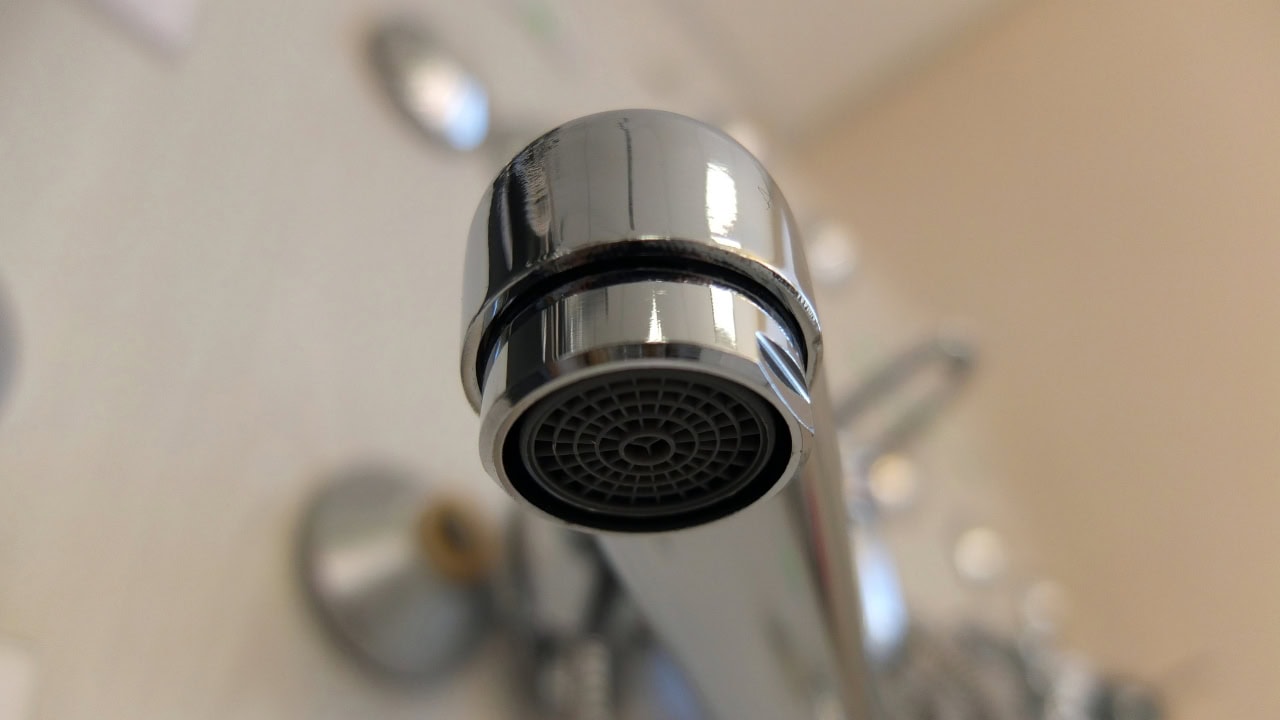
Aerators mix air into the water stream so you get good pressure while using less water overall. Many faucets already have them, but older ones may be clogged, missing, or inefficient.
Swapping in newer, efficient aerators on your kitchen and bathroom sinks is cheap and easy to do with basic tools.
You'll still wash hands, dishes, and produce just fine-but you're sending less water (and, if it's hot, less energy) down the drain. Over a year of "normal life," that adds up.
A low-flow but comfortable showerhead in the busiest bathroom
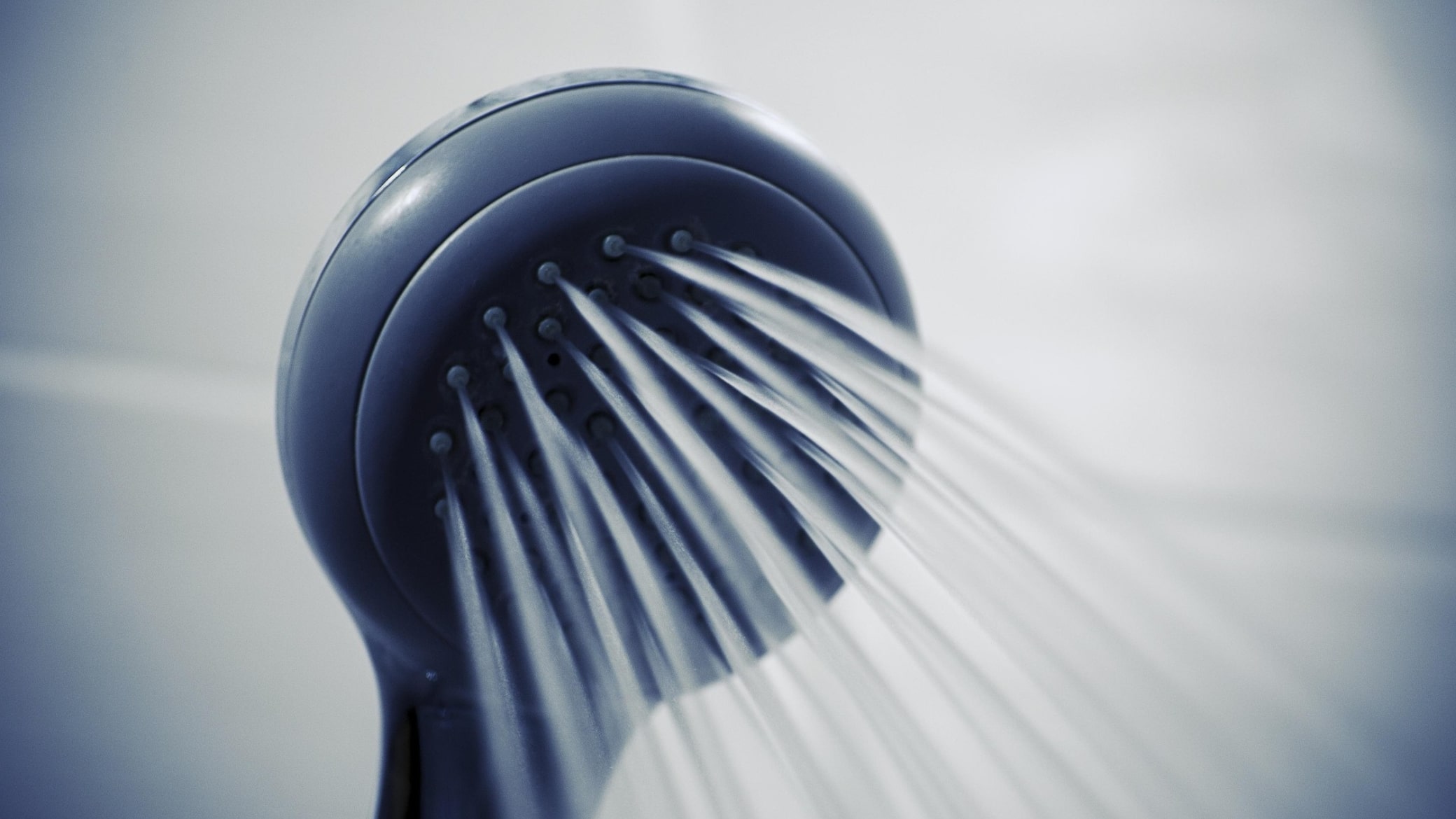
A good low-flow showerhead isn't supposed to feel like a trickle. The better ones keep pressure strong while cutting how much water you use per minute.
If your shower runs full blast for multiple people every day, that's a lot of hot water. A more efficient showerhead brings those gallons down without making you resent it.
With several showers a day in one family bathroom, the savings on water and energy can make up the cost of the fixture surprisingly fast.
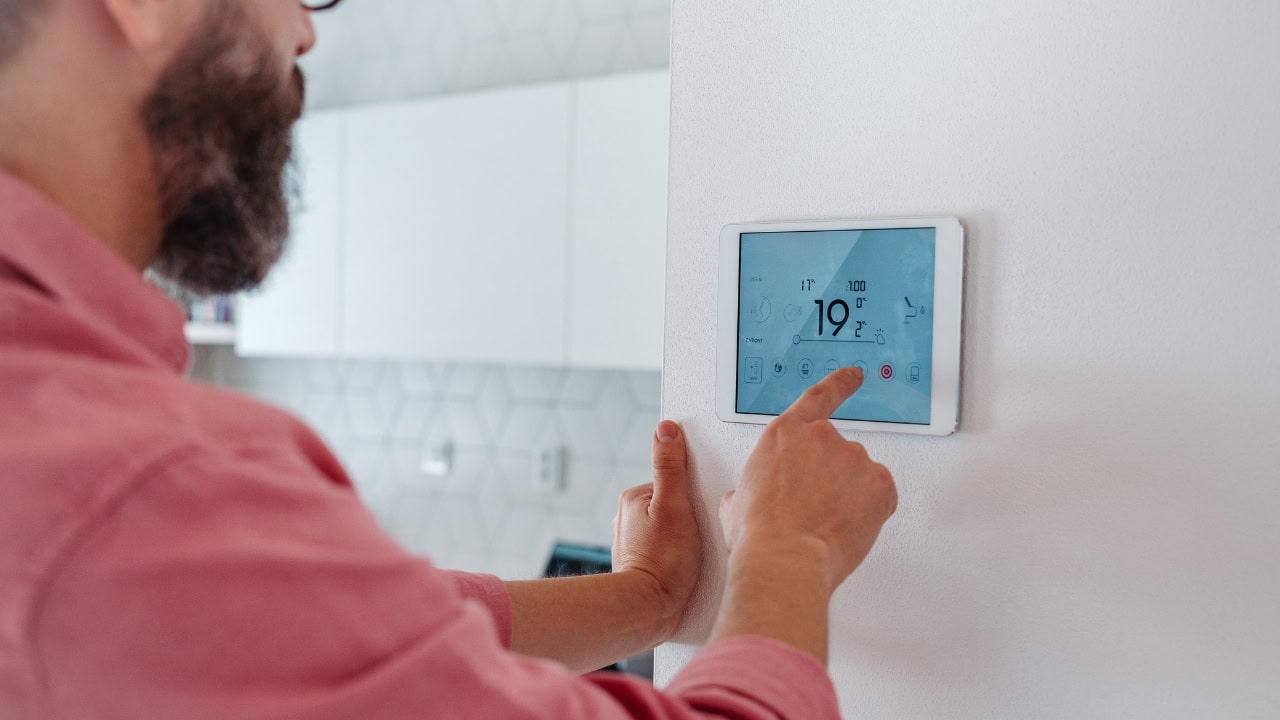
Programmable or smart thermostat used with realistic settings
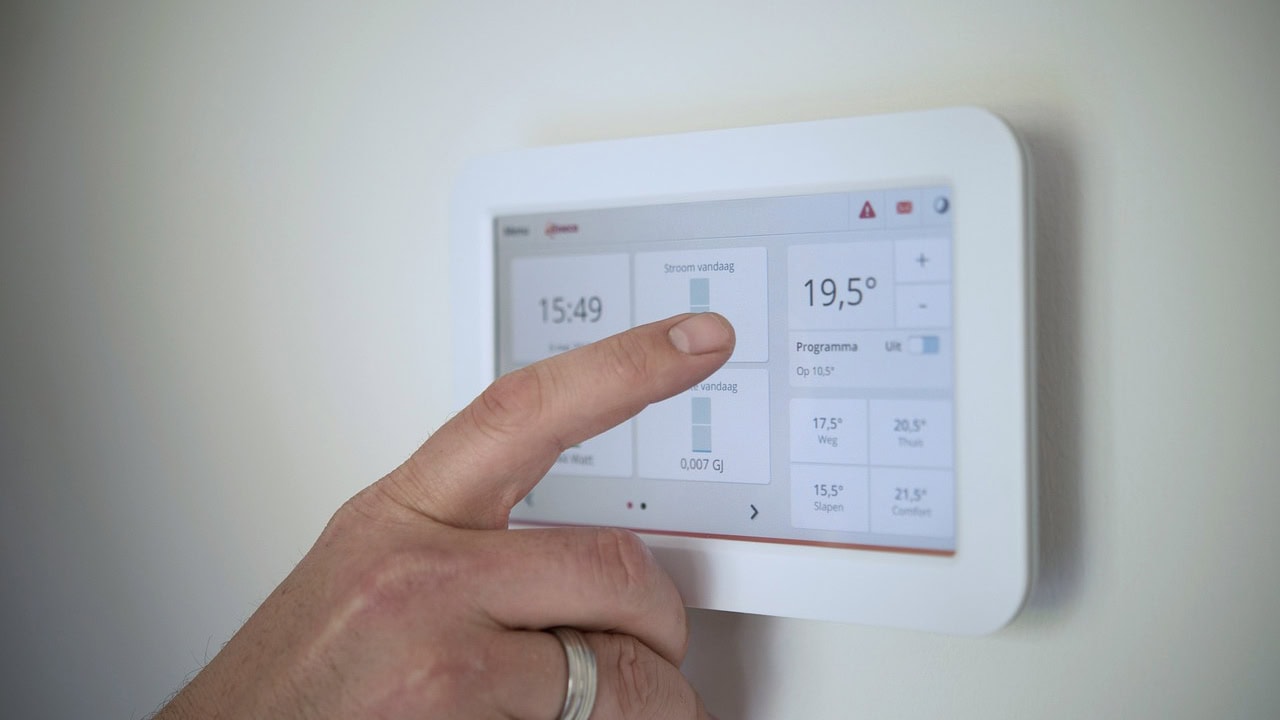
A programmable thermostat only helps if you actually let it do its job. If yours is set to weird default schedules or you constantly override it, you're not getting the benefit.
Take one quiet evening to set up a realistic schedule: slightly cooler or warmer when you're gone or asleep, and comfortable when you're home and awake.
Once it's dialed in, it trims energy use in those hours where no one needs the house at full blast. Over a year, that difference in run time can easily cover the cost of the thermostat.
Weatherstripping and door sweeps on drafty exterior doors
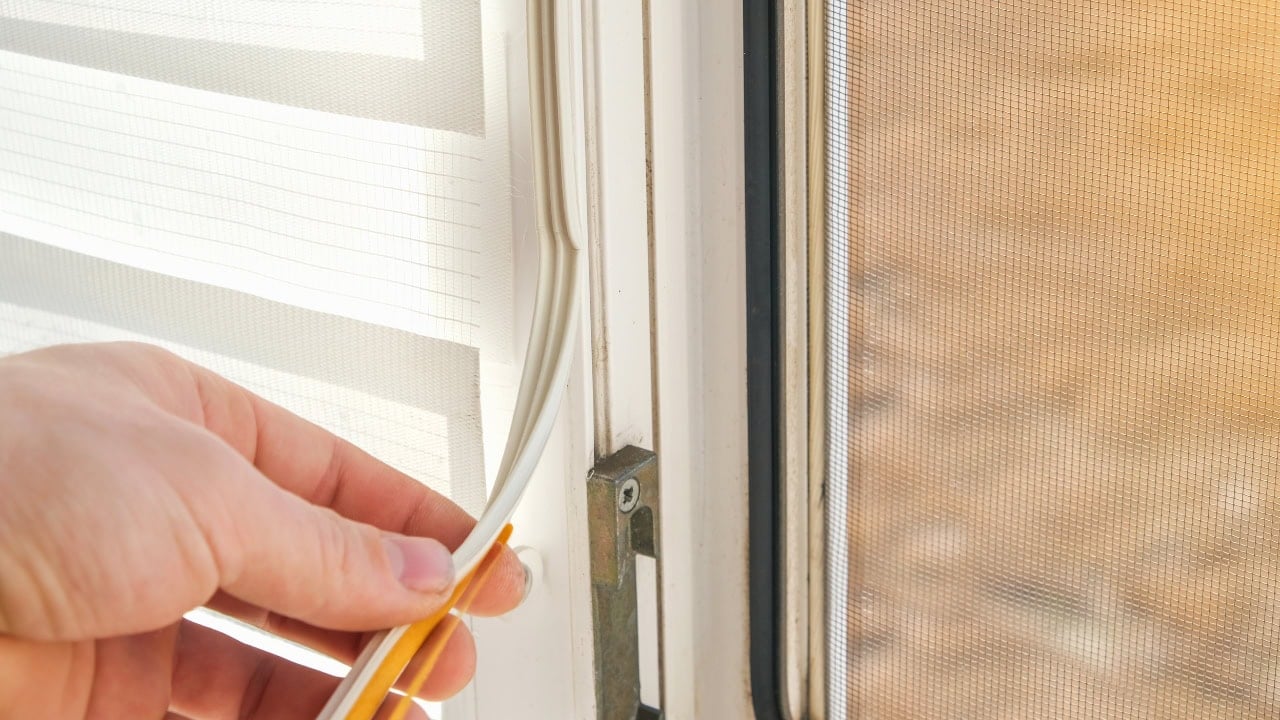
If you can feel air around the edge of an exterior door, you're paying to heat or cool the outdoors. That constant exchange makes your system work harder.
Fresh weatherstripping around the frame and a solid door sweep at the bottom are inexpensive and not hard to install. The house instantly feels less drafty near those doors.
Your heating and cooling system gets a break, and your comfort stops leaking out under the threshold. It's not glamorous, but it's one of the fastest payback upgrades there is.
Basic outlet and switch insulation on exterior walls
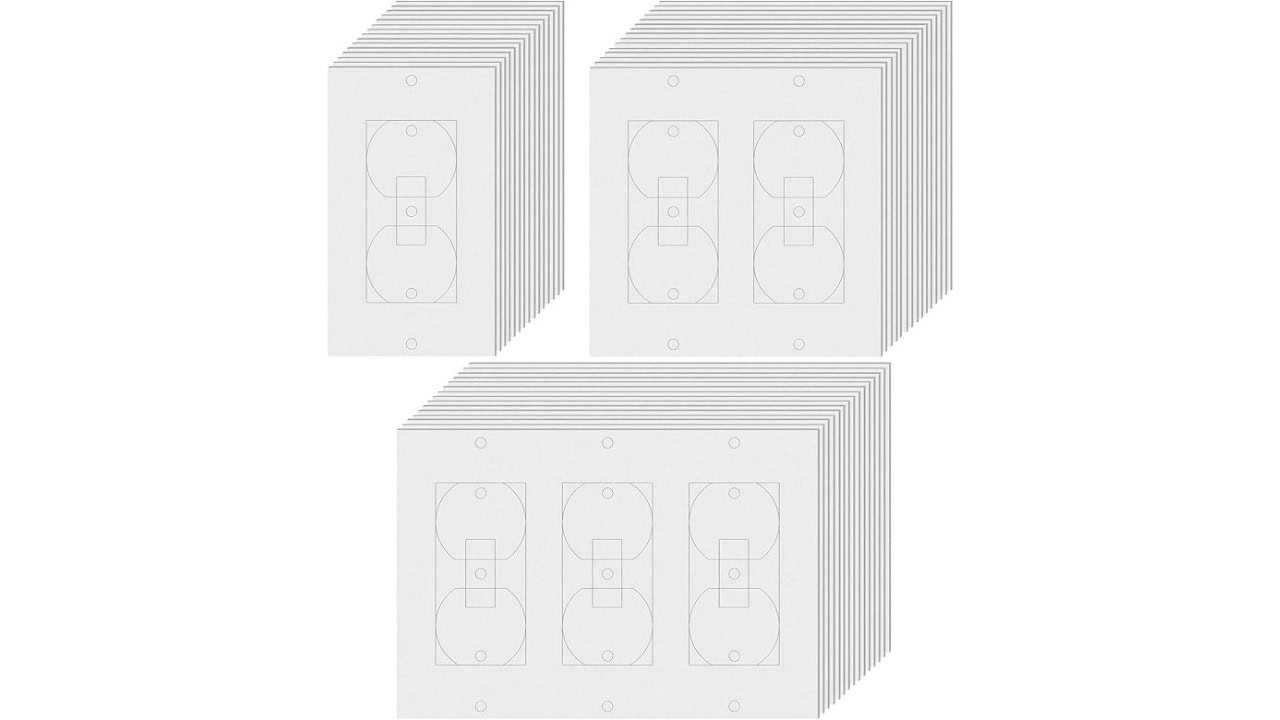
You know those little foam gaskets behind outlet and switch covers? On exterior walls, they can actually help.
Cold air loves to come through those tiny gaps. Popping the covers off, adding the foam piece, and putting the covers back on takes a few minutes per switch.
It's not going to turn your house airtight, but it does cut down on drafts along exterior walls. Paired with other small sealing projects, it helps your system run a little less and saves energy over time.
Smart power strips for TV, gaming, and office setups
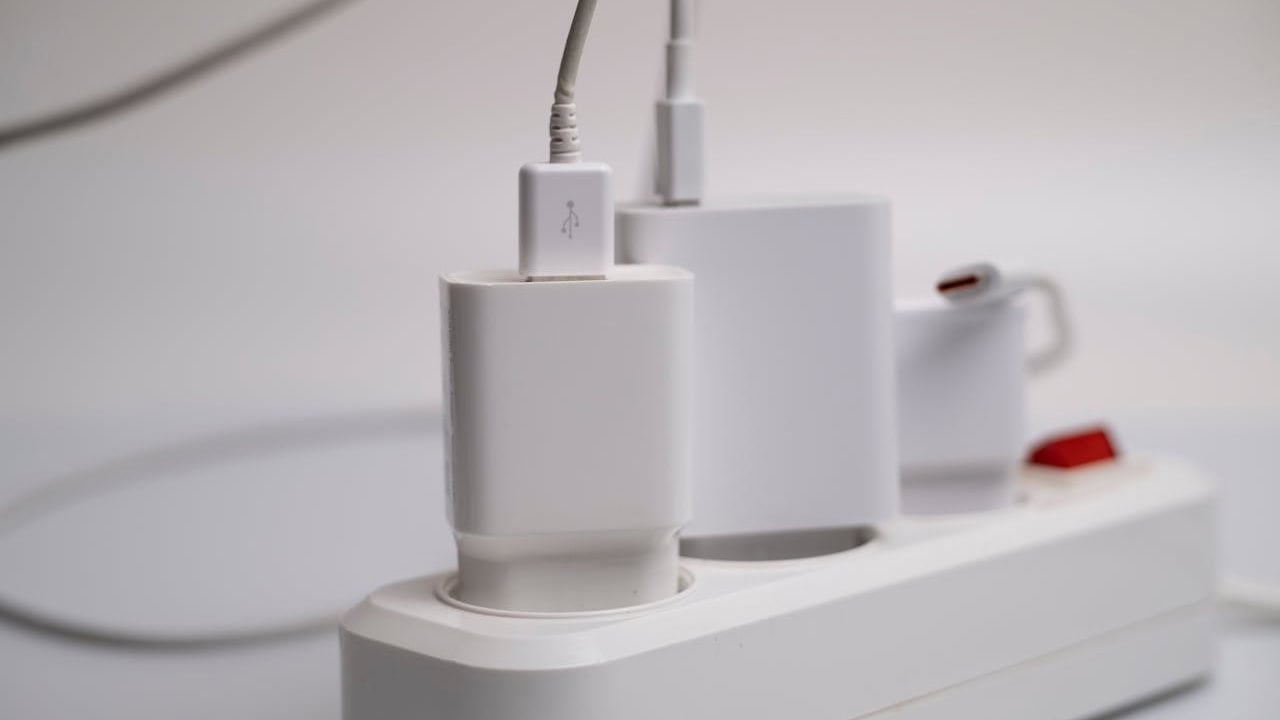
TVs, consoles, printers, and streaming boxes often keep sipping power even when "off." Smart or switchable power strips let you cut power to a whole cluster with one button.
Set them up where you know things sit idle overnight or while you're gone-office area, entertainment center, game zone.
Over months of flipping one switch instead of letting everything stay in standby, you cut that background usage down. Less phantom draw means a slightly lower bill, and it starts adding up over a year.
A simple water-leak sensor near high-risk spots
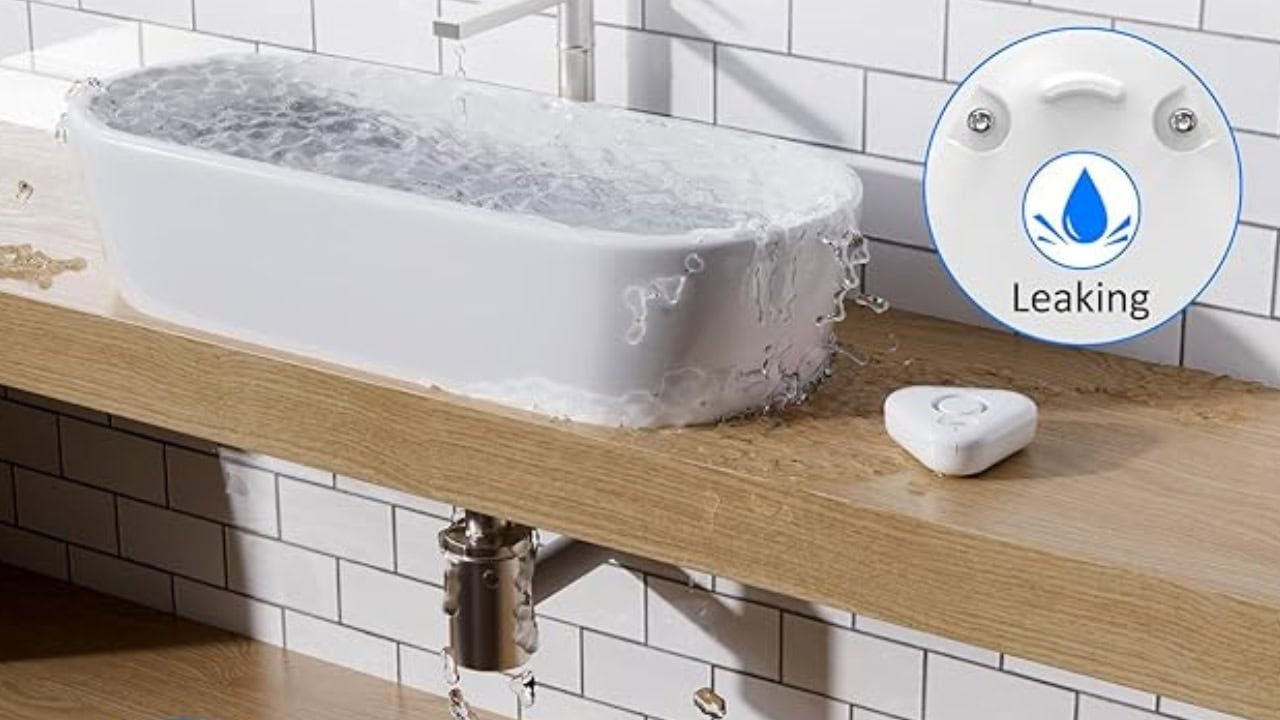
Tiny drip under the sink? Slow leak near the water heater? Those can turn into floor, cabinet, or drywall repairs fast if you don't notice them early.
Cheap water-leak sensors sit on the floor and scream at you when they detect moisture. One under the kitchen sink and one near your water heater can alert you before the damage gets expensive.
They're not saving you money on a bill, but they can absolutely prevent an "oh no" repair that dwarfs the cost of the sensor within one incident.
A basic closet system that actually keeps things visible
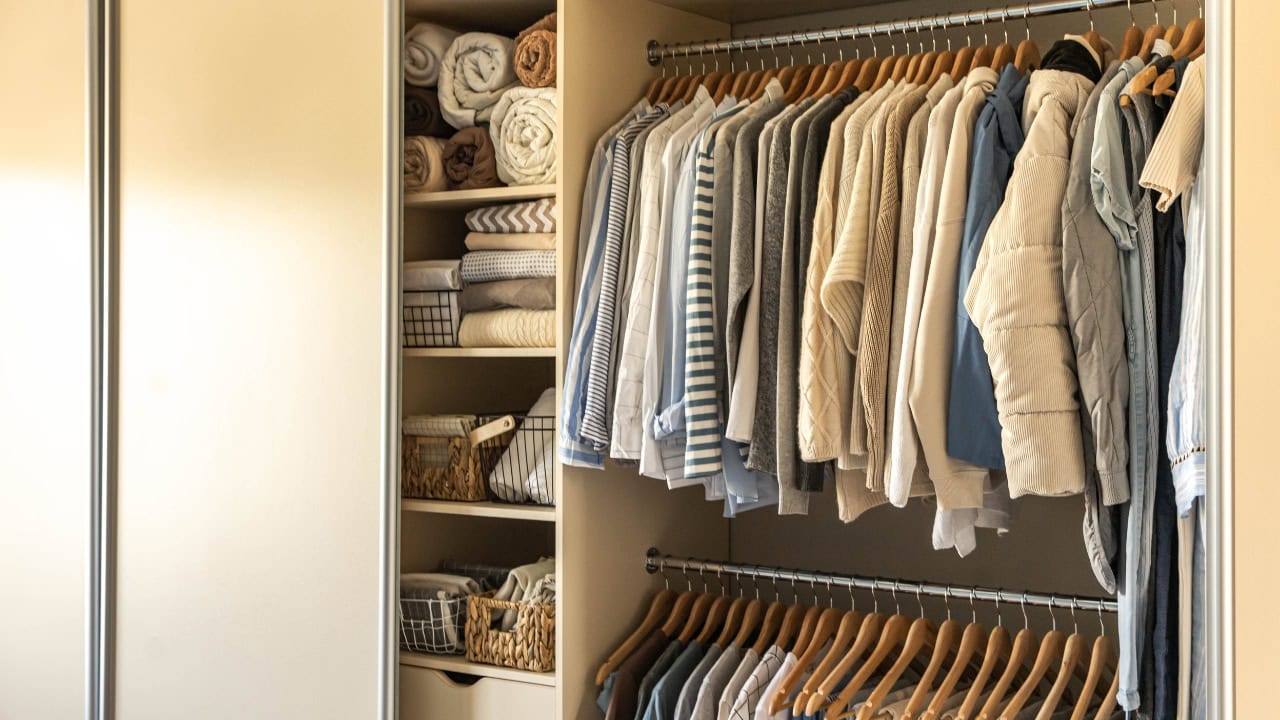
When closets are black holes, you end up rebuying things you already own-cleaners, extra paper towels, kids' gear, clothes.
Simple shelves, a second hanging rod, or inexpensive organizers make it easier to see what you have. You stop double-buying because you finally notice there are three bottles of the same product in the back.
That "I didn't realize we already had one" problem costs more than people think over a year. Better storage pays you back by cutting those duplicates.
Quality doormats where the dirt actually comes in

Good, sturdy mats outside and inside your main doors catch grit and mud before it hits your floors and rugs.
Less dirt inside means less vacuuming, less mopping, and less wear on finishes and carpet fibers. Over time, that translates to fewer deep cleans and slower replacement.
It's a small upfront cost that protects more expensive things-flooring, rugs, baseboards-every single day.
A decent shower curtain liner and exhaust fan habit
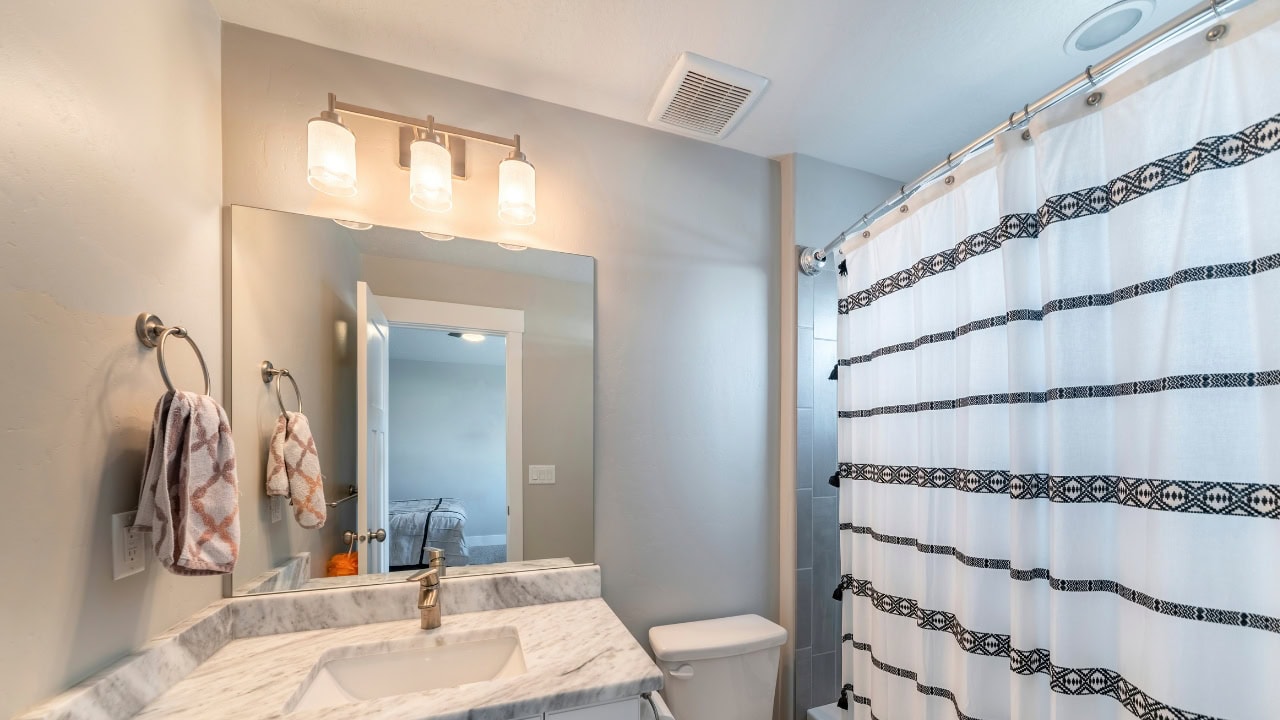
A quality mildew-resistant liner plus actually using your bathroom fan (and leaving it running for a bit after showers) won't feel like an "upgrade," but it is.
They help cut down on moisture and mildew, which means less scrubbing with harsh products, fewer stains on grout and caulk, and less chance of needing to recaulk or repaint sooner than you should.
Less moisture damage and less chemical cleaning over a year easily return the cost of a good liner and whatever you spend running the fan a few extra minutes.
*This article was developed with AI-powered tools and has been carefully reviewed by our editors.






Leave a Reply