
11 mistakes people make with rewards programs that cost them free money

Rewards programs can be helpful, but they can also be one more way stores keep you coming back and spending more. The line between "smart savings" and "I only bought this for the points" is thinner than it looks.
Most of the waste doesn't happen because people are lazy. It happens because the programs are confusing on purpose.
Here are common mistakes that quietly cost you real money-and what to do instead.
1. Signing up for every program and using none of them well
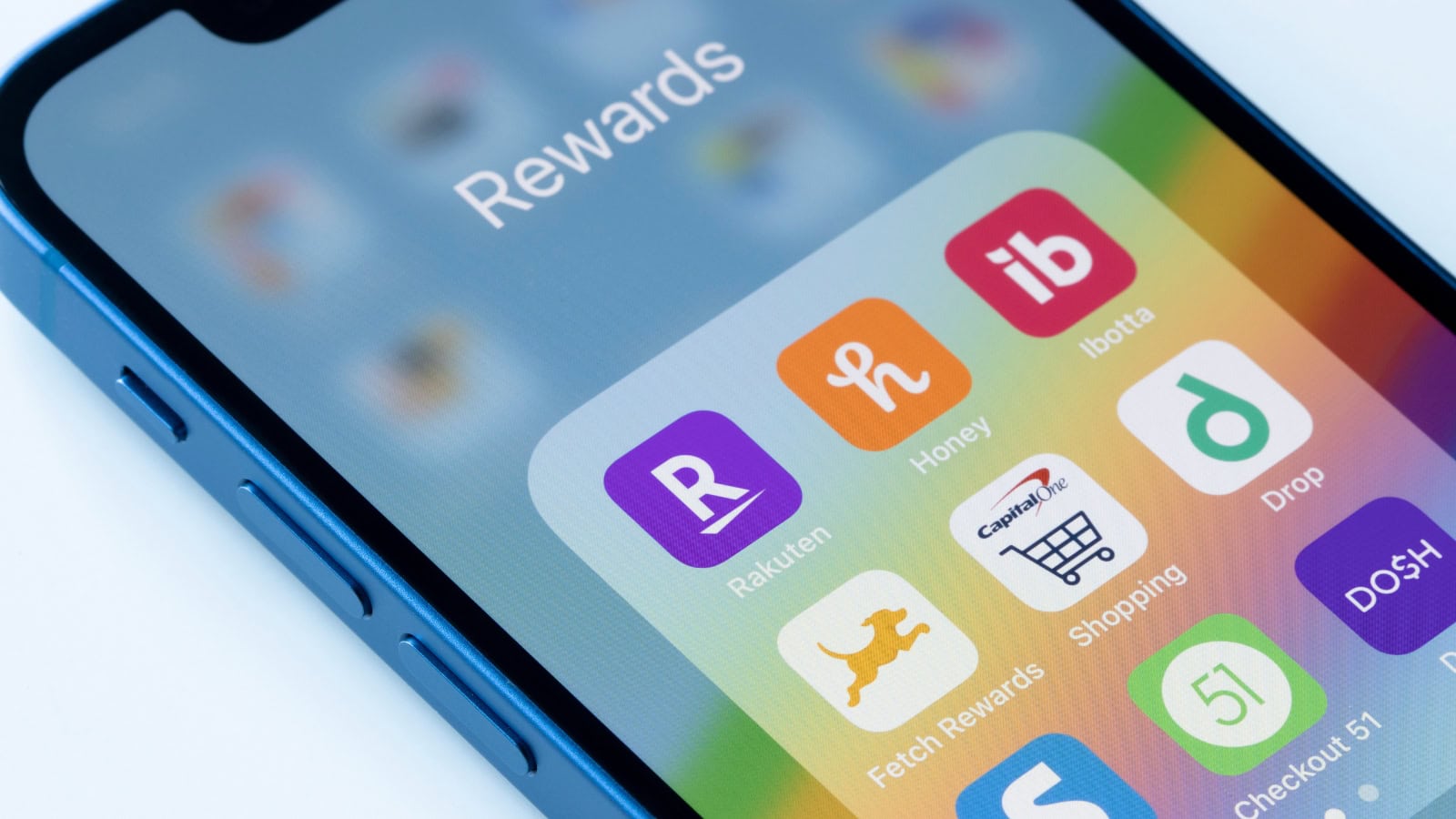
It's easy to say yes at every checkout: pharmacy, gas station, grocery store, clothing, pet supplies. Suddenly you've got fifteen loyalty numbers and no idea what any of them are actually doing for you.
When your efforts are scattered, you earn tiny amounts everywhere instead of meaningful rewards in a few places. That's how points expire or sit untouched.
Pick a small core group-your main grocery store, one gas program, one or two retailers you truly use regularly-and lean into those. Let the rest go.
2. Chasing points instead of lowering your actual spending
Rewards programs love to dangle "spend X more to earn bonus points." It feels like you're missing out if you don't bump your total up.
The trap is that you end up buying things you wouldn't have bought just to hit a threshold. You didn't save-you traded real dollars for points that usually aren't worth as much as what you spent.
A better rule: if you weren't planning to buy it before you saw the promo, ignore it. Points should be a side benefit of normal spending, not the reason you spend more.
3. Letting rewards expire because there's no routine

A lot of store rewards, grocery points, and fuel credits come with expiration dates. If you're not checking them regularly, they just vanish.
Most people don't lose rewards because they don't care. They lose them because they don't have a habit built around using them.
Pick a day-maybe the first weekend of the month-to open your main rewards apps, check balances, and plan to use anything that's about to expire on basics like groceries, kids' needs, or stock-up items.
4. Treating rewards like "fun money" instead of budget help

It's tempting to use rewards on candles, mugs, seasonal décor, and treats because it feels like you're not spending "real" money.
The problem is that your actual budget for groceries, household goods, or kids' stuff doesn't get any lighter. You're effectively using a discount to invite more extras into your house instead of shrinking the bills you're already struggling with.
Try flipping it: let rewards handle boring purchases you'd make anyway. That way, your out-of-pocket spending drops and the program is actually working for your budget, not just your impulse section.
5. Ignoring how much personal information you're handing over

Most rewards programs are data machines. They track what you buy, when, and how often. That doesn't mean you have to avoid them, but you should be conscious of what you're giving up in exchange for a few dollars.
If a program wants your phone number, email, birthday, address, and more-and the rewards are tiny-it might not be worth the flood of marketing and tracking.
Prioritize programs that give clear value (real savings, fuel discounts, strong points) for a reasonable amount of information, and don't be afraid to say no to the rest.
6. Letting points sit at "almost enough" forever

Some programs only let you redeem at certain thresholds-$5, $10, or higher. People often hover just under that number, then either forget about the points or lose track when they switch stores.
That "almost enough" total is wasted potential. It never turns into anything useful.
When you notice you're two or three dollars away from redemption, don't use that as an excuse to blow money. Instead, plan one normal trip where you know you'll hit it, then actually redeem on something you need that week. Close the loop.
7. Using store credit cards just for the signup discount

Store cards often dangle "save 20% today" or something similar for signing up. That discount can feel big in the moment, especially on a large purchase.
But if that card tempts you back into the store more often, or you ever carry a balance with high interest, that one-time percentage off gets eaten up fast.
Only consider store cards if you already shop there regularly, can pay them off in full every month, and the ongoing rewards are strong. A single sign-up coupon isn't worth a long-term headache.
8. Not reading the fine print on where rewards can be used

Some programs make it sound like you can use rewards on anything, then quietly exclude half the store-gift cards, certain brands, alcohol, or specific departments.
If you don't know the rules, you'll plan to knock a big chunk off your bill and end up disappointed at the register when it doesn't apply. That makes you less likely to bother using rewards the next time.
Take two minutes to skim the basic terms when you sign up. Knowing where rewards do work helps you point them at the right purchases from the start.
9. Forgetting to scan or enter your info at checkout

One of the simplest ways people lose value is by just… forgetting. They shop like usual, pay, and only afterward remember they never entered their phone number or scanned their code.
It happens to everyone, but if it's a pattern, you're missing out on a lot of what the program is supposed to do for you.
Make it part of your routine: as soon as you get in line, open the app or have your phone number ready. The more automatic that feels, the less you'll walk away from points you technically earned.
10. Spreading rewards across too many "kind of okay" programs

If you're earning a little bit of everything at a dozen places, you rarely see a big enough payoff to feel like it mattered. That's demotivating, and it makes the whole process feel pointless.
You'll see more impact by going deeper with fewer programs. For example: one main grocery store, one main online cash-back portal, one main gas program, and maybe one store where you truly buy clothes or home goods.
Concentrating your spending where the rewards stack up makes it much more likely you actually redeem them for something meaningful instead of watching small balances rot.
11. Never giving your rewards a real job

Just like with coupon savings, if your rewards don't have a job, they evaporate into random spending. You feel good for a second and then your budget looks exactly the same next month.
Decide what your rewards are for: maybe they cover stocking up on basics twice a year, go toward Christmas, or help fund one specific sinking fund like car maintenance or sports fees.
When you redeem points with that job in mind, you turn "free money" into real relief-lower bills, less December stress, or fewer surprises wrecking your month. That's when rewards programs stop being just another marketing trick and actually start working for you.
Like Thrifty Jinxy's content? Be sure to follow us.
Here's more from us:
How to Make Baby Yoda Cookies with Step-by-Step Instructions
Super Easy Biscuit Recipe with No Shortening
*This article was developed with AI-powered tools and has been carefully reviewed by our editors.






Leave a Reply