
11 household routines that make it easier to stick to a budget
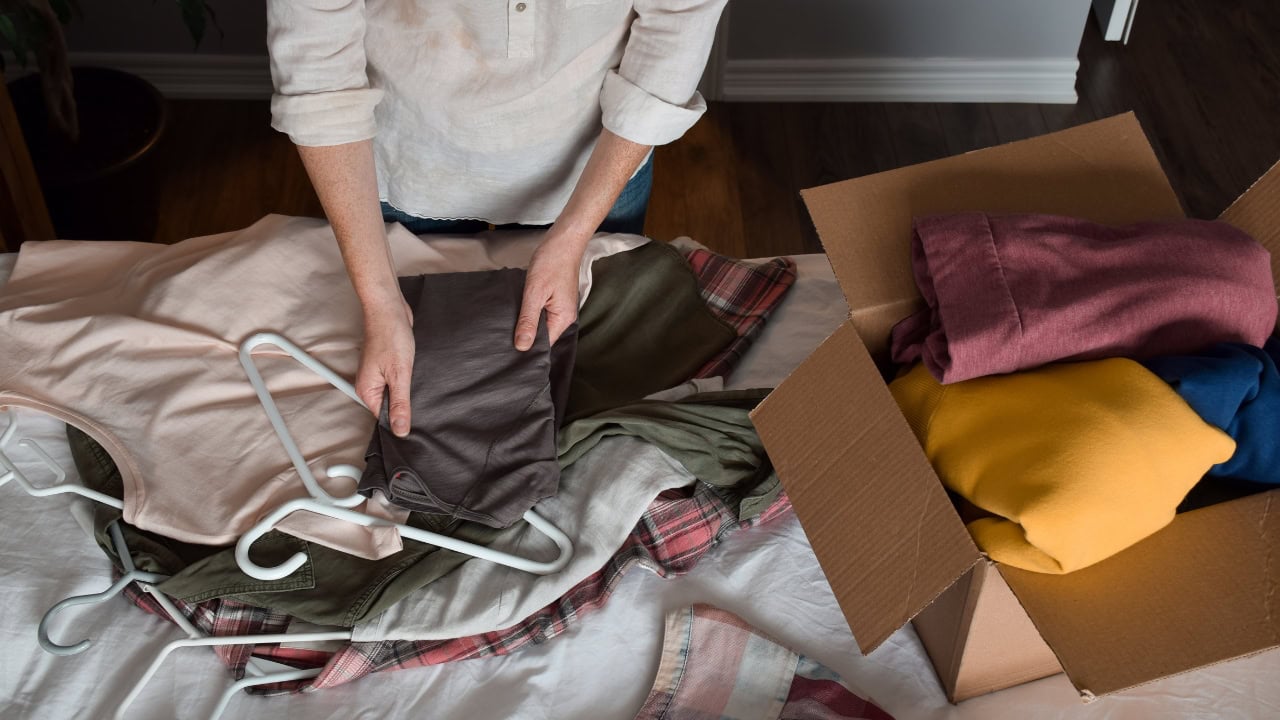
Most budgets fall apart in the chaos of everyday life-5 p.m. dinners, last-minute school things, surprise events. The routines you build inside your house do most of the heavy lifting for your money. If your days feel a little more predictable, your spending does too.
These routines aren't fancy, but they quietly support whatever numbers you've written down.
A loose weekly meal rhythm

You don't need a full month of recipes. Just pick simple "themes" for each night-like pasta night, taco night, soup/sandwich night, leftovers night. It narrows decisions and makes grocery lists easier to stick to.
A standing grocery day

Having one primary grocery day per week keeps you from constant top-off trips. You still might need the occasional milk run, but a main day gives structure to your food spending instead of letting it run whenever.
A Sunday "look ahead" for the week

Take ten minutes once a week to glance at your calendar, check for birthdays, school events, or anything that will cost money. When you know what's coming, you're not blindsided and grabbing expensive last-minute solutions.
A spot by the door for returns and exchanges

Keep one bag or basket near the door for items that need to go back to the store. That way you can throw it in the car on grocery day instead of missing the return window and eating the cost.
Regular pantry and freezer check-ins
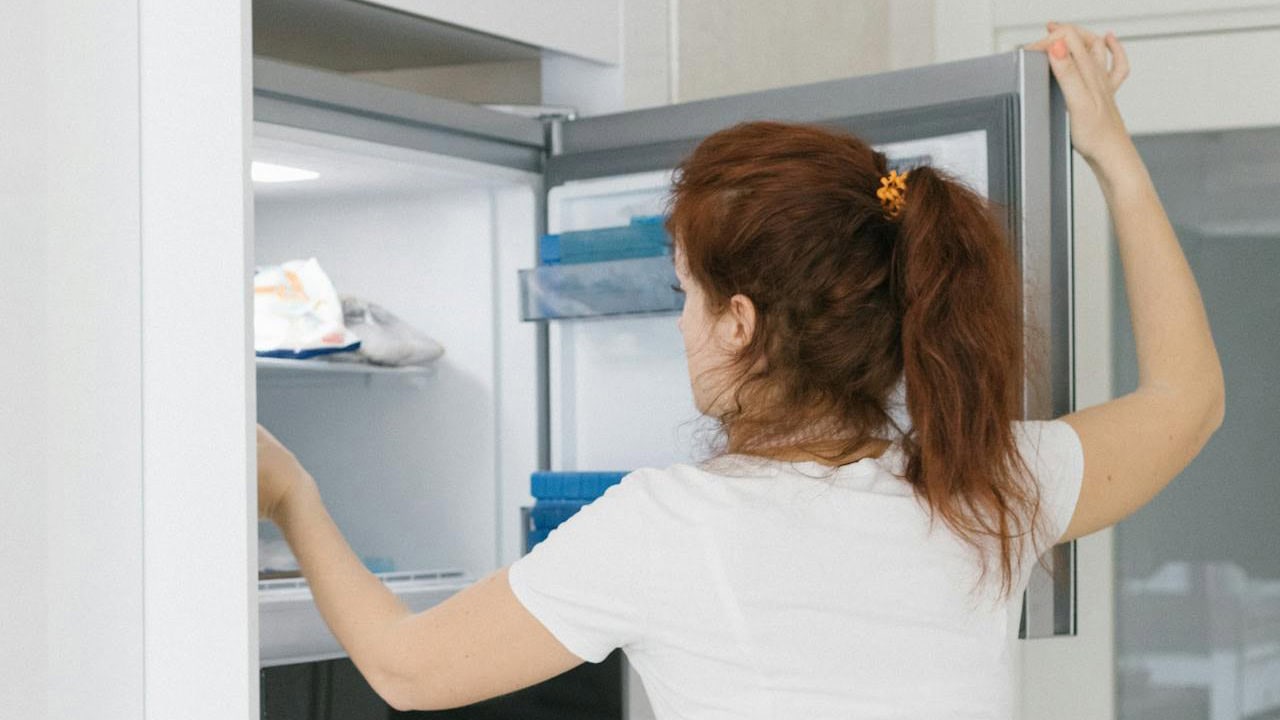
Once a week, look at what proteins, frozen veggies, and pantry basics you already have, then build meals around them. It keeps you from buying full-price duplicates and lets you stretch what you've already spent.
A bill-paying rhythm

Pick two days each month-like the 1st and 15th-to sit down, pay bills, and move money where it needs to go. A set rhythm beats random "when I remember" payments that lead to late fees and stress.
A kids' activity boundary

It's easy to say yes to every activity. Give your family a simple rule, like one sport or one activity per season per kid. That routine protects both your time and your budget from getting overloaded.
A laundry schedule that matches real life
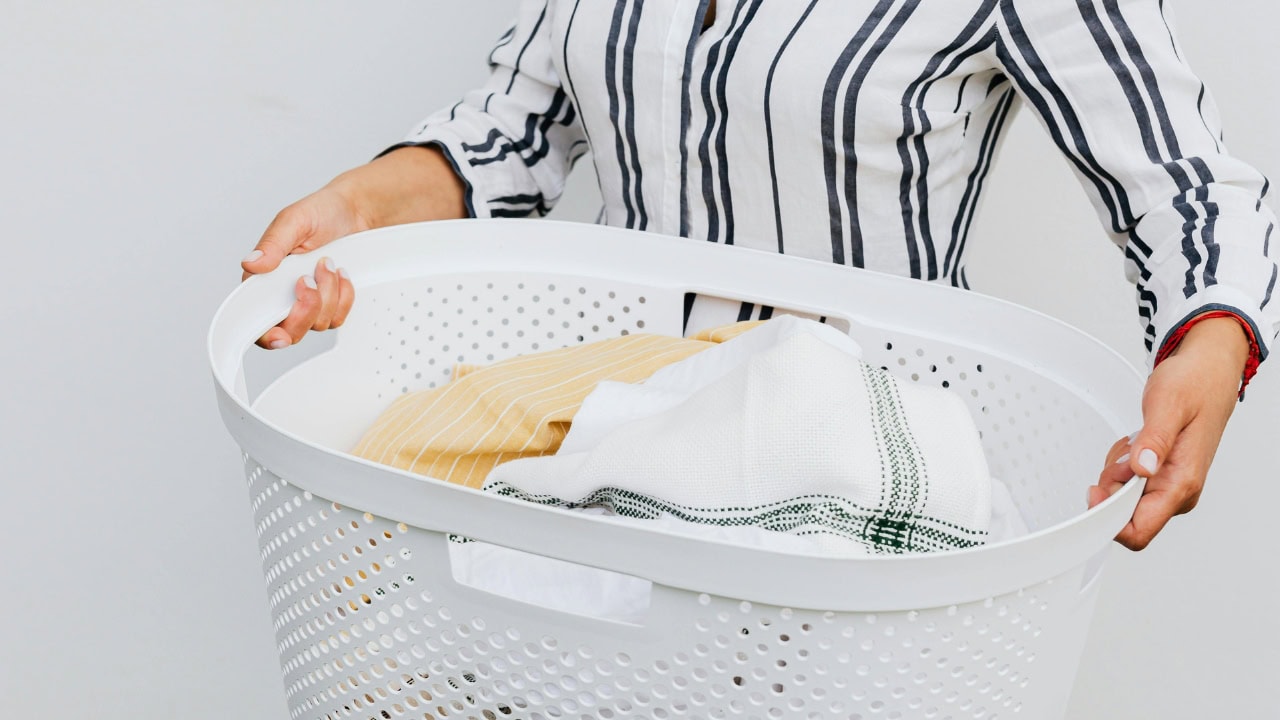
Decide which days are laundry days instead of constantly tossing in emergency loads. A routine keeps you from running the dryer multiple times for the same load because it sat and wrinkled.
A regular declutter pass

Pick one small area each week-a drawer, a shelf, a cabinet. The less clutter you have, the less likely you are to "solve" problems with more bins, more decor, and more impulse organizing buys.
A family "money talk" touchpoint

Once a week or twice a month, do a quick check-in with your spouse or older kids: what's coming up, what's tight, what's going well. Keeping everyone on the same page reduces surprise spending.
A hard cutoff for online browsing

Give yourself a time of night where you're done scrolling shopping apps and deals. Tired brains make expensive decisions. A small boundary here saves a lot of "why did I order that?" moments.
Like Thrifty Jinxy's content? Be sure to follow us.
Here's more from us:
How to Make Baby Yoda Cookies with Step-by-Step Instructions
Super Easy Biscuit Recipe with No Shortening
*This article was developed with AI-powered tools and has been carefully reviewed by our editors.






Leave a Reply