
11 everyday routines that make sticking to your budget almost automatic

Budgets fall apart in the day-to-day-quick trips, late-night scrolls, "I'll look at it later." You don't need more willpower; you need routines that quietly do some of the work for you.
Think of these as little rails that keep you from drifting too far off course, even when life is busy.
1. A five-minute morning money check

Once a day, glance at your main account and credit card balances. Not to shame yourself-just to stay aware.
That tiny habit keeps you from going a whole month "kind of guessing" where you're at. Your brain spends differently when it knows the real numbers.
2. Set autopay for fixed bills

Anything that's the same each month-mortgage/rent, car payment, streaming, phone-put it on autopay.
You're not budgeting less; you're getting the basics out of your head so you're not playing whack-a-mole with due dates and late fees.
3. Automate one small transfer each paycheck
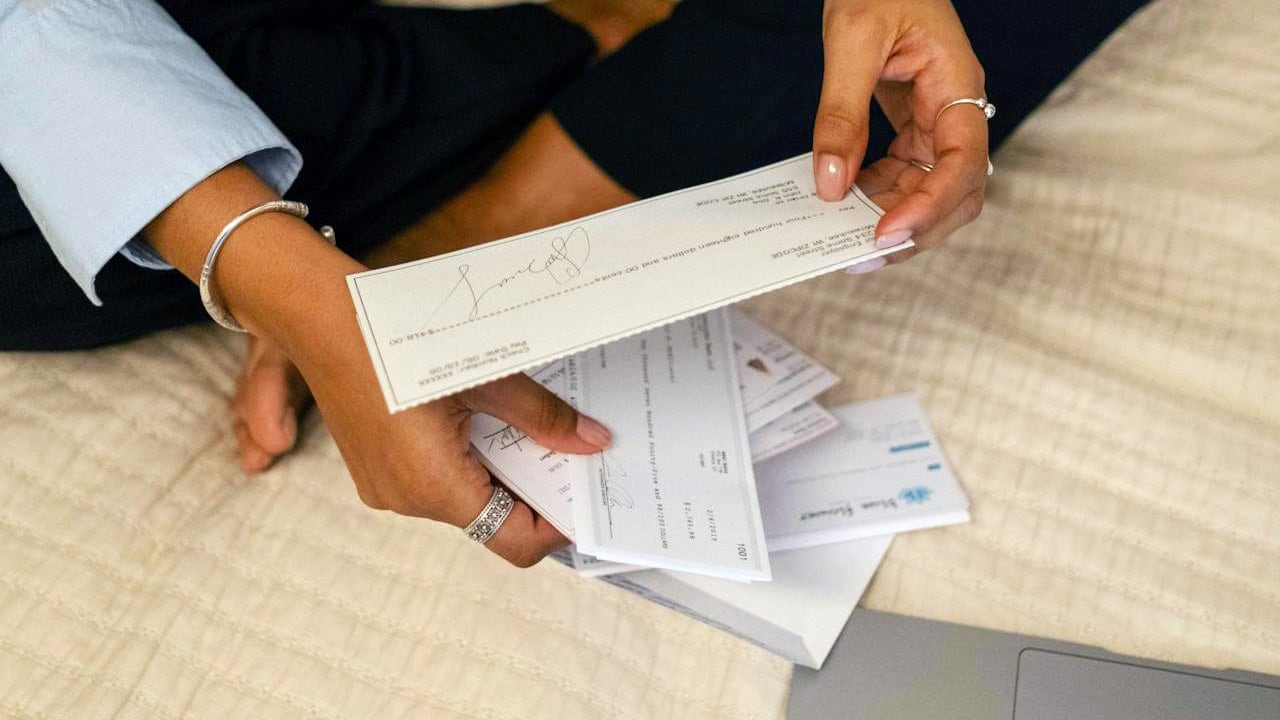
Even if it's $10-$25, set an automatic transfer to savings, a sinking fund, or debt. Don't wait to see what's "left over."
You're training your brain that saving or paying down debt is a bill too-not an optional extra when everything else is done.
4. Give your spending categories a home

Use envelopes, a budgeting app, or separate accounts for things like groceries, eating out, fun money, and gas.
When that category runs low, you'll know it instantly instead of wondering where the grocery money disappeared to.
5. Make one consistent grocery day

Pick a main grocery day each week. Before you go, check the pantry and write a quick meal plan. Then try not to go back more than once for true emergencies.
Fewer trips = fewer "oh, this looks good" extras.
6. Keep a "receipt basket" or digital folder
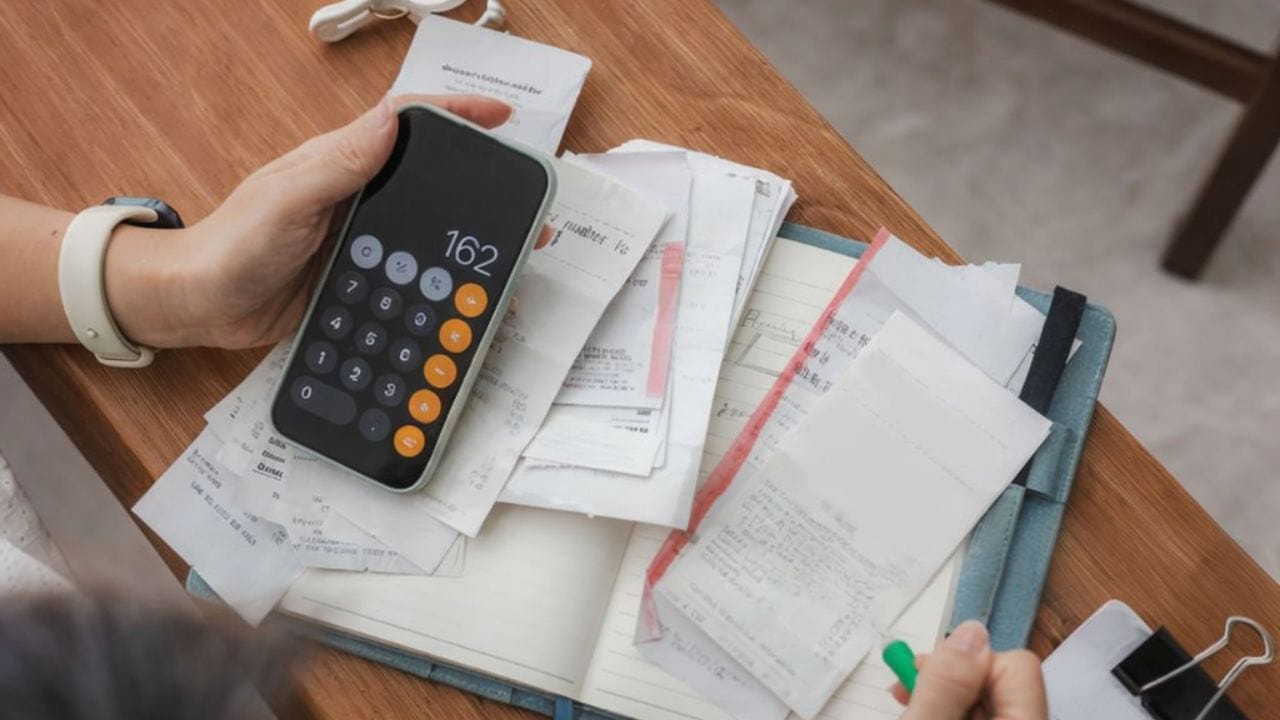
Have one spot where all receipts and emailed order confirmations land. Once a week, sit down and log them or glance through them to see where money went.
You'll catch patterns much faster than if everything is buried in bags and inbox chaos.
7. Do a weekly 15-minute money reset

Once a week, look at your calendar and your accounts together: what's coming up (birthday, trip, sports fees), what's already been spent, what needs adjusting.
Treat it like checking the weather. No drama, just "What do I need to be ready for this week?"
8. Set a personal "pause" rule for bigger buys

Decide that any purchase over a certain amount has to be talked over-either with your spouse or with your own notebook.
That one pause keeps a lot of "How did THAT end up on the card?" moments from ever happening.
9. Have a regular subscription check-in

Once a month, scroll through your bank or card for repeating charges. Cancel anything that doesn't actually matter to you right now.
Subscriptions are sneaky because they're small and quiet. A quick monthly sweep keeps them from piling up.
10. End the day with a 60-second tidy around spending zones

At night, pick up the spots that trigger spending: kitchen counters, coffee bar, entryway, purse. Toss receipts, pull cash out of pockets, put cards back where they belong.
It sounds small, but when these spots feel orderly, you're less likely to "fix" stress by grabbing your wallet.
11. Do a simple end-of-month "what worked" check

At the end of each month, jot down three quick things:
- What went well
- Where money surprised you
- One tweak for next month
You're not grading yourself like a teacher. You're just learning from your own patterns so the next month feels a little smoother.
Like Thrifty Jinxy's content? Be sure to follow us.
Here's more from us:
How to Make Baby Yoda Cookies with Step-by-Step Instructions
Super Easy Biscuit Recipe with No Shortening
*This article was developed with AI-powered tools and has been carefully reviewed by our editors.






Leave a Reply