
HSAs are meant for qualified medical expenses-things that diagnose, treat, or prevent a real health condition under IRS rules. Cosmetic treatments and general "feel better" programs usually don't qualify.
But the wellness world is full of gray areas and big promises. Here's where HSA money disappears fast, with not a lot to show for it.
1. Med-spa IV vitamin drips for "energy" or "immunity"

IV therapy can be HSA-eligible in certain cases-like medically necessary hydration or doctor-diagnosed deficiencies.
What usually gets pushed at spas, though, is "hangover cures" and "glow" drips. Those are often more about wellness marketing than medical necessity, and may not meet IRS guidelines. That's a lot of HSA money for fancy water you could've replaced with rest and fluids.
2. Cosmetic Botox and fillers
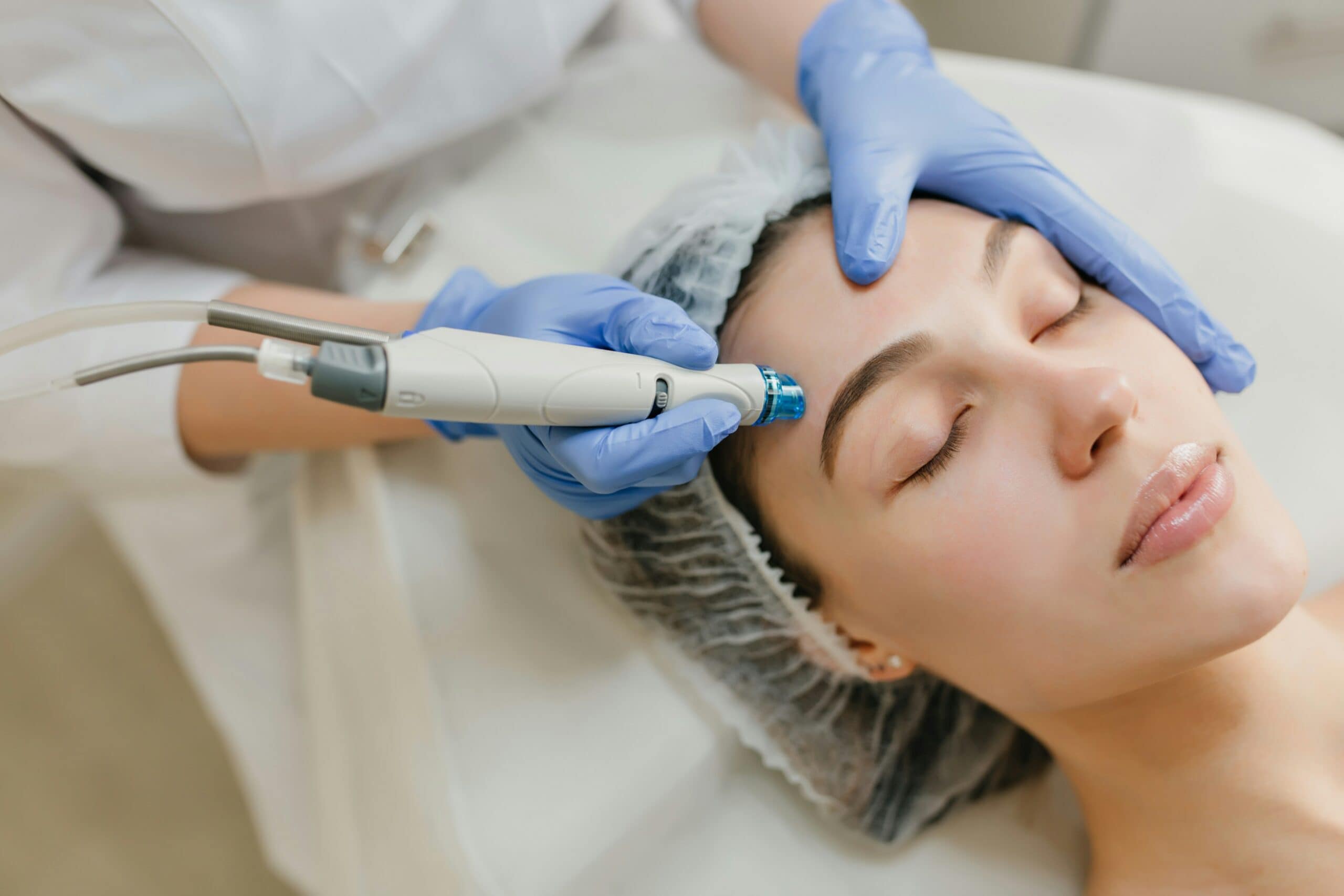
IRS guidance and HSA/benefits lists are pretty clear: cosmetic procedures that only improve appearance-like purely cosmetic Botox, fillers, facelifts, and standard hair transplants-are generally not qualified medical expenses.
If you're doing injectables for wrinkles only, that's a personal choice-but it's risky to run them through your HSA and assume it's all fine at tax time.
3. Red light facials and body panels for general "optimization"
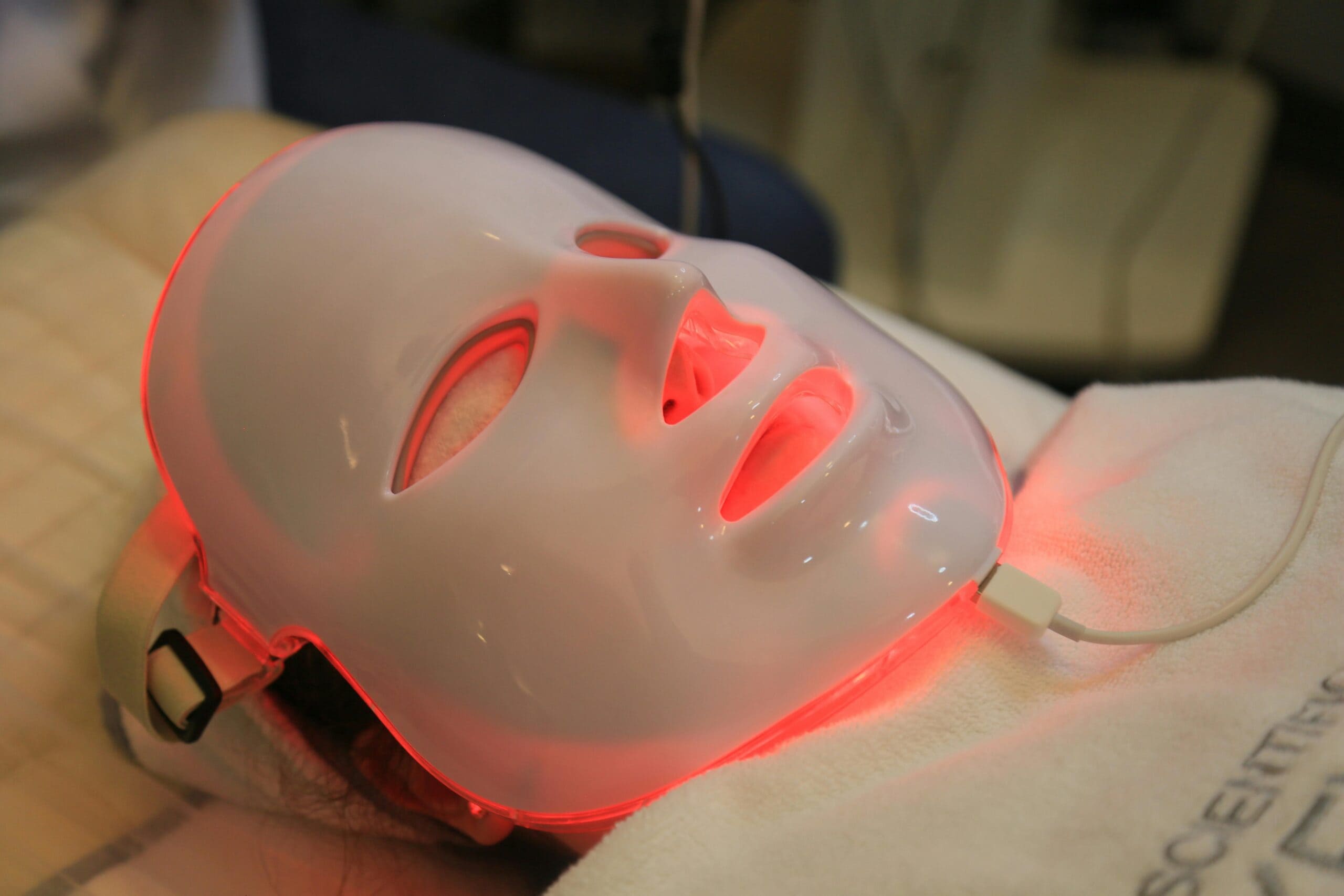
Red light therapy does have some evidence for specific things like certain skin issues and hair growth. But a lot of the spa marketing leans hard into vague promises: weight loss, all-purpose detox, mood fixes. Some expert reviews say the science just isn't there for half of what's claimed.
If you're doing it purely as a beauty/wellness splurge, it likely doesn't qualify as an HSA medical expense.
4. Online food sensitivity panels and "intolerance" tests
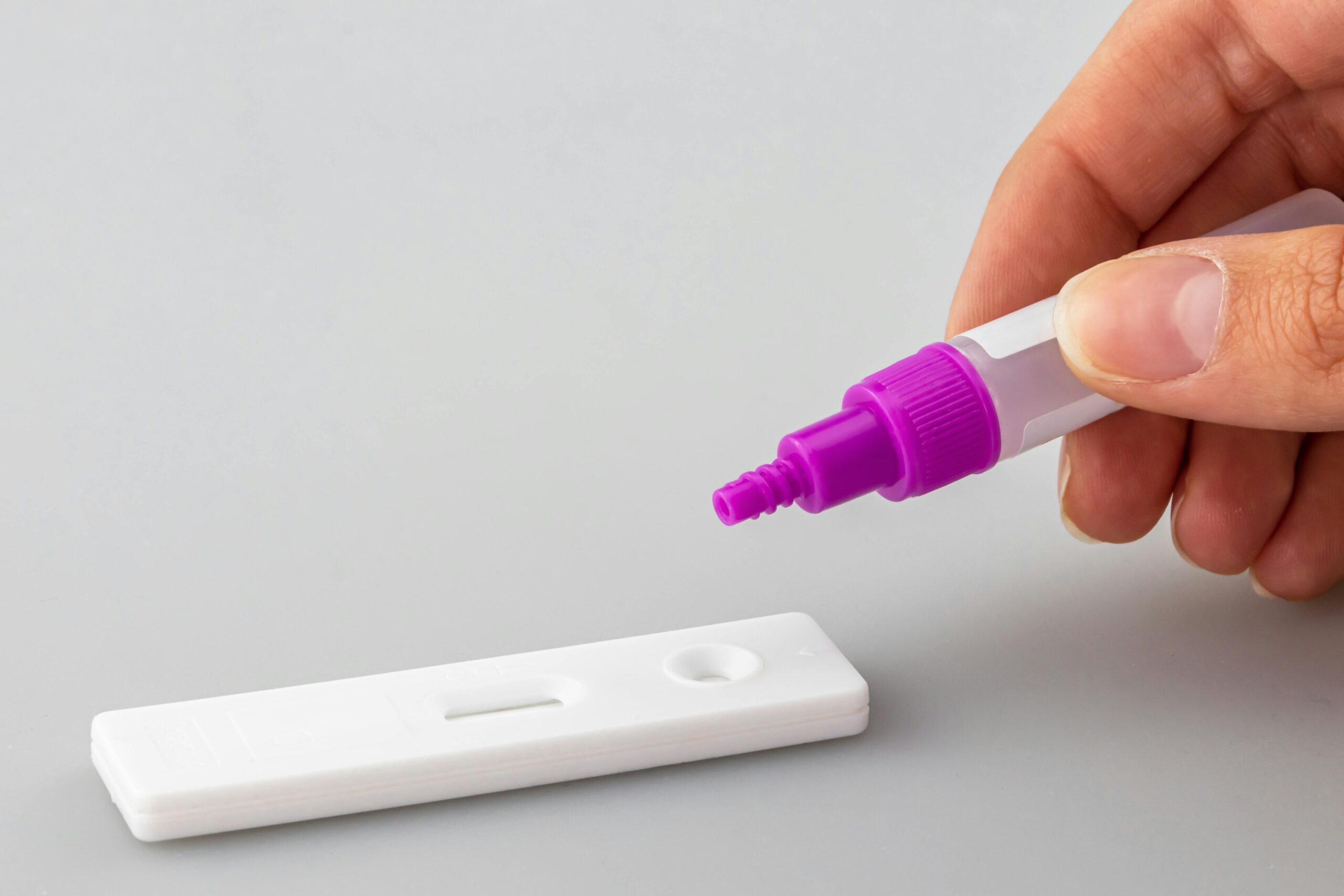
IgG food tests and similar panels are heavily marketed as shortcuts to perfect gut health. Allergy and immunology groups have repeatedly said these tests aren't reliable for diagnosing food allergies or intolerances and aren't recommended.
Dropping hundreds of HSA dollars on a test experts don't take seriously is hard to justify, especially when a careful elimination diet supervised by a provider is usually more effective and cheaper.
5. Generic "detox" programs and retreats

The IRS specifically excludes spending on programs or trips that are only for general health or well-being, not tied to treating a particular condition.
That fancy detox weekend in the woods? Great if you want it and can afford it-but calling it an HSA-eligible medical expense is a stretch unless there's a clear, documented medical angle.
6. Weight-loss programs that aren't medically supervised
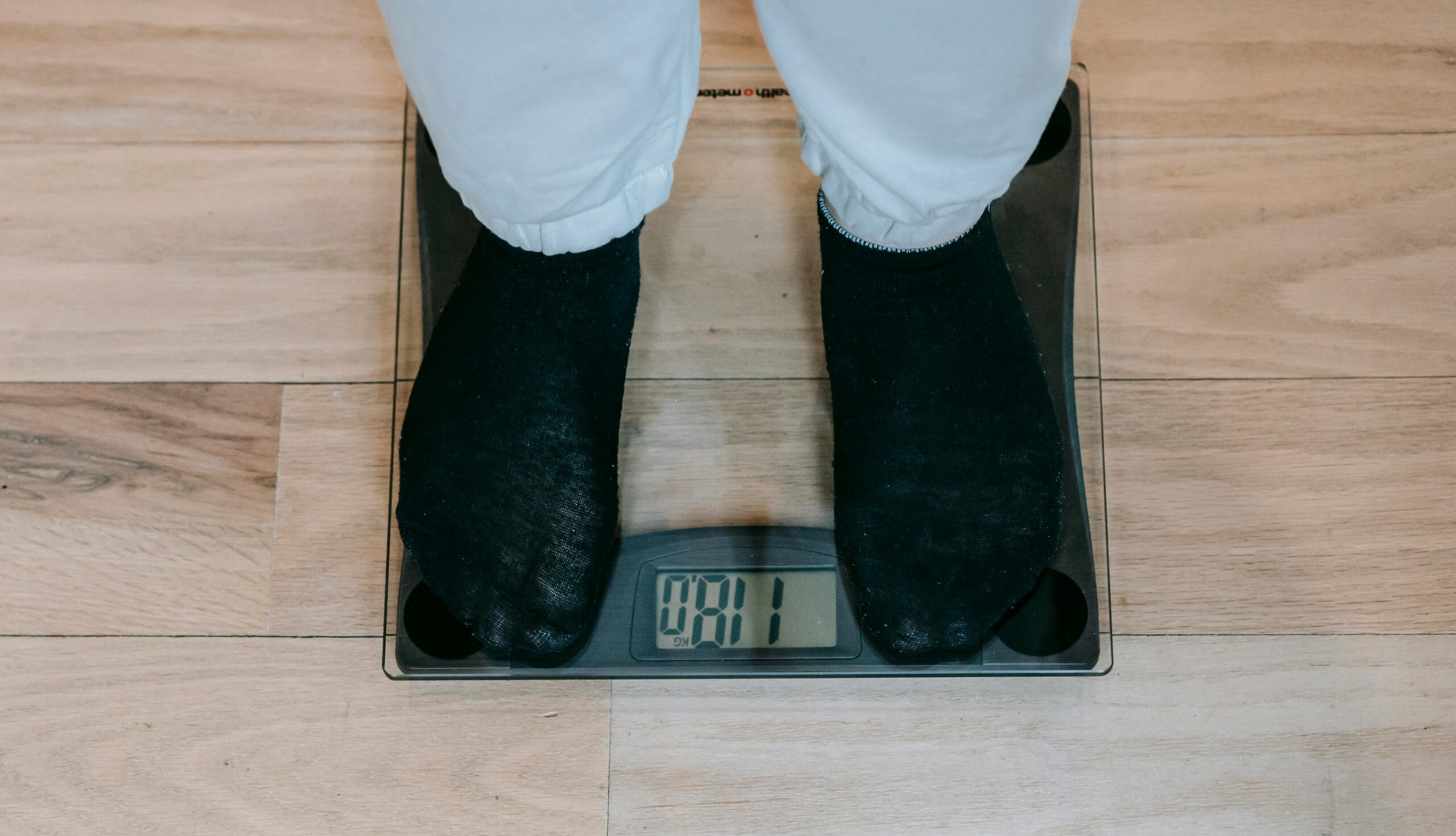
Weight-loss can be HSA-eligible in some cases, particularly when it's prescribed to treat a specific disease (like obesity, hypertension, or heart disease). But generic "get fit before summer" programs with no real medical oversight may not qualify.
If you're thinking of using HSA money here, get a written note from your doctor tying the program to a diagnosed condition and keep that documentation.
7. High-end supplement stacks from wellness influencers
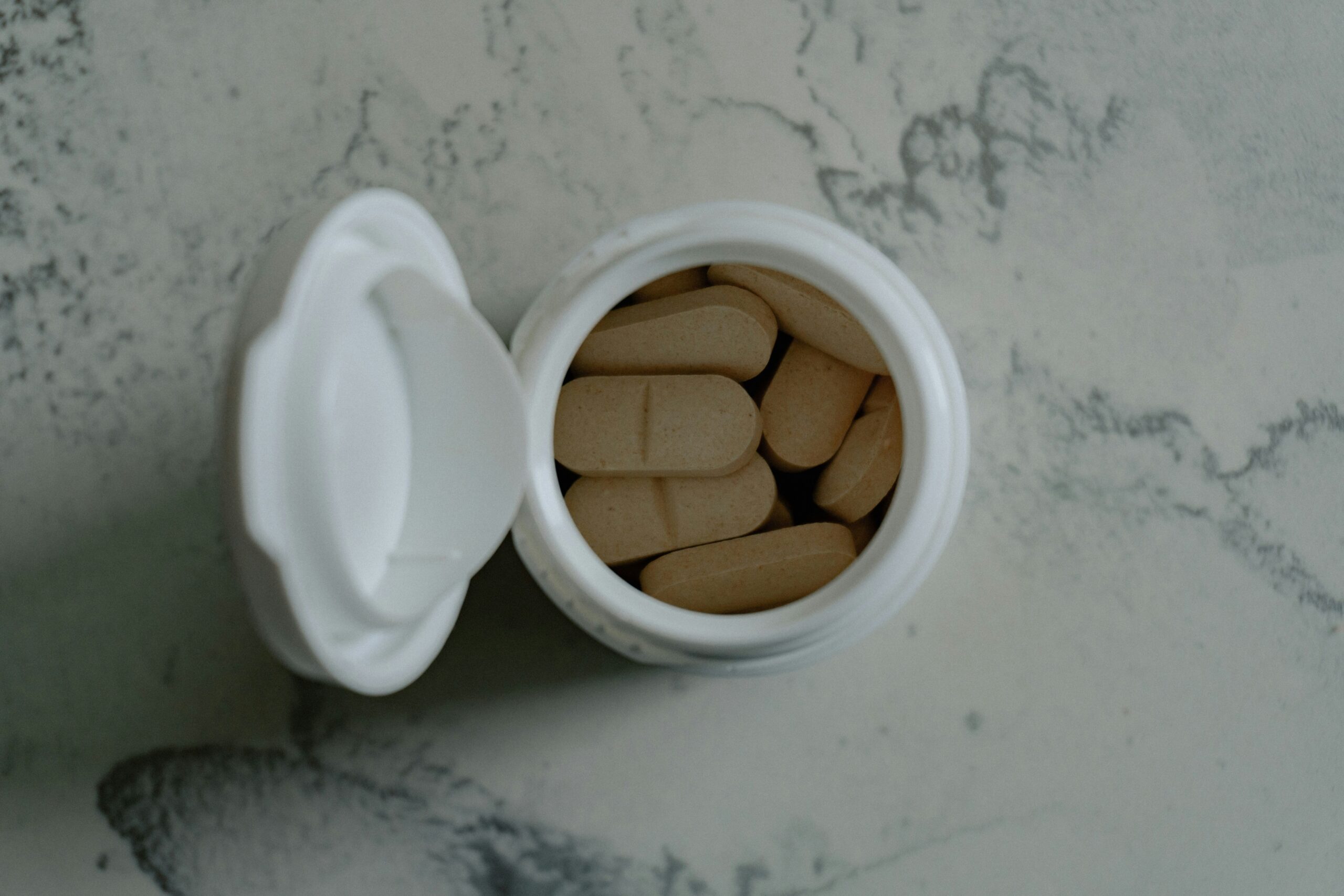
Supplements that are doctor-prescribed for a specific deficiency or condition may qualify; over-the-counter vitamins and trendy powders often don't.
Buying $150/month of influencer-branded capsules and running them through your HSA because they "support cellular health" is an easy way to drain that account with questionable benefit.
8. "Biohacking" gadgets that are more toy than treatment
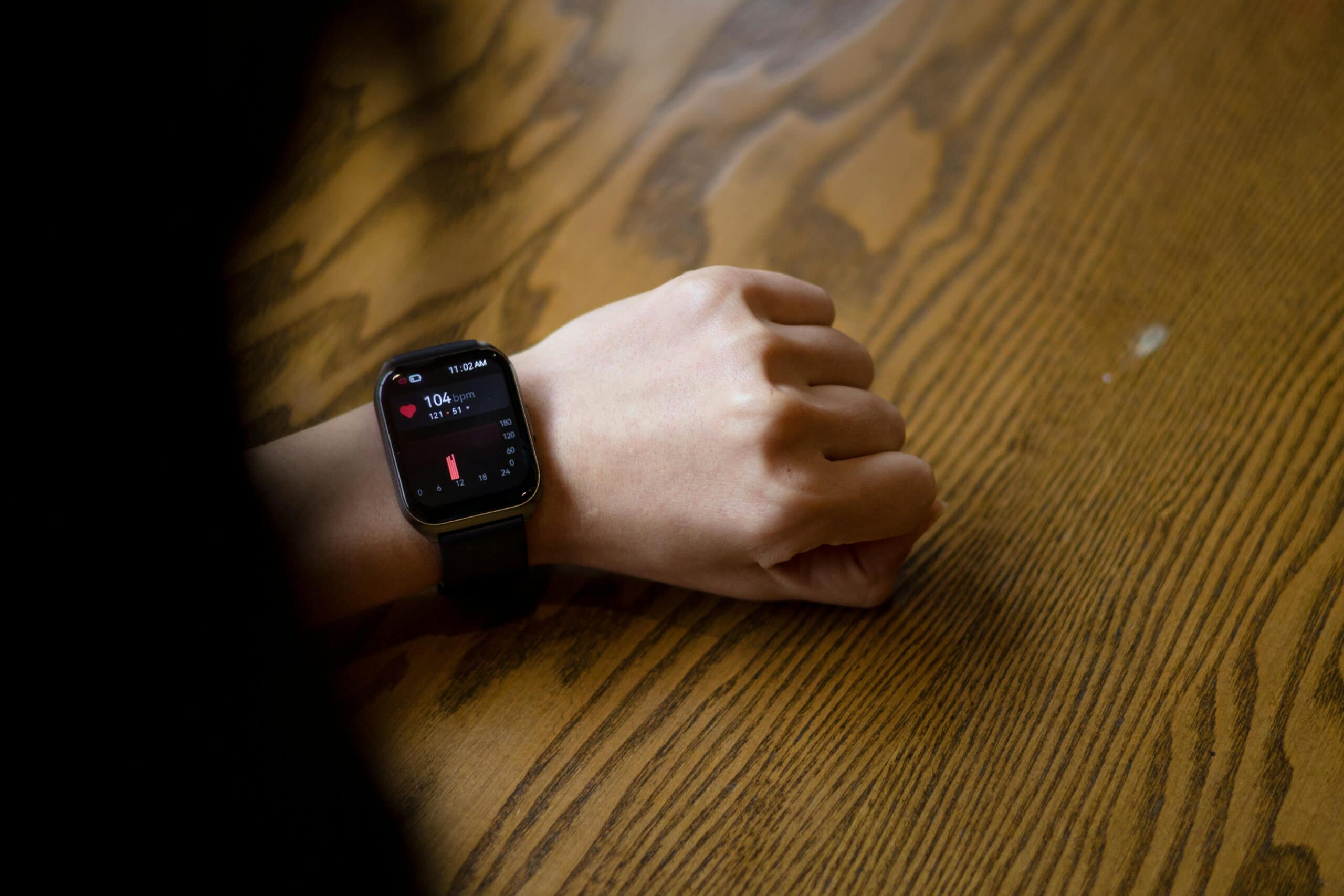
Cold plunges, special saunas, wearable devices-some of these have solid uses; others are more hobby than healthcare. HSA-eligibility lists focus on devices that clearly diagnose or treat conditions (like CPAP machines, blood pressure monitors, etc.).
If the gadget's main purpose is "optimize" or "optimize your morning routine," it probably isn't what the IRS means by medical care.
9. Fancy "membership" wellness clinics with unclear perks

Some wellness centers bundle med-spa services, IV drips, hormone discussions, and basic primary care into monthly memberships. The actual qualified medical expenses might be just a sliver of what you're paying for.
If you're using HSA funds, ask them to separate clearly: what counts as medical care vs. spa perks. Only the first category should hit your HSA.
10. Cosmetic surgery framed as "confidence care"

IRS rules are blunt: cosmetic surgery and similar treatments that only improve appearance and don't treat a deformity, disease, or injury are generally not qualified medical expenses.
If a clinic markets procedures as "self-care" or "mental wellness," that may be true emotionally-but the tax code doesn't see it that way. Using HSA money there can come back to bite you if you're audited.
*This article was developed with AI-powered tools and has been carefully reviewed by our editors.






Leave a Reply