
10 Ways to Turn Your Favorite Recipes Into Cheaper "Budget Versions"
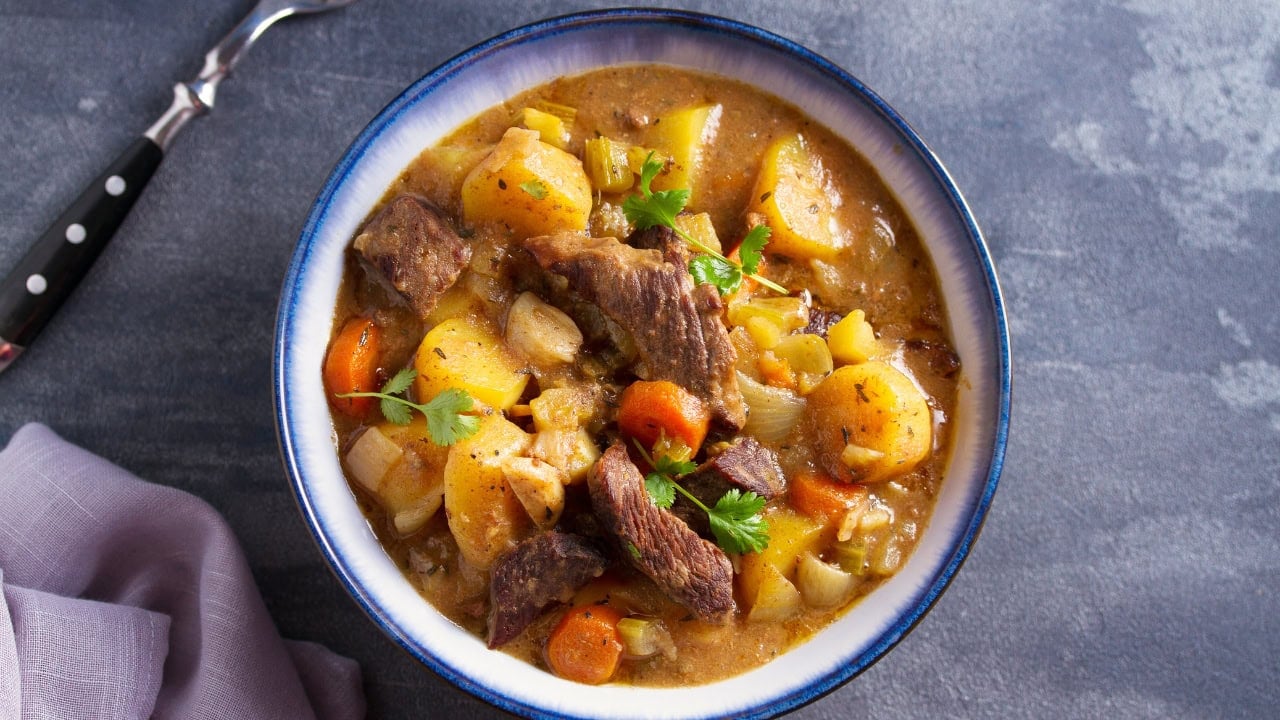
You don't have to give up your favorite meals to save money. You just need to learn how to tune them-same general taste, fewer expensive ingredients, and more of the cheap ones that still taste good.
Think of these as little adjustments you can make to almost any recipe so it fits better with a real-life grocery budget.
Stretch the meat with beans, lentils, or extra vegetables
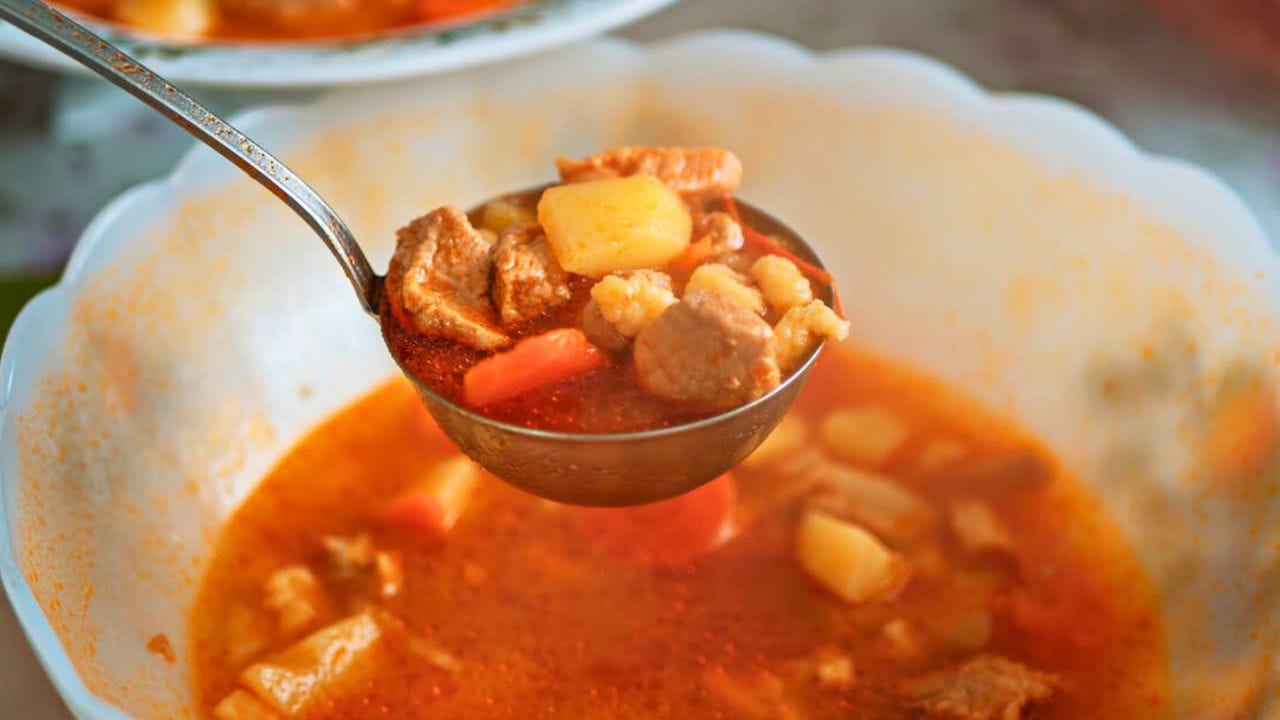
Most recipes can handle less meat than they call for. If your chili uses two pounds of ground beef, try using one pound of meat and a can of beans or a cup of cooked lentils instead.
For things like taco meat, sloppy joes, and pasta sauce, grate in carrots or zucchini, or add diced mushrooms and onions. You still get the flavor and texture you're used to, but the meat stretches farther across more servings, which lowers the cost per plate.
Swap to cheaper cuts and let time do the work
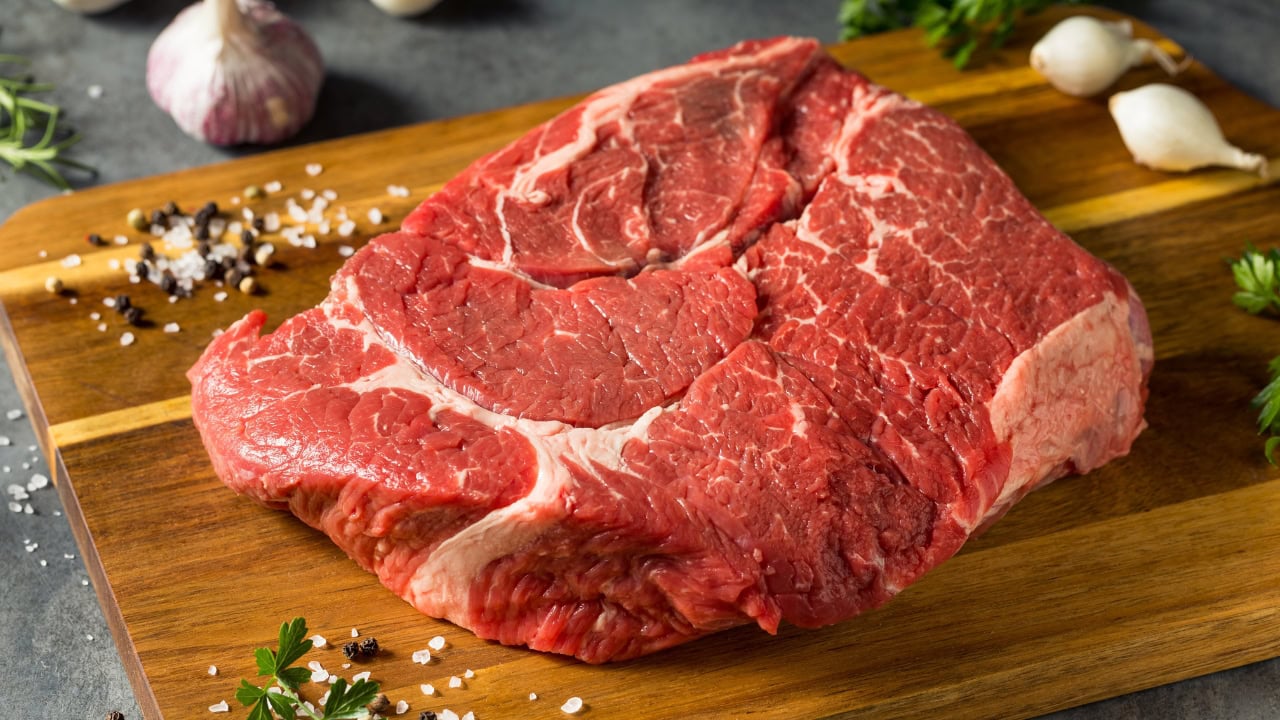
If your go-to recipes use boneless skinless chicken breasts, pork tenderloin, or steak, see if you can adapt them to bone-in thighs, drumsticks, pork shoulder, or chuck roast. Those cuts are often cheaper and taste better when cooked low and slow.
Instead of grilling steak, use chuck roast for shredded beef tacos. Instead of chicken breast in soups, use thighs or drumsticks. The flavors deepen, and you save money while still getting that comforting, "real" dinner feeling.
Bulk up sauces and casseroles with grains and veggies
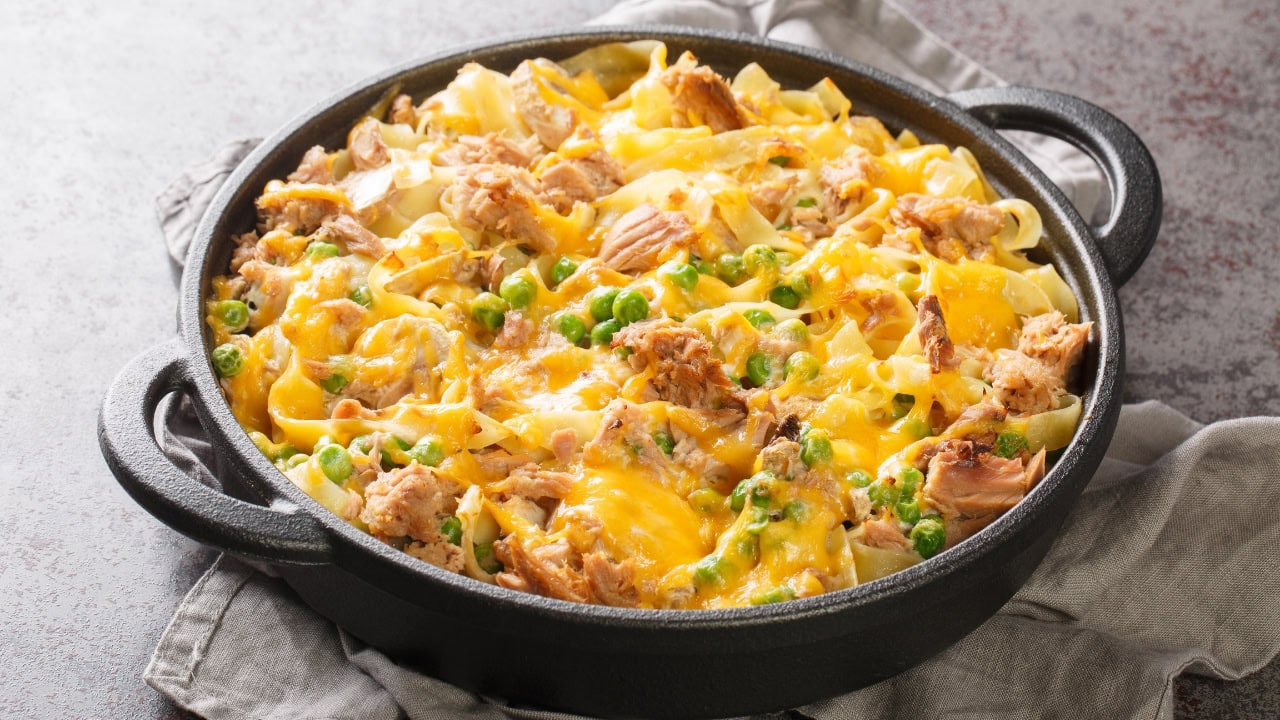
Creamy pasta dishes, skillet meals, and casseroles often have a lot of sauce and not enough filler. The next time you make one, add an extra cup of cooked rice, pasta, or potatoes, and toss in more vegetables.
For example, stir extra peas and carrots into chicken and rice, or add broccoli and a bit more pasta to a cheesy bake. You'll stretch the same sauce and protein across more servings without a big change in taste. Leftovers become lunch instead of everyone scraping the pan.
Cut down cheese amounts and lean on stronger flavors
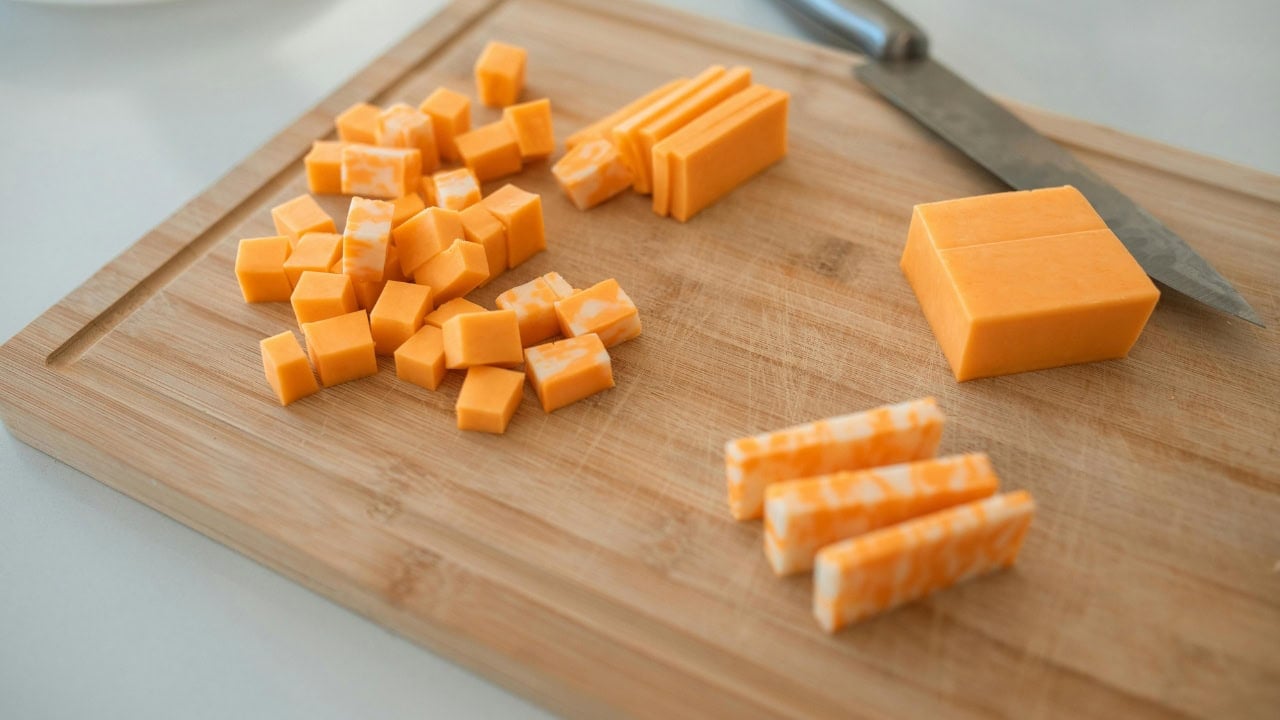
Cheese is often one of the pricier ingredients in a recipe. Instead of using two cups of mild cheddar, try one cup of cheddar and a little Parmesan or another stronger cheese. A small amount of a bold cheese can give you the same flavor punch.
You can also reserve some cheese for the top instead of stirring it all in. That melted, browned layer on top feels generous, even if you used less overall. You get the same comfort factor without blowing the budget on dairy.
Swap heavy cream for milk plus a simple thickener
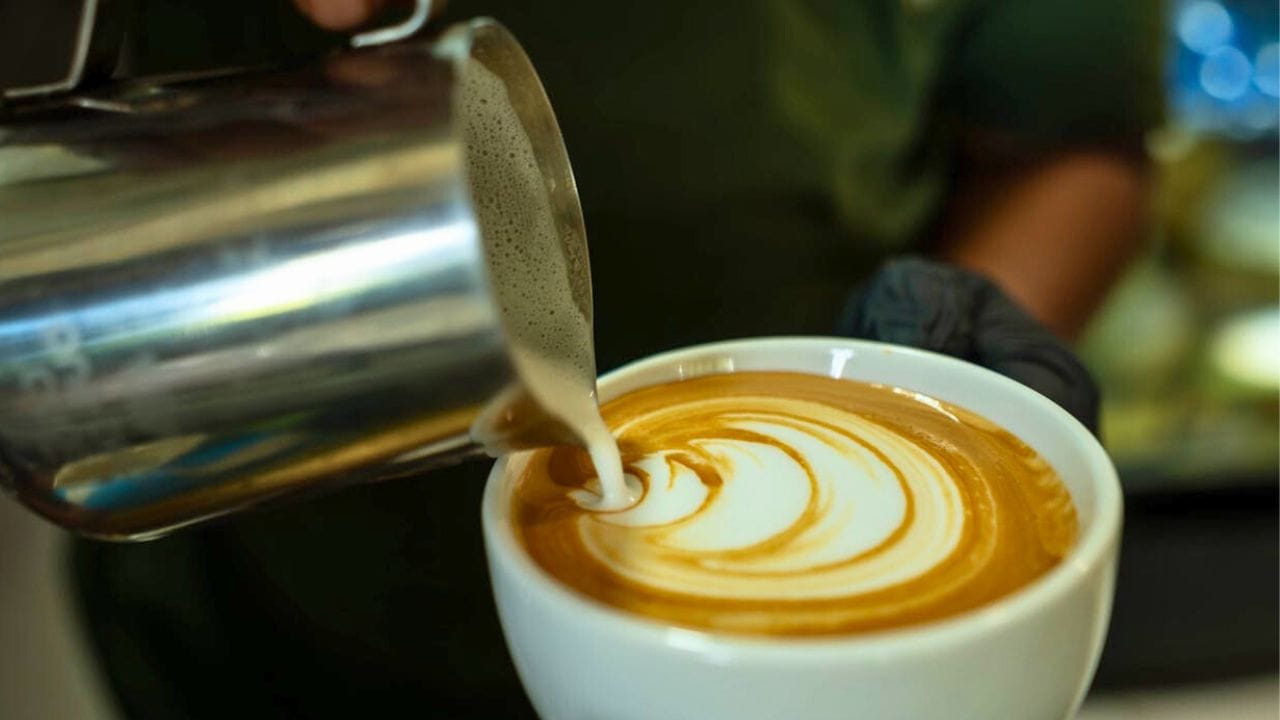
Cream-based soups and sauces are delicious but expensive. Many recipes do just fine with whole milk, a roux (butter and flour cooked together), or a bit of cream cheese instead of straight heavy cream.
For example, in a cream soup, sauté your vegetables in butter, stir in flour, cook a minute, and slowly whisk in milk or broth. Let it thicken, then add a small splash of cream at the end if you want extra richness. You still get a cozy texture without using a full carton of cream every time.
Use what you already have for "fancy" ingredients
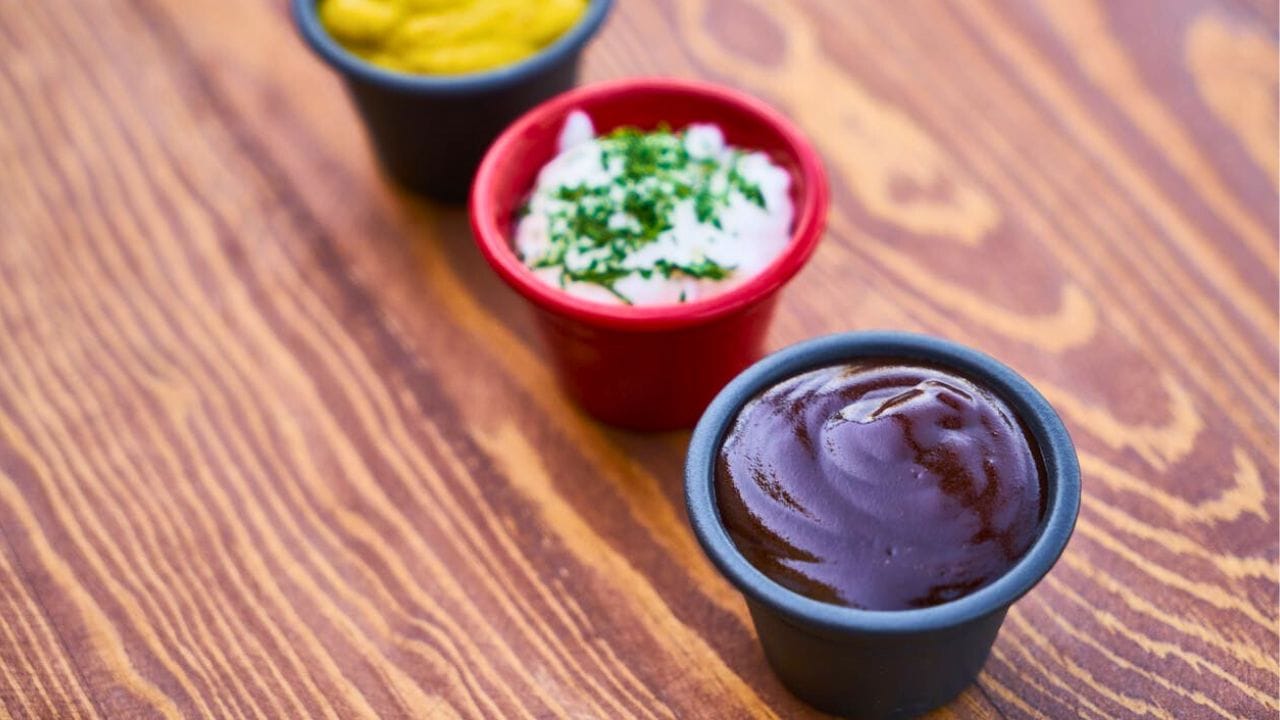
A lot of recipes call for specialty ingredients you might not use again-specific vinegars, sauces, or cheeses. Before you buy something new, ask, "What do I already have that could do a similar job?"
You can often swap balsamic vinegar for red wine vinegar with a pinch of sugar, use regular cheddar instead of Gruyère, or replace a fancy sauce with a mix of soy sauce, garlic, and a little sugar. The dish will still taste great, and you won't have random bottles sitting in the fridge door for a year.
Turn oven meals into slow cooker or sheet pan versions
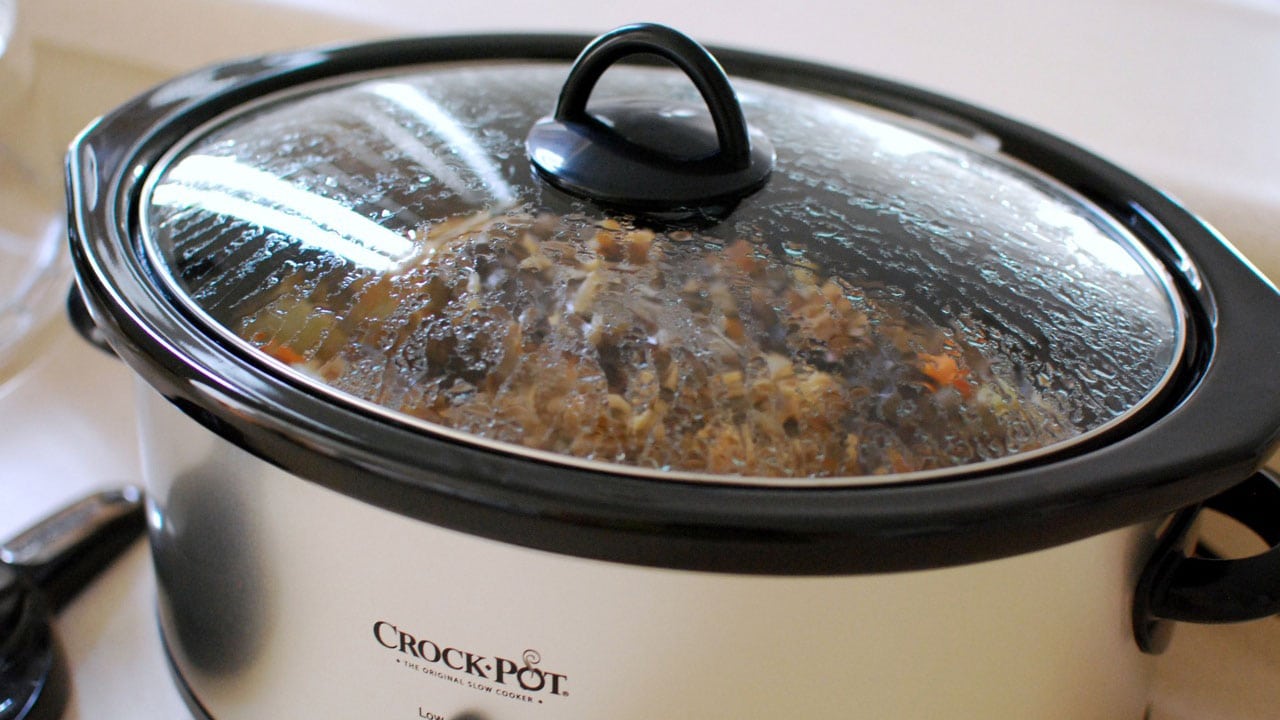
Some recipes get expensive because of how they're cooked-lots of separate steps, extra oil, or wasted bits. You can often simplify and save by turning them into slow cooker or sheet pan meals.
For example, instead of pan-searing chicken in several batches, toss everything-chicken pieces, potatoes, and vegetables-with oil and seasoning on a sheet pan and roast together. Or put tougher cuts of meat with broth and vegetables in the slow cooker. Less prep, less active cooking, and fewer opportunities to burn ingredients and waste food.
Make double and freeze half for a future "free" night

If a recipe freezes well-soups, chilis, stews, casseroles, meat sauces-make a double batch when ingredients are on sale and freeze half in a labeled container.
That second pan or container becomes a night where you're not tempted to grab takeout because you're tired. The savings aren't just in grocery cost; you're also dodging that $40-$60 restaurant bill because dinner's already done.
Use simple toppings instead of expensive mix-ins
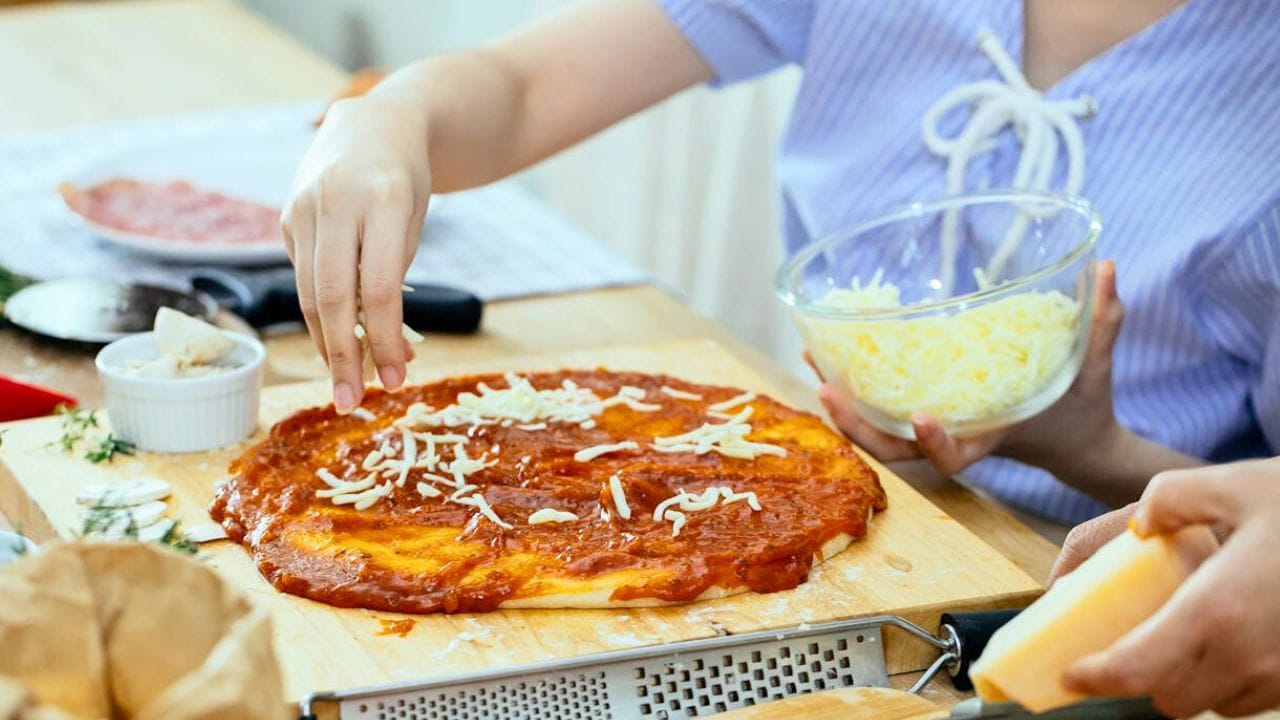
Sometimes what makes a recipe feel "special" is on top, not buried inside. Instead of loading a dish with expensive mix-ins like nuts, cheese, or bacon throughout, use a smaller amount sprinkled over the top.
A spoonful of bacon bits, a small handful of cheese, or a drizzle of good olive oil and herbs can make a dish feel finished without doubling the ingredient budget. You still get bursts of flavor in each bite, just with less volume overall.
Focus your budget on the part of the recipe you care about most
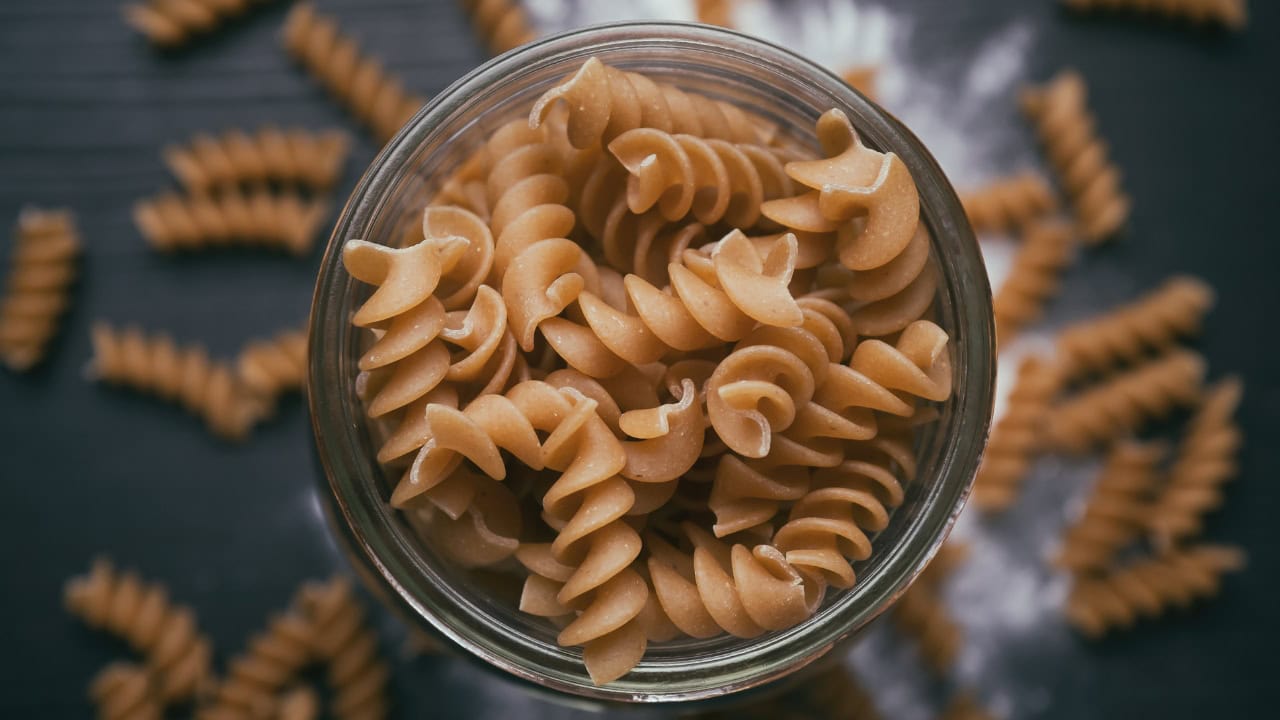
Every recipe has a star. Sometimes it's the sauce, sometimes it's the meat, sometimes it's the crust. Decide what matters most in your favorite dish, and let the rest be simpler and cheaper.
If you love the sauce, keep that part the same and use cheaper pasta and frozen veggies. If you care most about the protein, keep your preferred cut and scale back the pricier sides. You're customizing your "budget version" to your actual taste so it feels like the same comfort meal, just with a smaller price tag.
Like Thrifty Jinxy's content? Be sure to follow us.
Here's more from us:
How to Make Baby Yoda Cookies with Step-by-Step Instructions
Super Easy Biscuit Recipe with No Shortening
*This article was developed with AI-powered tools and has been carefully reviewed by our editors.






Leave a Reply