
10 ways to track your spending without becoming obsessed
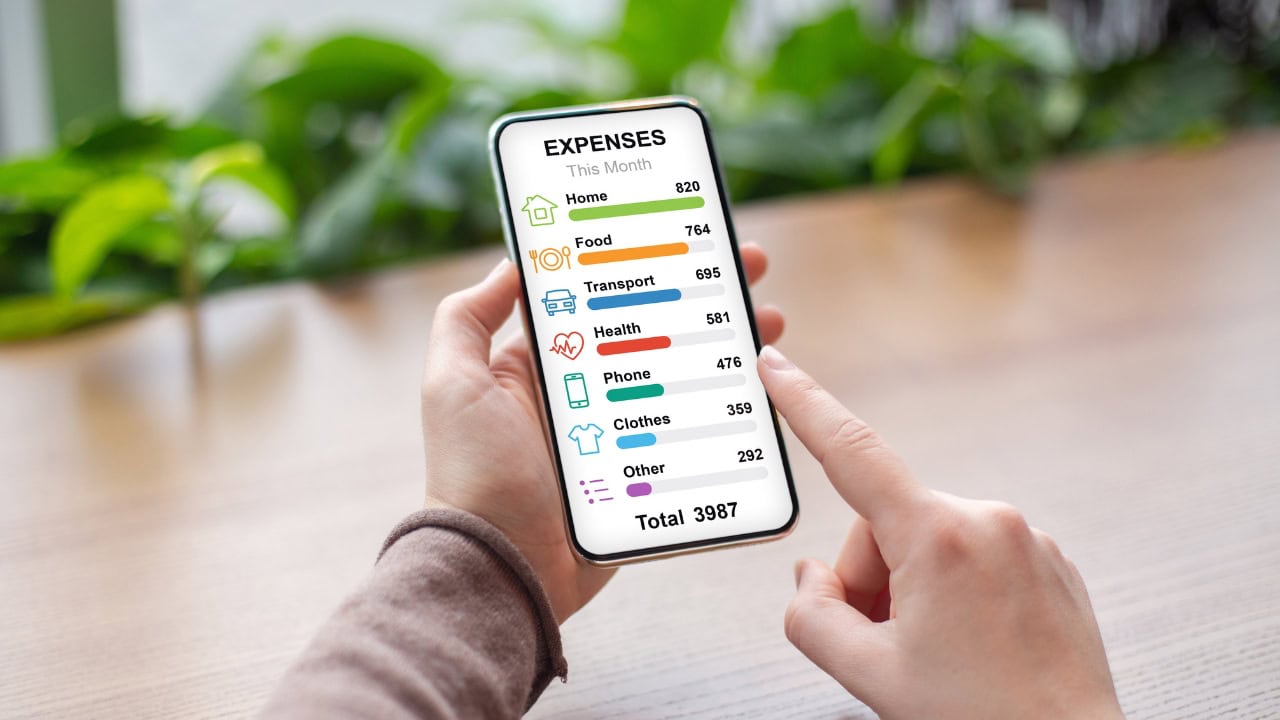
Tracking your spending doesn't have to feel like an obsession. You don't need to log every coffee run in a spreadsheet or check your account five times a day. The goal is awareness-not anxiety.
When you find balance, you stay in control without burning out or feeling guilty over every purchase. These strategies help you stay mindful of your money in a way that feels doable, not draining.
Check your accounts once a day

A quick daily glance is enough to stay aware without spiraling. You don't need to analyze every number-just check your balance and scan for anything unexpected.
It keeps you connected to your spending in real time, but it's short enough that it doesn't take over your day. You'll build awareness naturally, without the mental load of constant tracking.
Review your spending once a week

Instead of logging every transaction the second it happens, dedicate one day a week to review your spending. It's easier to see patterns when you zoom out a little.
You'll catch small habits-like too many takeout orders or impulse buys-without nitpicking daily choices. This keeps you accountable while still letting you live your life.
Use automatic expense categorizing
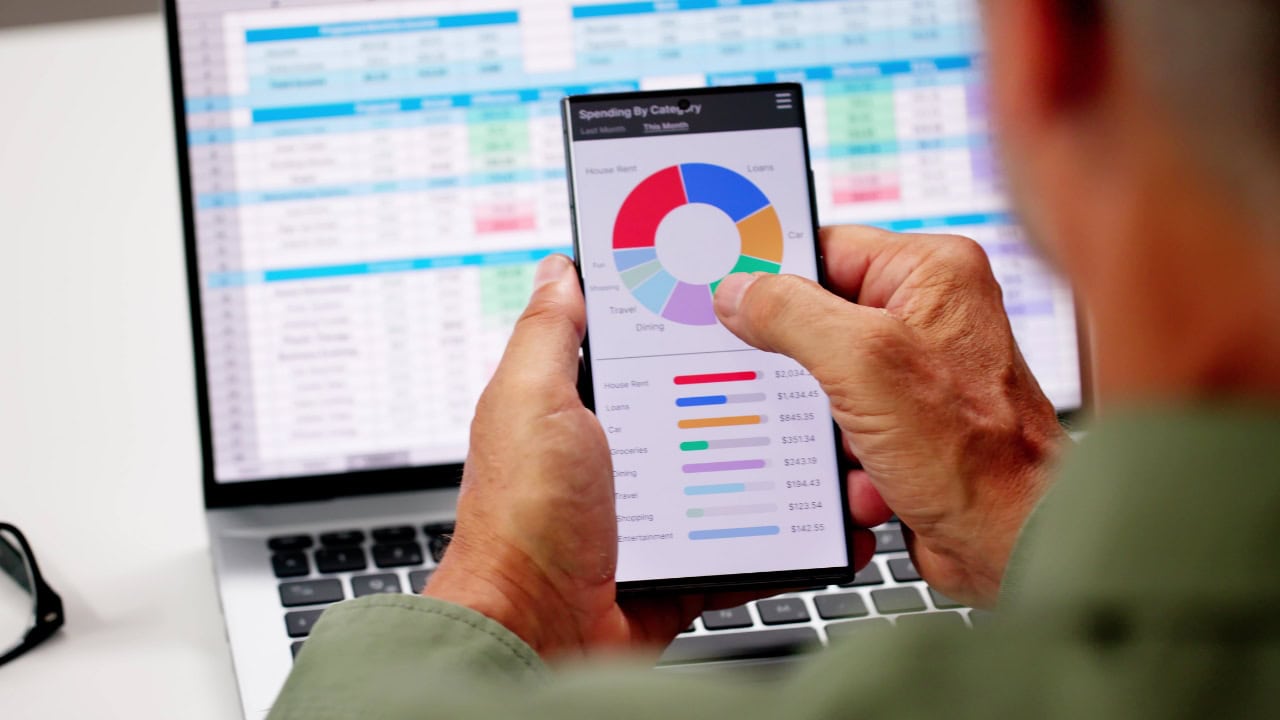
Most banks and budgeting apps automatically group your purchases into categories. Use that feature to save time and mental energy.
You don't need to manually track every receipt when technology can handle most of it. The goal is to spend your focus fixing patterns, not labeling transactions.
Keep a monthly spending summary

At the end of each month, total up what you spent in a few key categories like groceries, eating out, and entertainment. Don't overcomplicate it.
Seeing those numbers monthly helps you make better choices next time. You don't need to know every $2 purchase-just the overall trends that shape your finances.
Track your "why," not just your what

When you make a purchase, take a second to notice why. Was it a need, an impulse, or something emotional? Tracking that can teach you more than the dollar amount.
Understanding your triggers helps you adjust your habits without guilt. Sometimes awareness of why you spend is the missing piece to feeling in control.
Use visual cues instead of constant logs
If daily logging feels obsessive, use visual tools instead-a calendar, whiteboard, or spending tracker app that gives you a quick snapshot of progress.
You'll still see your money clearly but without the tedious work. The less friction you have in your system, the more likely you'll actually stick with it.
Round up your spending
Round every purchase to the nearest dollar or five and track that instead of the exact number. It keeps things accurate enough to see where your money goes but casual enough to avoid burnout.
This trick simplifies tracking so it feels light and approachable. You'll still spot patterns without feeling chained to every cent.
Use alerts for overspending
Set alerts on your bank app to notify you when you've hit your limit in certain categories. That way, you can step back before things get out of hand.
It's a hands-off system that works quietly in the background, keeping you accountable without the stress of manual tracking.
Keep a spending notes list

Instead of logging everything in an app, try a quick note in your phone whenever you buy something worth remembering. You'll capture your main spending without getting stuck in details.
This method gives you a sense of awareness without over-monitoring yourself. It's fast, flexible, and easy to maintain.
Let it be imperfect

You don't have to track every penny to be successful. Missing a few days or forgetting a transaction won't ruin your progress.
What matters is the habit of awareness-not perfection. When you give yourself permission to be human, you'll stick with it long enough to actually see change.
*This article was developed with AI-powered tools and has been carefully reviewed by our editors.






Leave a Reply