
10 ways to budget that don't feel restrictive

Budgeting doesn't have to feel like punishment. When it's done right, it actually gives you more freedom-because you're deciding where your money goes instead of wondering where it went. The key is building habits that work in real life, not just on paper.
You don't have to give up everything fun or micromanage every dollar. These are the tricks that make budgeting feel doable, even when money's tight.
Name Your Spending Categories Something Personal
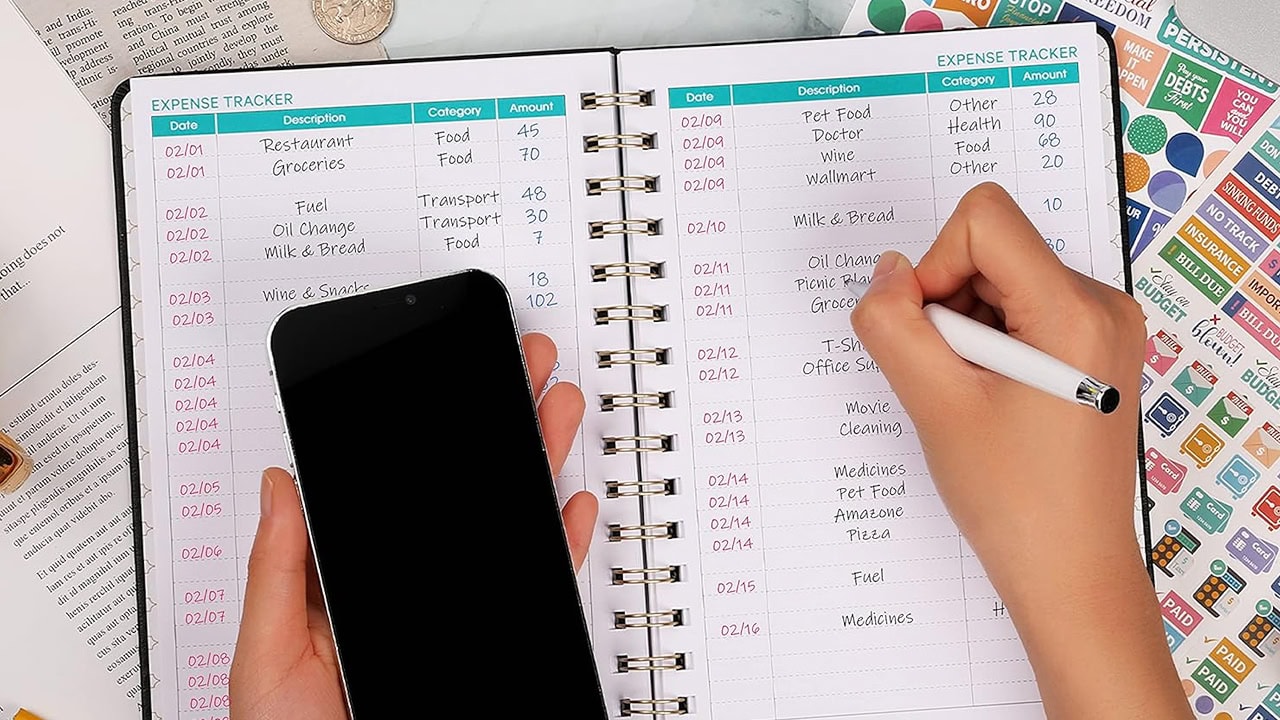
Instead of calling it "entertainment" or "miscellaneous," give your budget categories names that make sense to you. "Target Runs," "Taco Tuesdays," or "Coffee with Friends" are easier to connect with than vague labels.
It feels less like you're cutting back and more like you're choosing how to spend. Personalizing it this way makes it easier to stick to your plan because it reflects how you actually live, not just what a budgeting app thinks you should do.
Use a Weekly Spending Cap, Not a Daily One

Trying to manage spending by the day can feel claustrophobic. One unexpected coffee or parking fee can throw off the whole thing. Weekly limits give you more room to breathe while still keeping things in check.
Give yourself a flat amount to spend however you want each week. Some days you'll spend more, some less, and that's fine. It smooths out the stress without losing control of the bigger picture.
Plan for Fun on Purpose

If you don't build fun into your budget, you'll end up feeling deprived-and that usually leads to overspending later. A fun fund doesn't have to be big, but it does have to exist.
Even $10 a week toward a movie, lunch out, or something that makes life feel normal goes a long way. Budgeting doesn't have to mean saying no all the time. Sometimes it's about giving yourself permission to say yes-just on purpose.
Track by Category, Not Every Line Item

You don't have to obsessively track every single transaction. Grouping things into categories like groceries, gas, and fun money keeps it simple and manageable without losing sight of where your cash is going.
The more complicated the system, the faster you'll quit it. Focus on trends, not tiny details. It's easier to stay consistent when you're not overwhelmed by the process itself.
Do a "No-Look" Auto-Transfer

One of the easiest ways to save money without feeling it is to make it disappear before you even see it. Set up an auto-transfer into savings or a separate account right after payday.
It's harder to spend what's not in your main account, and you won't feel like you're constantly choosing between saving and living. Even $25 a paycheck adds up fast when it's happening automatically.
Shop with Cash for Certain Categories

Using cash for things like groceries or eating out can help keep spending in check-without tracking every swipe. When the cash is gone, you know you're done for the week.
You don't need to do this for every category. Just pick one or two that tend to get out of hand. The physical limit makes it easier to stay aware of your habits without getting too strict.
Use Gift Cards as Budget Tools

Buying a gift card for yourself might sound weird, but it works. If you know you'll be shopping at Aldi or filling up at a certain gas station, load a gift card with your weekly budget amount.
It acts like a spending cap without having to carry cash. It also keeps you from accidentally dipping into other funds and helps you build discipline in a way that doesn't feel forced.
Rotate Cheap Weeks
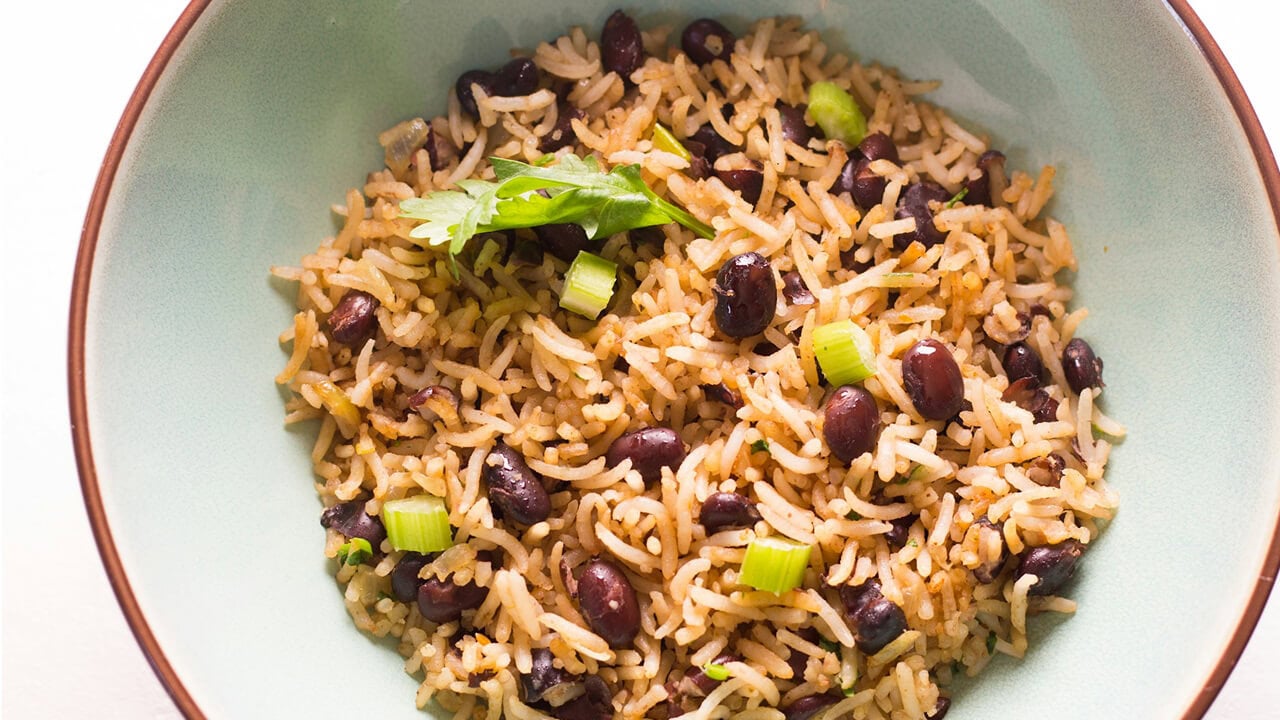
You don't have to live on rice and beans every week. But having one low-spend week each month-where you focus on pantry meals, skip extras, and use what you already have-can help balance out bigger weeks.
It feels more like a reset than a punishment. Think of it as giving your wallet a breather. It's easier to stick with budgeting long term when you build in flexibility like this.
Choose One "Always Buy Used" Item

You don't have to thrift everything, but picking one category-like kids' clothes, furniture, or books-where you always shop secondhand can save money without feeling like a lifestyle overhaul.
It's a built-in rule that simplifies decisions. Plus, it keeps your spending in check without cutting off things you actually want or need. It's an easy win that adds up.
Focus on Progress, Not Perfection

Budgeting is like any other habit-it works better when you give yourself room to mess up and get back on track. You're not going to hit it perfectly every month, and that's fine.
Instead of scrapping the whole plan when you overspend, just adjust and keep going. One off week doesn't undo all your effort. Progress counts more than perfection when you're building something sustainable.
*This article was developed with AI-powered tools and has been carefully reviewed by our editors.






Leave a Reply