
10 ways I tricked myself into saving more

Saving money doesn't always come down to willpower. Sometimes, the smartest move is to work around your own habits instead of trying to fight them head-on. If you've ever felt like saving is something you "should" be doing but never actually stick to, you're not alone.
The truth is, most people need to outsmart their own tendencies. These are the little tricks that helped me save more-without feeling like I was giving up everything in the process.
Naming Your Savings Account Something Specific

Calling it "Emergency Fund" doesn't exactly motivate you to keep your hands off it. But when you name your savings something like "Summer Trip" or "New Car Tires," it feels real. You're less likely to dip into it when you know what it's meant for.
That small shift makes a big difference. When your goal has a name, it feels like you're working toward something, not just hoarding money for no reason. It gives your brain a reason to leave it alone.
Automating Transfers You Don't Even Notice

If the money stays in your checking account, odds are it's going to get spent. Automating a small transfer on payday-like $20 or $50-gets it out of sight before you even think about it.
You don't feel the loss because it's never really "there." It's one of the easiest ways to save without relying on discipline. And over time, those little bits start to look pretty good in your account.
Hiding the Savings Account From Your Dashboard

If you log into your bank and see your savings every time, you're more likely to treat it like extra money. Removing it from your main dashboard view makes it feel less available.
Out of sight really does help it stay out of mind. You can still access it if you need to, but you're not staring at it every time you check your balance, thinking of ways to spend it.
Making "Rounding Up" a Game

Every time you buy something, round it up to the nearest dollar and move the difference into savings. You can use an app for this or do it manually if you're tracking things anyway.
It doesn't feel like a big move, but it adds up quick. And once you see that number start to grow, it becomes a bit of a game-how many little transfers can you sneak past yourself this week?
Sending Windfalls Straight Into Savings

Tax refund? Birthday money? That unexpected rebate check? Instead of mentally counting it as spending money, move it straight into savings the second you get it.
Because it wasn't part of your budget to begin with, you don't miss it. And if you do this consistently, those random windfalls can end up funding your biggest goals without touching your regular paycheck.
Saving in a Different Bank Than You Spend From

Keeping your savings at a totally separate bank slows you down. You can't instantly transfer it from your phone during a spending temptation, and that delay is usually enough to rethink it.
When savings is harder to access, it's easier to keep. It adds just enough friction to make you pause-and sometimes that pause is all it takes to protect your progress.
Setting a "Spending Cap" Instead of a Budget

Traditional budgeting can feel like a chore. But setting a weekly or monthly spending cap-like "I don't spend more than $200 on extras this month"-gives you a clearer boundary.
It's simple and easy to follow. And when you hit your cap, you stop spending. Whatever's left gets swept into savings. It works because it's less about tracking and more about limits.
Pretending You Make Less Than You Do

Adjust your budget like you bring home less. If you make $3,500 a month, budget as if it's $3,000. The rest goes straight to savings before you have a chance to spend it.
This trick works especially well if your income fluctuates. It builds in margin automatically, so you're not depending on every last dollar to get through the month.
Treating Savings Like a Bill

You'd never skip your rent or your electric bill, right? When you treat your savings like it's non-negotiable, it stops being optional. You move the money before you do anything else.
Even if it's $25, putting it at the top of the list gives it weight. And when you make it a priority like everything else, it stops feeling like a leftover or a "nice-to-have."
Making Goals Visual
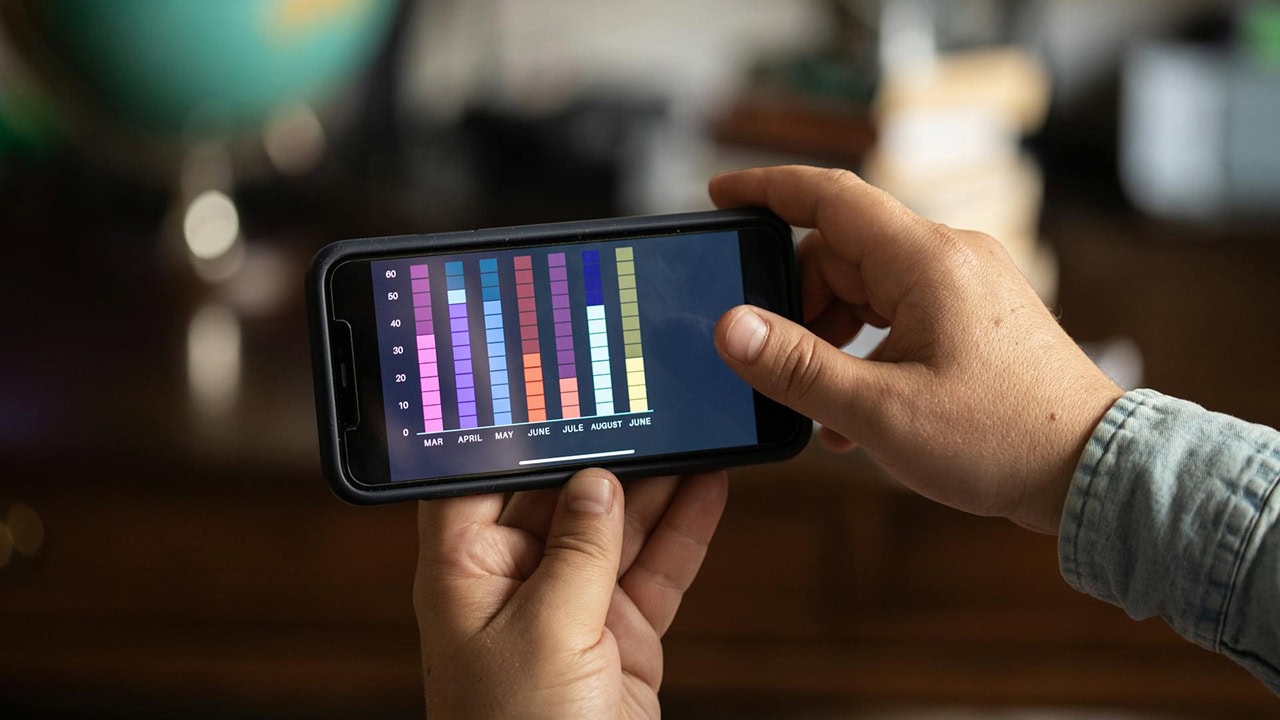
Seeing your goal makes you care more about reaching it. That could be a photo on your fridge, a savings tracker on your wall, or a progress bar in your banking app.
Visual reminders keep you connected to what you're working toward. It's not about obsessing-it's about staying focused. When you see the why, it's easier to follow through on the how.
*This article was developed with AI-powered tools and has been carefully reviewed by our editors.






Leave a Reply