
10 ways I shaved $300 off our utility bill

When our utility bills started creeping higher than I was comfortable with, I decided to get serious about where our energy and water were going. I didn't make every change all at once, but every time I adjusted something, I kept a close eye on what happened to our bill.
These weren't drastic changes, but altogether, they saved us over $300. If you’re looking to cut yours too, these are the things that actually made a noticeable difference.
Lowered the Water Heater Temp
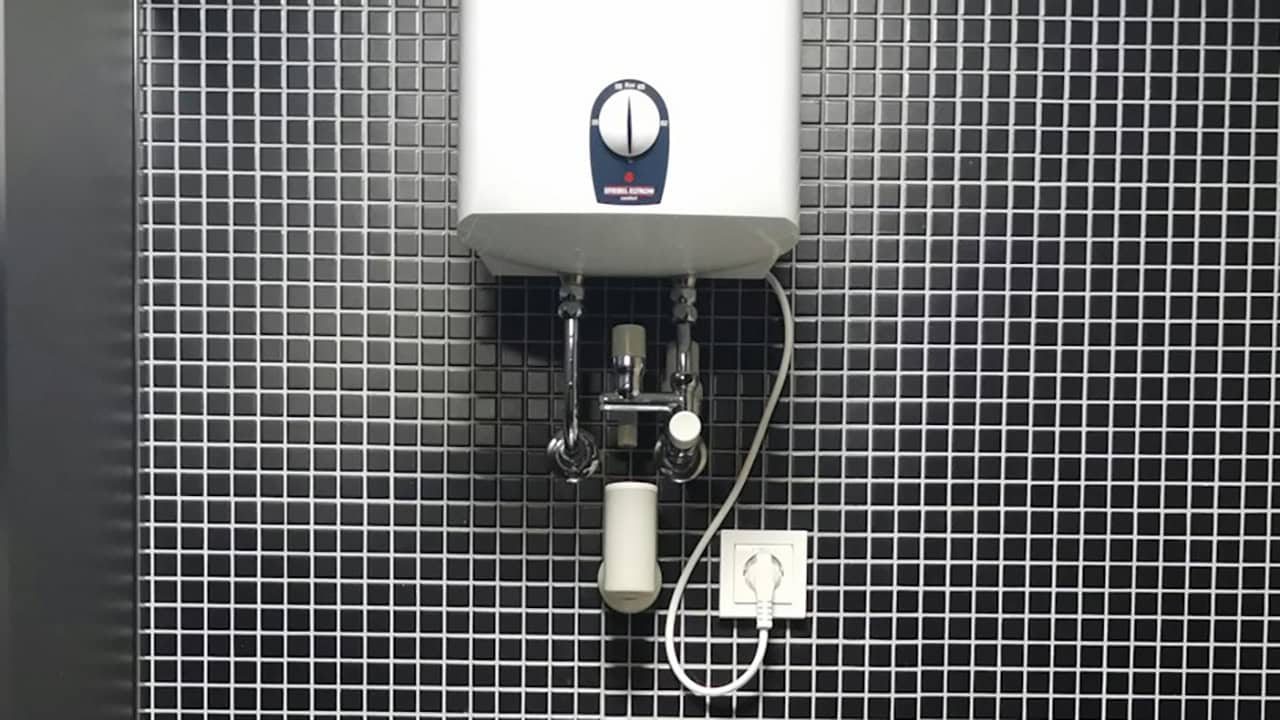
Most water heaters default to 140°F, but dropping it to 120°F still gives you hot showers without wasting energy. That 20-degree drop lowered how often our heater had to cycle on.
You won't really feel the difference unless you're used to scalding water, but it cuts down standby heat loss and overall usage. This small tweak alone saved us about $20-$25 a month.
Switched to LED Bulbs in Every Room

We'd already replaced some lights with LEDs, but when I finally swapped every single one-including in closets and lamps-we saw a consistent drop in our electric bill.
LEDs use about 75% less energy than incandescents and last longer. The upfront cost was around $30, but it paid for itself quickly and kept our bill $10-$15 lower each month.
Sealed Drafty Doors and Windows
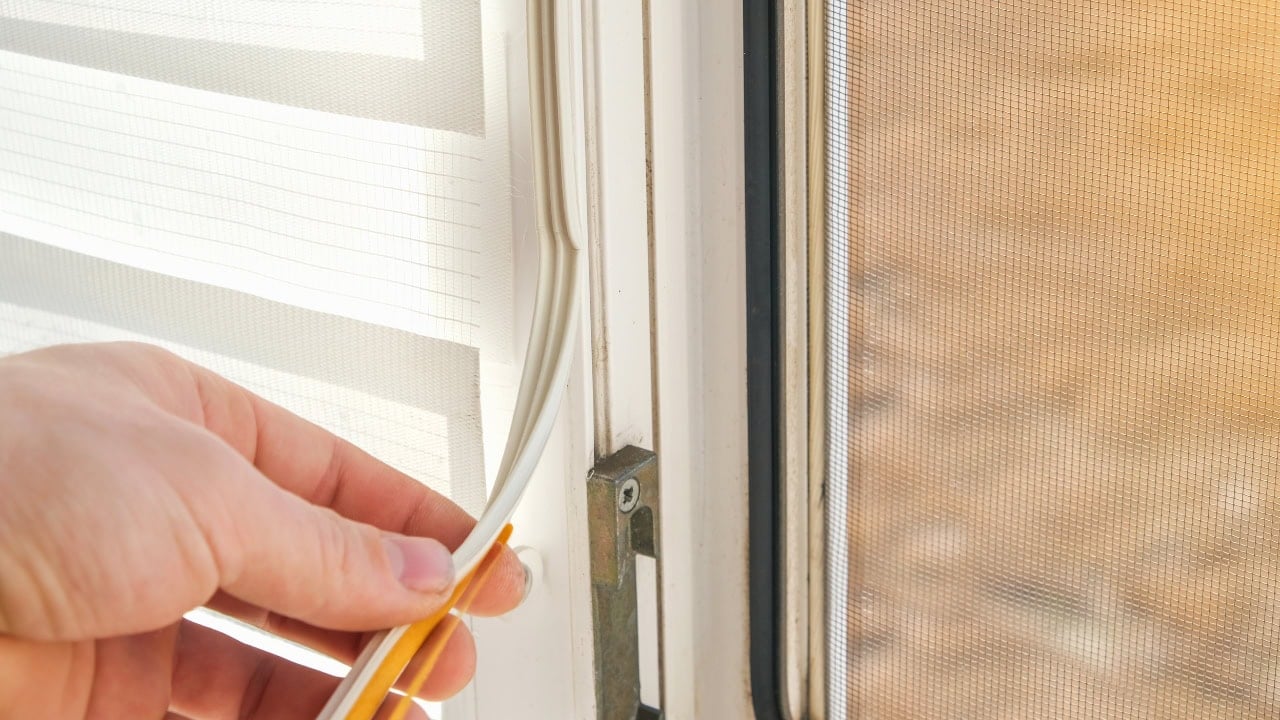
I bought a few rolls of weather stripping and a caulk gun for under $25. Then I went through the house and sealed any spots that felt drafty-especially around the back door and windows we rarely open.
Once everything was sealed up, the house held its temperature better, and the HVAC didn't have to work as hard. That alone knocked about $30-$40 off our highest heating month.
Unplugged Energy Vampires
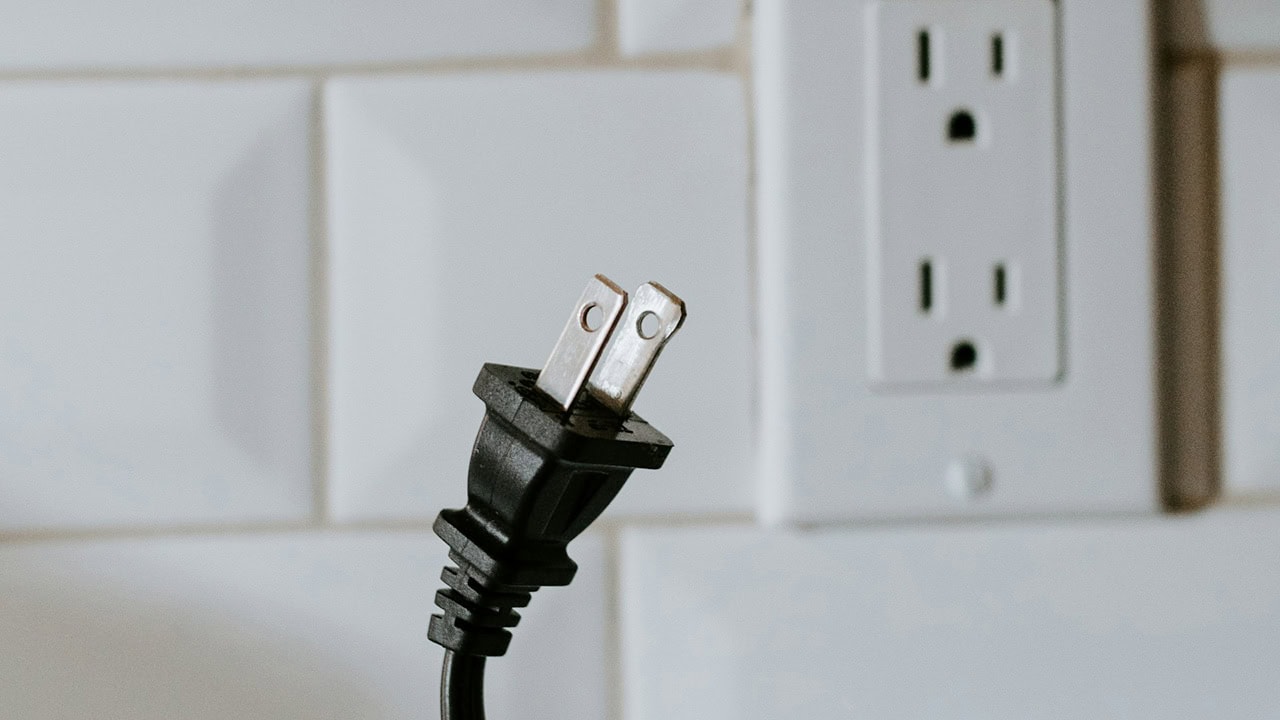
Even when they're off, things like the coffee maker, microwave, chargers, and TVs can pull small amounts of power all day. I started unplugging anything we weren't actively using or plugged them into power strips we could switch off.
It wasn't a massive change on its own, but we saved around $10-$15 a month by doing it consistently. It also helped me figure out what we weren't even using anymore.
Ran Appliances at Off-Peak Hours
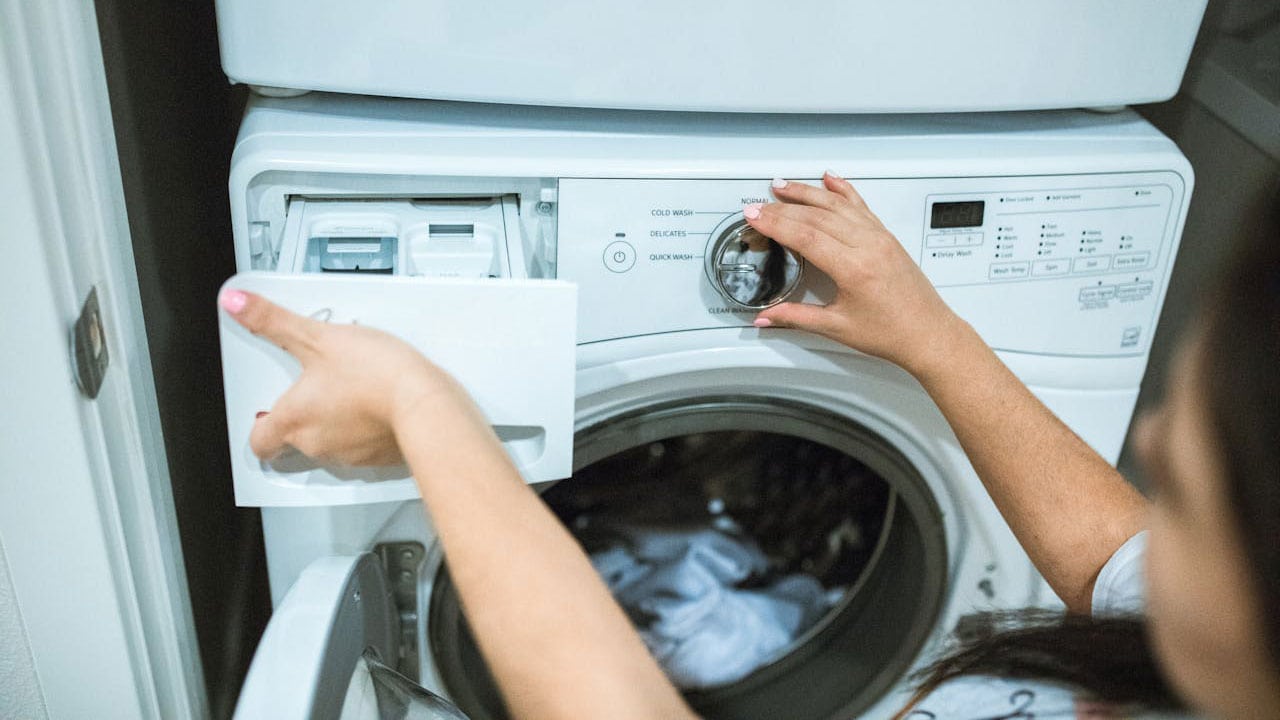
Some electric companies charge more during peak usage times-usually mid-afternoon to early evening. We shifted things like laundry and dishwashing to later at night or early morning.
By adjusting when we used high-draw appliances, we cut down our monthly usage during the most expensive hours. It saved us around $15-$20 every month without changing how often we ran them.
Set the Thermostat and Left It Alone
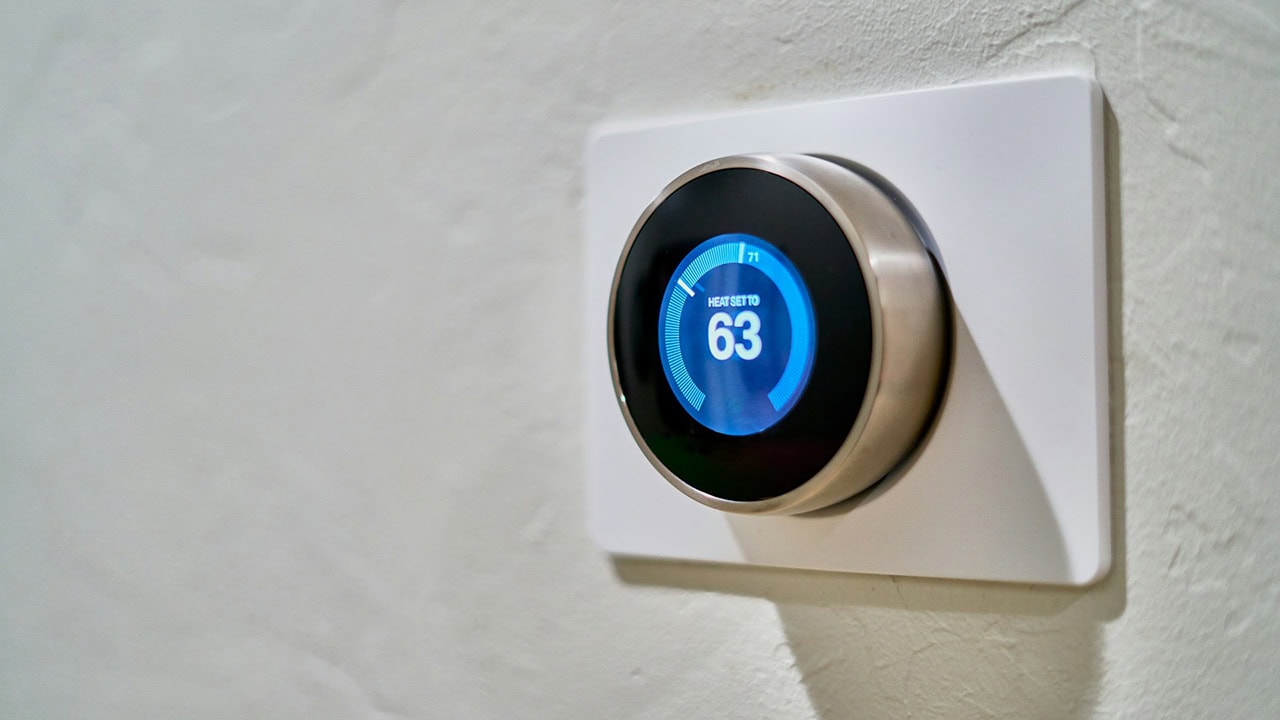
Instead of bouncing the thermostat up and down, we picked a comfortable range-72 in summer, 68 in winter-and stuck with it. Then we programmed it to adjust slightly while we were sleeping or out.
Consistent temperatures help the system run more efficiently, and not constantly adjusting it made a bigger difference than I expected. It cut $20-$30 off both heating and cooling months.
Switched to Cold Water for Laundry
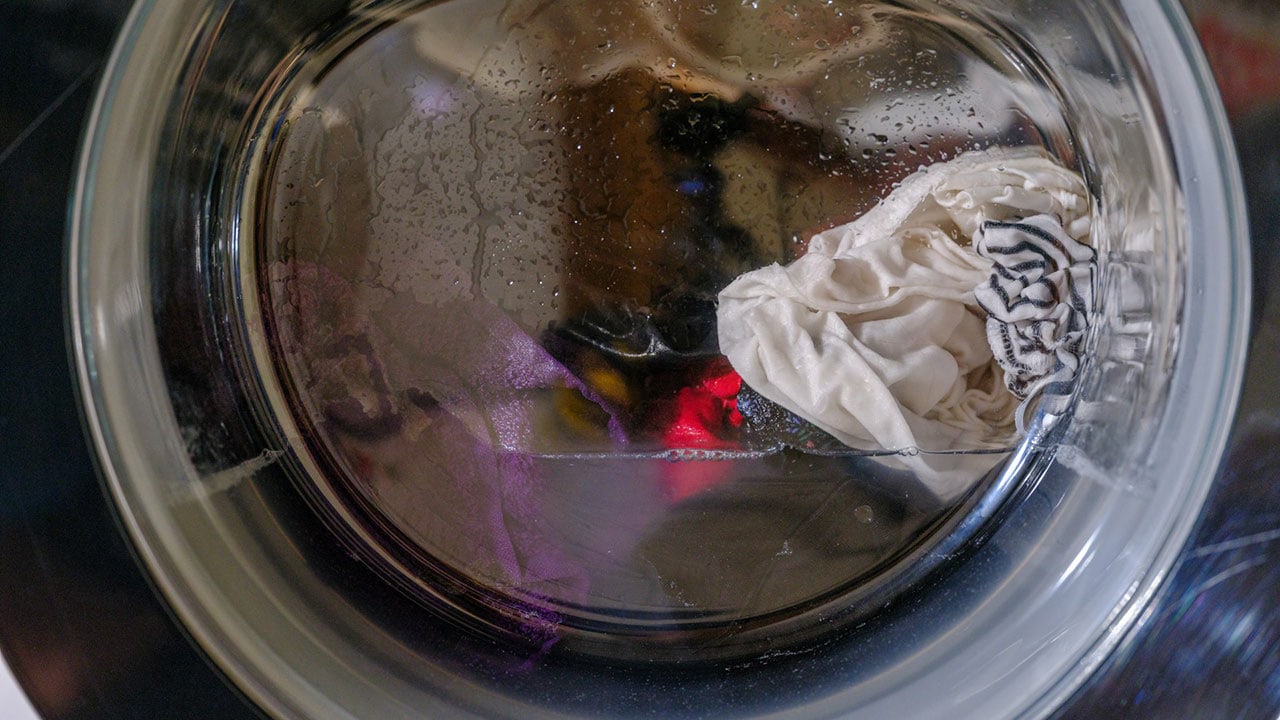
I used to wash everything in warm or hot water out of habit. Switching to cold for most loads saved on the energy it takes to heat all that water.
Most detergents are designed to work well in cold water anyway, and our clothes came out just as clean. That small change shaved off about $10-$15 a month depending on how many loads we did.
Cleaned Out the Dryer Vent

I'd always cleaned the lint trap, but I didn't realize how much lint was trapped in the actual dryer vent hose until I pulled it off. It was nearly clogged.
Once it was cleaned, our dryer worked faster and used less energy to get the same results. Our laundry cycle time went down, and we saved around $10-$20 that month.
Installed Faucet Aerators and Low-Flow Showerheads
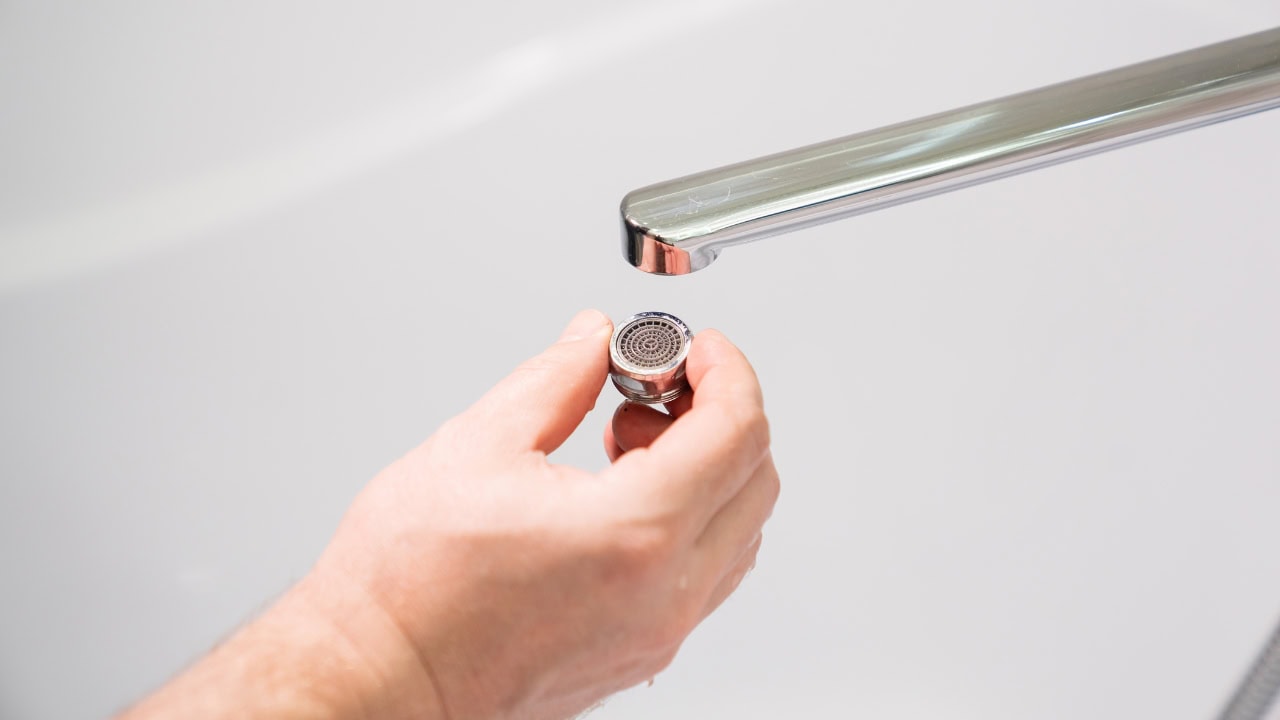
I swapped out our bathroom faucets with aerators and replaced one of our showerheads with a low-flow version. The water pressure still felt good, but we used noticeably less water.
It helped both our water and energy bills since we weren't heating as much water either. Together, those swaps saved us about $20-$30 across both utilities.
Used Curtains Strategically
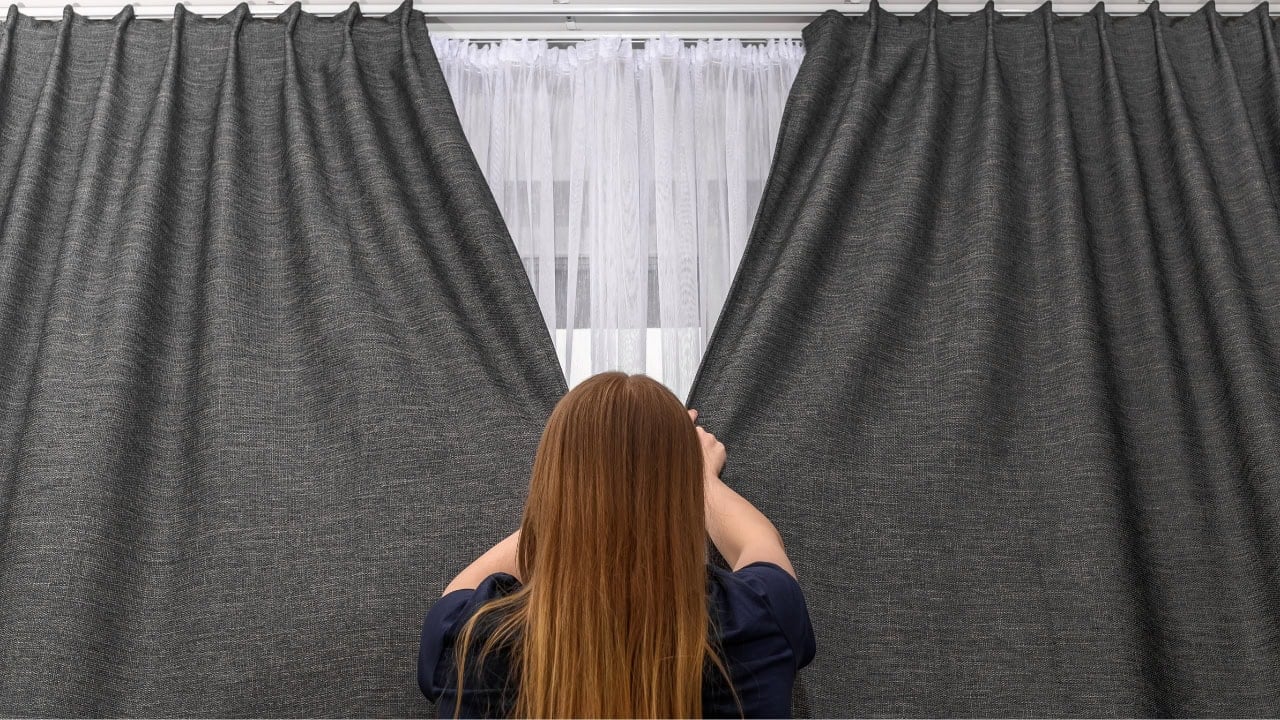
In the summer, we kept the blinds and blackout curtains closed during the hottest part of the day. In winter, we opened them to let the sun warm things up naturally.
That little bit of passive heating and cooling made our house more comfortable without touching the thermostat. It wasn't drastic, but it helped trim $10-$15 off the monthly bill consistently.
*This article was developed with AI-powered tools and has been carefully reviewed by our editors.






Leave a Reply