
10 tiny adjustments that could knock $400 off your monthly expenses

When you're looking to cut expenses, it doesn't always take some major lifestyle overhaul. Most of the time, it's the day-to-day spending that eats up your paycheck without you realizing it. A few small changes to how you shop, prep, and pay your bills can make a big difference by the end of the month.
These aren't big sacrifices-they're adjustments that help you keep more of your money without making life harder. Stack a few of these together, and you could easily trim $400 off your monthly budget.
Switch to Weekly Grocery Runs Instead of Random Stops

When you shop without a plan or stop by the store every other day, you end up grabbing extras that weren't on your radar. That randomness makes it easy to lose track of how much you're actually spending on food.
Try switching to one solid grocery run per week with a list based on what you already have. It helps you avoid duplicate buys, waste less, and skip all the "extra" runs that somehow cost $50. For most people, this small shift can save $100 or more in a single month.
Pause Any Subscriptions You Aren't Using Weekly
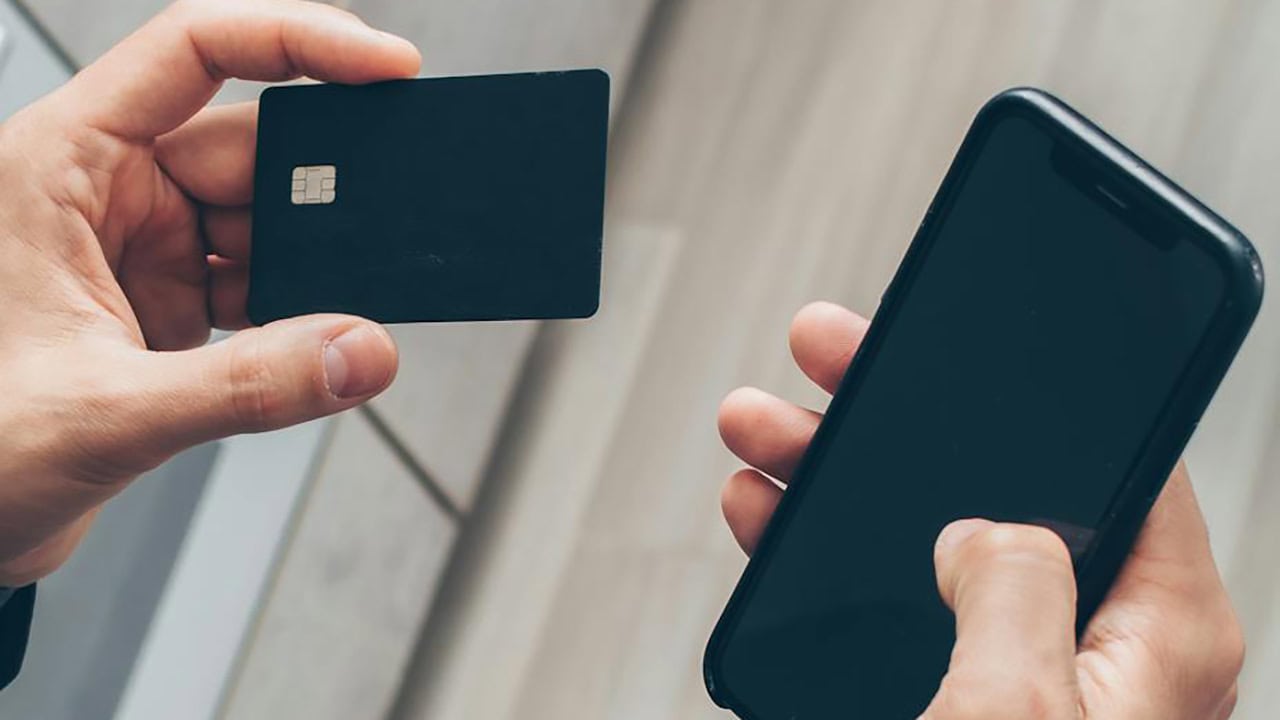
You might not notice a $12 charge here or a $20 charge there, but they add up-especially when they're for stuff you aren't actually using. Most people have at least 2 or 3 subscriptions they could drop without missing them.
Log into your bank account and look at what's being billed automatically. Cancel or pause anything you haven't opened in the last two weeks. This one habit alone could cut $50-$100 from your monthly spending without changing your lifestyle at all.
Cut Your Streaming Services Down to One or Two

It's easy to sign up for everything: Netflix, Hulu, Max, Disney+, Paramount, you name it. But if you're only watching one or two regularly, the rest are eating into your budget for no reason.
You don't have to ditch them forever-just rotate which ones you pay for each month. Pick one or two, finish what you want to watch, then cancel and move to the next. Most people can shave off $30-$60 by not paying for more than they're actually watching.
Skip the Target or Amazon "Refill" Impulse Buys

Going in for toothpaste and leaving with $80 worth of random stuff is too common. Amazon's "Buy Again" section is even worse when you’re bored or tired. That kind of impulse spending can quietly destroy your budget.
Start using a running household list and schedule one refill order per week-or even better, every two weeks. When you slow the pace and stay off the app in between, you'll avoid spending $100+ a month on things that weren't urgent in the first place.
Check Your Car Insurance for Discounts

Car insurance is one of those bills you probably signed up for once and haven't revisited. But rates change often, and you could be eligible for discounts you're not getting-especially for things like bundling, low mileage, or safe driving.
Call your provider and ask if there are any new discounts or better plans available. Or shop around and see what others are offering. You could save $20-$100 per month just by switching or negotiating a better rate without changing your coverage.
Drop Your Phone Bill With a Cheaper Carrier

If you’re on a major phone plan and paying over $100 a month, you've got room to cut. Plenty of carriers now offer the same coverage at a fraction of the price, especially if you’re not using a ton of data.
Look into prepaid or MVNO options like Mint Mobile or Visible. These plans often cost $15-$45 per line, and most people don't even notice a difference in service. Switching could free up $50-$80 this month without sacrificing your connection.
Turn Off Auto-Renew for Shopping Perks

You sign up for free shipping or extra discounts, then forget all about it until the $139 charge hits your card. Services like Amazon Prime or Walmart+ can be helpful, but if you're not using them weekly, they may not be worth it.
Turn off auto-renew and reconsider whether the perks match your habits. If not, cancel. Most people can cut $10-$15 per month this way, or more if they're juggling multiple retail memberships they aren't really using anymore.
Stop Buying Snacks and Drinks on the Go

Swinging through for a $3 soda and a snack doesn't feel expensive in the moment. But doing that a few times a week adds up fast-especially if you're feeding kids too. You could be spending $50-$100 a month without realizing it.
Stock your car or bag with water and a few go-to snacks so you're not tempted to stop. Making this small change can cut back your fast spending and still keep everyone happy in the car or on errands.
Push Back Hair, Nails, and Extras by One Week

You don't have to stop doing the things you enjoy, but spacing them out just a little further can give your budget room to breathe. Pushing your next haircut or manicure by even a week adds breathing room.
It's a quiet way to stretch your monthly cycle without giving anything up. If you go from every 4 weeks to every 6, that's fewer appointments per year-and potentially $30-$60 saved in a single month depending on your usual habits.
Set a Weekly Limit for "Extras" and Stick to It

Unplanned purchases-like new home décor, coffee shop stops, or weekend outings-are what quietly drain your account. They're usually small enough to feel harmless, but they're the ones that pile up the fastest.
Instead of cutting them all, set a weekly budget that covers everything outside your essentials. Even a $50 cap can help you spend more intentionally. Doing that alone could save $100-$200, depending on how loose your extras have gotten lately.
*This article was developed with AI-powered tools and has been carefully reviewed by our editors.






Leave a Reply