
10 things you think you need but you probably don't

It's easy to fall into the trap of thinking you need something when really, you've been marketed into believing it. Between ads, influencer posts, and that pressure to "keep up," it's no wonder your budget feels tight and your house feels cluttered. But when you take a step back and question what's actually useful vs. what's just noise, it's surprising how many things you can let go of.
Cutting the extras doesn't mean going without-it means keeping what really works and letting the rest stop draining your time, money, and space.
A Bigger House

More square footage sounds like a smart upgrade-until you realize how much extra you're paying to heat, cool, clean, furnish, and maintain it. If you're not using every room regularly, you're throwing money at space that sits empty.
A well-organized smaller space often functions better than a bigger one that's poorly laid out. Before you start house hunting, ask yourself if more room would actually fix anything or if it would just lead to more stuff you don't need. Bigger isn't always better if it means a bigger mortgage and more stress.
Fancy Kitchen Gadgets
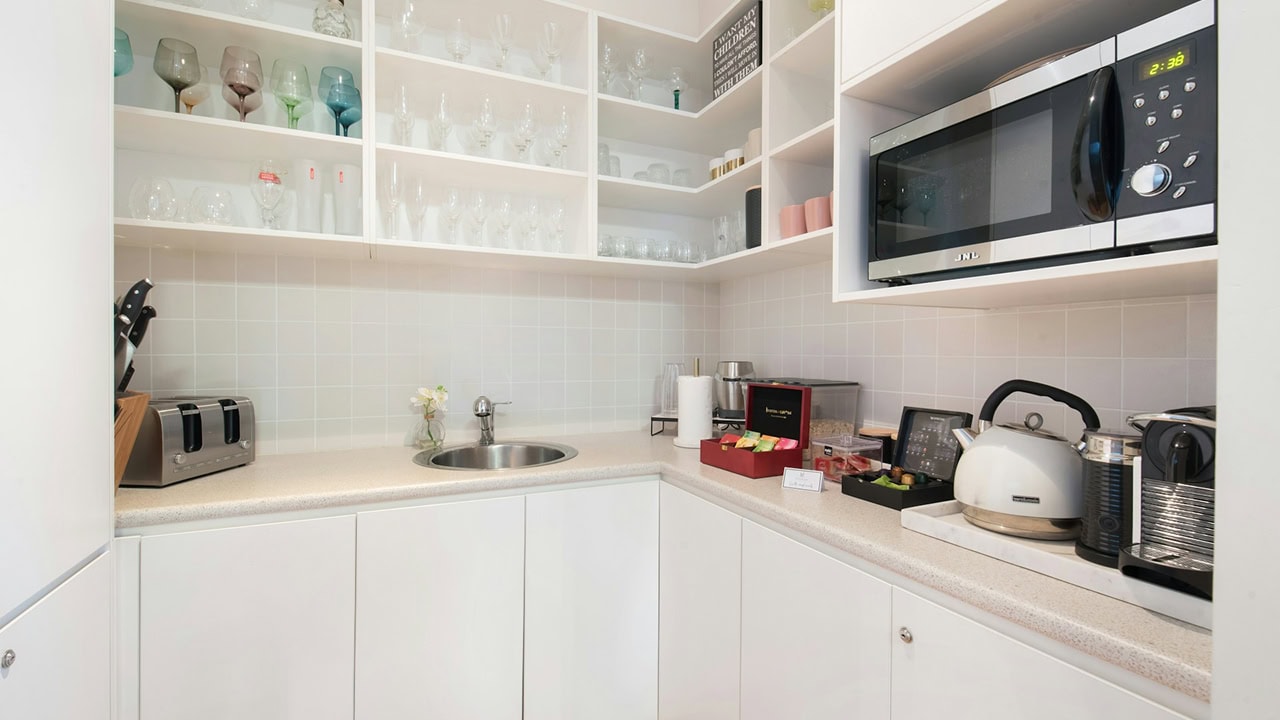
It's tempting to grab every tool that promises to save time or make cooking easier, but most of them end up collecting dust. If you haven't touched the waffle maker or Instant Pot in months, it's not something you need-it's something you wanted in the moment.
Stick to the basics that pull their weight daily. A good knife, solid pans, and a reliable cutting board will serve you way better than a drawer full of novelty tools. Don't let your kitchen become a storage unit for gadgets you only use once a year.
Monthly Subscriptions for Convenience

From food delivery passes to beauty boxes to curated kids’ crafts, convenience subscriptions can feel helpful-but most of the time, they're solving a problem you didn't really have. If you wouldn't miss it when it's gone, that's a red flag.
A lot of these services sneak into your budget and stay there longer than they should. Before renewing anything, ask yourself if it's saving you time or creating more clutter and dependency. Most people do fine-better even-without them.
A Brand-New Car
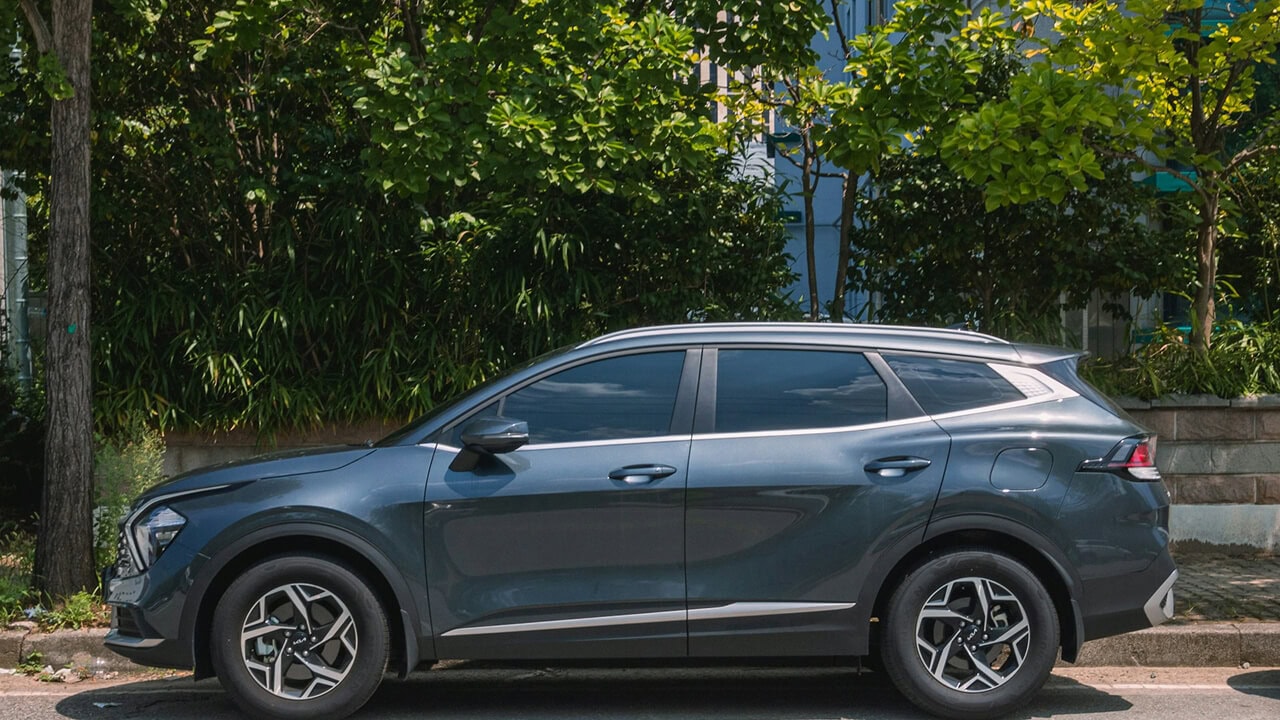
Dealerships love to make monthly payments sound reasonable, but financing a brand-new car can wreck your budget long-term. New vehicles lose value fast, and most people could get by with something used and well-maintained for thousands less.
Unless your current car is unsafe or unreliable, there's usually no real need to upgrade. It might feel good for a minute, but the ongoing costs-higher insurance, taxes, and interest-add up fast. You're better off driving what you have and saving the difference.
Trendy Clothes for Every Season
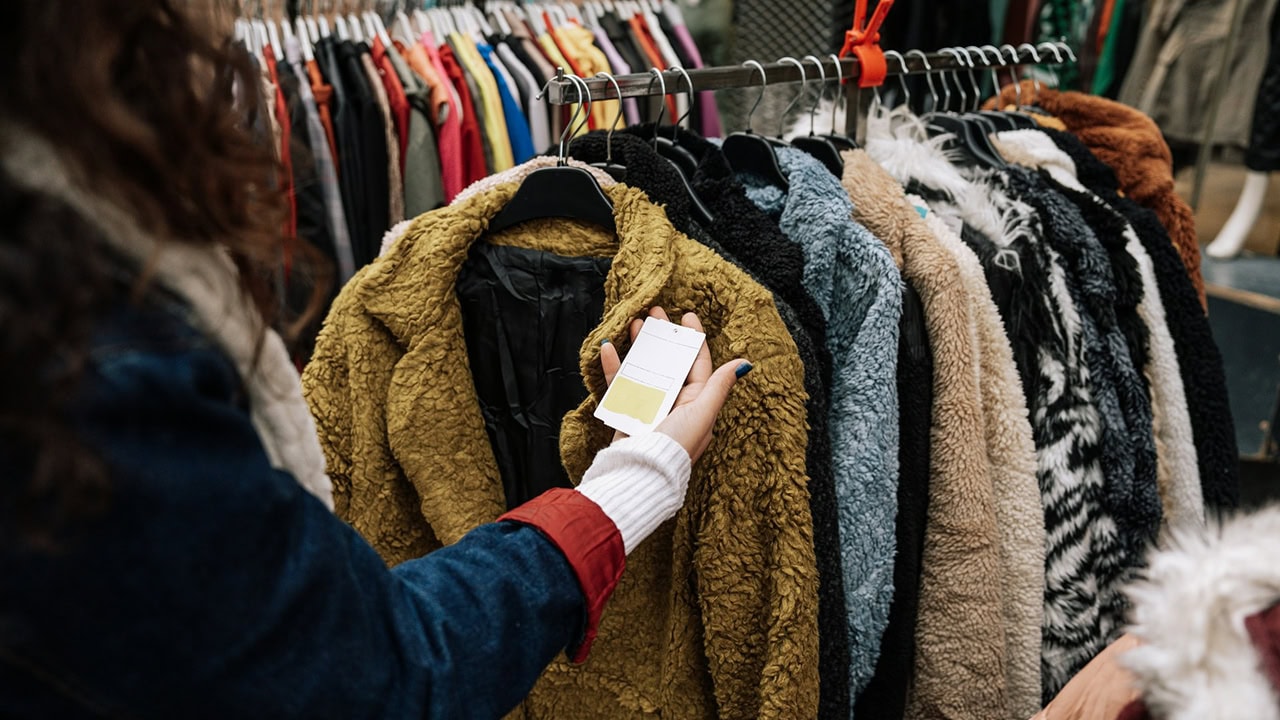
Trends shift faster than most people can keep up, and the pressure to constantly refresh your wardrobe is expensive. You don't need a whole new closet every time the weather changes. Most of the time, a few basics styled differently can get you through just fine.
The best wardrobes are built on pieces you wear over and over-not whatever's currently trending on social media. Before buying something new, think about how often you'll wear it and whether it fits your actual lifestyle. You're probably already covered.
A Massive Toy Collection
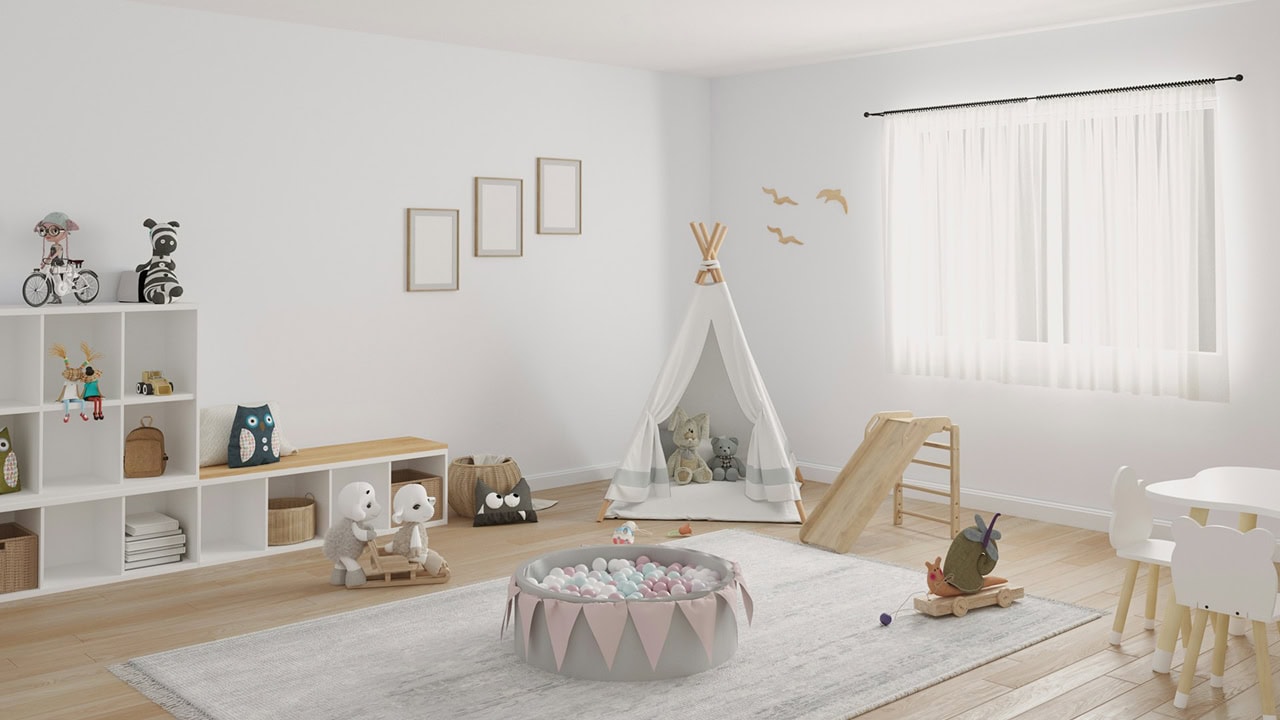
Kids don't need bins and bins of toys to be happy. In fact, most play better with fewer options. A smaller, more intentional toy setup makes cleanup easier and keeps them from getting overwhelmed.
You don't have to keep buying more to be a good parent. Rotating toys or choosing open-ended ones can stretch their interest a lot further. If they're barely playing with what they already have, more stuff isn't going to fix it.
A Second Fridge or Freezer
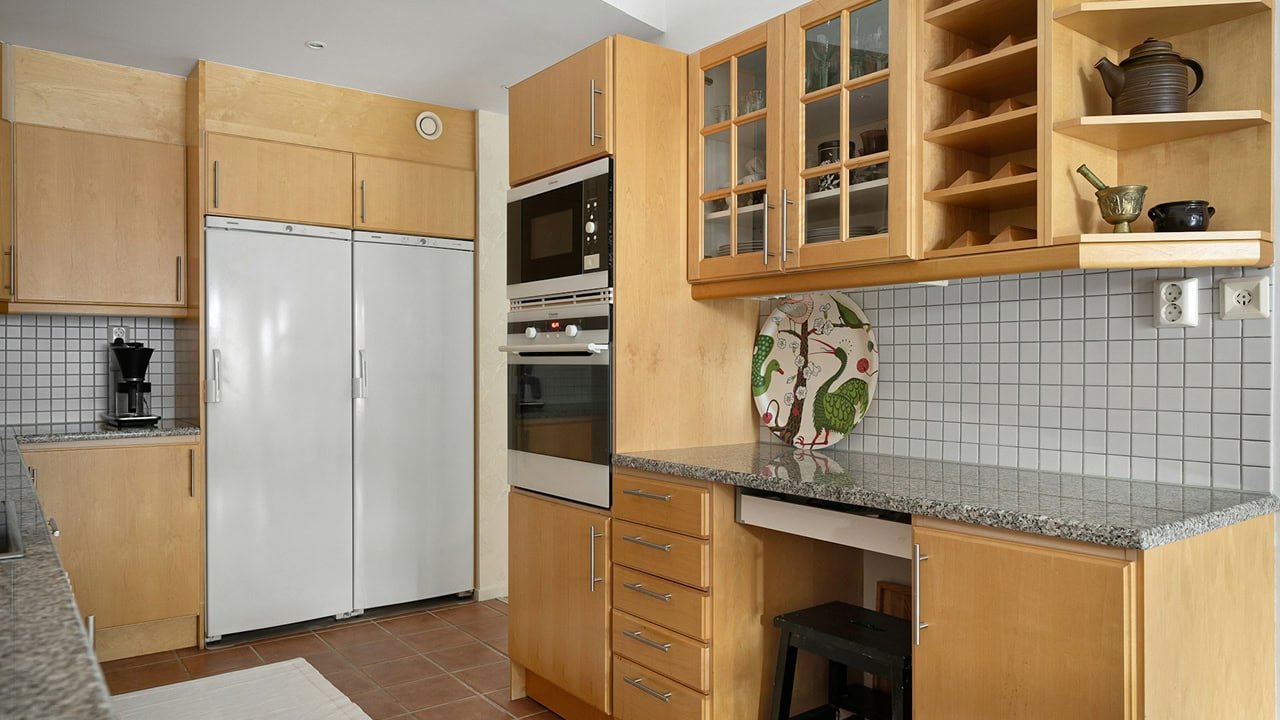
Extra cold storage sounds helpful-especially if you buy in bulk-but unless you're running out of space often, it may not be doing much for you. It costs more in electricity, encourages overbuying, and can lead to wasted food you forget about.
Before plugging in another appliance, check how much of your current fridge is actually being used efficiently. You might be surprised how much space you already have once you clear out the expired and unused items. A second fridge only helps if it's truly needed.
Daily Specialty Coffee

Stopping for coffee every morning feels harmless, but it can drain your budget over time. Even at $5 a cup, that adds up to over $100 a month-money that could go to groceries, savings, or debt payoff.
You don't have to give up coffee entirely, but you can recreate most café drinks at home with a little practice. It's not about cutting every luxury-it's about noticing the ones that aren't pulling their weight anymore. Daily coffee runs often fall in that category.
The Latest Phone

If your current phone works, holds a charge, and runs the apps you need, you probably don't need the latest upgrade. New models offer incremental changes most people won't notice day to day, but they come with hefty price tags.
Holding onto your phone longer can save you hundreds and reduce monthly payments. Don't fall for the pressure to always have the newest version. As long as it's reliable, there's no shame in using what still works. Upgrading too soon can cost more than it's worth.
A Fully Stocked Emergency Kit (That You Never Touched)
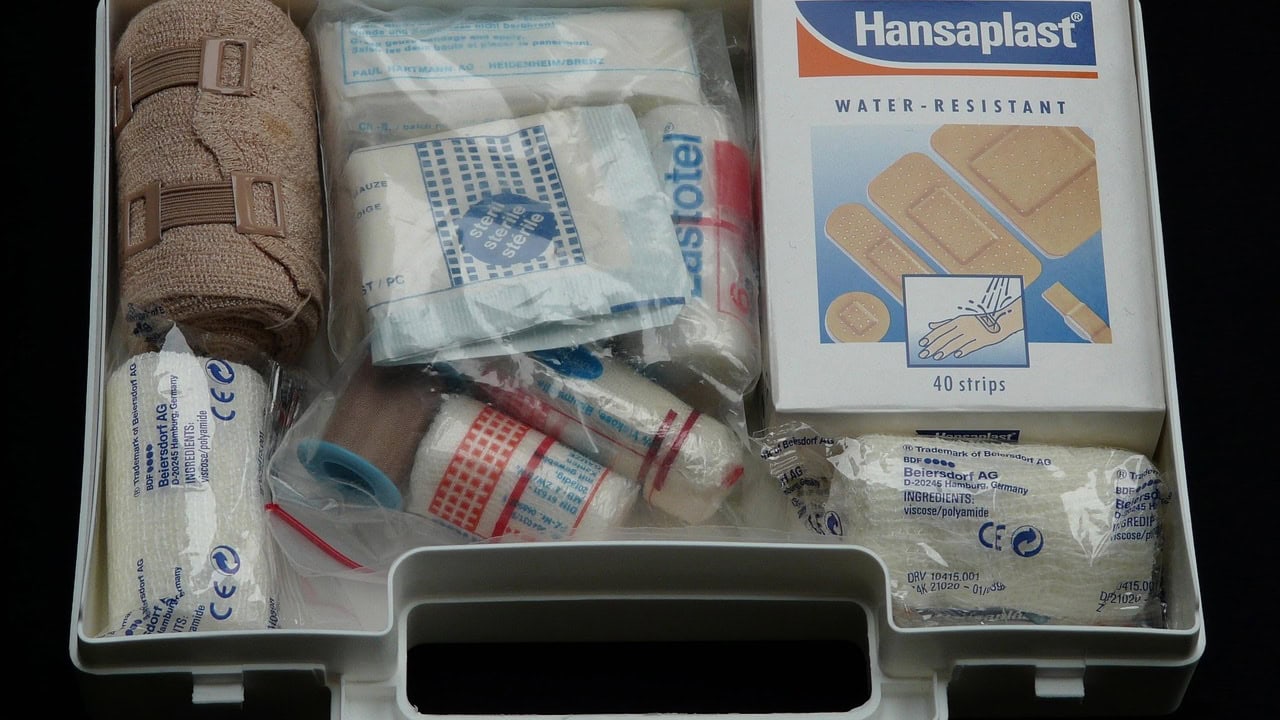
Being prepared is smart-but overpreparing can waste money fast. If you've stocked up on gear you've never touched and don't even know how to use, that's not actually helping you in a real emergency.
Start with the basics: water, non-perishables, flashlights, first-aid, and a plan. Don't feel like you need every survival gadget on the market. Practicality matters more than quantity. A modest kit that's actually usable beats a high-dollar stockpile that collects dust.
*This article was developed with AI-powered tools and has been carefully reviewed by our editors.






Leave a Reply