
Even the best-maintained car won't last if you're rough on it behind the wheel. The way you drive every day has a bigger impact on your car's lifespan than most people realize. Hard braking, quick takeoffs, and bad habits that seem harmless can quietly wear out key parts over time.
The good news? Most of it's easy to fix. A few small changes in how you drive can save you from costly repairs down the road and keep your car running stronger, longer.
Riding the Brakes
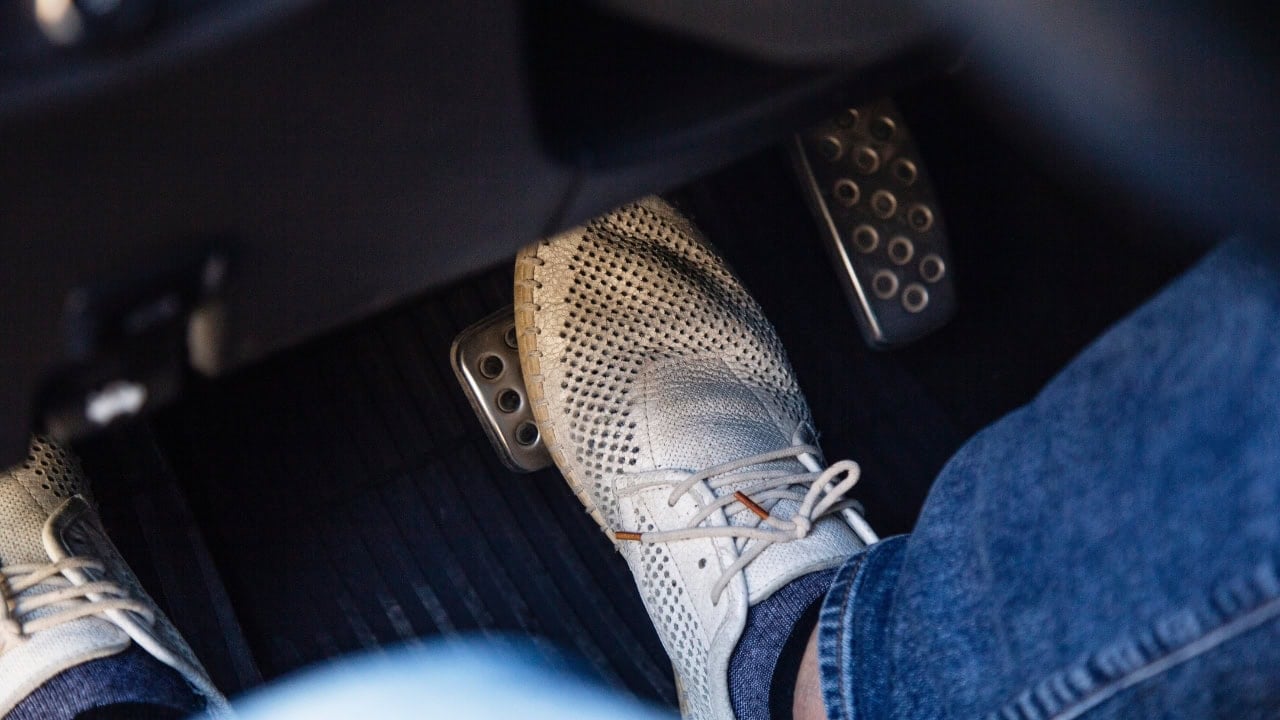
Keeping your foot on the brake pedal when you don't need to causes more wear than you think. It overheats the brake pads and rotors, making them wear out faster and sometimes even warp. Instead, use light pressure and give yourself space to coast before stopping. Your brakes will last longer, and you'll save yourself the headache of constant replacements.
Accelerating Too Aggressively
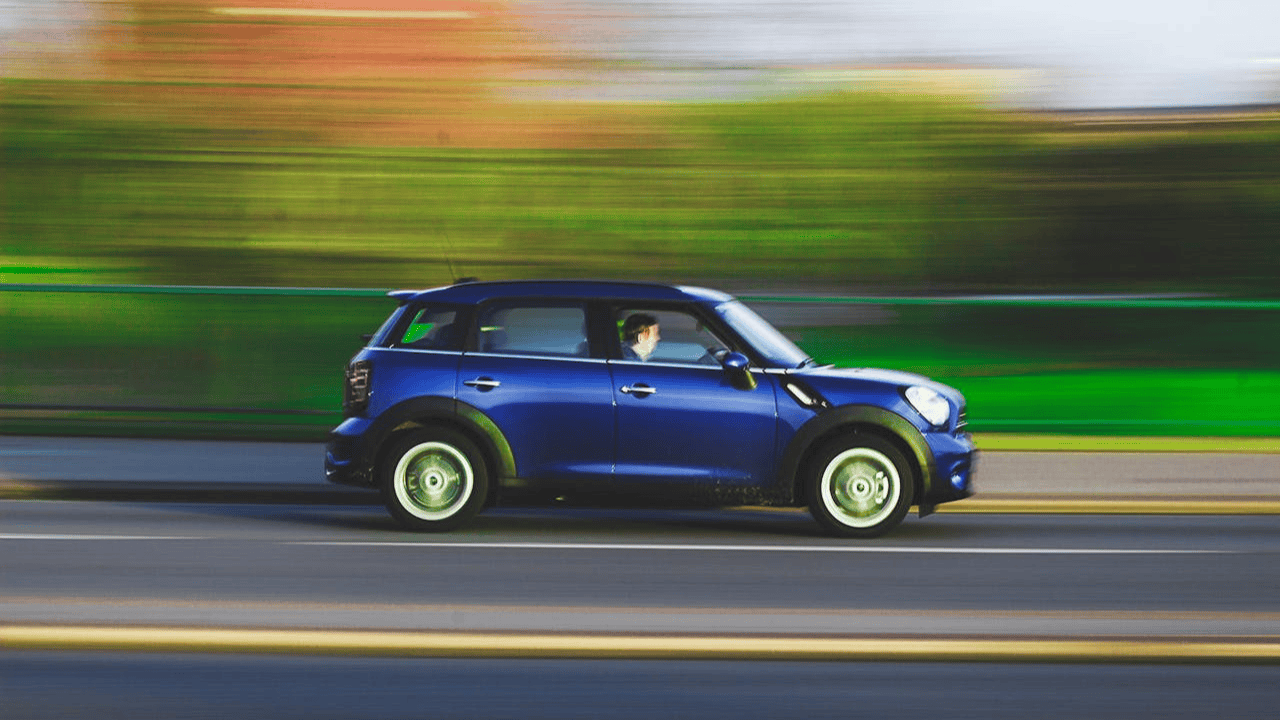
Slamming on the gas every time the light turns green might feel satisfying, but it puts serious strain on your transmission and engine. Hard acceleration forces fluids and internal parts to work overtime, wearing them out prematurely. Smooth, steady takeoffs keep your car's components in better shape and actually improve your fuel economy, too.
Ignoring Warm-Up Time in Cold Weather

When temperatures drop, your car's oil thickens, and it takes a minute to circulate properly. Driving off immediately after starting the engine in freezing weather makes your engine work harder before it's lubricated. Letting it run for 30 to 60 seconds before shifting into gear gives everything time to settle, protecting your engine from unnecessary wear.
Slamming Into Potholes
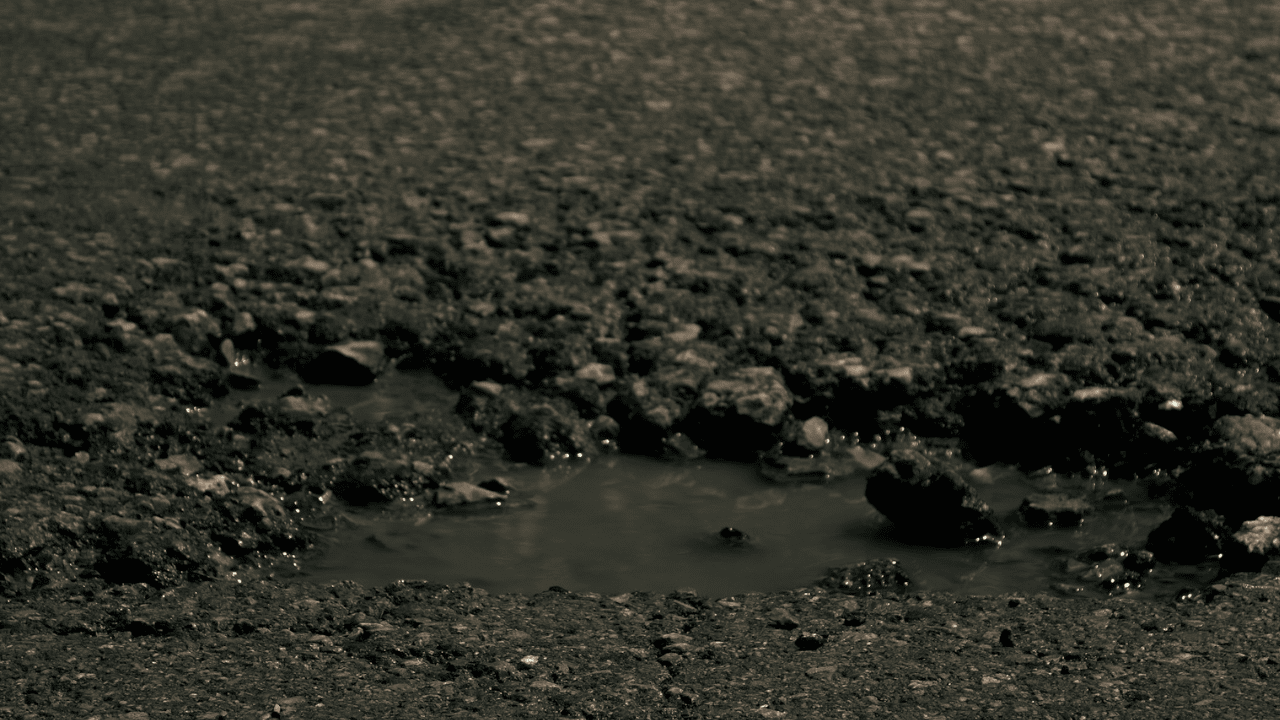
Hitting potholes at full speed can wreck your tires, throw off your alignment, and damage suspension parts. Even small hits add up over time. Try to spot them early and slow down before impact, especially after heavy rain when they're hard to see. Your car's steering will feel tighter, and your tires will last longer.
Resting Your Hand on the Gear Shift
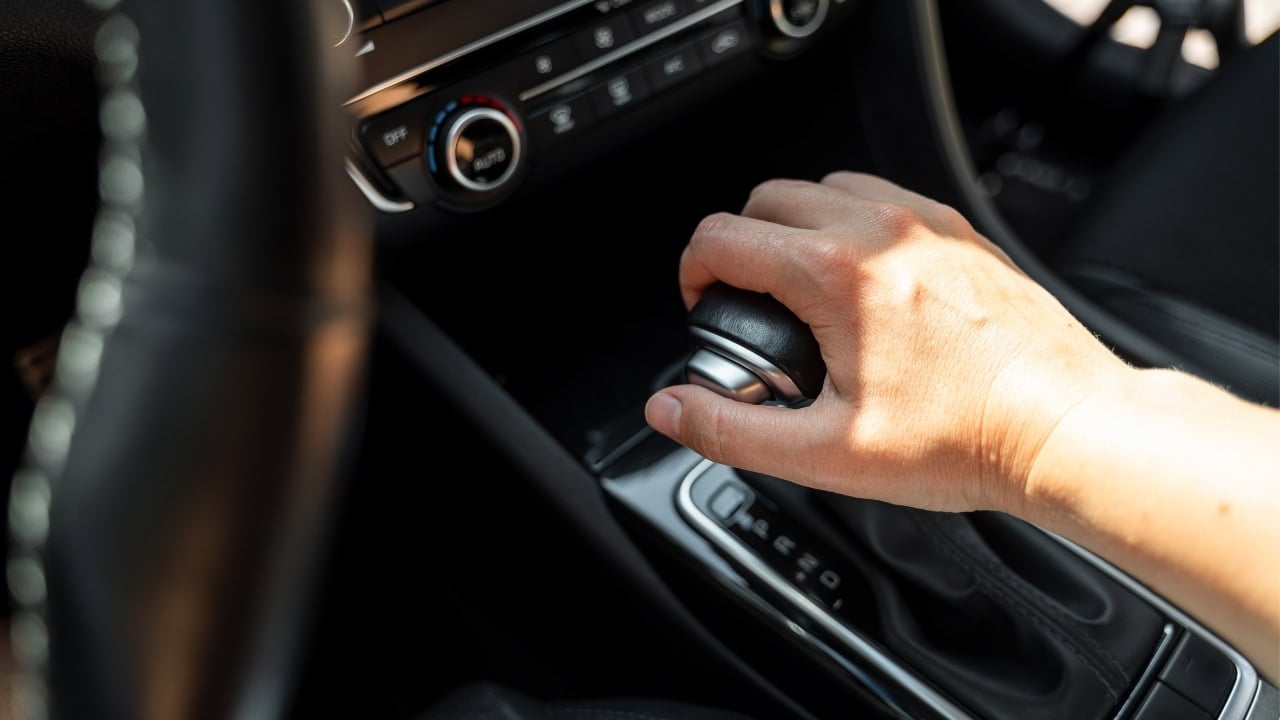
If you drive a manual, keeping your hand on the shifter while cruising might feel natural, but it puts constant pressure on the transmission's internal components. That tiny bit of force can cause premature wear on gears and synchronizers. Keeping both hands on the wheel isn't just safer-it'll also extend your transmission's life.
Ignoring Warning Lights
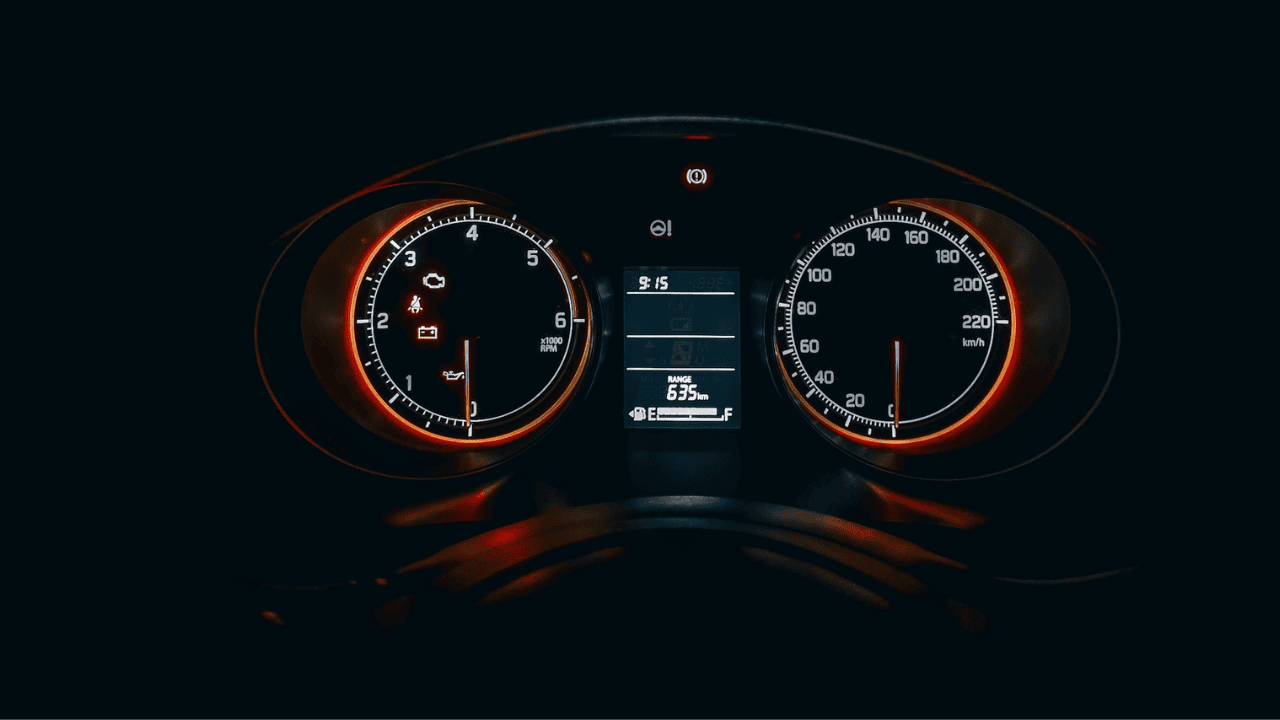
It's easy to shrug off a check engine light when your car seems fine, but that light's there for a reason. Even minor issues like a loose gas cap or faulty sensor can lead to bigger problems if ignored. Getting it checked early can prevent a small fix from turning into a major repair that costs thousands.
Coasting in Neutral Down Hills

It might sound fuel-efficient, but coasting in neutral can actually reduce your control and strain your transmission. Modern cars automatically cut fuel when you're coasting in gear, so you don't save gas anyway. Staying in gear keeps your power steering and brakes working properly-something you'll want if traffic suddenly changes.
Riding the Clutch
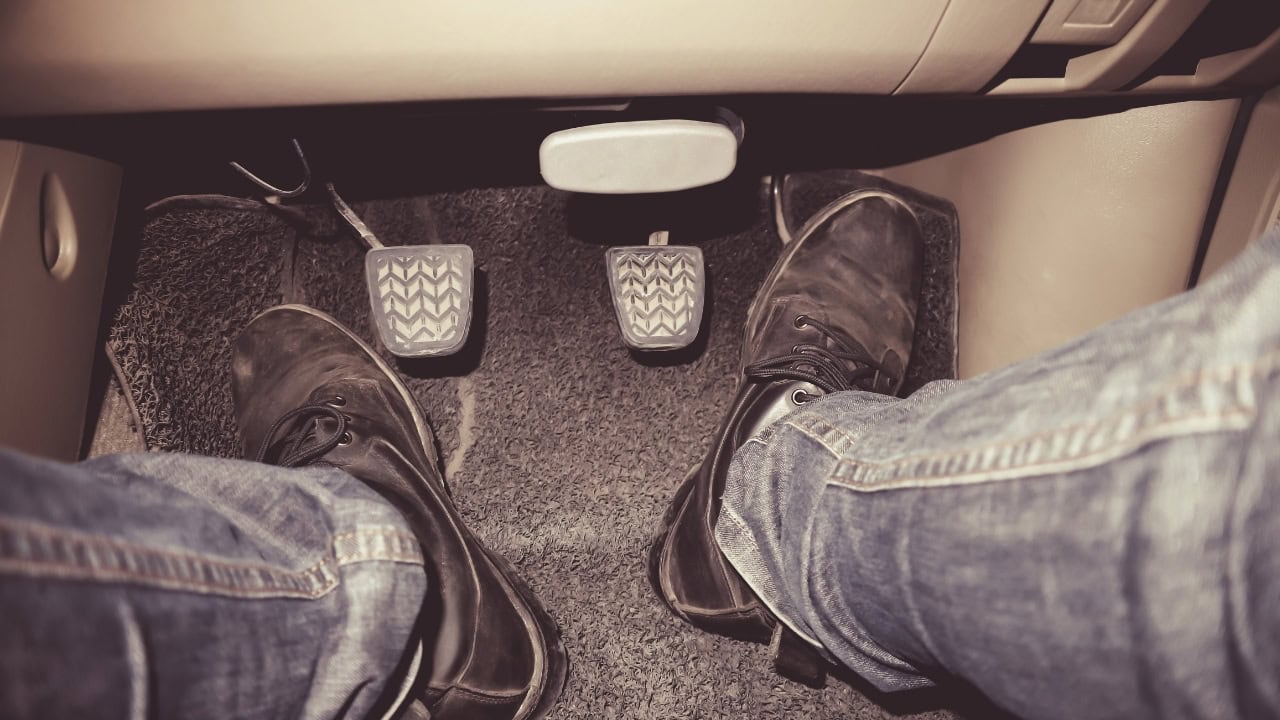
If you drive a stick, keeping your foot halfway on the clutch pedal while driving wears down the clutch plate faster. This "riding" keeps it partially engaged, generating heat and friction that shorten its lifespan. Use the clutch fully when shifting and keep your foot off it otherwise-it'll save you a big repair bill later.
Ignoring Fluid Changes
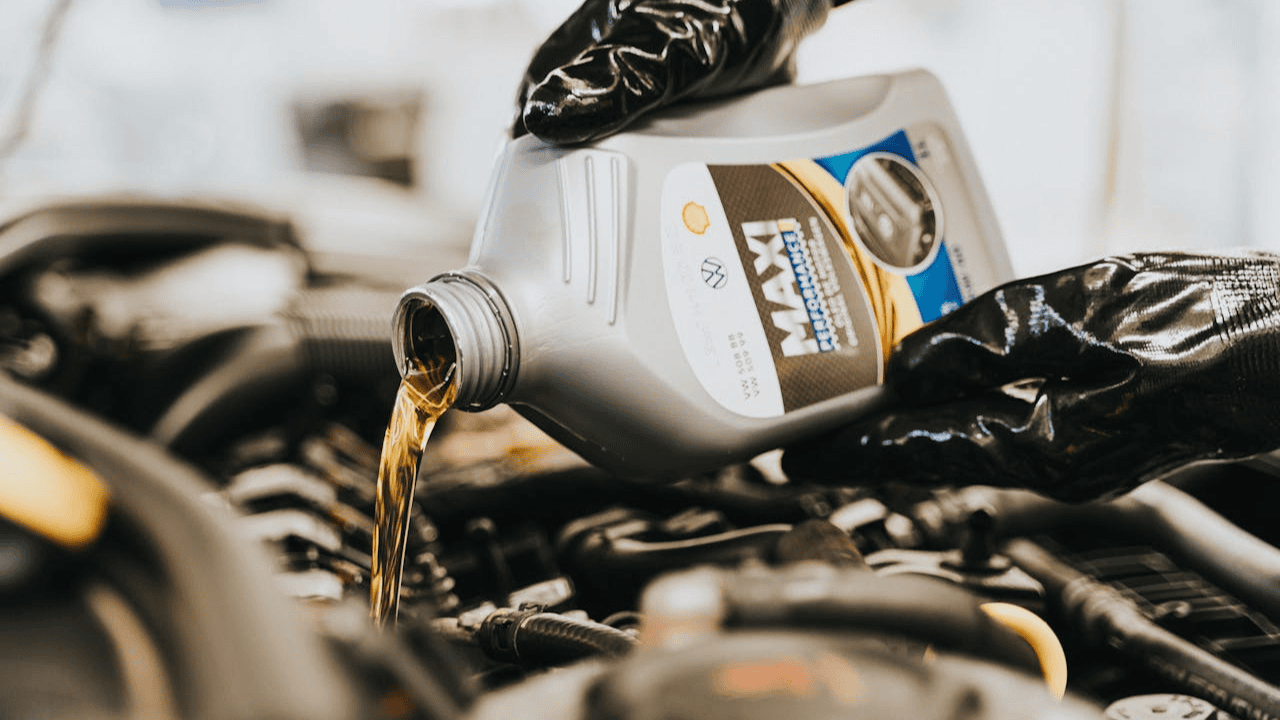
Oil isn't the only fluid that matters. Neglecting brake fluid, transmission fluid, or coolant changes can cause expensive damage over time. Each plays a role in keeping your car's systems clean and cool. Skipping them might not cause immediate problems, but it slowly wears down seals, lines, and key components you'll eventually have to replace.
Flooring It When the Engine's Cold
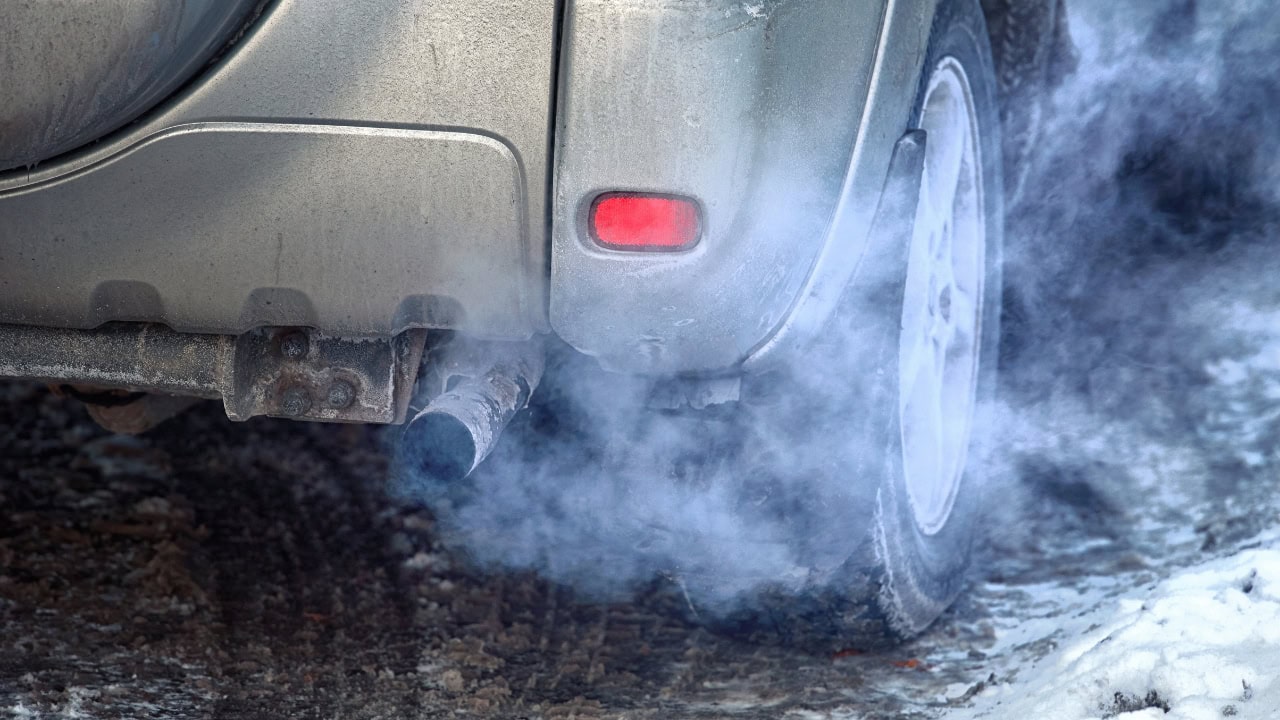
When your car's engine hasn't warmed up, the oil hasn't fully circulated yet. Flooring it right away can cause internal wear before the parts are properly lubricated. Waiting even a few minutes before driving hard-or until the temperature gauge stabilizes-helps your engine last much longer. Treat it gently, and it'll return the favor for years to come.
*This article was developed with AI-powered tools and has been carefully reviewed by our editors.






Leave a Reply