
10 things you can start doing at 25 to save $10,000 by 30

Saving ten grand by the time you hit 30 might sound big, but it's actually doable if you give yourself a five-year runway and make smart moves early. You don't need a massive income boost or a side hustle that eats up all your time.
What you need is consistency, awareness, and a few habits that build over time. The decisions you make at 25 can set you up to not only save $10,000-but do it without constantly feeling like you're sacrificing everything fun.
Track Your Spending Before You Try Cutting It

You can't save what you can't see. Before you start slashing costs, you need to get a clear picture of where your money is actually going. Most people guess wrong-either underestimating or overthinking where the problem really is.
Use a budgeting app or spreadsheet and track every dollar for one month. That snapshot helps you spot patterns fast, like recurring takeout or unused subscriptions. You'll know exactly what's worth cutting instead of playing a guessing game with your budget.
Pick One Monthly Expense to Cancel and Keep It Gone

Small bills add up. If you cut one $20-$40 recurring expense and leave it canceled for good, you're saving hundreds a year without changing your lifestyle every month.
Start with something you barely use-maybe a subscription you forgot about, a delivery service you don't need, or a paid app that's replaceable. Lock it down and move on. You'll barely notice it's gone, but it adds up year after year.
Avoid Car Payments as Long as You Can

One of the fastest ways to sink your savings goals is picking up a monthly car note. Even a "cheap" payment of $350 a month ends up costing $4,200 a year before you even factor in insurance or interest.
If your current car runs, take care of it and keep it. If you need to buy, go for something reliable and used that you can actually afford outright. Avoiding that payment for just two years can cover nearly half your $10K savings goal.
Build a Real Emergency Fund (Before You Need It)

Waiting until something breaks to "figure it out" usually leads to debt. Whether it's car trouble, dental work, or a last-minute flight home, those expenses hit harder when you haven't prepped for them.
Start by saving a few hundred bucks. Then keep adding to it slowly. You don't need a massive cushion overnight, but having $1,000-$2,000 tucked away keeps your savings on track when life throws a curveball.
Start Making Sinking Funds for Annual Expenses

You already know your car registration, Christmas shopping, and yearly insurance premiums are coming-so stop letting them catch you off guard. A sinking fund is just a savings account you build up little by little for something you know is coming.
Let's say Christmas costs you $600. If you save $50 a month starting in March, it's fully funded by the holidays and doesn't wipe out your December budget. Do that for multiple big expenses and your savings plan stays intact year-round.
Cook at Home Four Nights a Week

You don't need to become a chef, but cooking at home even half the week can save you thousands a year-especially if you've been relying on takeout or dining out for most meals.
Even swapping a $15 meal out for a $5 home-cooked meal three to four times a week can easily save you $1,500-$2,000 annually. That adds up fast and still gives you room to go out when you want to.
Use Cash for Your Spending Categories

Using cash isn't old-school-it's clarity. Pick a few problem areas (like eating out, shopping, or entertainment), set a weekly cash budget, and stop spending when it runs out.
You'll spend less without having to constantly track every purchase. And those saved dollars don't disappear-they go straight toward your savings goal. Even if this saves you $25 a week, that's $6,500 over five years without much effort.
Pay Off Small Debts First
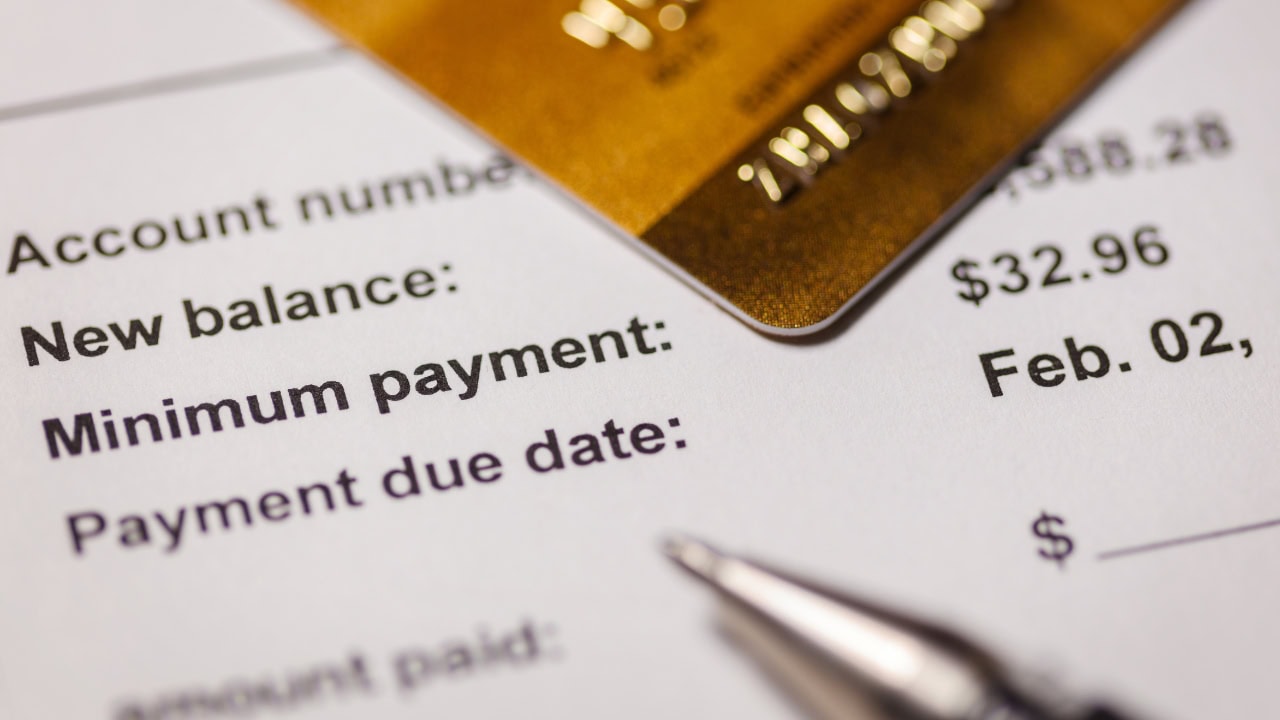
Knocking out one small debt, like a lingering credit card or store balance, frees up monthly money fast. It also builds momentum you can ride into bigger wins later.
If you're paying $50-$100 a month toward a low-balance card, focus on clearing it out. Then take that same amount and apply it to savings or a different balance. That snowball effect works in your favor the sooner you start.
Don't Upgrade Your Lifestyle Every Time You Get a Raise

This one's a trap that's easy to fall into. If you get a raise or bonus, don't immediately add a new expense to match it. Let that "extra" money feel like extra-and direct it toward savings instead.
Even if you stash $100-$200 from every monthly raise, that's $1,200-$2,400 a year. Compound that over a few years and you'll fly past the $10K mark without changing anything about how you already live.
Be Pickier About "Once-in-a-Lifetime" Spending
Not every concert, trip, or event is a must. FOMO spending adds up fast, especially when you say yes to everything for fear of missing out.
Give yourself permission to pass on a few things-and build in lower-cost alternatives. That doesn't mean you never go anywhere. It just means you stay in control. Even skipping three $300 weekend trips over five years puts nearly $1,000 back in your pocket.
*This article was developed with AI-powered tools and has been carefully reviewed by our editors.






Leave a Reply