
10 things to clear out if you’re tired of overspending
If you're trying to get control of your spending, sometimes the problem isn't what you're buying-it's what you're keeping. Cluttered closets and overflowing cabinets make you think you need more than you do.
The more extras you have around, the easier it is to lose track, buy duplicates, or convince yourself you're "running low." Clearing out the things that quietly fuel overspending doesn't just save money-it changes how you see what you already own. Here's where to start.
Expired or duplicate toiletries

When you can't find what you need, you grab another. That's how you end up with six half-empty lotions or two open bottles of shampoo. Most toiletries have a shelf life, so keeping extras you'll never finish is money literally going down the drain.
Go through your bathroom drawers and toss anything expired, old, or half-used that you don't like. Once you clear the clutter, you'll know exactly what you use-and stop buying backups "just in case."
Kitchen gadgets you never touch

A waffle maker, smoothie blender, or egg cooker might've sounded useful once, but if it's been gathering dust for years, it's costing you space and tempting you to buy more. Those gadgets make it seem like you need more storage-or worse, a kitchen upgrade.
Donate or sell them and keep what you actually use. When your cabinets aren't packed, cooking feels easier, and you'll be less tempted by every new "must-have" appliance you see.
Old makeup and skincare
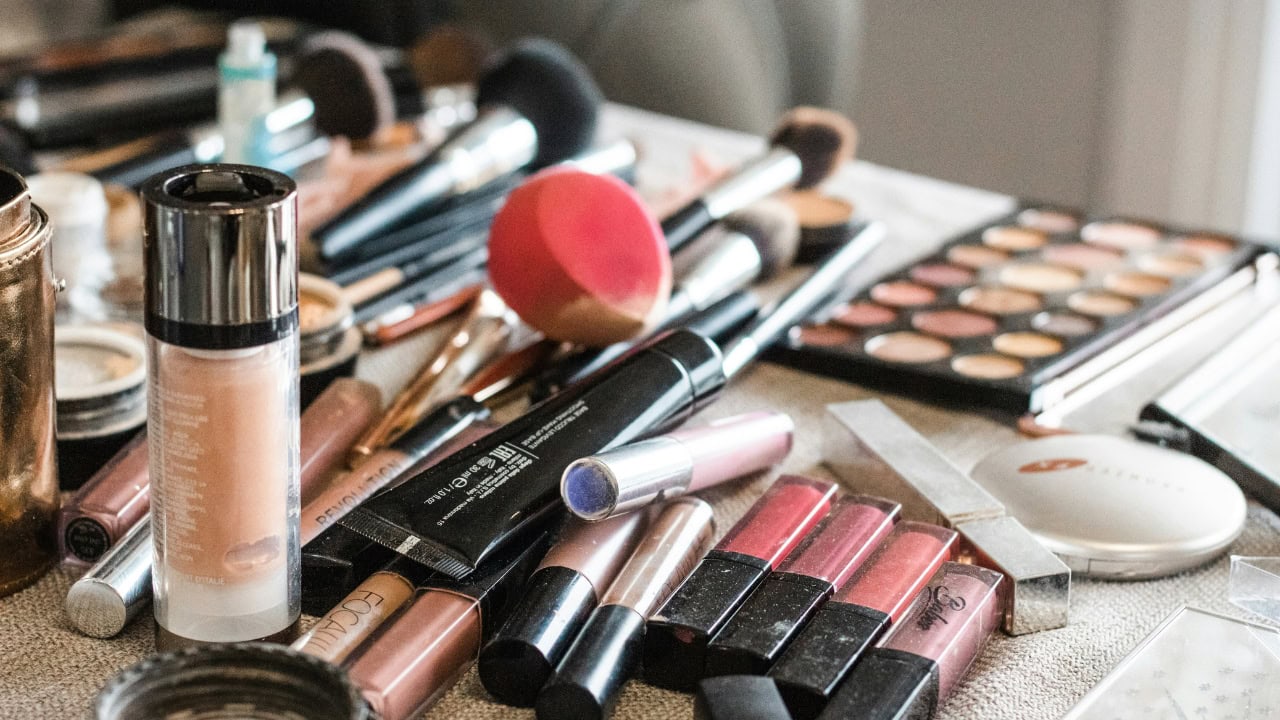
Beauty products have expiration dates for a reason. Using old ones can irritate your skin and make you spend even more trying to fix it. It's also easy to forget what you already have when your drawers are overflowing.
Keep one or two products you actually love and use up the rest before buying new ones. You'll spend less, clear space, and finally stop wasting money chasing the next miracle product.
Clothes that don't fit or feel right

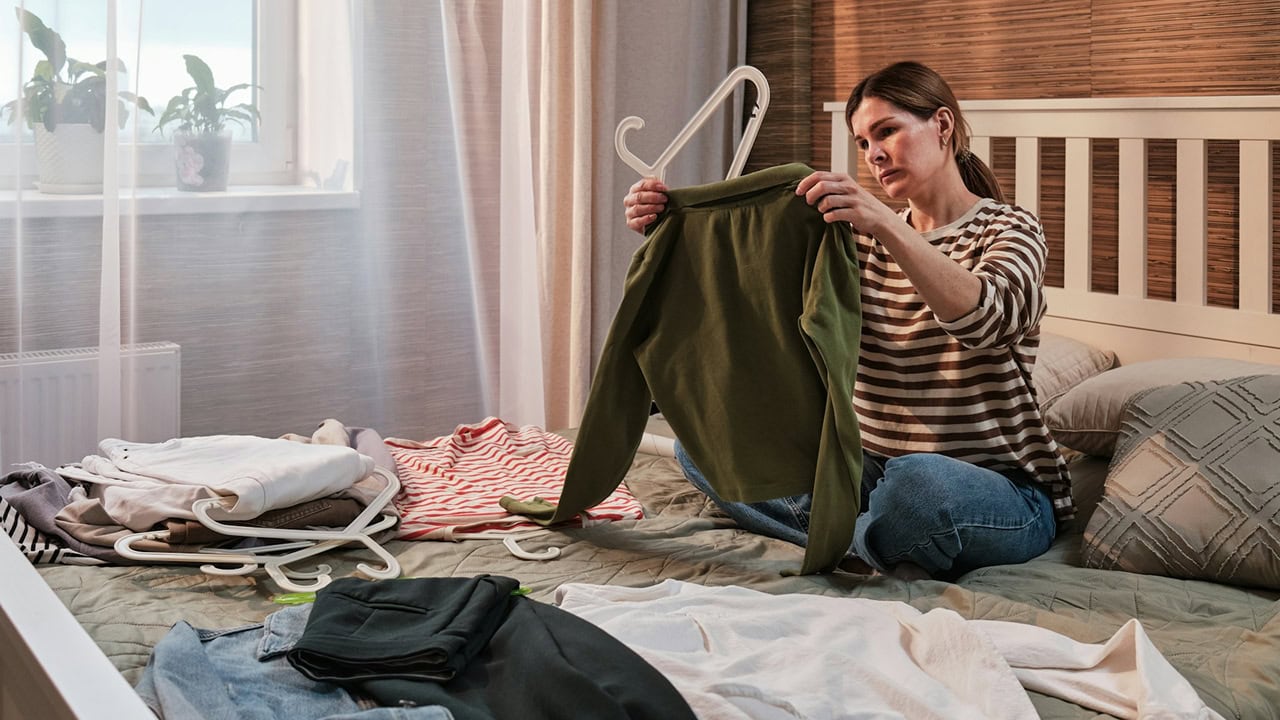
Hanging onto clothes that don't fit is one of the fastest ways to waste money. They make you feel like you have "nothing to wear," so you end up shopping again. Keeping them also adds emotional clutter that makes it harder to enjoy the pieces you actually love.
Let go of anything that doesn't fit, flatter, or feel comfortable. Once your closet reflects your real life, you'll spend less time second-guessing and more time wearing what works.
Home décor that doesn't match your current style
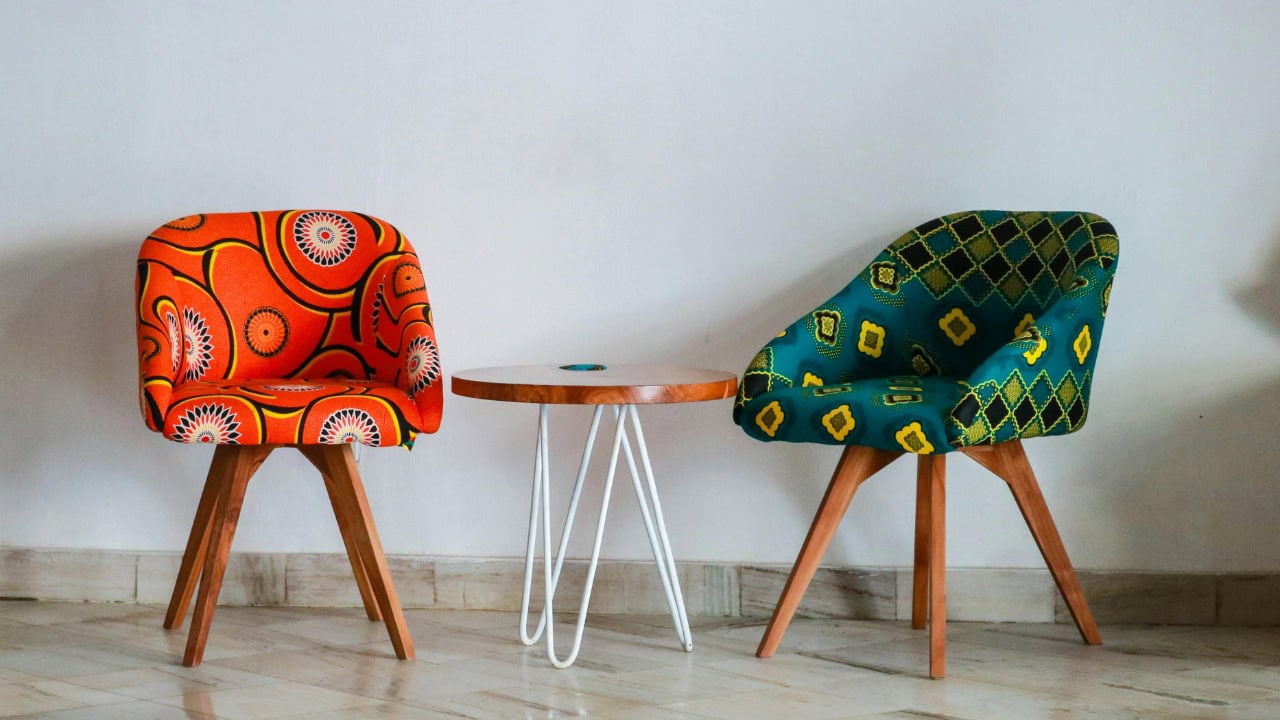
You might think décor doesn't affect spending, but it does. Outdated or mismatched pieces make you feel like your home needs a total refresh-when what it really needs is editing.
Go through your décor and remove anything that no longer fits your taste. Selling or donating those items clears the visual noise and makes your space look intentionally styled, without a single shopping trip.
Craft supplies and half-finished projects

Keeping piles of "someday" supplies can make you feel guilty and wasteful every time you see them. It also keeps you buying more for new projects before you've finished the old ones.
Be honest about which hobbies you actually enjoy. Donate what you don't plan to use. You'll free up space, feel more motivated to complete what you've started, and stop wasting money on creative clutter.
Paper clutter and unopened mail
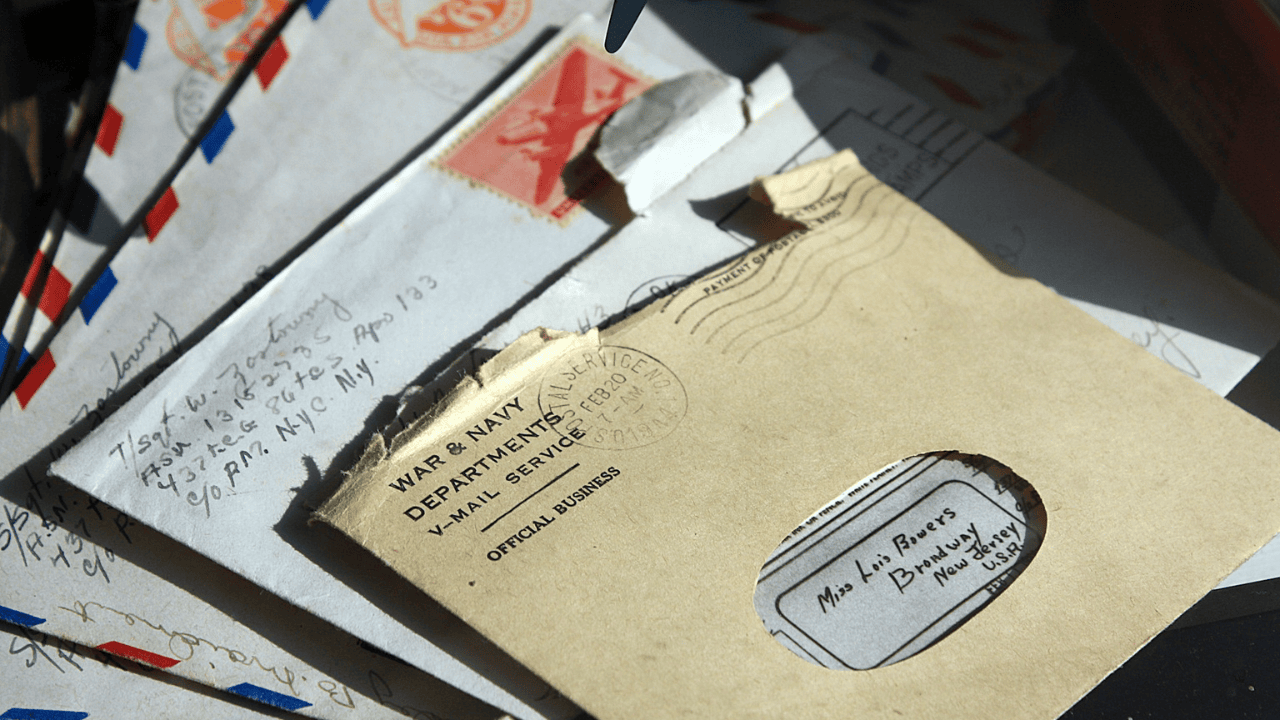
Bills, coupons, and old receipts can easily become spending traps. When your financial paperwork is buried under piles, it's easy to miss due dates or lose track of subscriptions.
Toss expired coupons, shred unnecessary papers, and set up a small system for the mail you actually need. Seeing your finances clearly helps you make better spending decisions-and keeps money from slipping through the cracks.
Kitchen containers and lids that don't match
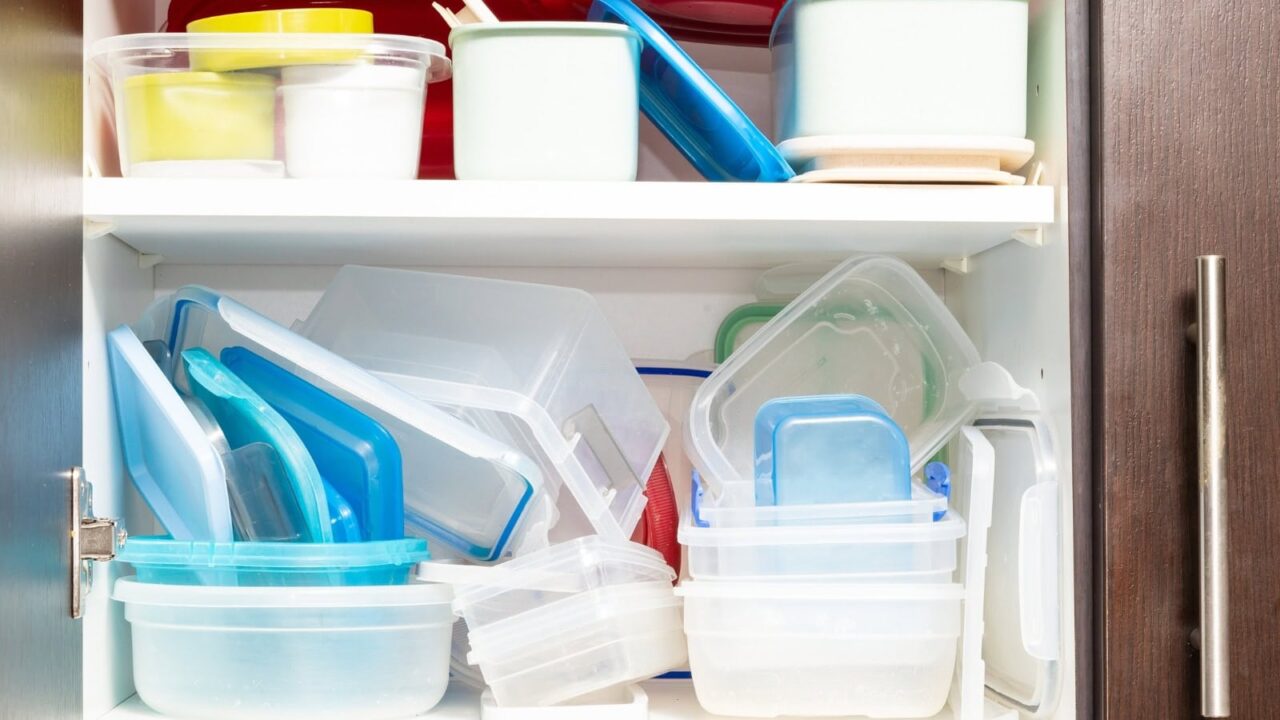
That drawer full of mismatched containers might seem harmless, but it's one of those small daily annoyances that make you think you need a "better system." You don't-you just need less.
Throw out cracked containers and orphaned lids. Invest in one matching set that actually stacks well. It makes your kitchen feel organized and keeps you from wasting money on replacements you don't need.
Subscription clutter

Streaming services, apps, magazines, memberships-it all adds up. When you don't regularly check what's auto-renewing, you can easily spend hundreds a year without realizing it.
Log in to your bank or credit card and list out every recurring charge. Cancel anything you haven't used in a month. You'll probably find more than a few that no longer add any real value.
Freebies and "someday" items

Free samples, event swag, or random "good deals" are some of the worst clutter culprits. They sneak into your house disguised as savings but end up making you spend more trying to organize or store them.
If it doesn't serve a purpose or make your life better, let it go. The less clutter you have, the more intentional every purchase feels-and that's how overspending finally stops for good.
*This article was developed with AI-powered tools and has been carefully reviewed by our editors.






Leave a Reply