
10 things that steal your time and your money

It doesn't always take a major purchase or a packed calendar to drain your time and your bank account. A lot of the time, it's the background habits and quiet defaults that chip away at both without you realizing.
These are the things that seem small in the moment but build up fast-until you're wondering where the day went and why your account's low again. Being aware of them can help you cut the noise, keep more of your money, and get back your margin.
Subscriptions You Forgot About
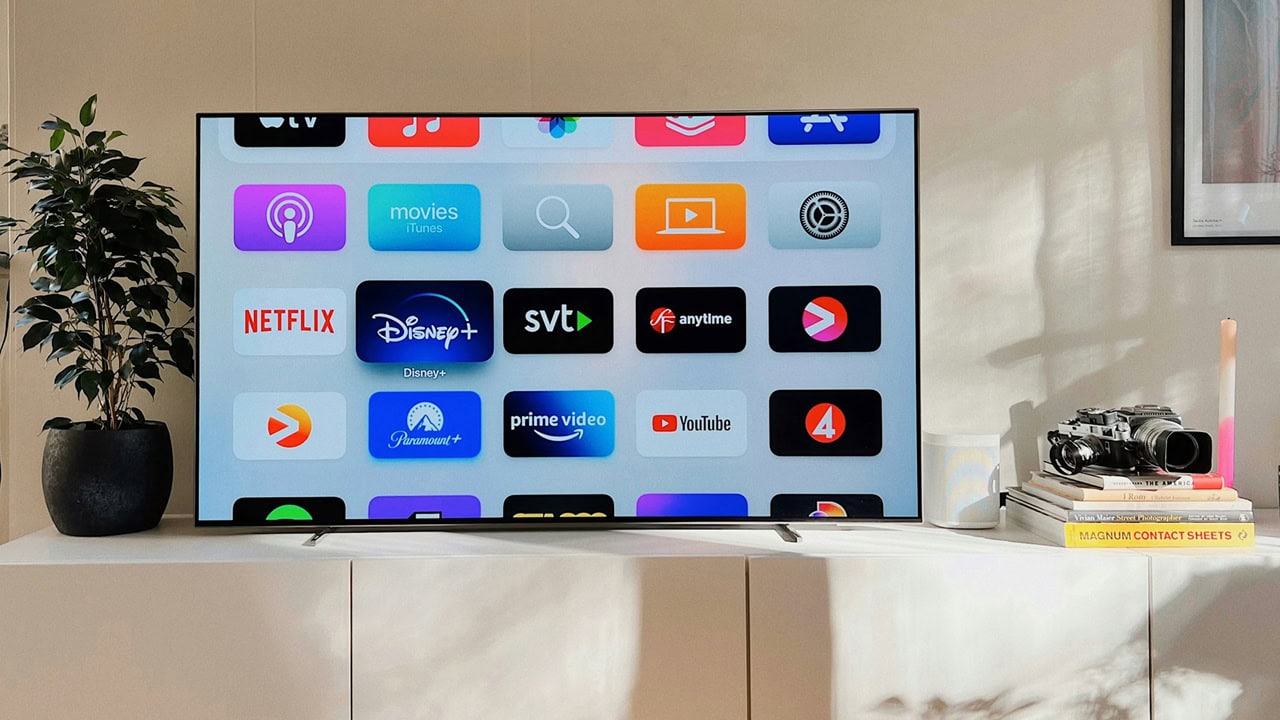
Those $5, $10, or $20-a-month subscriptions don't seem like much at first-until they keep stacking up. From streaming platforms to monthly apps, they often run in the background without you noticing.
The real drain is how little you use them. If you haven't opened the app or watched that channel in months, it's not worth keeping. Canceling what you don't use is one of the easiest ways to take back control of your time and your money.
Too Many Email Lists
Signing up for discounts or freebies often leads to a cluttered inbox full of sales, promos, and "last-chance" offers. You may think you're ignoring them, but even quick glances steal your attention.
And every so often, you'll click-and spend. Unsubscribing from the lists you don't care about anymore means fewer distractions, less temptation, and more peace in your day.
Trips to the Store Without a List

Running into the store for one thing usually turns into five. Without a list, it's easy to get sidetracked by sales, extras, or impulse buys you didn't plan for.
Those quick stops also eat up more time than they should. Planning ahead-even loosely-helps you stay on track, spend less, and stop letting errands run your schedule.
Phone Notifications
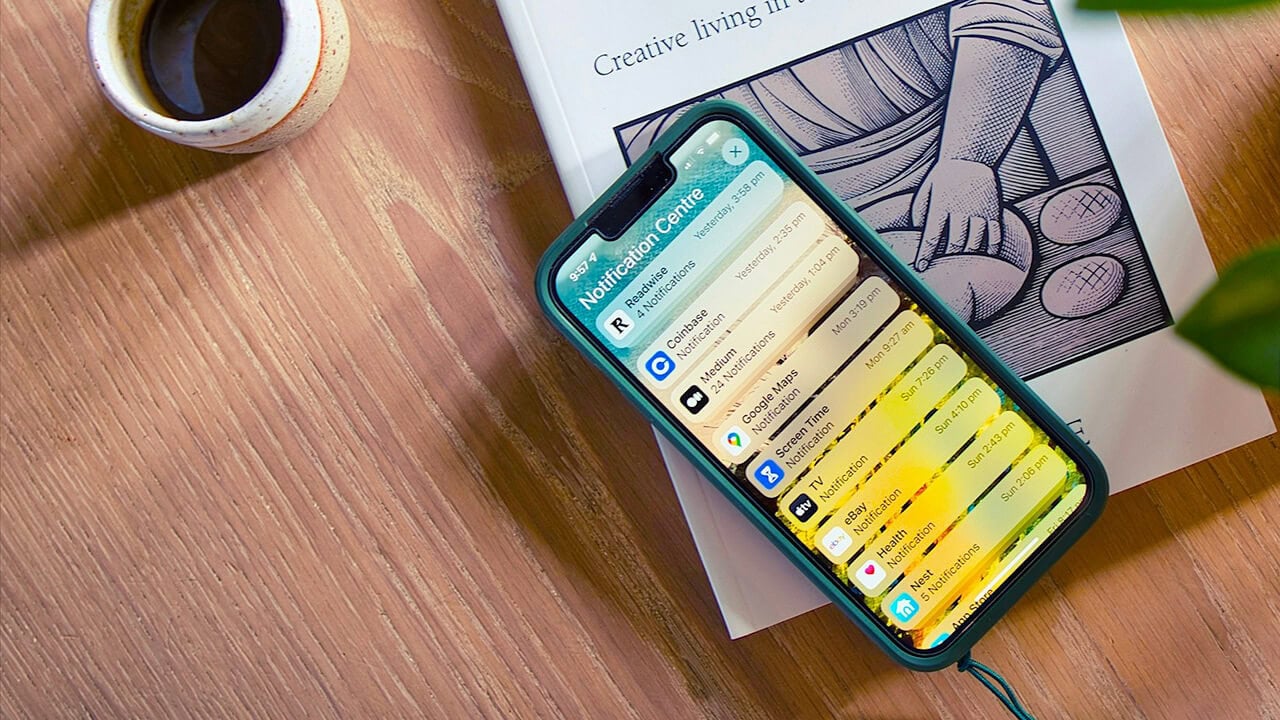
Every ding, buzz, or banner breaks your focus-even if you don't respond right away. Over time, those little interruptions add up to serious mental fatigue.
And a lot of them push you into spending mode: sales alerts, payment reminders, or social posts that send you shopping. Turning off non-essential notifications helps you stay present and spend more intentionally.
Buying Cheap That Breaks
Going for the cheapest option can feel smart in the moment, but if it breaks fast, you're paying twice. Whether it's clothes, tools, or kitchen gadgets, replacing junk over and over wastes both time and money.
Investing in something that lasts saves you the headache later. You're not always saving by spending less up front.
Driving All Over the Place

Scattered errands, backtracking, and extra trips burn more gas and time than you think. It might feel like you're being productive, but it's often just inefficient.
Batching errands, planning routes, and sticking closer to home when you can makes a real difference. Fuel isn't cheap, and your time's worth more than a few random stops.
Half-Finished Projects
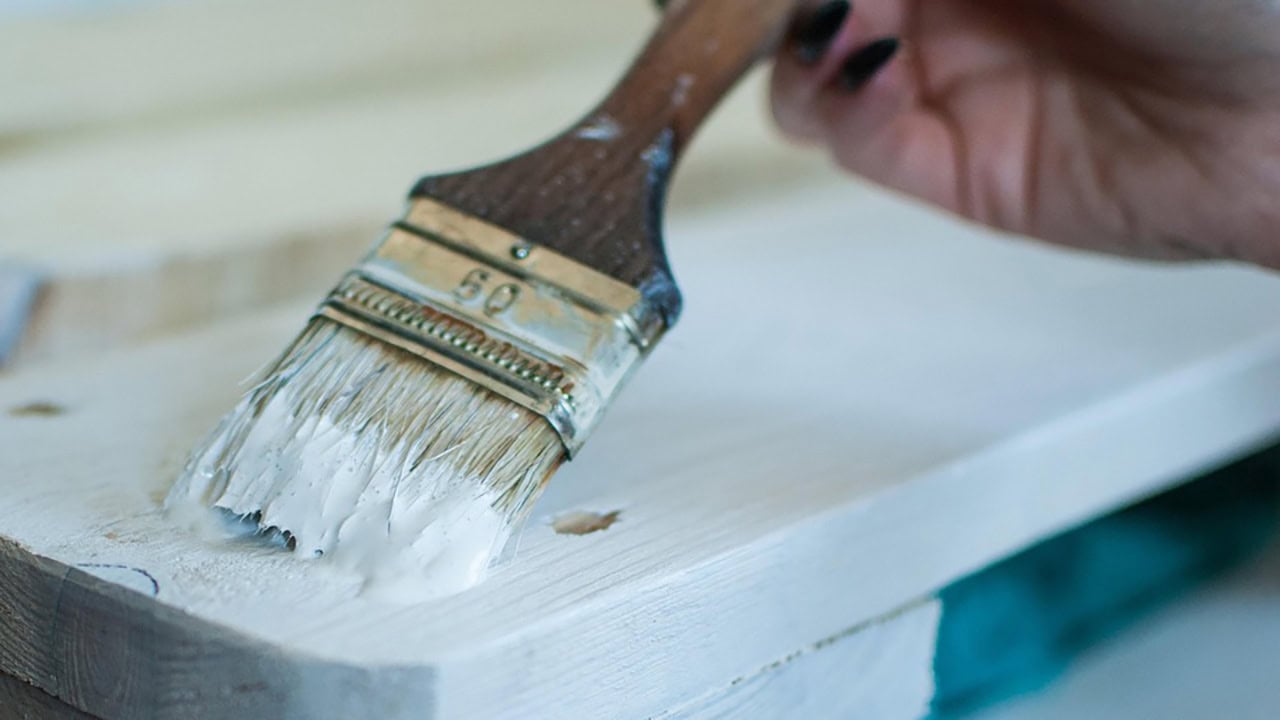
Starting a bunch of things without finishing them means you're constantly thinking about what's undone. That mental load steals your focus and keeps you spinning your wheels.
It also often means wasted money on materials or tools that sit unused. Finishing what you start-or letting go of what doesn't matter-is a smart way to reclaim both your space and your attention.
Browsing Without Purpose

Scrolling Amazon or wandering store aisles with no goal usually ends in a cart full of things you didn't need. It feels casual, but those random purchases add up.
It also eats away at time you didn't mean to spend shopping. When you're intentional about what you need, you're a lot less likely to waste both your minutes and your money.
Fast Food and Drive-Thrus

They're convenient, but they're expensive-and they rarely save time long-term. Between the drive, the wait, and the aftermath (hello, sluggish afternoon), fast food isn't always the shortcut it claims to be.
Meal planning-even loosely-helps you avoid that default. It doesn't have to be fancy, but knowing what's for dinner saves you from blowing your budget out of convenience.
Overcommitting Your Calendar
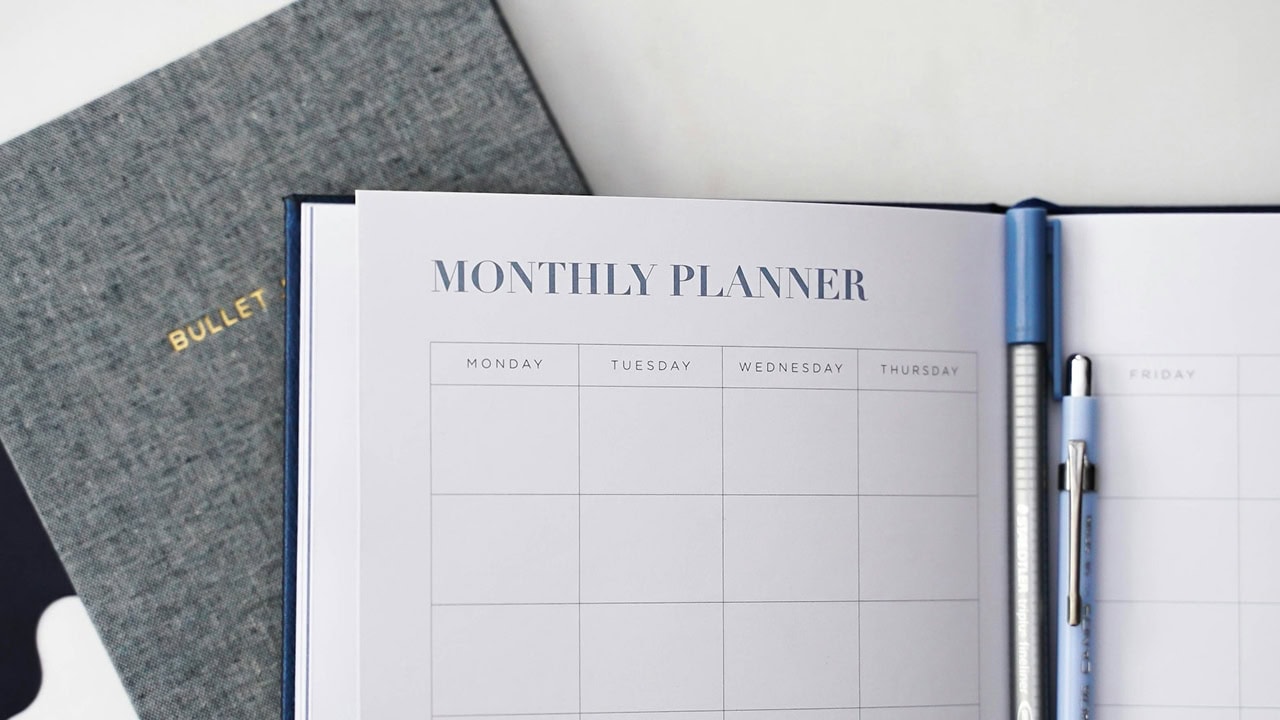
Saying yes too often means you're running nonstop, spending on gas, clothes, food, or supplies for things you didn't really want to do. It sounds harmless, but it stacks up fast.
Protecting your time lets you protect your money too. When you build in margin, you're less likely to overspend out of stress, guilt, or last-minute pressure.
*This article was developed with AI-powered tools and has been carefully reviewed by our editors.






Leave a Reply