
10 things that saved me $150+ in the first week I tried them
You don't always have to wait months to see results from a good money move. Some things make a difference right away-like the kind of difference you notice in your bank account within the first few days. These were easy changes, not major sacrifices.
I didn't overhaul my whole life. I just tried a few smarter habits and let the math speak for itself. After one week, I was already over $150 ahead-and none of these felt like a stretch.
Stopping Food Delivery Cold Turkey
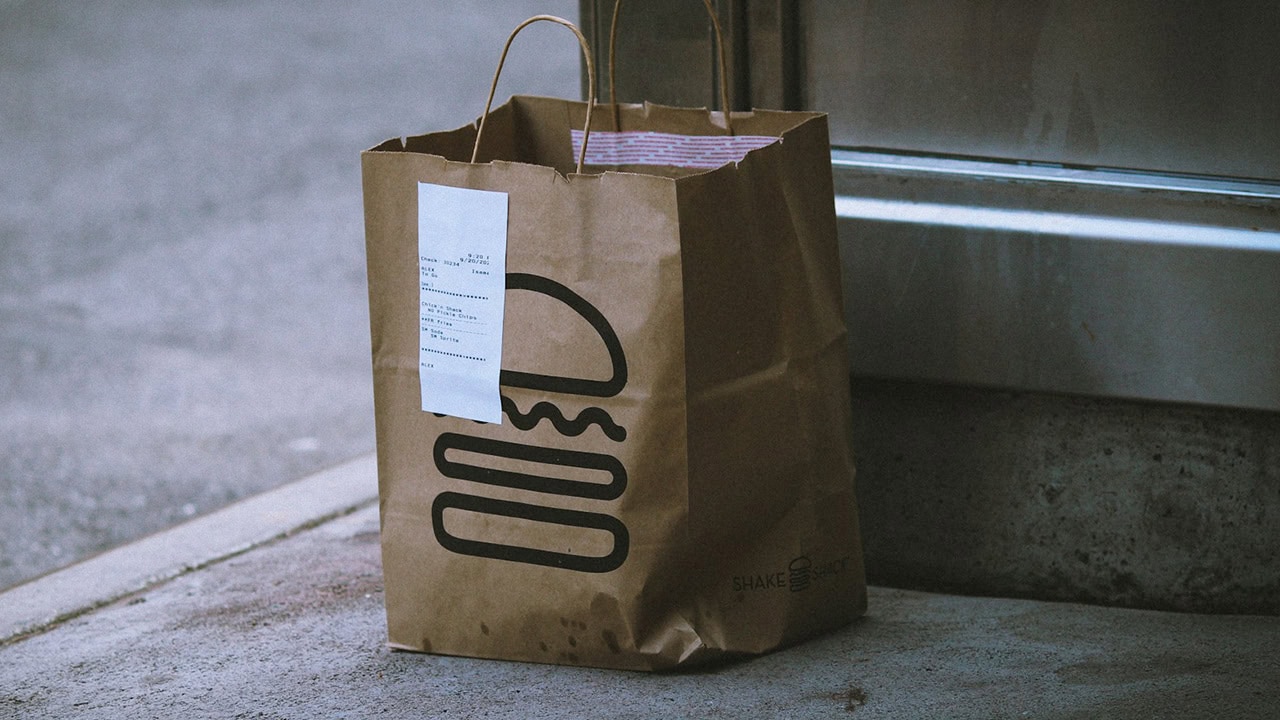
Food delivery fees and tips were quietly draining your account. Even when the meals weren't that expensive, the added costs were always higher than you expected. Saying no to delivery for one week meant you cooked at home or picked up food yourself when needed.
Cutting delivery saved $40 in fees and tips that first week alone. When you actually track how many times you're paying for convenience, it's a wake-up call. You're not giving up good food-you're skipping inflated charges for something you could've made quicker than it took to arrive.
Turning Off One-Click Checkout
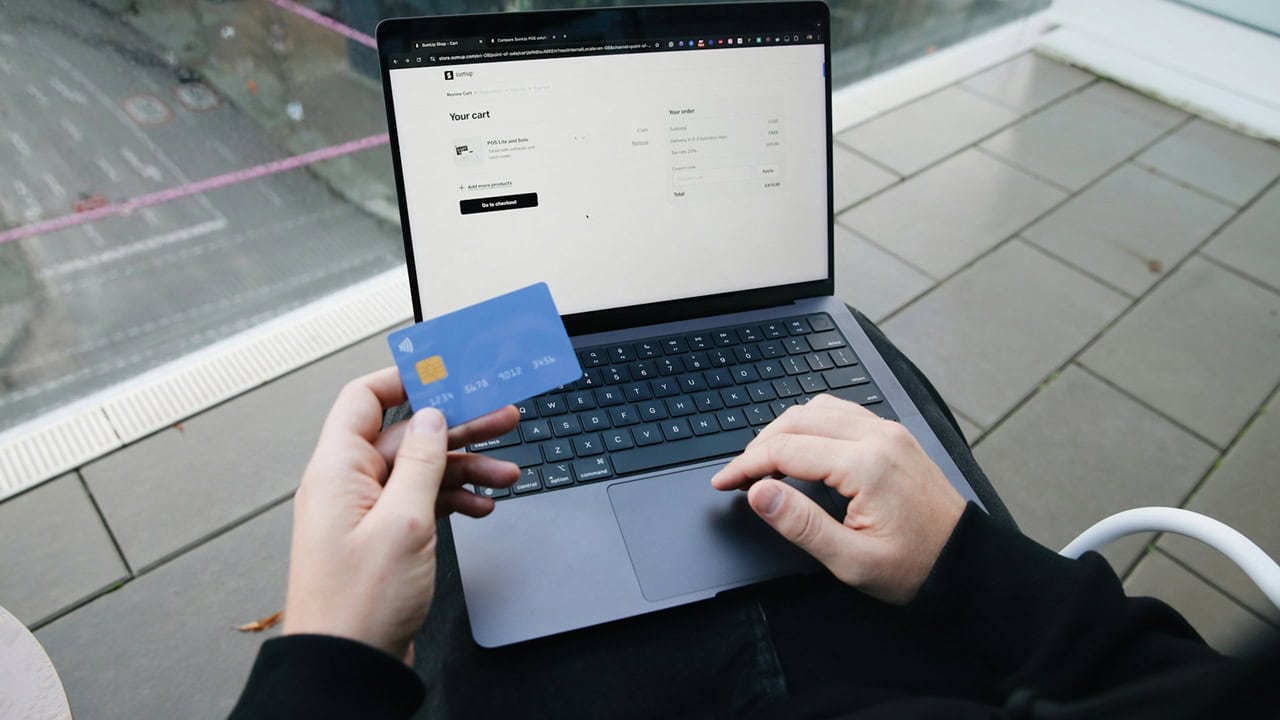
Impulse spending is easier when your phone or laptop has your card info saved. Disabling auto-fill and one-click checkout slows you down long enough to ask, "Do I really need this?" That pause saved you more than once in just a few days.
By the end of the week, you'd stopped yourself from making three unnecessary purchases-around $70 total. It wasn't about never buying anything again. It was about breaking that automatic habit. And the second it got harder to check out, you stopped caring as much about hitting "buy."
Planning Dinners Ahead
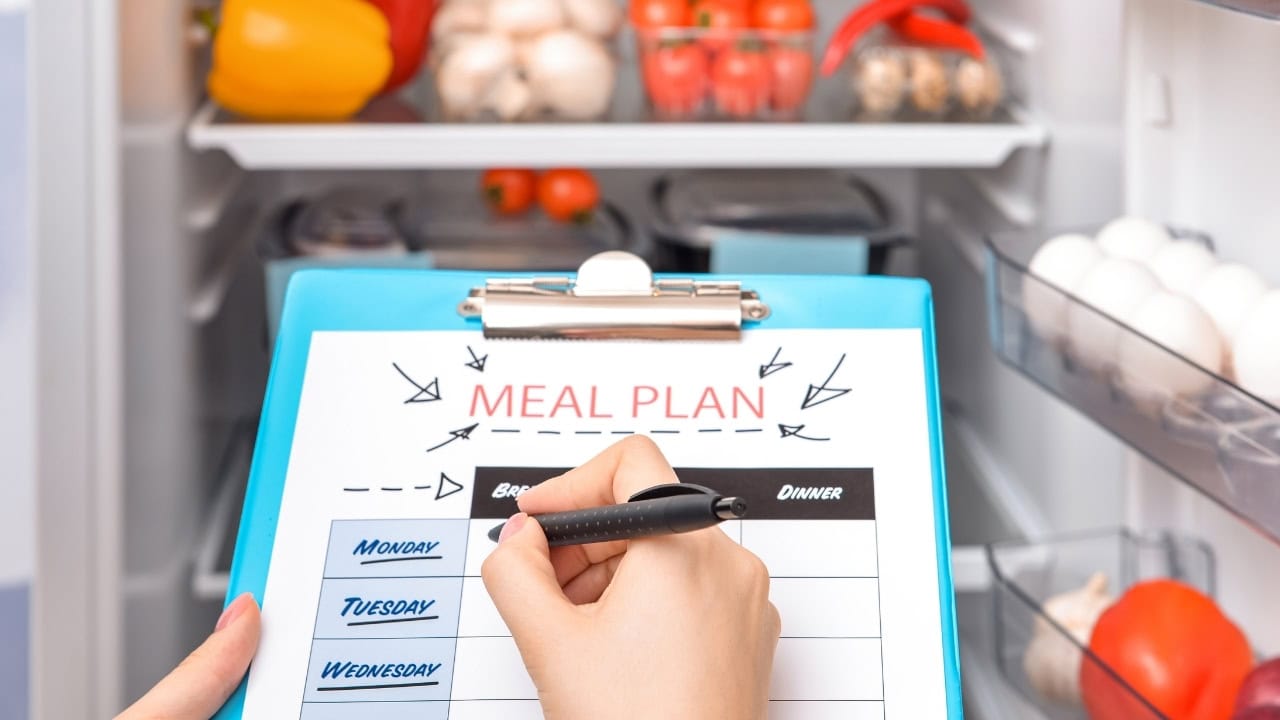
Meal planning used to sound like something for super-organized people. But one week of planning out dinners made your grocery trip faster, your fridge less wasteful, and your budget tighter. You didn't wing it, so you didn't overspend.
That week, you skipped the midweek store run and saved around $30 you'd normally blow on last-minute "fill-ins." The meals were still easy-nothing fancy. You just knew what you were making and stuck to it. Turns out, that kind of intention adds up fast.
Canceling a Trial Before It Charges

You signed up for a free trial and actually set a reminder to cancel it-something most people forget to do. Instead of getting hit with a $12.99 or $19.99 charge, you stopped it in time and kept your money.
Doing this even once in a week gave you a quick win. When you stack a few of those together across apps, streaming services, or random subscriptions, the savings add up fast. You don't need a spreadsheet-just check what you're "trying" and set one alarm to back out before it costs you.
Sticking to No-Spend Days

Trying three no-spend days in a row made you realize how often you swipe your card without thinking. Gas, coffee, small snacks, and random store stops all went out the window for 72 hours. You didn't suffer-you actually had less stress from fewer decisions.
In three days, you kept around $40 in your account that usually disappears on small stuff. The goal wasn't perfection. It was control. You gave yourself a boundary and followed through. That small mental reset carried over into the rest of the week too.
Grocery Shopping Without the Kids

Dragging kids through the store always means adding extra snacks, drinks, or random items you didn't plan on. Shopping alone meant you stuck to your list, avoided distractions, and got out faster.
That week, skipping the "can we get this?" conversations saved around $15-$20. You bought what you needed, skipped what you didn't, and didn't have to bribe anyone with a treat in the checkout line. If you’re trying to cut back fast, solo grocery runs make a big difference.
Using Up What You Already Had
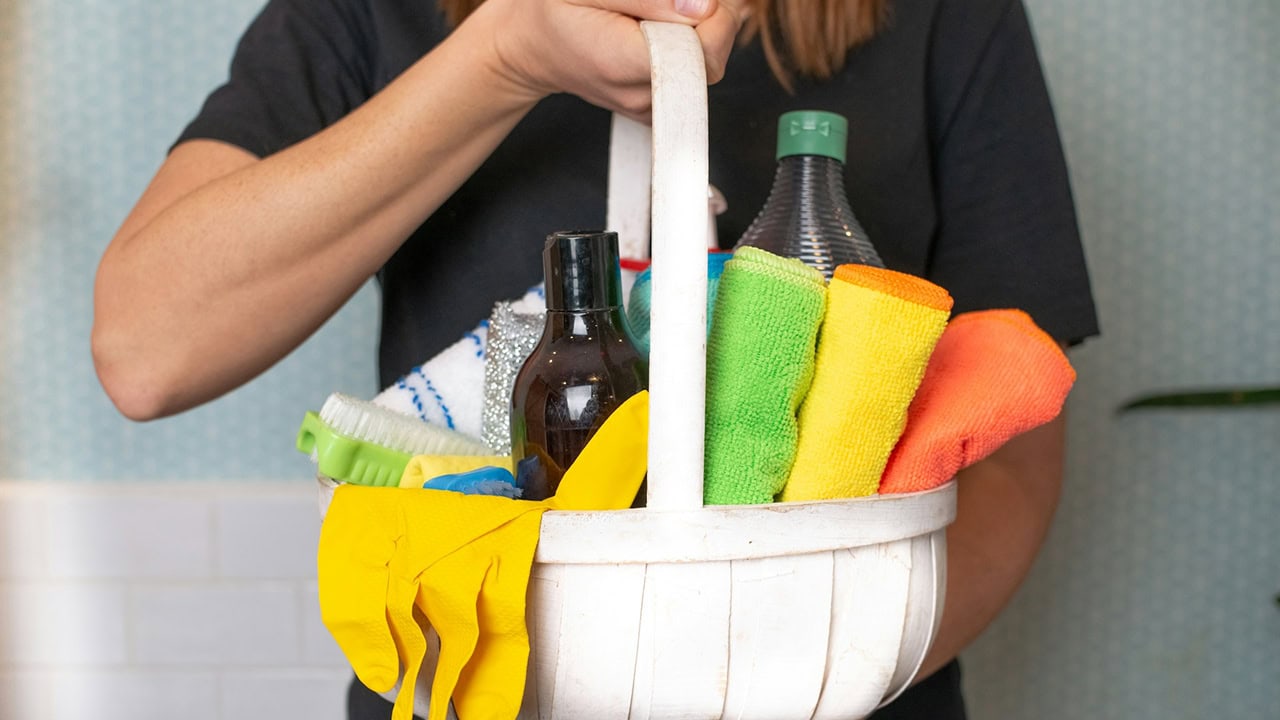
Instead of grabbing new cleaning products, snacks, or toiletries "just in case," you made yourself use what was already in your house. The pantry had more than you thought. So did the bathroom cabinet.
Not buying extras that week saved you at least $30. You didn't run out of anything-you finally used what you'd been ignoring. It's easy to forget that buying in bulk or stocking up only saves money if you actually use it before it expires.
Turning the Thermostat Up Two Degrees
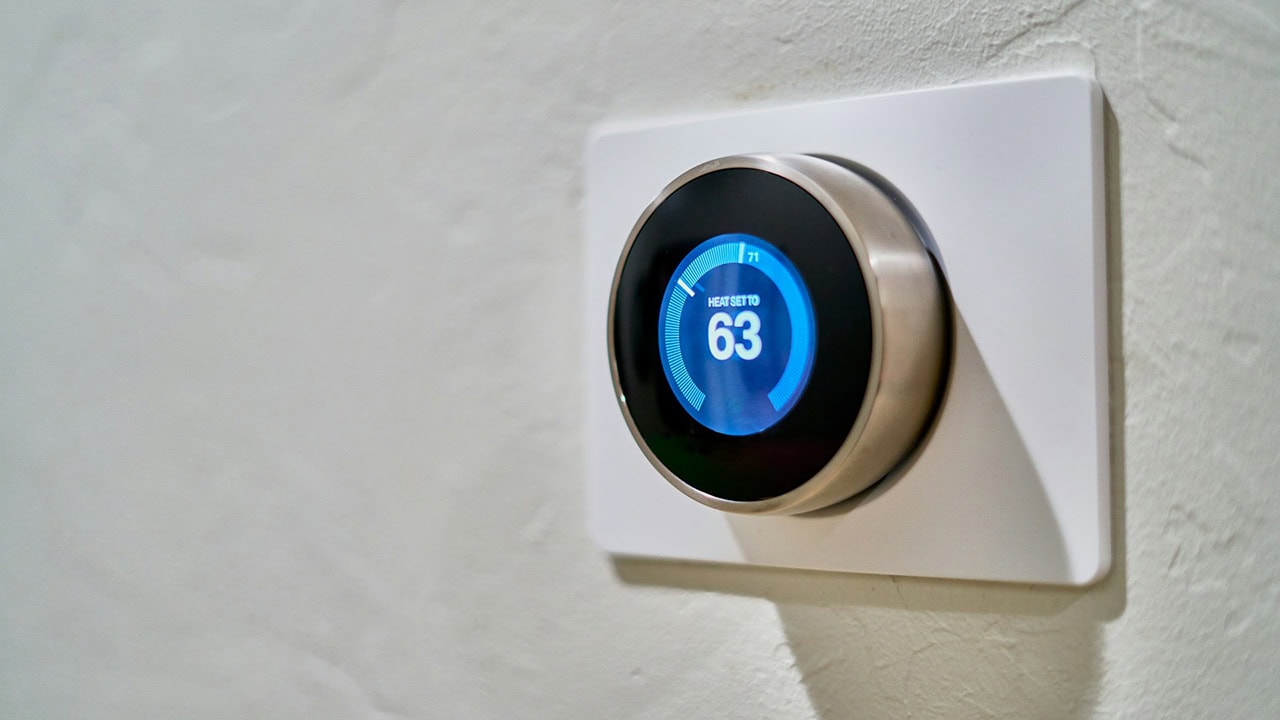
You bumped the thermostat up just two degrees and turned on fans instead. It didn't make the house uncomfortable, and the AC didn't kick on nearly as often. Energy use dropped, and your daily usage reports showed it clearly.
In just one week, you shaved about $10-$12 off what your electric bill would've been. It's a small shift, but it takes zero effort to maintain. If you're running central air, that minor change compounds into serious savings all season long.
Bringing Your Own Snacks and Water
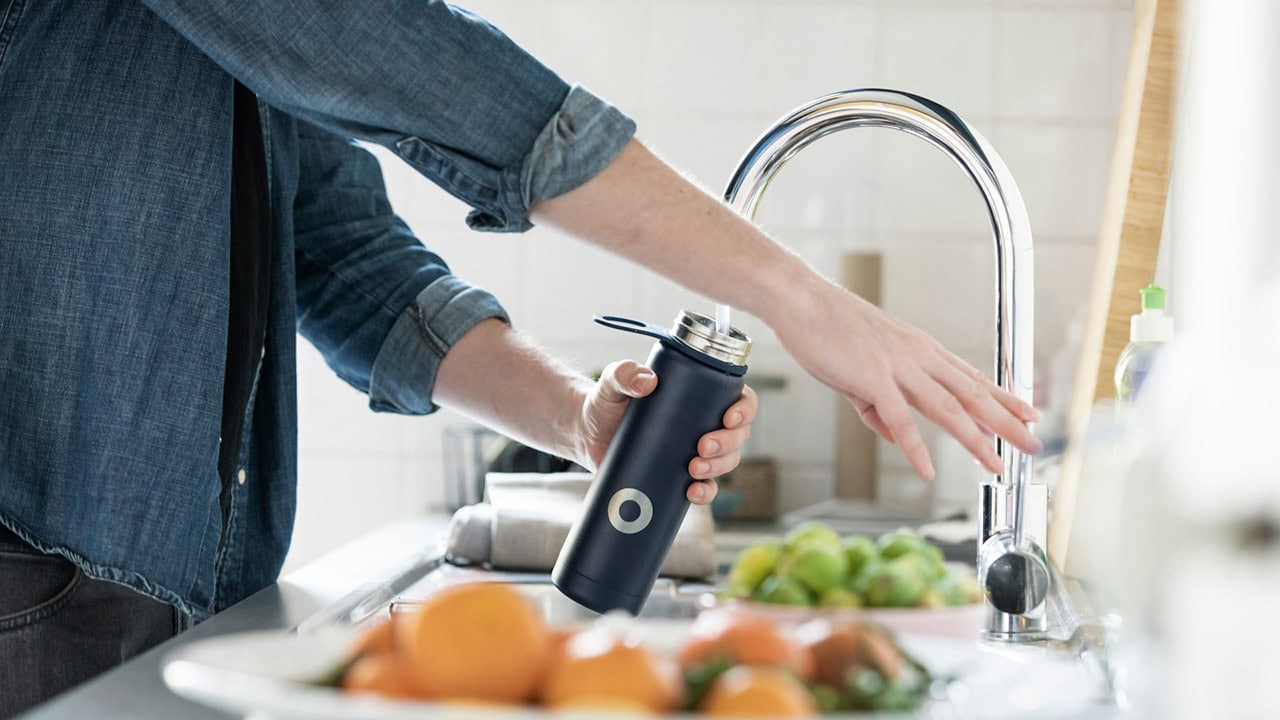
You started packing snacks and a water bottle instead of buying them on the go. Between kids, errands, and long afternoons out, you'd normally spend $2-$10 without thinking.
This small switch kept about $20 in your wallet that week. You didn't feel like you were sacrificing-you were just prepared. And when the toddler meltdown or the 3 p.m. hunger hit, you already had a solution. Less money out and fewer tantrums? Win-win.
Skipping the Weekly Car Wash

You said no to your usual drive-thru car wash and did it yourself in the driveway with what you already had. It took less time than driving across town and saved you $15 right off the bat.
Even if you only skip one professional wash per week, you're still putting $60 back into your budget every month. Your car still looks clean, and the results were better than you expected. This is one of those swaps that's easy to keep going once you try it.
*This article was developed with AI-powered tools and has been carefully reviewed by our editors.






Leave a Reply