
10 things that help me sleep better without spending a dime
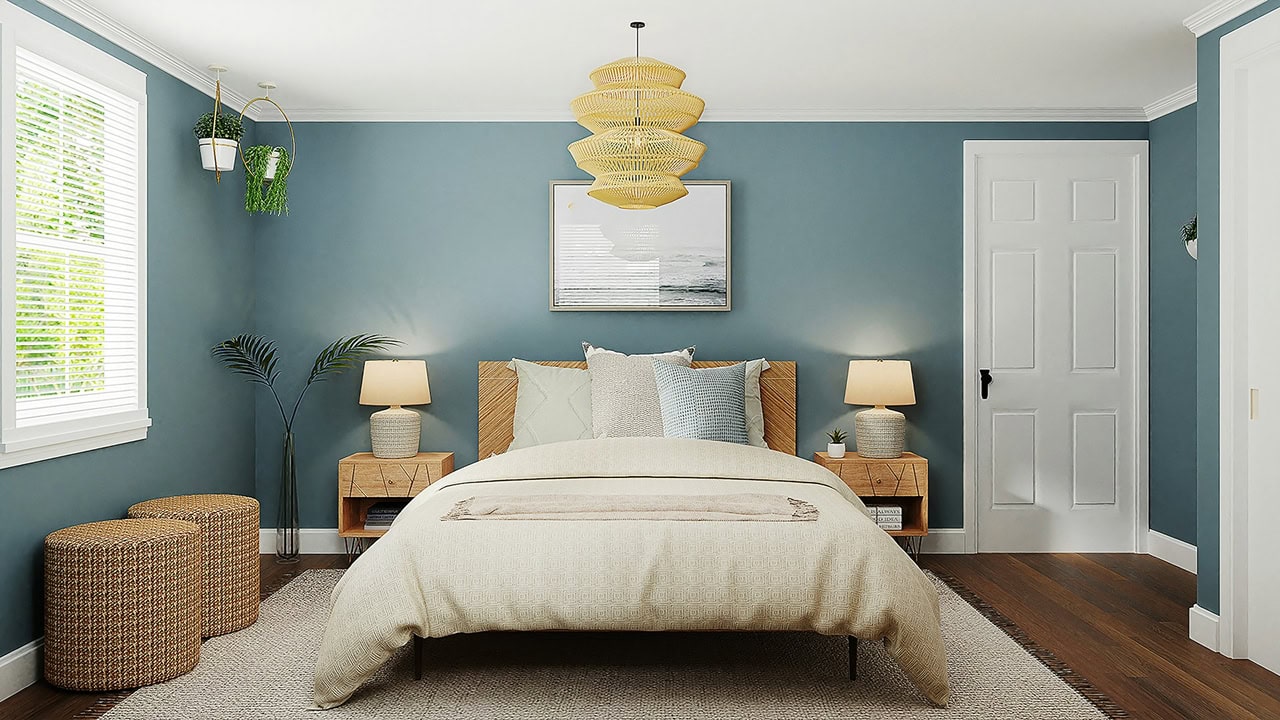
Better sleep doesn't always mean buying supplements, blackout curtains, or fancy gadgets. A lot of what affects your sleep comes down to habits-what your brain associates with winding down, how your body responds to light and movement, and how overstimulated you are when you hit the pillow.
If your sleep's been off, these are the kinds of free changes that can actually help you settle in faster and wake up feeling more rested. None of them cost a dime, and they're all things you can start today.
Turning Off the Big Lights an Hour Before Bed

Flipping off the overhead lights and using smaller lamps instead helps your brain register that the day is slowing down. It's a quiet cue to your body that bedtime's coming.
Bright lighting keeps you alert longer than you think, and most of us don't realize how much it messes with our natural rhythm. Softer light gets your brain on board with rest before you even hit the pillow.
Keeping My Phone Out of Reach
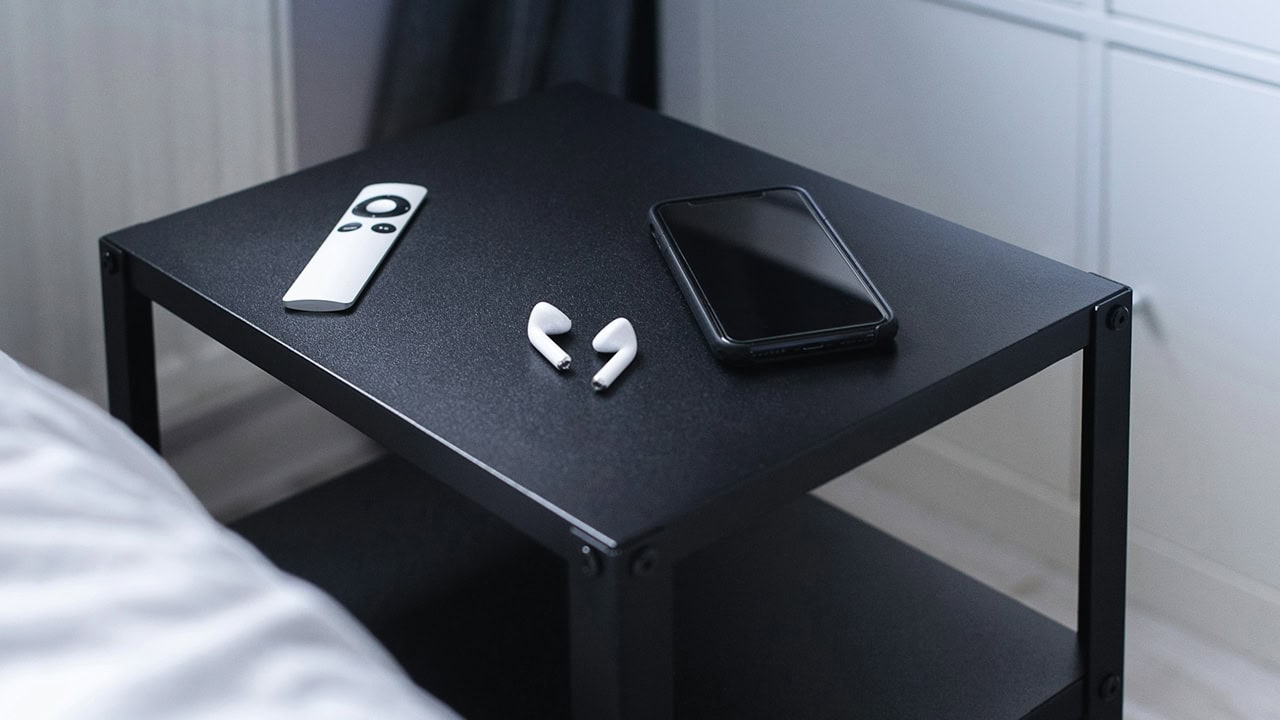
If your phone's within reach, it's way too easy to scroll for an hour without meaning to. Putting it across the room makes you more likely to stop checking it once you’re in bed.
Even if you're "just checking one thing," that light and motion keep your brain active. Creating distance helps you stay off it and fall asleep faster without the mental clutter.
Taking a Hot Shower Before Bed
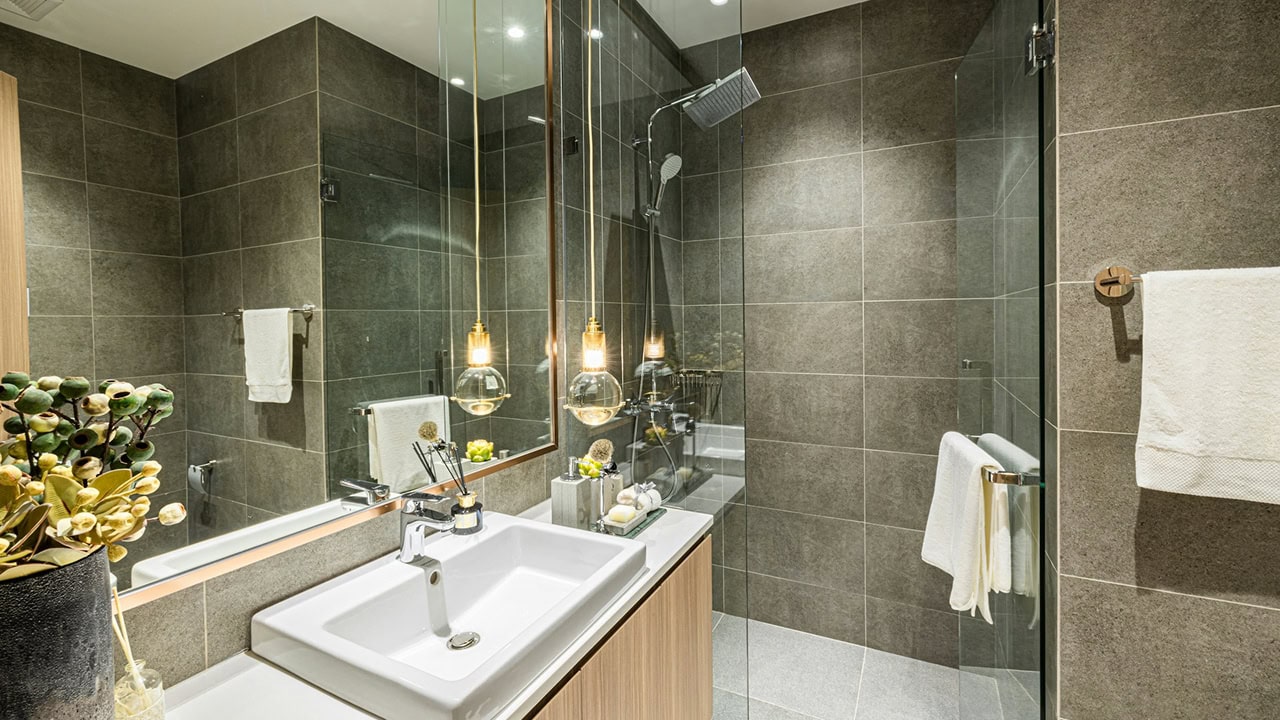
A hot shower helps your muscles release tension and gives your body a clean break between the day and night. It's not just hygiene-it's a reset.
As your body cools down afterward, it actually helps signal to your brain that it's time to wind down. That drop in body temperature is part of what preps you for deeper sleep.
Giving Myself 10 Minutes of Quiet
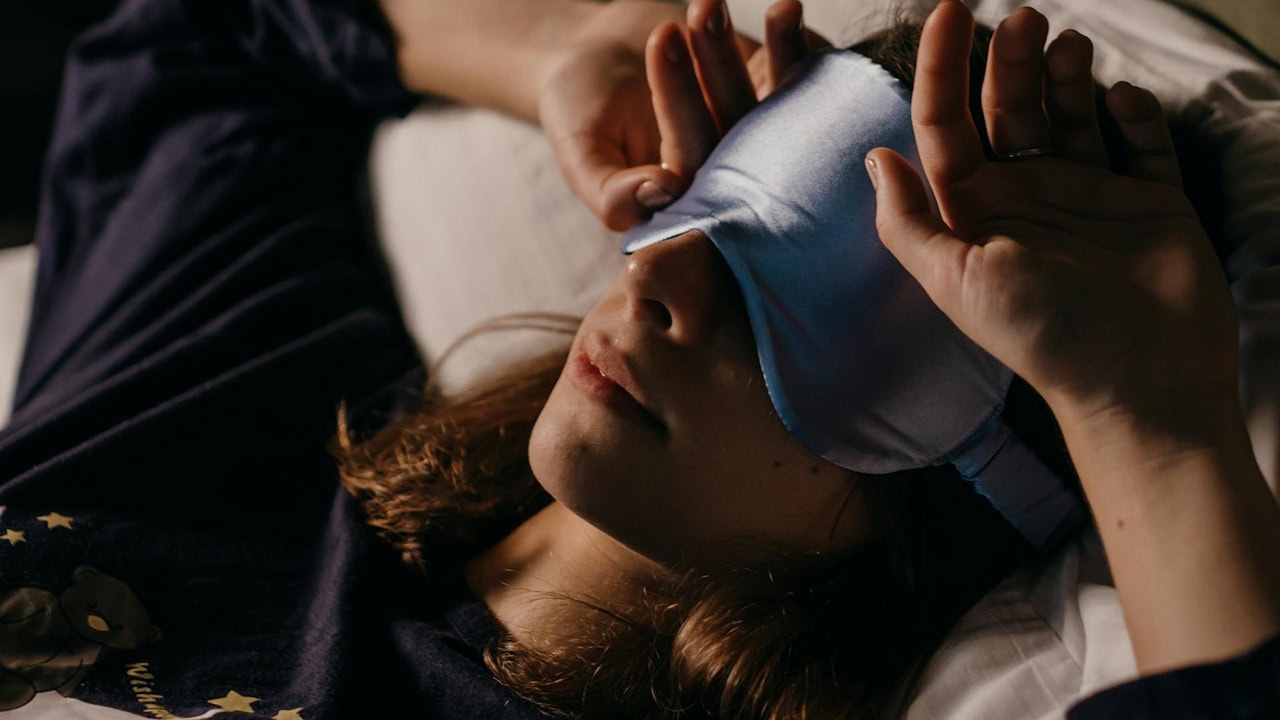
It doesn't have to be meditation. It can be sitting in silence, turning off music, or closing your eyes before getting in bed. Just let the stimulation stop for a few minutes.
Even if the day was nonstop, this gives your brain a chance to shift gears. That space between chaos and sleep matters more than we think-and it doesn't cost anything to protect it.
Writing a Quick Brain Dump

If your brain won't quit when your head hits the pillow, write it all out. You don't need a journal. Grab a sticky note or scrap paper and empty your thoughts.
This isn't about deep reflection. It's about getting the noise out of your head so it doesn't follow you into sleep. Even two minutes of writing can make a huge difference.
Making the Bed in the Morning

A made bed makes it easier to want to crawl in at night. It feels cleaner, calmer, and like a place that's ready for rest-not chaos.
It only takes a minute or two, but it pays off when your brain sees the bed as a signal to relax, not a continuation of the day's mess.
Wearing Actual Pajamas
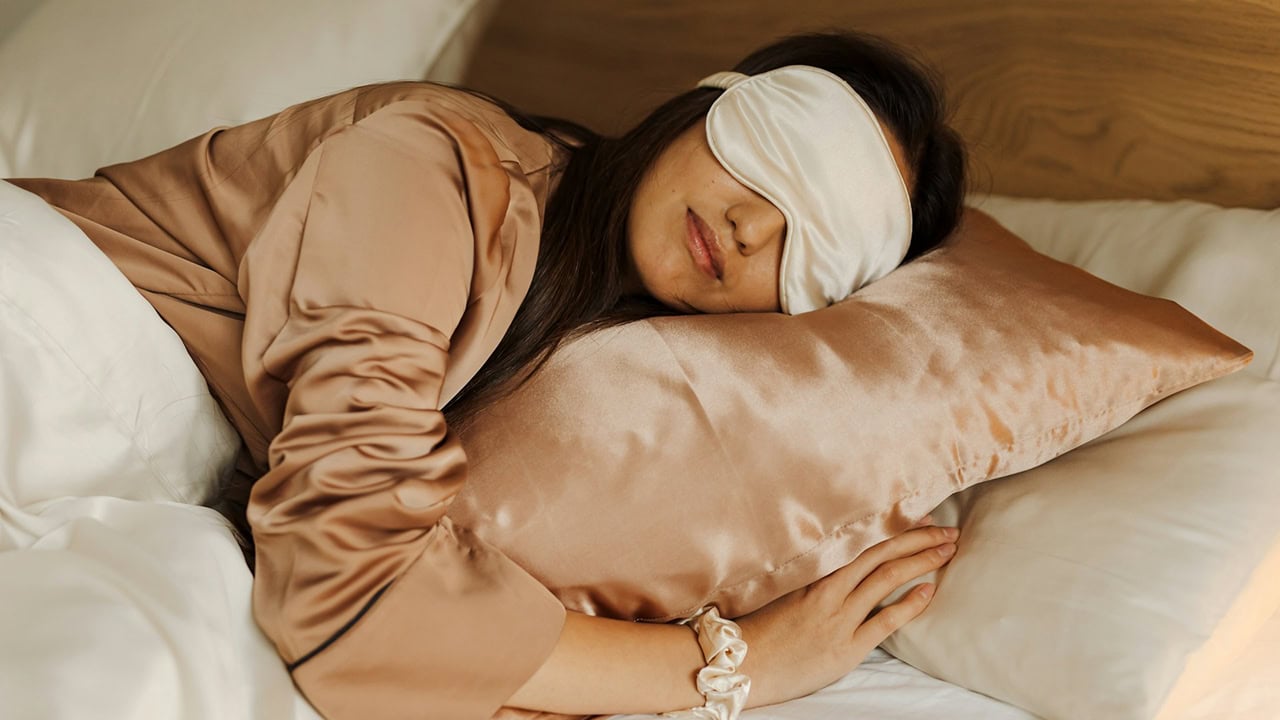
Changing into real pajamas-even if they're old-helps you separate the day from the night. Your body gets used to the routine and starts linking that change with rest.
You're telling your brain, "We're done now." It's a small physical shift that helps cue the mental one, and it works better when it's consistent.
Avoiding Caffeine After Midday
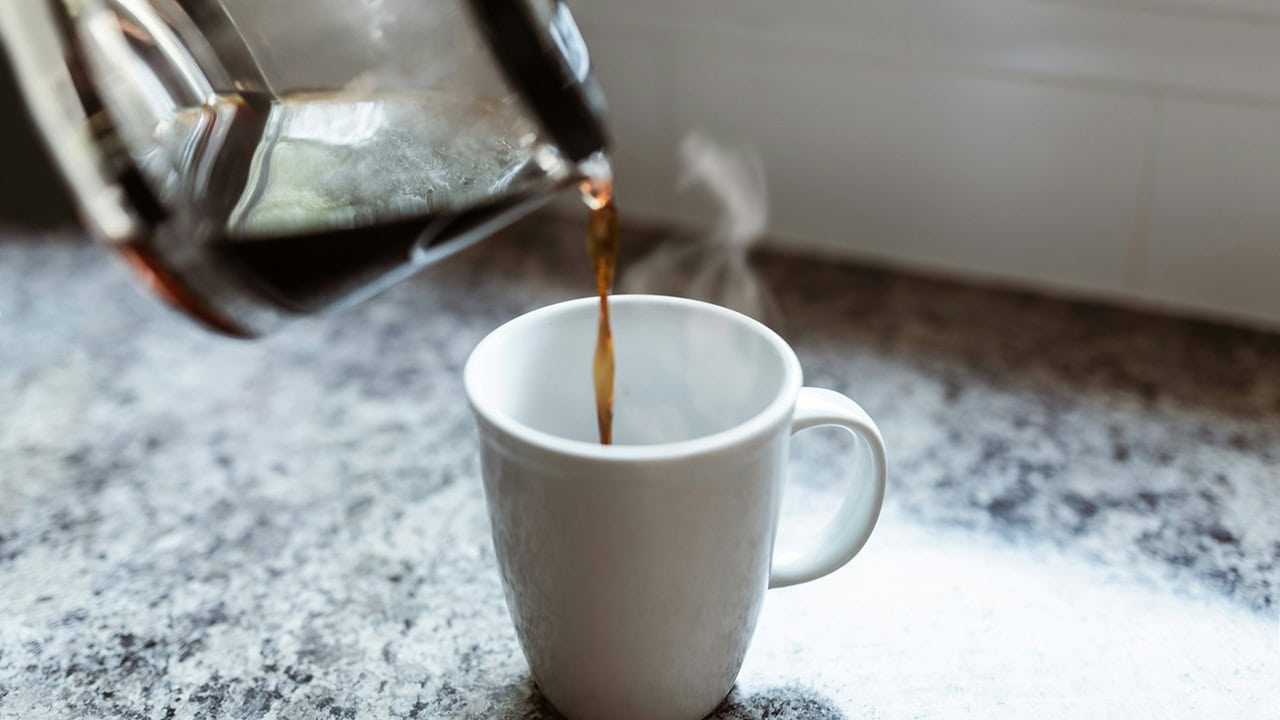
Even if you think caffeine doesn't affect you, it probably is. Cutting it off after lunch gives your body a better shot at winding down on its own later.
You don't have to ditch it completely. But if sleep's been off, this is a free change that often makes a bigger impact than people expect.
Keeping a Consistent Bedtime
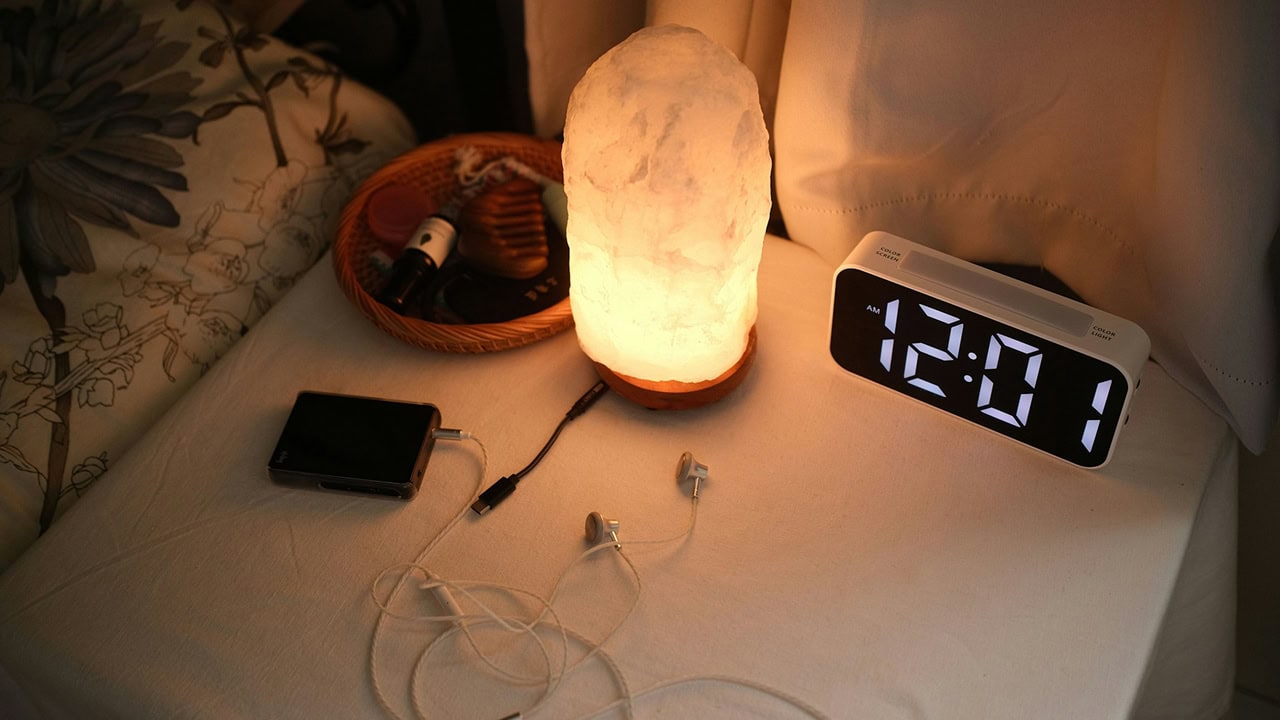
Going to bed around the same time every night-even on weekends-trains your body to settle down faster. You stop fighting your own internal clock.
You don't have to be perfect. But aiming for the same hour gives your brain a rhythm it can rely on, and that predictability helps you fall asleep easier.
Not Finishing the Day in Bed
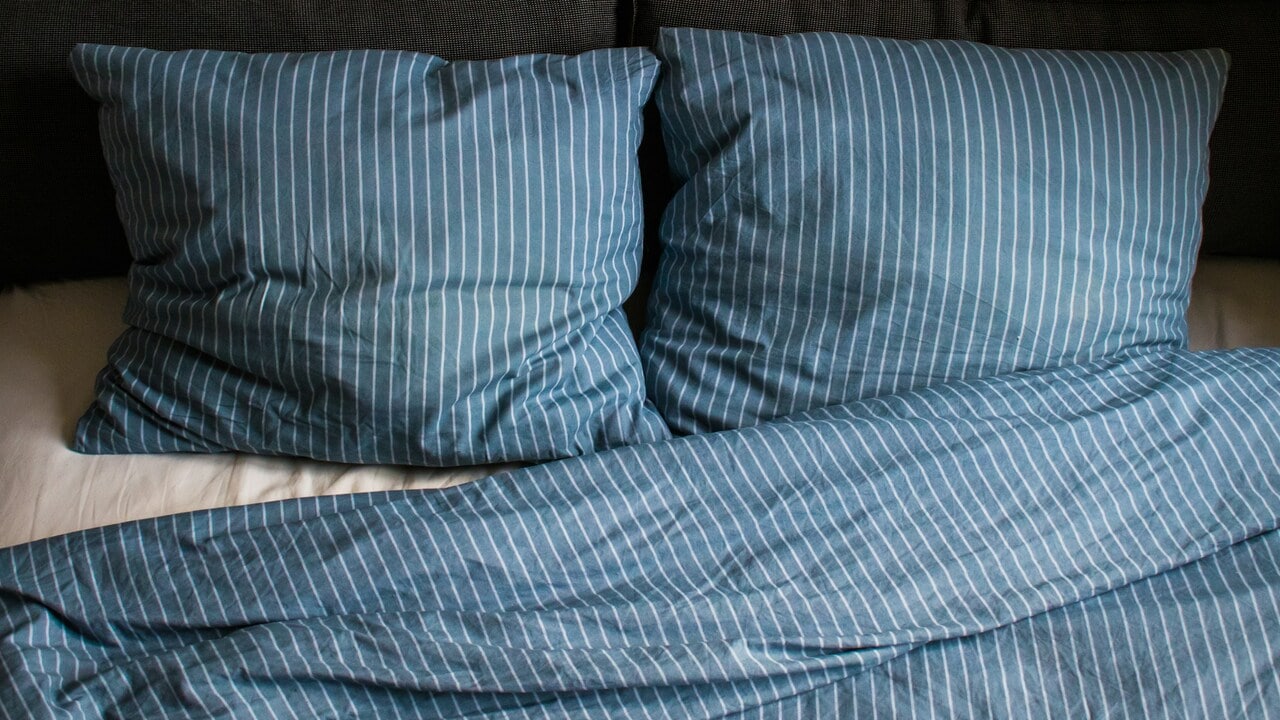
When you scroll, eat, or finish work in bed, you train your brain to see it as a place of stimulation instead of rest. That makes it harder to wind down later.
Keeping your bed for sleep only helps your brain switch gears faster at night. If you cut out the multitasking, you'll likely fall asleep quicker without needing anything new.
*This article was developed with AI-powered tools and has been carefully reviewed by our editors.






Leave a Reply