
10 things that add $100 to your grocery bill every month
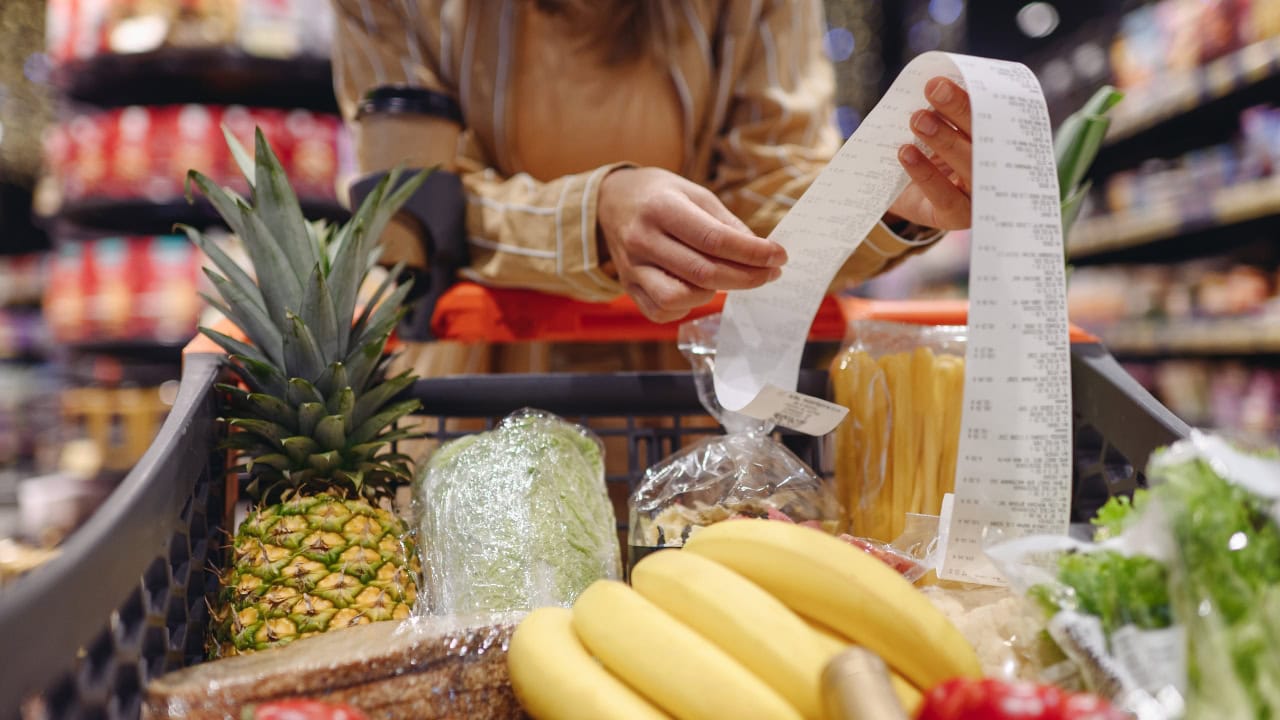
Grocery prices are creeping higher, and even when you think you're doing everything right, the total at checkout can be brutal. A lot of the extra spending comes from small habits that add up fast.
It's not always about buying steak and fancy cheese-sometimes it's everyday stuff like convenience, lack of planning, or brand loyalty that quietly tacks $100 onto your bill. Once you spot the patterns, it's a lot easier to rein it in without feeling like you’re living off rice and beans.
Buying Pre-Cut Produce
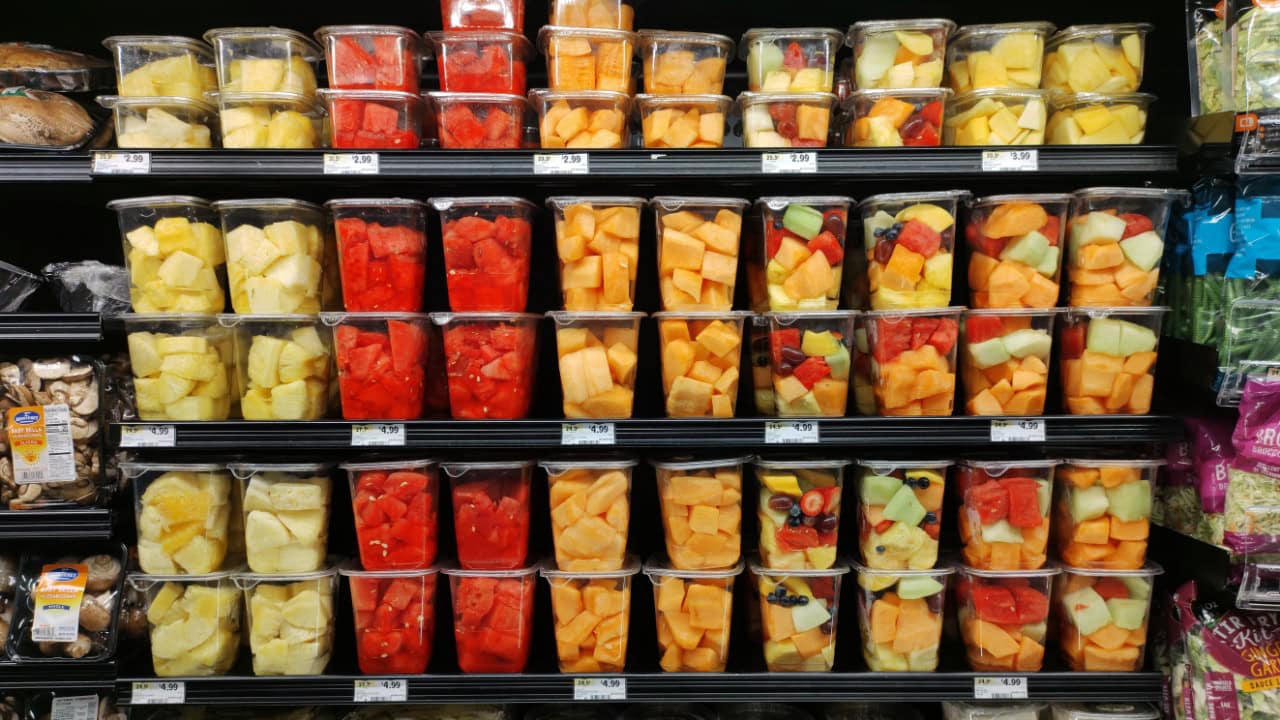
You might think pre-cut fruits and vegetables are saving you time, but you're paying a premium for someone else's knife work. A container of pre-chopped onions can cost double or even triple what a whole onion costs.
It adds up faster than you'd expect, especially if you're reaching for pre-sliced apples, bagged salad mixes, or veggie trays every week. You can save serious money just by grabbing whole produce and doing the prep at home.
Grabbing Meals Instead of Ingredients
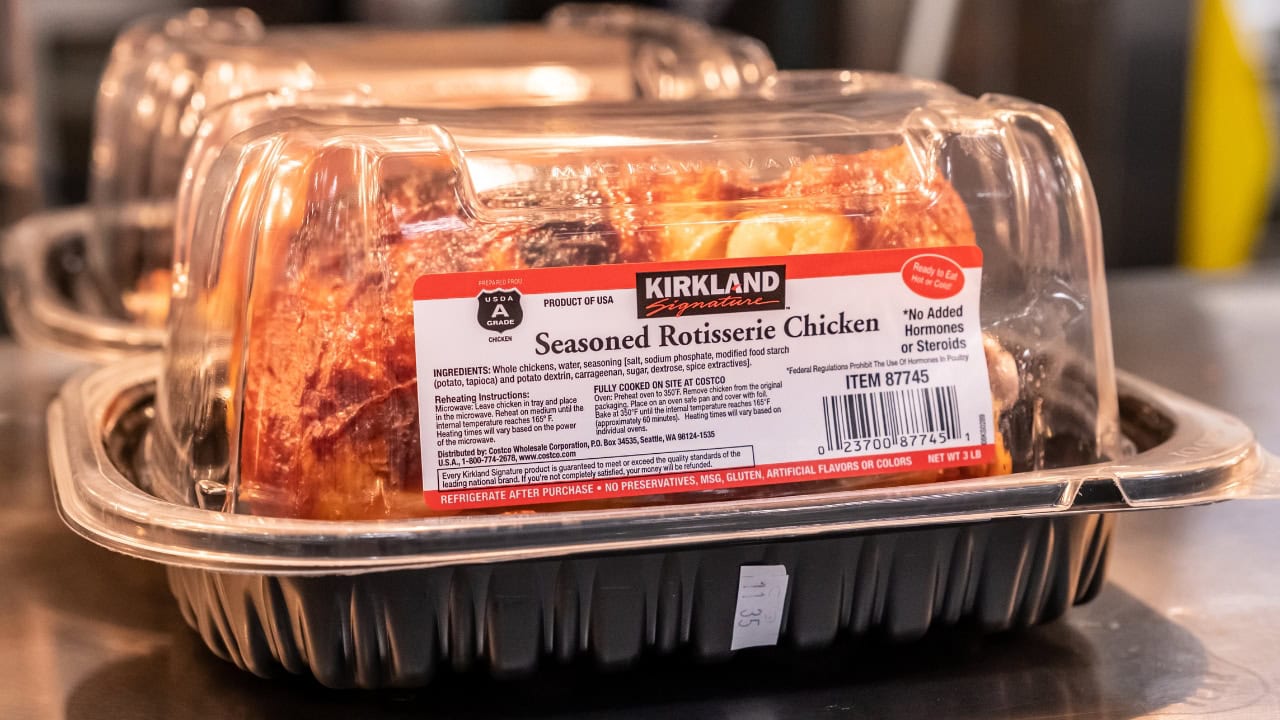
It's tempting to throw ready-made meals in your cart when you’re busy or tired. But those frozen lasagnas, rotisserie chickens, and grab-and-go lunches are usually marked up significantly compared to what it costs to make them yourself.
Even a few convenience meals a week can spike your grocery total. If you plan ahead and prep a couple of easy meals in batches, you'll spend less without having to cook every single night.
Shopping Without a List
Walking into the store without a plan is basically asking to overspend. You end up tossing in things you don't need, doubling up on items you already have, or forgetting essentials and making extra trips.
A solid list keeps you focused and helps you avoid impulse buys. It also helps you stay within a weekly grocery budget since you're more likely to prioritize what you actually need.
Choosing Name Brands by Default

There are some name-brand products that are worth the extra, but not everything in your cart needs a label. In most cases, store brands are made by the same manufacturers and perform just as well-sometimes better.
Swapping out even half your typical brand-name picks for store versions can shave $15-20 off each trip. Over the course of a month, that's a big chunk of that $100 gone without any real sacrifice.
Letting Coupons and Deals Drive the Trip

It's easy to get pulled into sales and digital coupons that look like they're saving you money-but only if you were going to buy the item anyway. Grabbing stuff just because it's "Buy 2, Get 1 Free" can trick you into overbuying.
Those savings only count if the item was already on your list. Otherwise, you're spending more overall, even if the per-unit cost is technically lower.
Not Checking the Unit Price
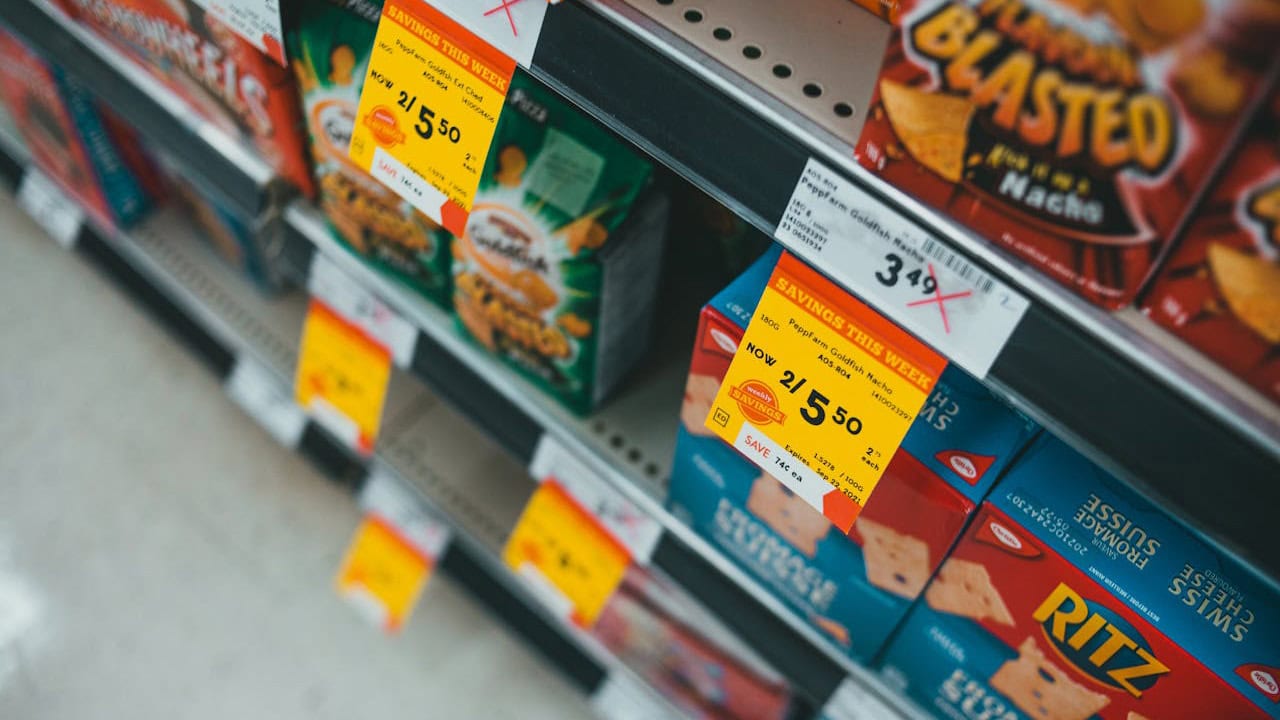
That big box might look like a better deal, but unless you're checking the unit price, you don't really know. Sometimes the "value size" is actually more expensive per ounce than a smaller option.
Most stores post the price per unit on the shelf label-use it. It's one of the easiest ways to catch hidden markups and stop assuming bigger means cheaper.
Buying Too Much Fresh Food at Once
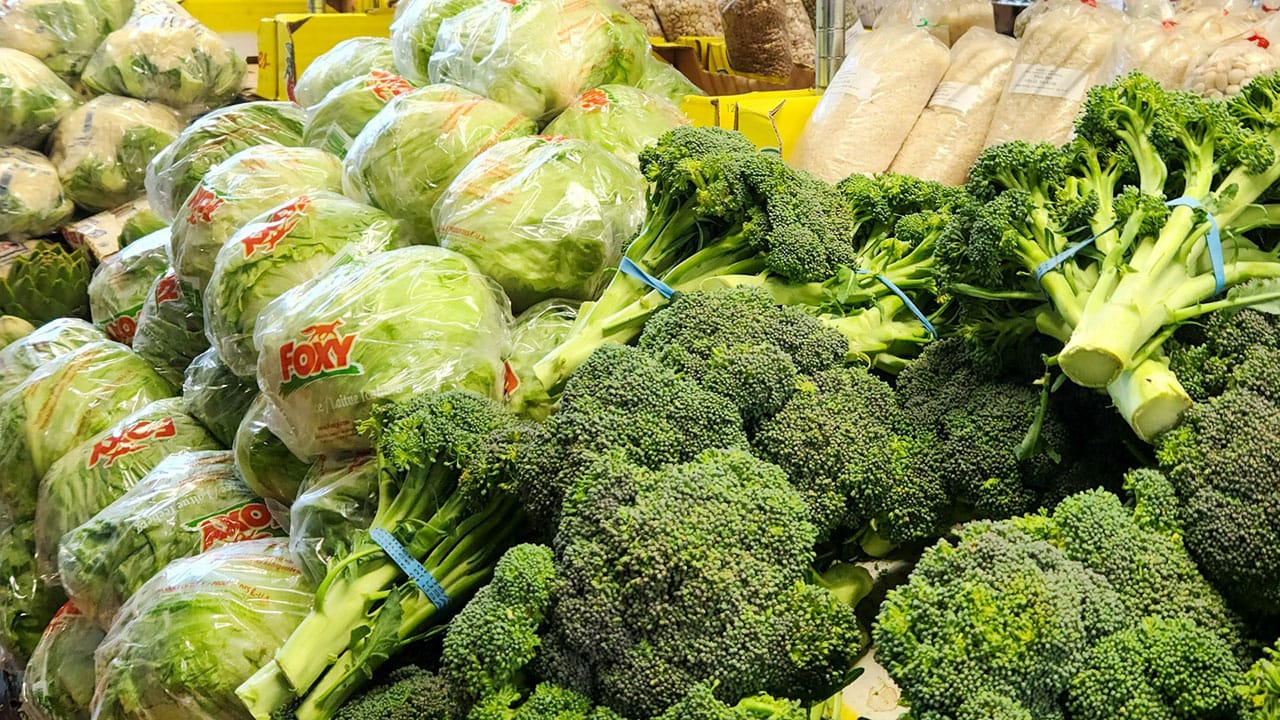
Stocking up on fresh produce and dairy can feel like you're doing something healthy, but if you can't eat it before it spoils, you're literally throwing money away. That weekly clean-out of wilted spinach and moldy strawberries adds up.
You're better off buying smaller quantities more frequently or freezing portions you won't get to in time. Less waste means more of your grocery money actually goes to feeding your family.
Letting Snacks Take Over the Cart

Snack foods are one of the sneakiest budget killers. Chips, granola bars, fruit snacks, and frozen treats seem affordable in the moment, but they're usually overpriced and disappear quickly.
If every grocery trip includes multiple boxes of snacks, you're probably spending $20-30 more than you need to. Limiting snacks or making your own can free up more room in the budget for real food.
Shopping at the Wrong Store for Basics
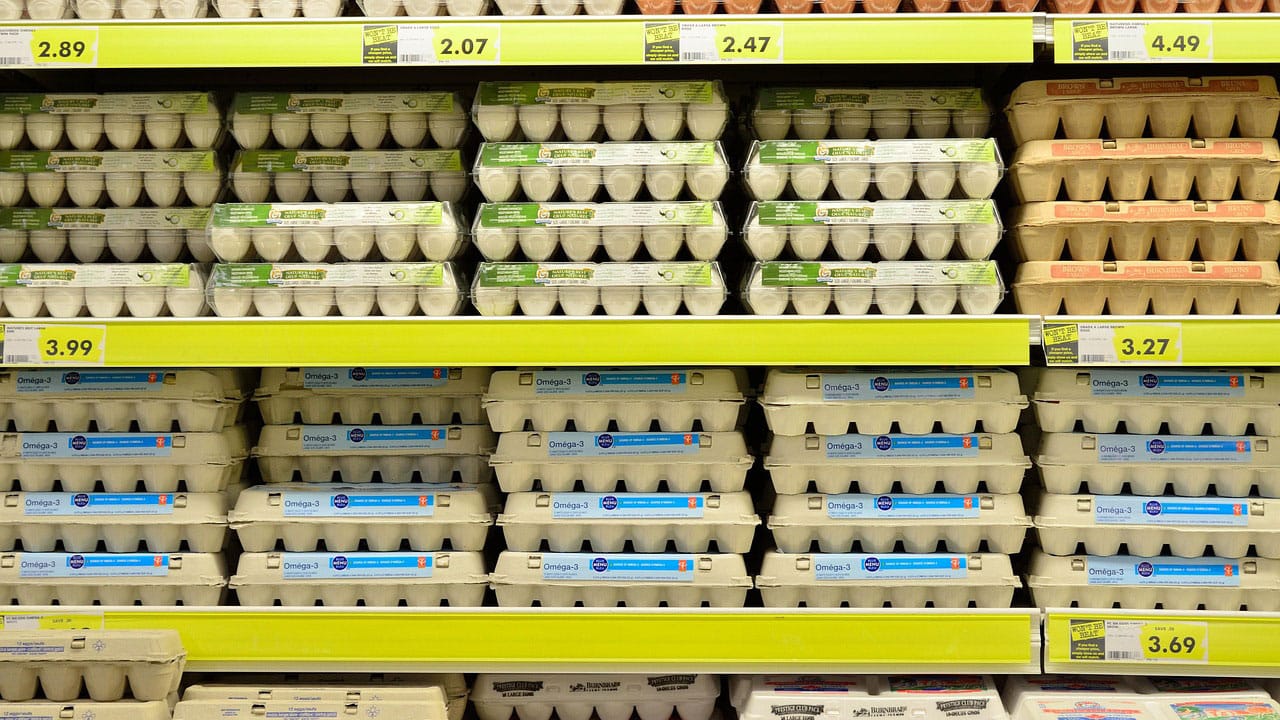
Some stores mark up pantry staples, meat, and dairy way higher than others. If your go-to grocery store is more upscale, you’re probably paying more than necessary for basic ingredients.
A quick price comparison on items like eggs, butter, and rice can show you where to grab essentials for less. Even switching stores for part of your shopping can knock a chunk off your monthly total.
Forgetting to Use What You Already Have
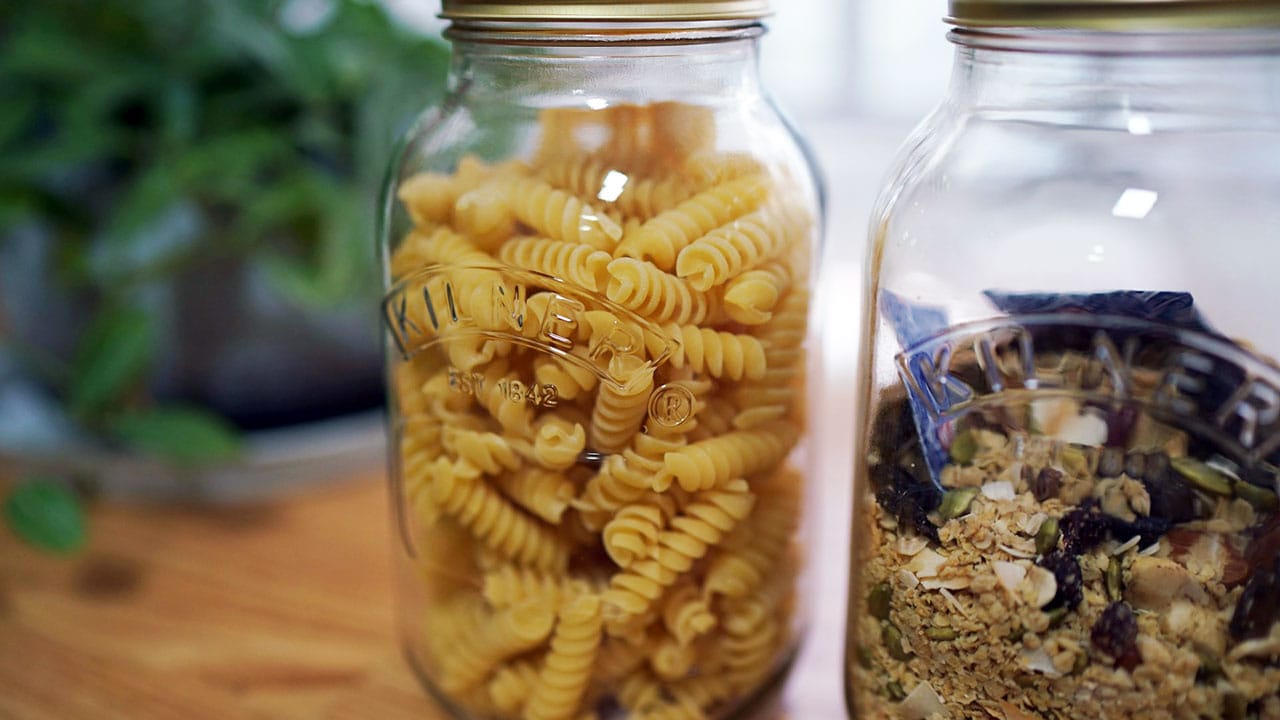
You might be buying things you already have at home without realizing it-like pasta, canned goods, or frozen veggies shoved in the back of the freezer. That habit adds up quickly when you're doubling up out of habit or forgetfulness.
Taking inventory before you shop helps you avoid unnecessary duplicates. Using what's already in your pantry before buying more makes a big difference in keeping your total from creeping up week after week.
*This article was developed with AI-powered tools and has been carefully reviewed by our editors.






Leave a Reply