
10 things poor people buy that keep them poor
When money's tight, it makes sense to look for the cheapest options-but some purchases end up costing more in the long run. The cycle is tough to break: you buy what you can afford now, but those same choices make it harder to build savings or get ahead later.
It's not always about bad decisions-it's often about limited options and short-term survival. But if you can recognize the traps, you can start shifting toward smarter spending that works better long term.
Cheap Furniture That Falls Apart
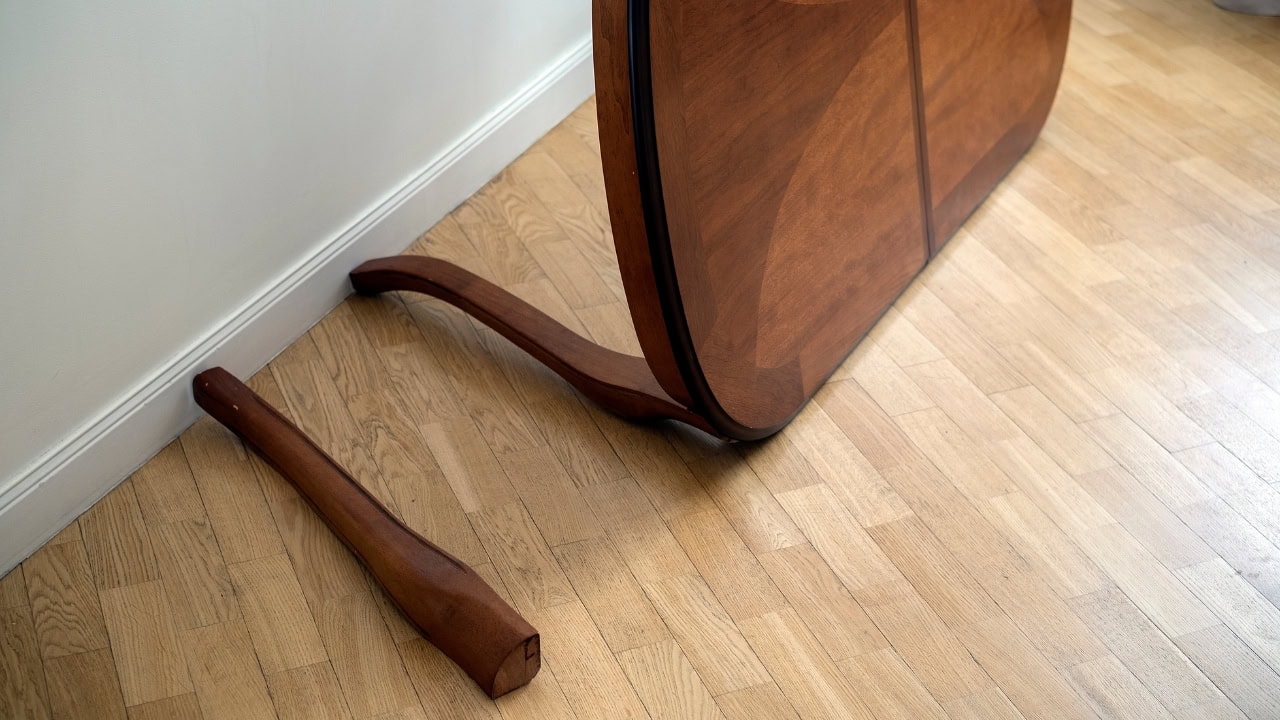
It's tempting to buy the $99 dresser or the wobbly coffee table because that's what fits your budget today. But when it starts falling apart in six months and you're buying a new one again next year, you end up spending more over time.
Paying for quality once-even secondhand-is usually cheaper than replacing junk pieces every year. If you can find solid wood at a thrift store or estate sale, it'll outlast three particleboard versions and save you from spending twice.
Rent-to-Own Deals

Rent-to-own stores market themselves as a solution for people without credit or savings, but they're one of the most expensive ways to get basic stuff. You'll end up paying two to three times the retail price by the time it's all said and done.
The payments seem small and manageable at first, but the terms are where you lose. If you miss one, you could lose everything you've already paid toward it. Saving and buying used is usually a far better option-even if it takes longer.
Fast Food and Convenience Meals
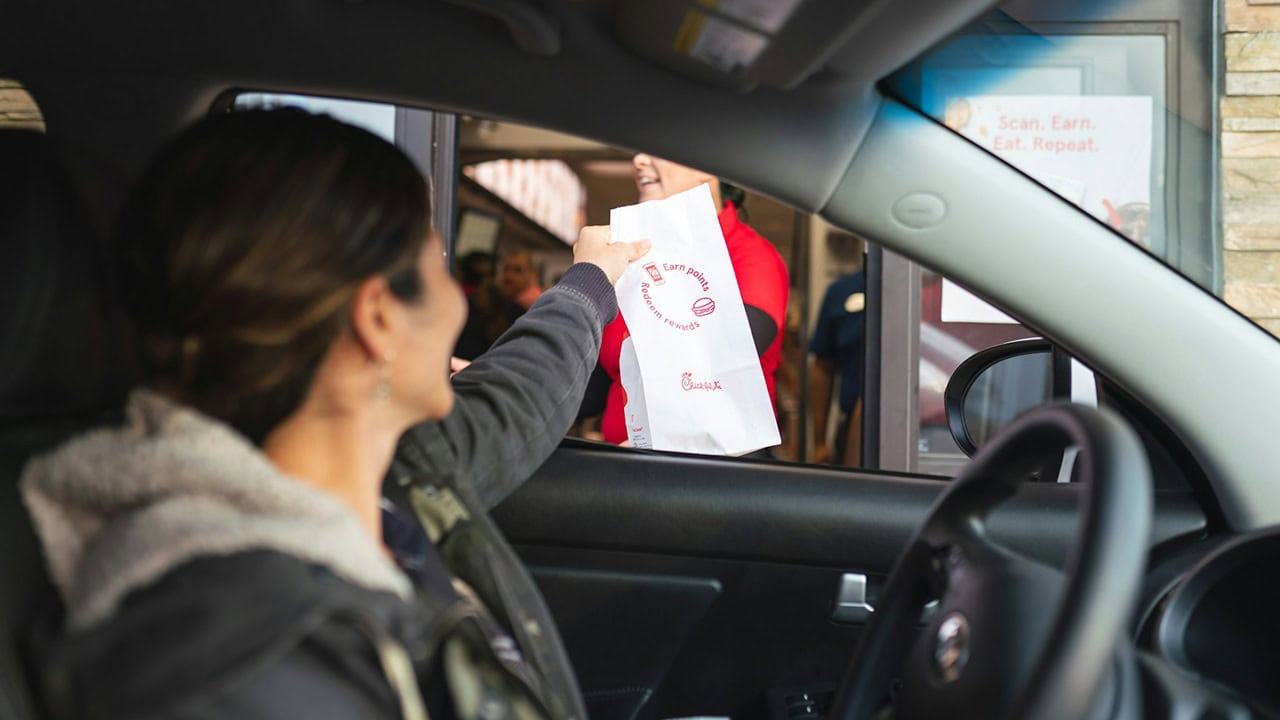
When you're working long hours or juggling kids, fast food can feel like the easiest option. But even small meals add up fast-and you're paying more per calorie than you would for anything you cook at home.
That kind of spending sneaks by because it doesn't feel big in the moment. But if you're dropping $10 a few times a week, it's eating through your budget before you even realize it. Meal planning doesn't have to be perfect, but it'll stretch your money further.
Payday Loans
Payday loans are a trap disguised as a lifeline. They're marketed as a quick fix, but the interest is brutal-often 300% or more when you look at the annual rate. They're designed to keep you stuck.
Most people who take out a payday loan end up needing another one to cover the last. It becomes a revolving door that's nearly impossible to escape. If you're in that cycle, look for community-based alternatives or talk to a credit union about lower-interest options.
Brand-New Cars With Low Monthly Payments

Low monthly payments might seem like a smart move, but dealerships know exactly how to stretch out a loan so you pay way more in the end. A brand-new car loses thousands in value the second you drive it off the lot.
If your goal is to stay out of debt and grow savings, a reliable used car-even an older one in good shape-makes way more sense. You avoid the huge depreciation and the high monthly cost that locks up your income for years.
Cheap Clothing That Doesn't Last
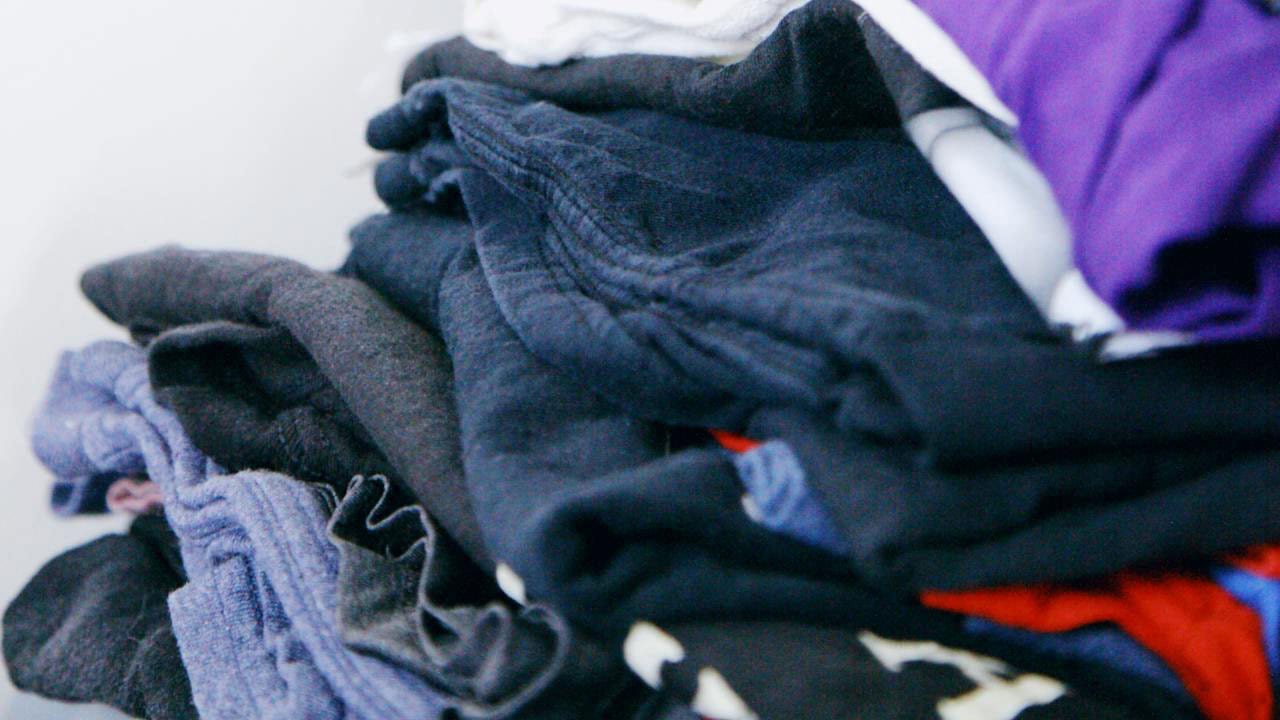
Fast fashion is everywhere, and it's cheap enough to grab a cartful without thinking twice. But poor stitching, weak fabrics, and trendy cuts mean those clothes wear out fast-and you're stuck rebuying them over and over.
Spending a little more upfront (or shopping thrift stores for better brands) gives you clothes that last longer and look better over time. It's one of those areas where fewer quality pieces can save you a lot more than a closet full of throwaways.
Lottery Tickets
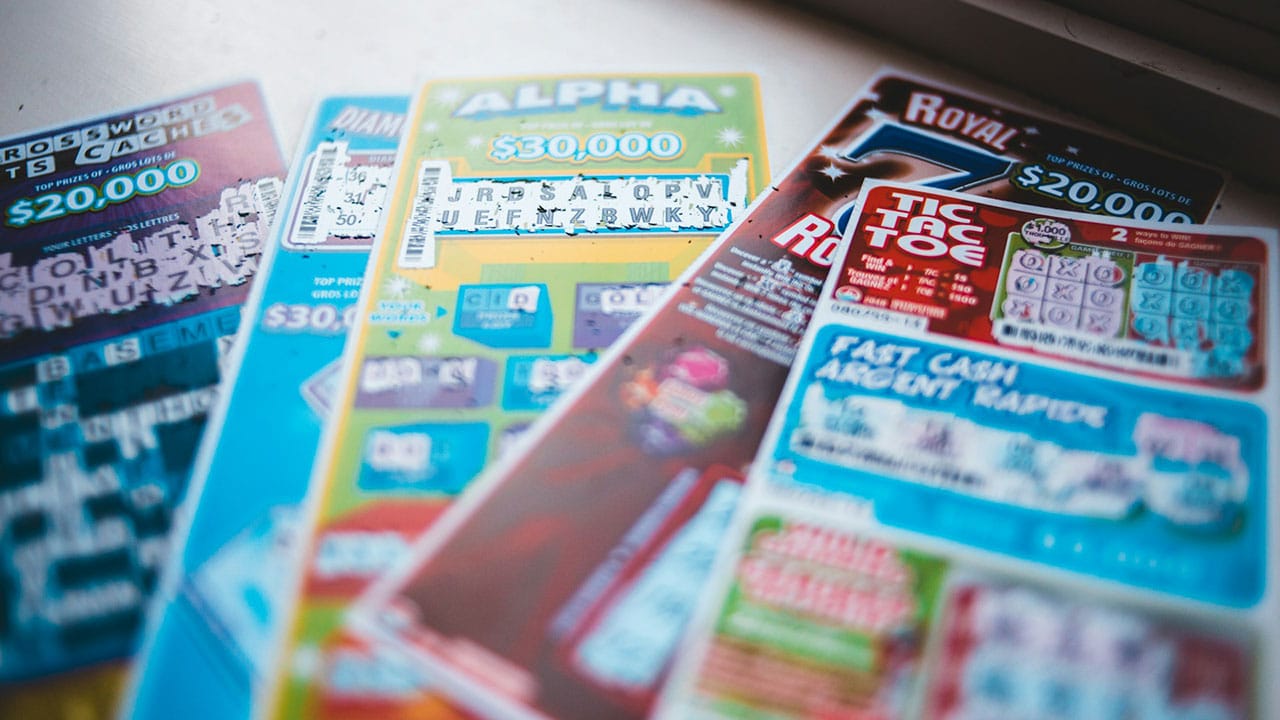
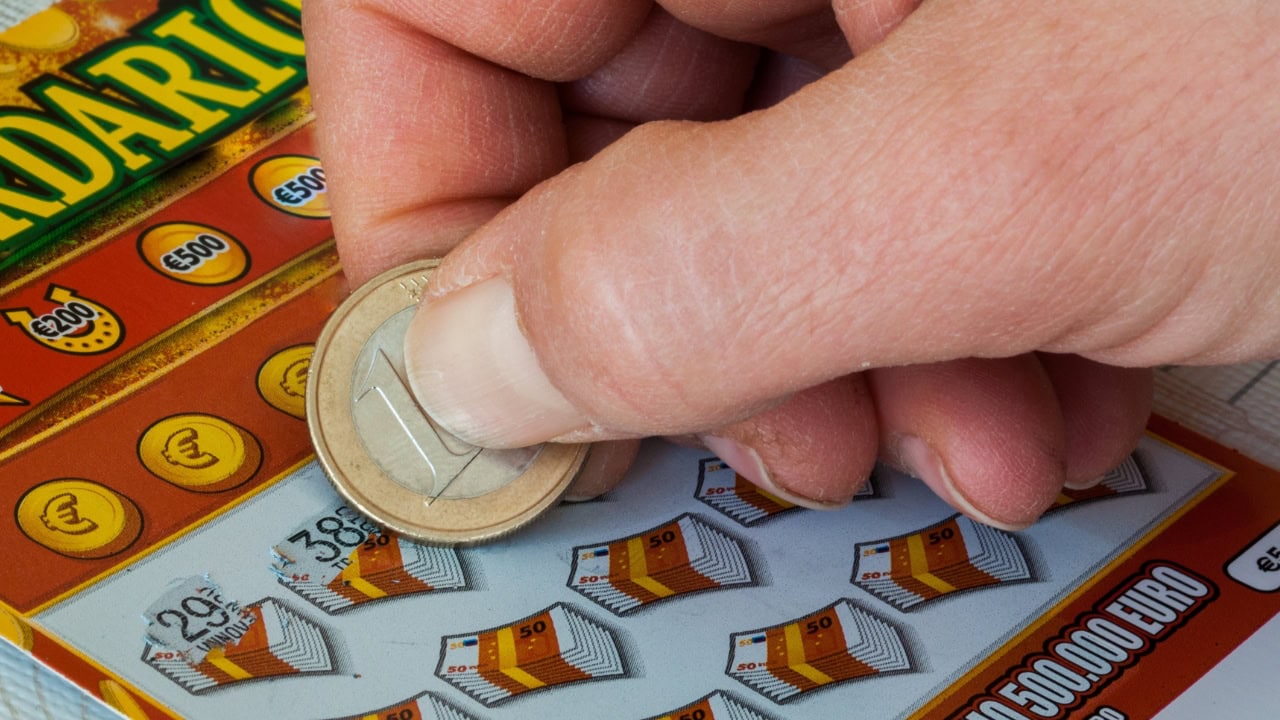
It doesn't feel like a big deal to spend a few bucks on a scratch-off here or there. But for many low-income families, lottery spending adds up to hundreds-even thousands-a year. And the odds of winning? Practically zero.
The problem is it plays into the fantasy that a big break will solve everything. But while you're hoping for a win, that money could've been building an emergency fund or knocking out debt. It's a hard habit to kick, but it's one worth rethinking.
Extended Warranties on Cheap Items

Cashiers push extended warranties hard because they know most people won't use them. And when the item itself is cheap to begin with, the warranty often costs nearly as much as replacing it.
Unless you're covering a major appliance or expensive tech, extended warranties usually aren't worth it. Instead, set that money aside as your own repair or replacement fund. You'll have more flexibility and fewer surprise charges later.
Expensive Cell Phone Plans

A lot of people are still overpaying for big-name carriers when there are cheaper alternatives that use the same towers. If you're paying $100 a month when a $30 plan would work just as well, that's hundreds down the drain every year.
Switching can feel like a hassle, but most prepaid plans offer the same speed, coverage, and perks now-without the contracts. That kind of move frees up cash fast and helps stretch your budget further.
Name-Brand Everything
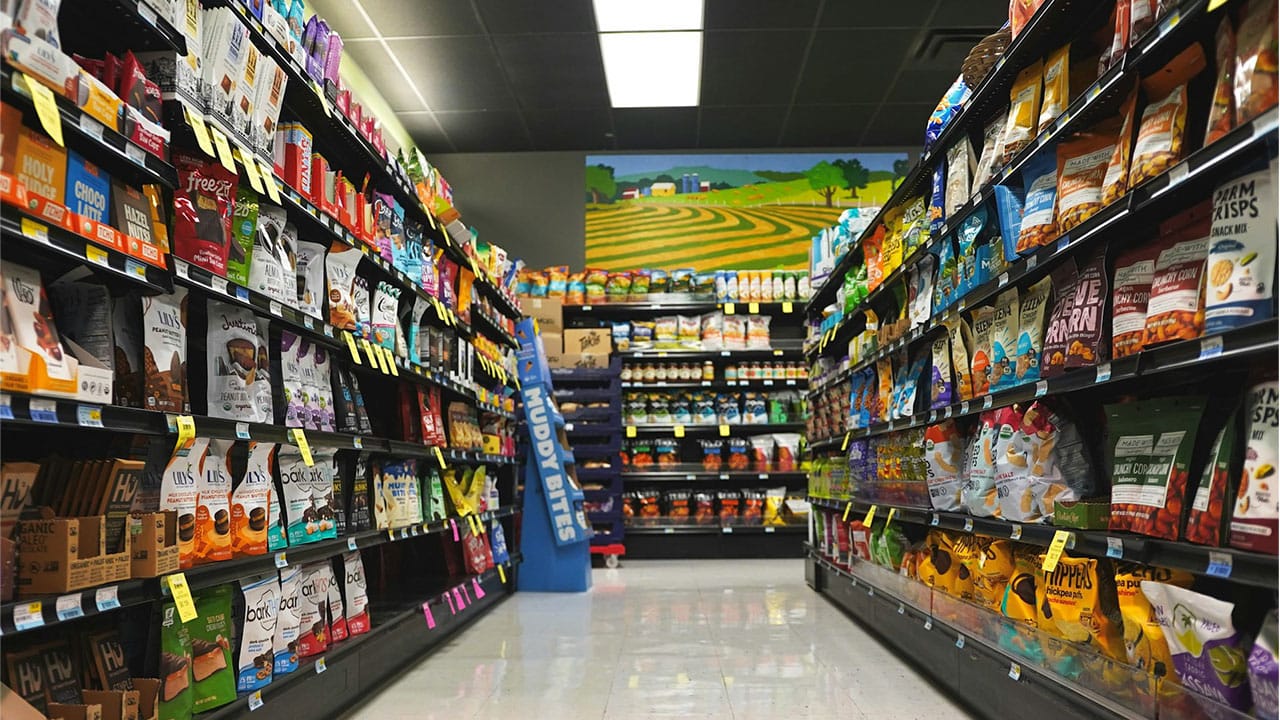
There's a mindset that name-brand products are always better, but that's not true across the board. Generic pantry staples, cleaning supplies, and even some over-the-counter meds are made in the same facilities as the branded versions.
When you always default to the more expensive label, you're missing easy chances to save. Do a side-by-side test sometime-you might be surprised how many store-brand products work just as well (or better) for a whole lot less.
*This article was developed with AI-powered tools and has been carefully reviewed by our editors.






Leave a Reply