
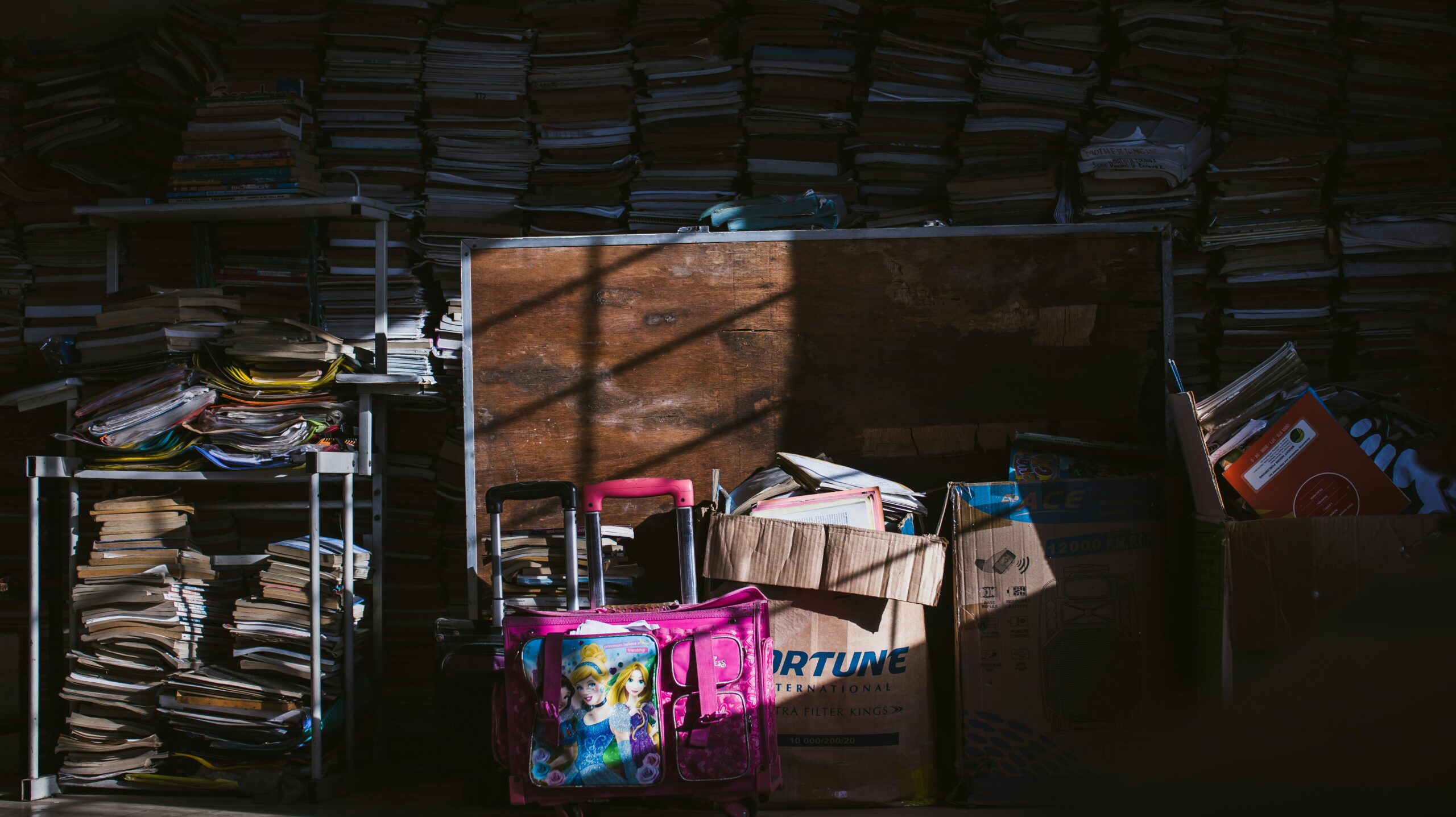
Hoarding isn't always about piles of clutter-it can sneak into the way you spend money too. Stocking up on items you don't really need ties up cash, takes up space, and often leads to waste.
Once you start letting go of that mindset, you'll notice your budget stretches further. You buy only what you'll actually use, and you stop feeling like you have to "stay ahead" by overspending. Here are ten things I stopped hoarding that made a real difference in my budget.
Bulk snacks
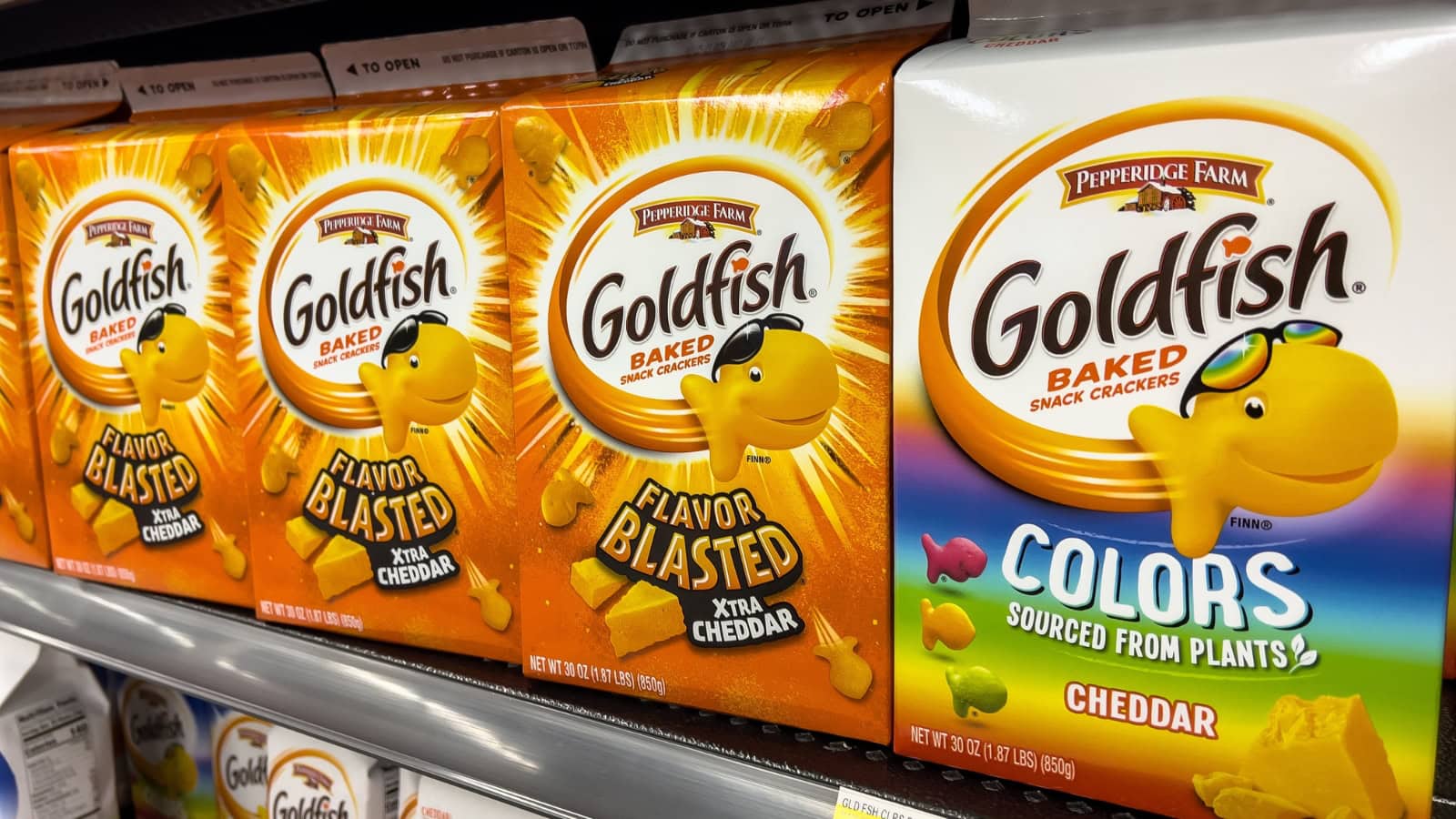
Buying huge boxes of snacks sounds cheaper, but they often go stale before you finish them. You also end up eating more than you normally would just to avoid wasting them. That means the savings aren't as big as they seem.
By buying smaller packs or only what you know your family will eat, you keep food fresher and spend less overall. You'll notice your grocery bill drop because you're no longer tossing half-used boxes in the trash.
Cleaning supplies

It's easy to fall for the idea that you need every cleaner on the shelf-one for bathrooms, one for kitchens, one for windows, and so on. Stockpiling them adds up fast and clutters your cabinets.
Switching to a few multipurpose products saves money and space. You're not paying for duplicates or scrambling to use up bottles before they expire. A streamlined stash works just as well without draining your budget.
Beauty products
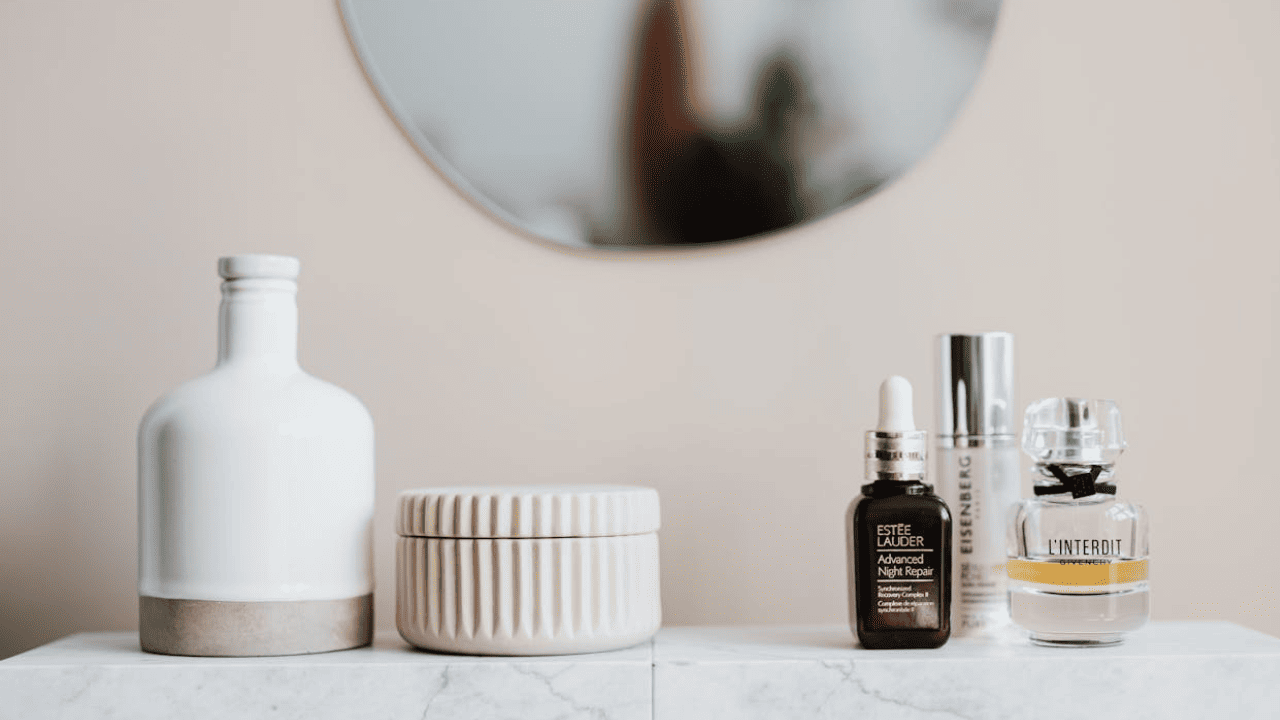
Extra lotions, shampoos, or makeup items can sit unused for months. Buying multiples before you finish what you already have means some will expire or get tossed half-full. That's money wasted.
By sticking to a few tried-and-true products, you avoid overspending. You'll get through each bottle completely before buying another, which keeps both your bathroom and your budget in better shape.
Subscription services
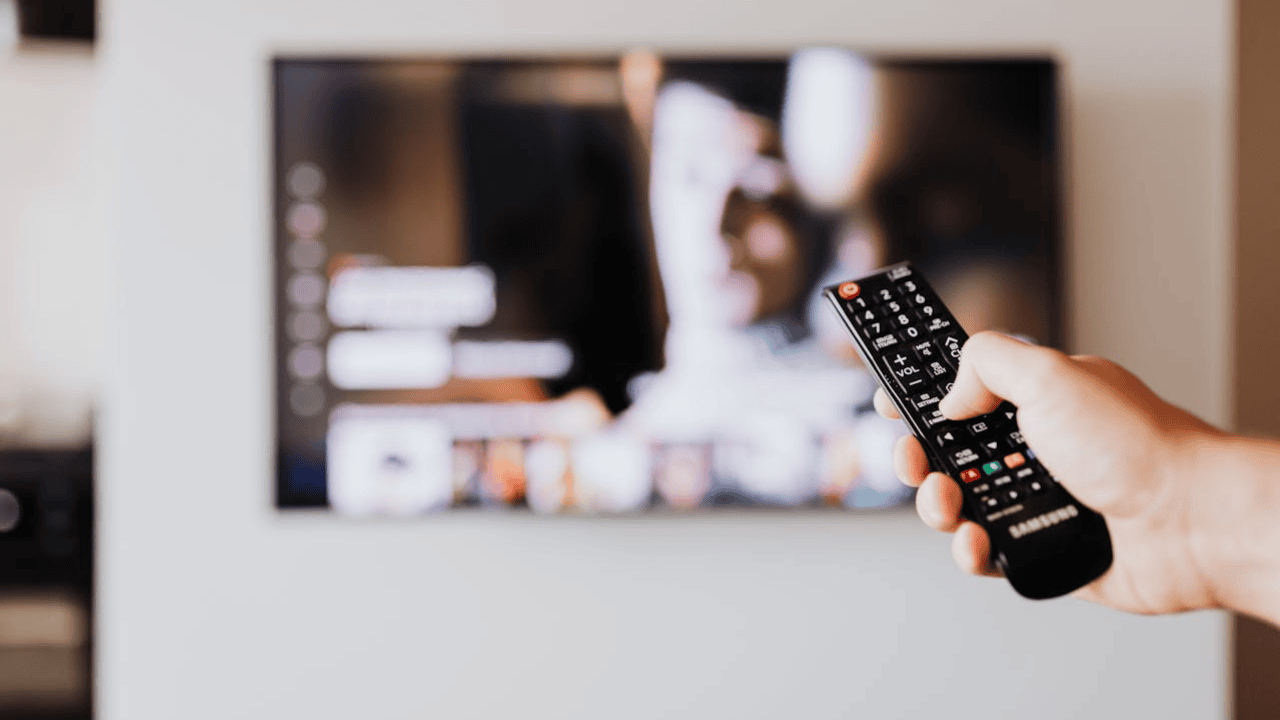
It's tempting to hang onto multiple streaming, music, or delivery subscriptions "just in case." But paying for more than you use drains your budget quickly. Most people don't fully take advantage of them all.
Canceling extras and keeping only the ones you truly enjoy makes a big difference. You'll save money every month without really missing anything. Those small charges add up more than you think when you're hoarding subscriptions.
Clothes on sale
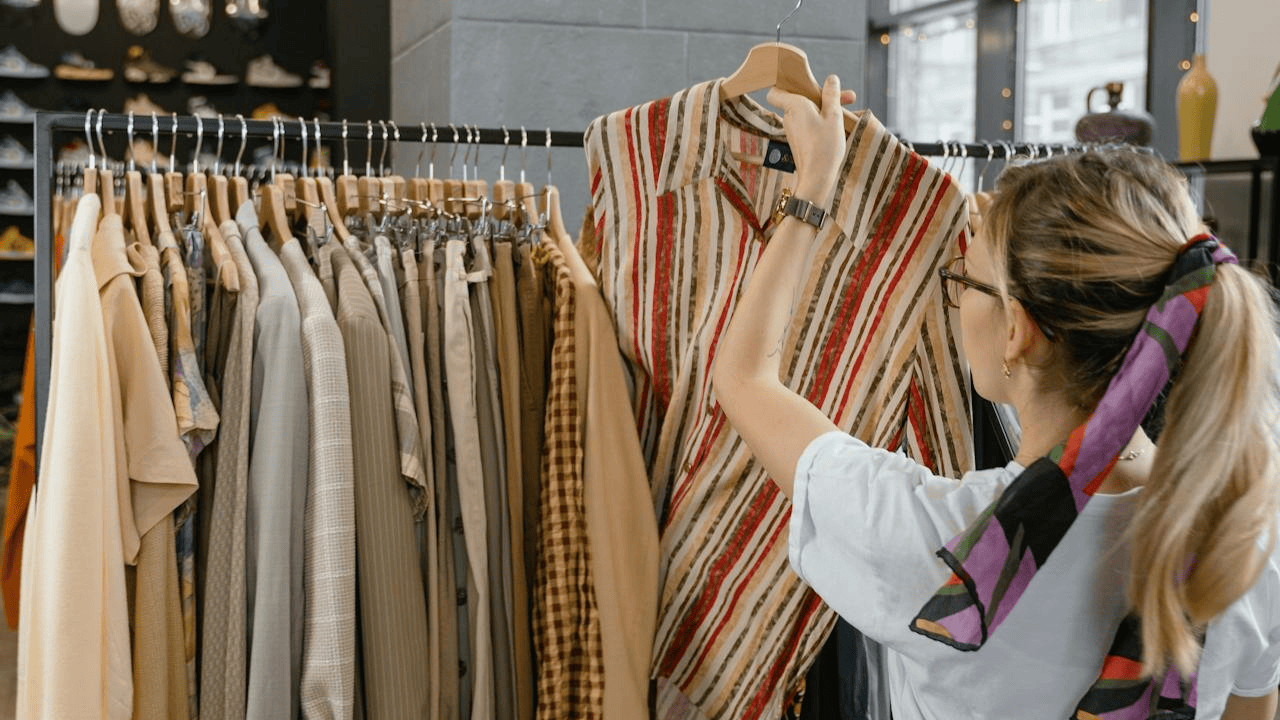
Sales can trick you into buying more than you need. Filling your closet with cheap finds you don't actually wear ends up costing more in the long run. The clutter also makes it harder to see what you already own.
Focusing on buying fewer, better-quality pieces saves money over time. You'll actually wear what you buy, and you won't be tempted to keep "stocking up" on sale items that add no real value.
Paper products
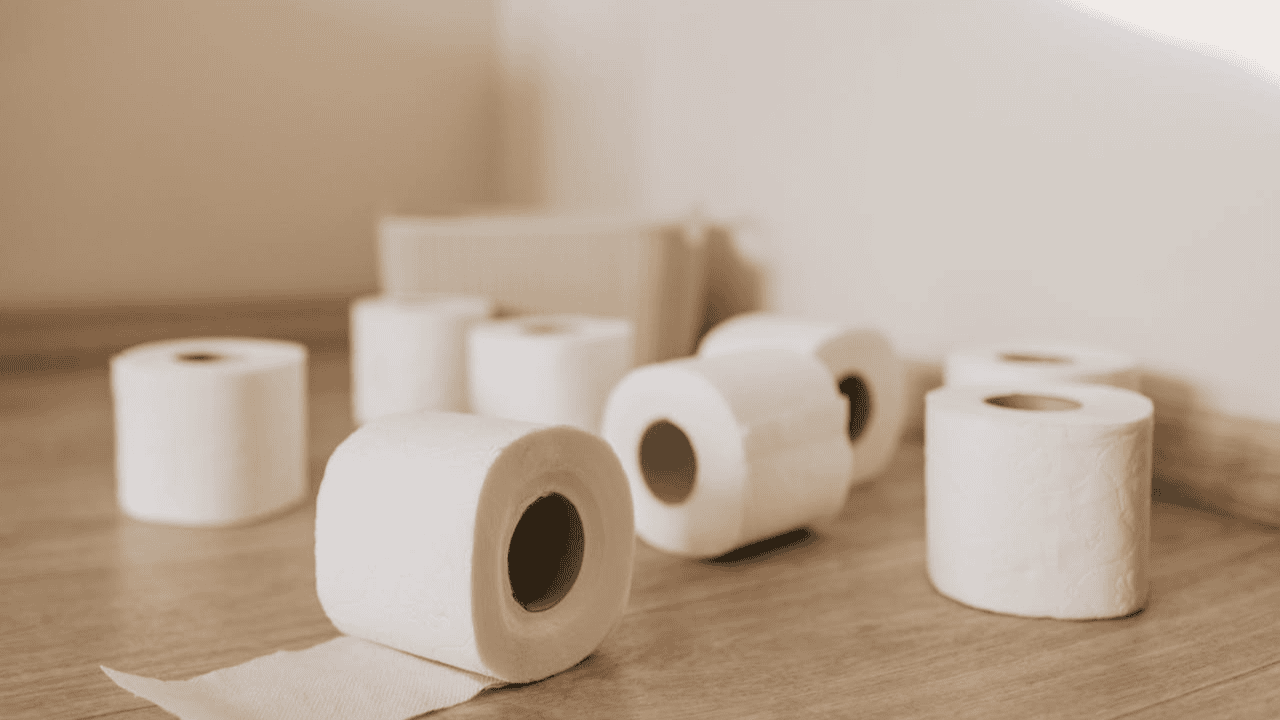
It feels practical to load up on paper towels, napkins, or tissues, but storing too much can be a hassle. You might use them faster simply because they're there, which means you're not really saving.
Keeping a manageable supply instead of hoarding cases helps you budget better. You buy them when you need them, not because you're running out of storage space. That shift alone saves both money and pantry space.
Duplicates in the kitchen
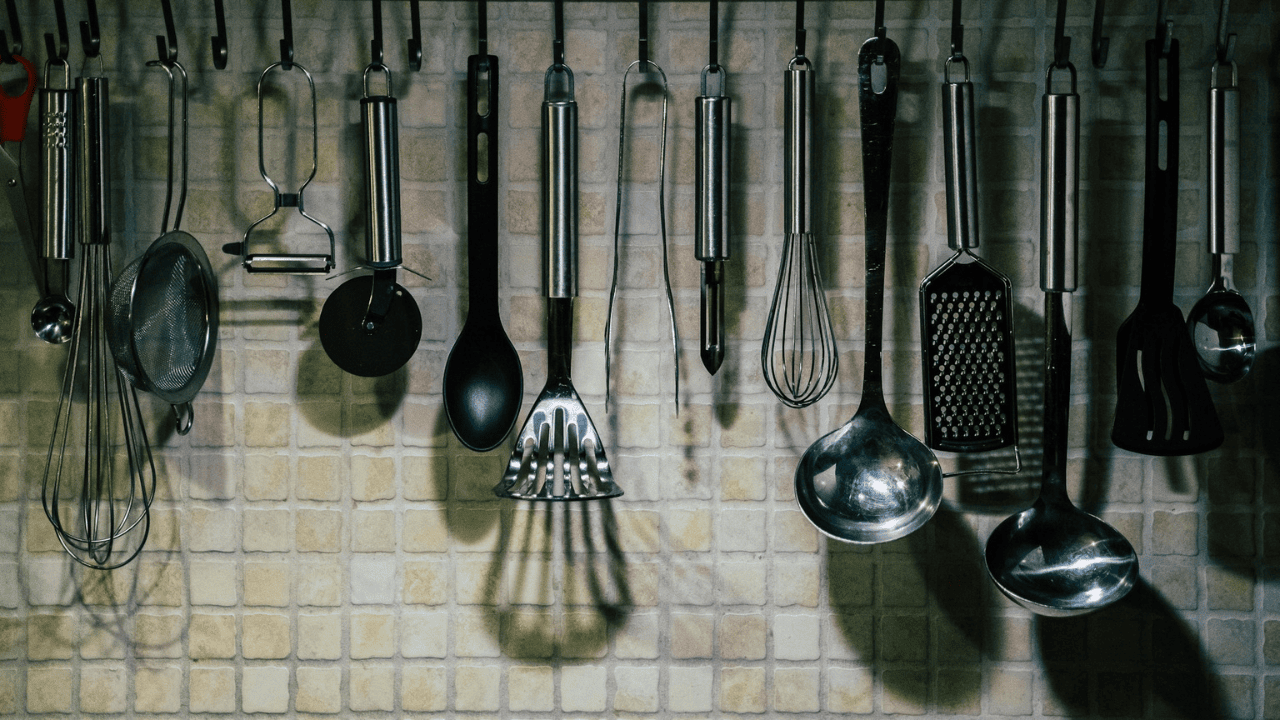
Having multiple spatulas, mixing bowls, or pans might seem convenient, but they often end up sitting unused. Buying extras "just in case" adds unnecessary spending and makes your cabinets harder to manage.
Sticking to one or two of each item is usually enough. You'll save money by not replacing or overbuying, and cleanup feels easier when you're not sorting through duplicates.
Specialty food items
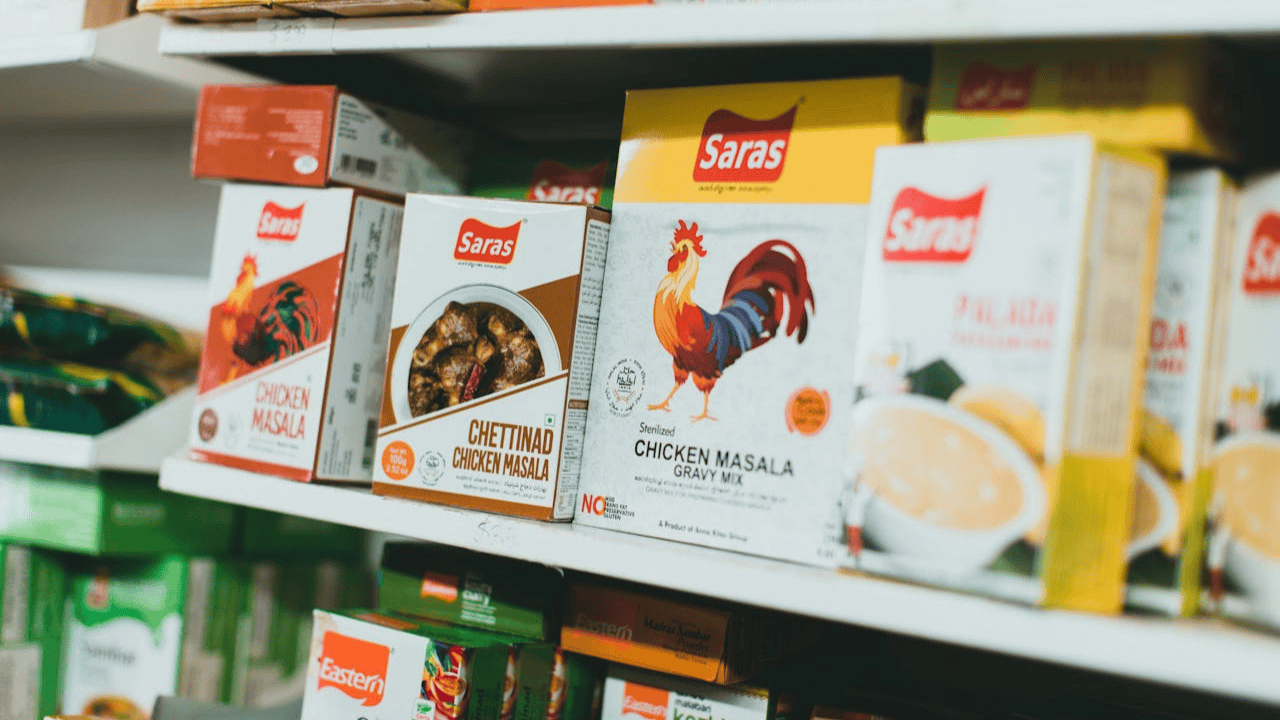
Buying sauces, spices, or mixes you rarely use often leads to waste. They sit in the pantry until they expire, which means you're literally throwing money away.
By only keeping ingredients you use regularly, you cut down on food waste and unnecessary spending. Your meals stay practical, and you don't feel pressured to keep stocking up on items that never get finished.
Craft supplies
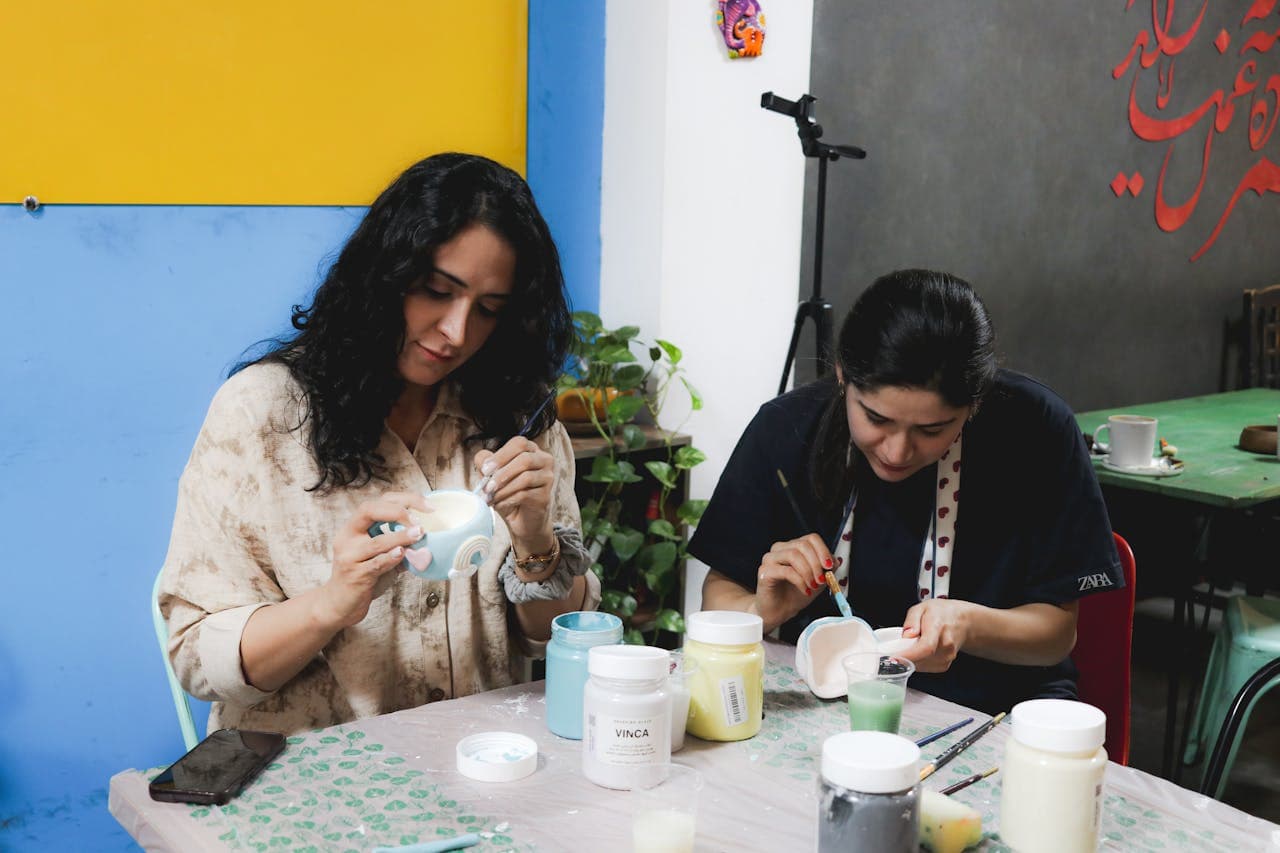
It's easy to get caught up in collecting supplies for projects you may never actually start. Hoarding paints, fabrics, or tools ties up money and fills storage spaces fast.
When you only buy supplies for projects you're currently working on, you save money and finish what you start. It makes hobbies more rewarding and less expensive in the long run.
Convenience drinks
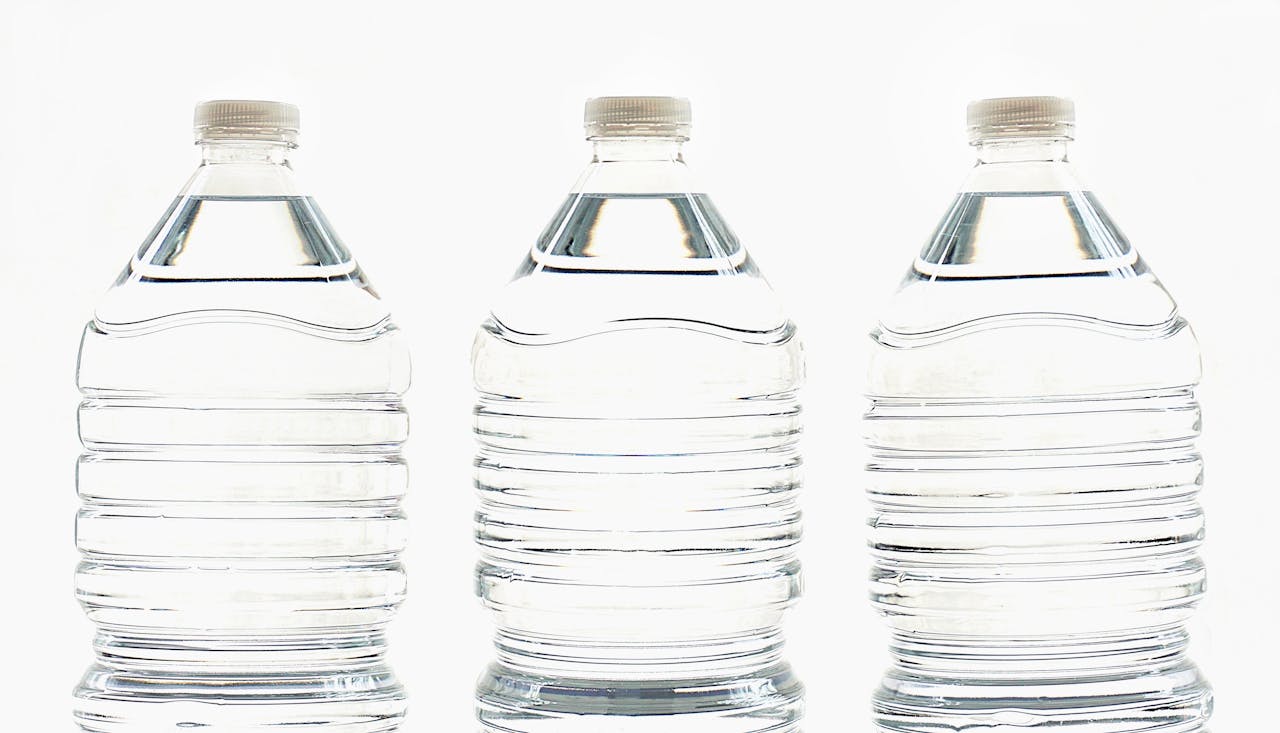
Bottled water, soda, or specialty coffees add up when you buy them in bulk. They take up space and often encourage more frequent consumption than you'd planned.
Cutting back saves money almost immediately. Using a water filter, making coffee at home, or keeping drinks to a minimum makes your budget stretch further without feeling deprived.
*This article was developed with AI-powered tools and has been carefully reviewed by our editors.






Leave a Reply