
10 things I downgraded and saved over $1,000 this year

There's a difference between cutting back and downgrading. I didn't go without, but I did take a hard look at what I was paying for and asked myself if the "better" version was actually better. Most of the time, it wasn't.
Downgrading a few things-without sacrificing comfort or convenience-saved me well over $1,000 this year. These weren't huge sacrifices. They were smart, easy changes that made my budget feel way more manageable.
Switched from salon cuts to a local stylist
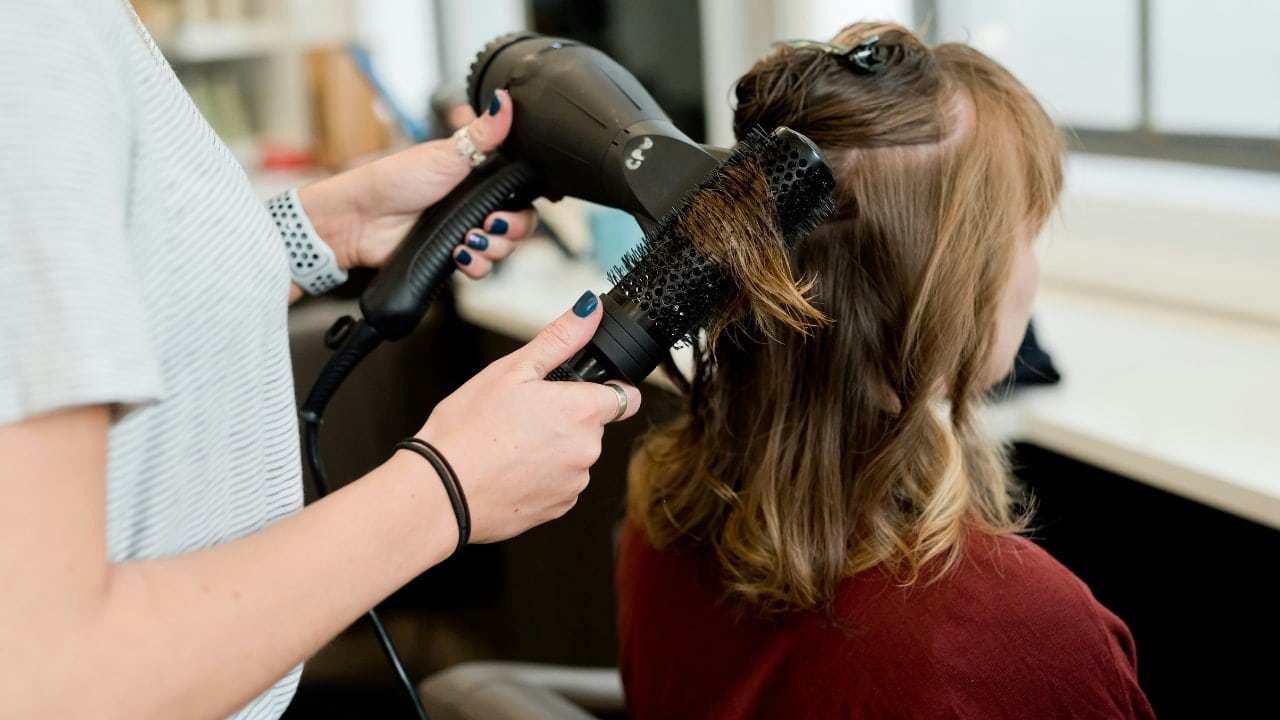
I used to spend $100+ every time I got a cut and color. Now I go to a highly rated local stylist who charges less than half that. The quality hasn't dropped at all-I still leave happy-but the price tag is way easier to manage. Over the course of a year, that one downgrade saved me several hundred dollars without giving up the self-care.
Downgraded our phone plans

We used to be on one of the big-name carrier plans with all the extras-most of which we didn't even use. Switching to a smaller provider with the same network cut our bill by more than $50 a month. We still get great coverage, and the savings added up fast. That one change alone saved us over $600 this year.
Traded name-brand cleaning products for store brand

I used to grab the most popular cleaning brands because I thought they worked better. Turns out, most store-brand versions use the same active ingredients. I swapped all our sprays, disinfectants, and laundry detergents to generic, and no one noticed a difference. That small switch across the board shaved about $15 a month off our household spending.
Switched from gym memberships to home workouts

We were spending $60 a month on a gym membership we barely used. I canceled it and started following free workout programs online. I use resistance bands, a yoga mat, and a few hand weights-all of which paid for themselves in one month. Working out at home actually fits my schedule better, and I saved over $700 this year doing it.
Bought used kids' clothes instead of new
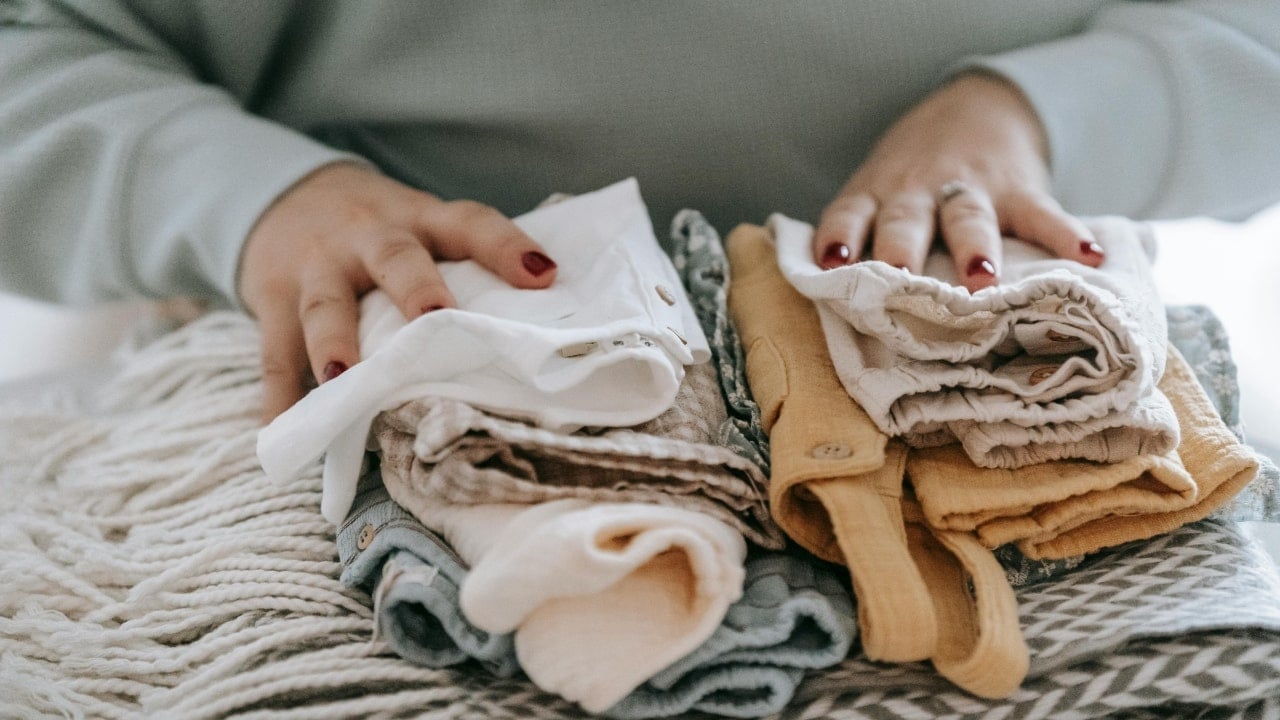
Kids grow out of things fast, and I used to buy most of their clothes new. Now I check resale shops, Facebook groups, or hand-me-downs first. I've found high-quality items for a fraction of the price, and they wear them the same either way. This downgrade saved us hundreds over the year without changing how they look or feel day-to-day.
Switched from brand-name groceries to Aldi

Grocery shopping used to eat a big chunk of our monthly budget. I used to stick with name brands out of habit, but now I shop at Aldi and buy store-brand for nearly everything. The prices are consistently lower, and the quality is solid. That shift brought our grocery bill down by nearly $300 over the course of the year.
Dropped to basic cable and added one streaming service

We were paying for a big cable package we didn't need, plus streaming on top of it. I dropped the extras and kept one budget-friendly streaming service. Now we still have plenty to watch for a fraction of what we used to pay. That decision trimmed over $400 from our yearly expenses without affecting how we relax in the evenings.
Bought a refurbished laptop instead of a new one
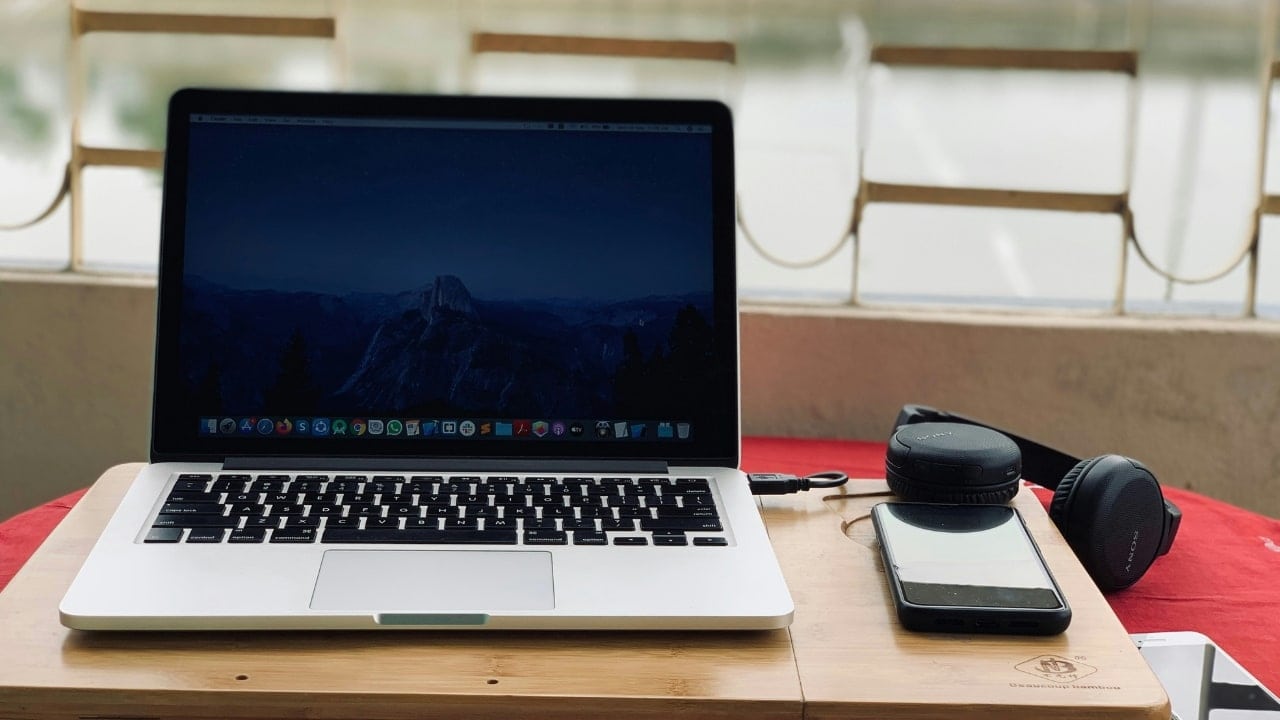
When my old laptop died, I almost replaced it with a brand-new model. Instead, I bought a refurbished version of the same device-and it works perfectly. It saved me $300 upfront, and I still got the warranty and customer support. It's a good reminder that new doesn't always mean better, especially when tech changes so fast.
Downgraded skincare and haircare
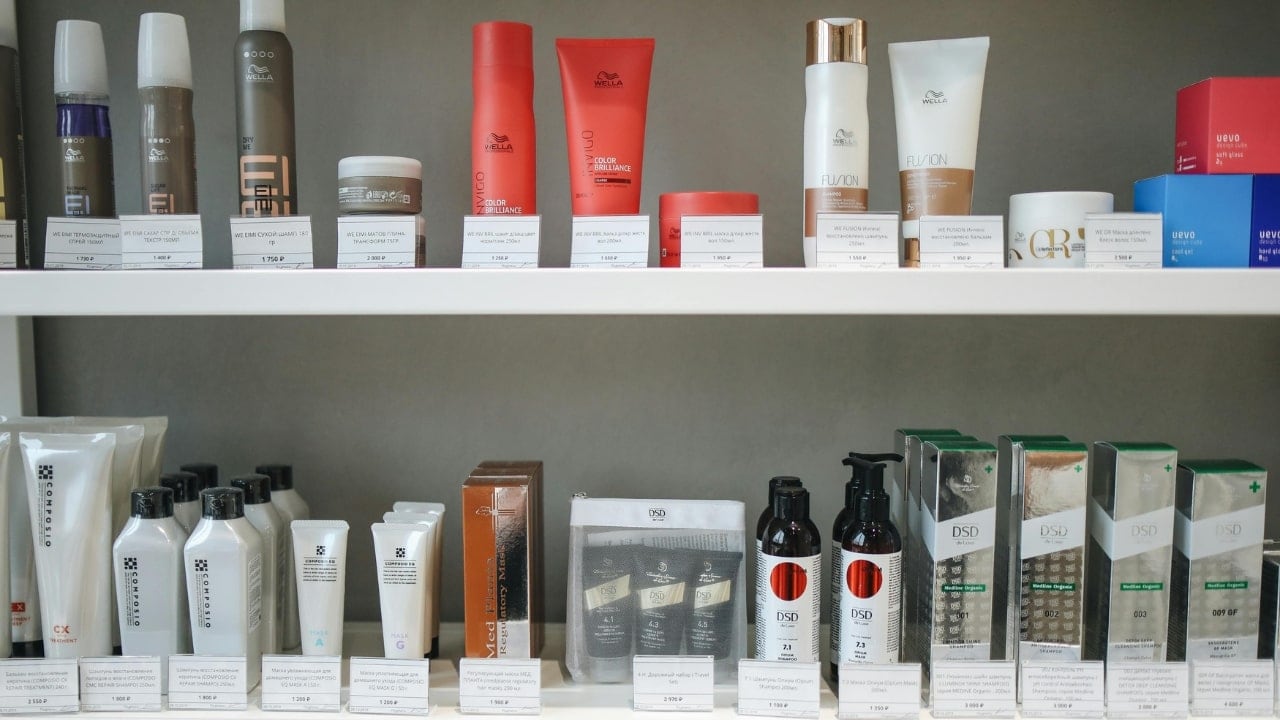
I used to spend a lot on high-end products because I believed they were the only ones that worked. This year I started replacing them with drugstore brands and mid-range alternatives that had great reviews. My routine still works, and my skin and hair haven't suffered one bit. That swap saved me well over $200 without affecting results.
Stopped replacing things "just in case"

I used to replace items the second they started looking worn-pillows, dish towels, even decor. This year, I stopped doing that unless something was actually broken or unusable. That change in mindset kept me from constantly spending on replacements I didn't really need. It added up slowly, but by the end of the year, I saved several hundred dollars by simply holding off.
*This article was developed with AI-powered tools and has been carefully reviewed by our editors.






Leave a Reply