

Little habits add up fast-especially the ones you do without thinking. Once I started paying attention to how much I was spending because I was unprepared, distracted, or behind schedule, the pattern got clear. Mornings were the biggest culprit. But once I made a few changes to my routine, the savings showed up without cutting corners. These are all things I personally do that've saved me at least $10 a day. Not in theory. In real life.
Brew Your Own Coffee Before You Touch Your Phone
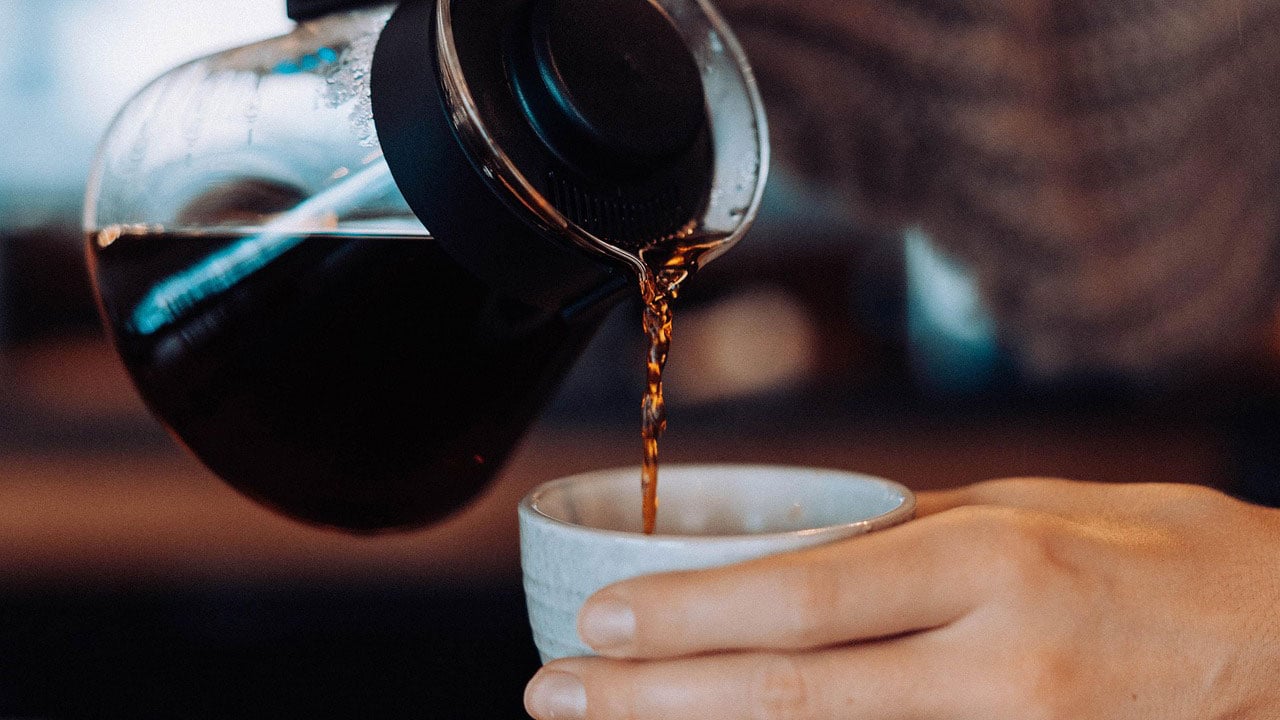
If you reach for your phone first, you're more likely to scroll until you're running late, then swing through a drive-thru and spend $5-$7 without thinking.
I make my coffee before I even check texts or open an app. It keeps me from mentally drifting and saves me a stop-and money. Even decent beans at home cost a fraction of what you’d spend out. It's one of the easiest swaps once it becomes habit.
Pack Snacks With Breakfast So You Don't Cave Later
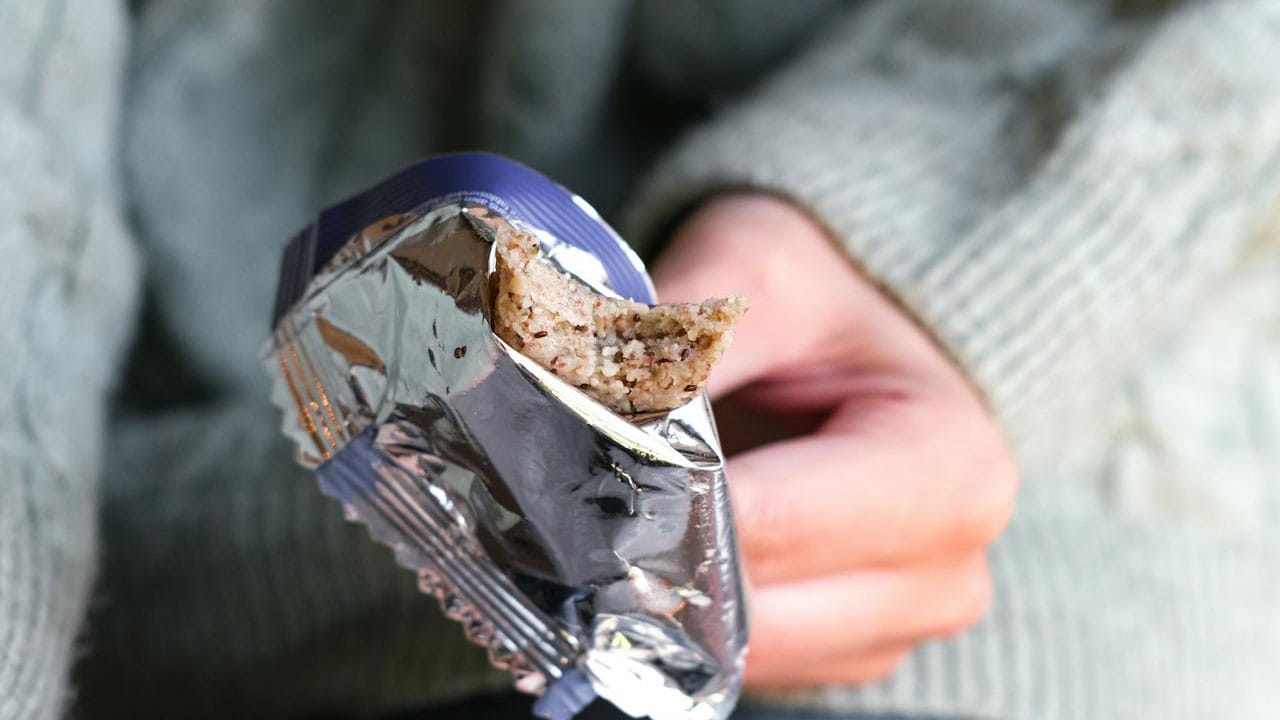
Even if you eat a good breakfast, mid-morning hunger can sneak up on you. If you're already out and about, that's when gas station snacks or overpriced drive-thru stuff comes into play.
I keep easy grab-and-go snacks near the fridge and toss one or two in my bag while making breakfast. Think hard-boiled eggs, trail mix, a protein bar-whatever works for your schedule. You'll skip spending $4 or $5 on a "small bite" that doesn't even fill you up.
Fill a Water Bottle Instead of Buying Drinks Later
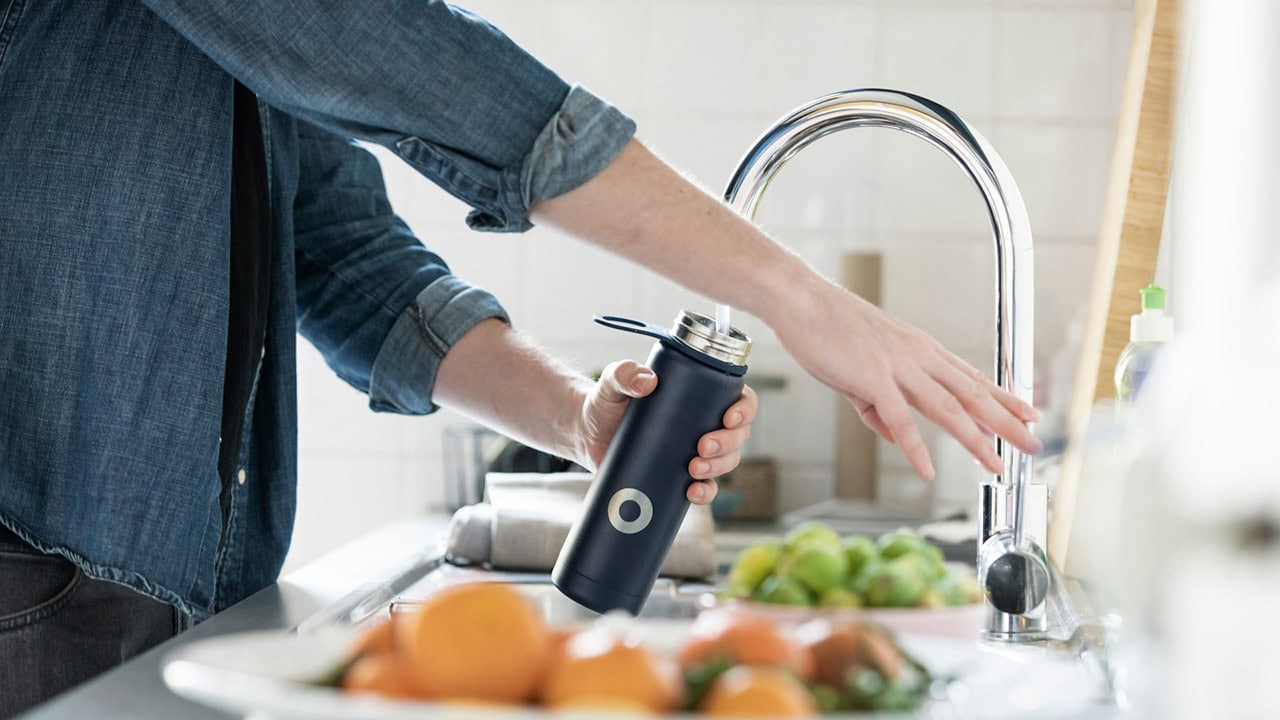
Bottled drinks add up way faster than you realize. Even a $2 soda or $3 tea here and there turns into hundreds a year.
First thing in the morning, I fill my biggest water bottle and throw it in the car or bag. Having it with me keeps me from grabbing a drink out of habit or thirst. And it helps cut down on impulse buys, since drink stops often lead to snack stops too.
Check the Freezer Before You Finalize Dinner Plans
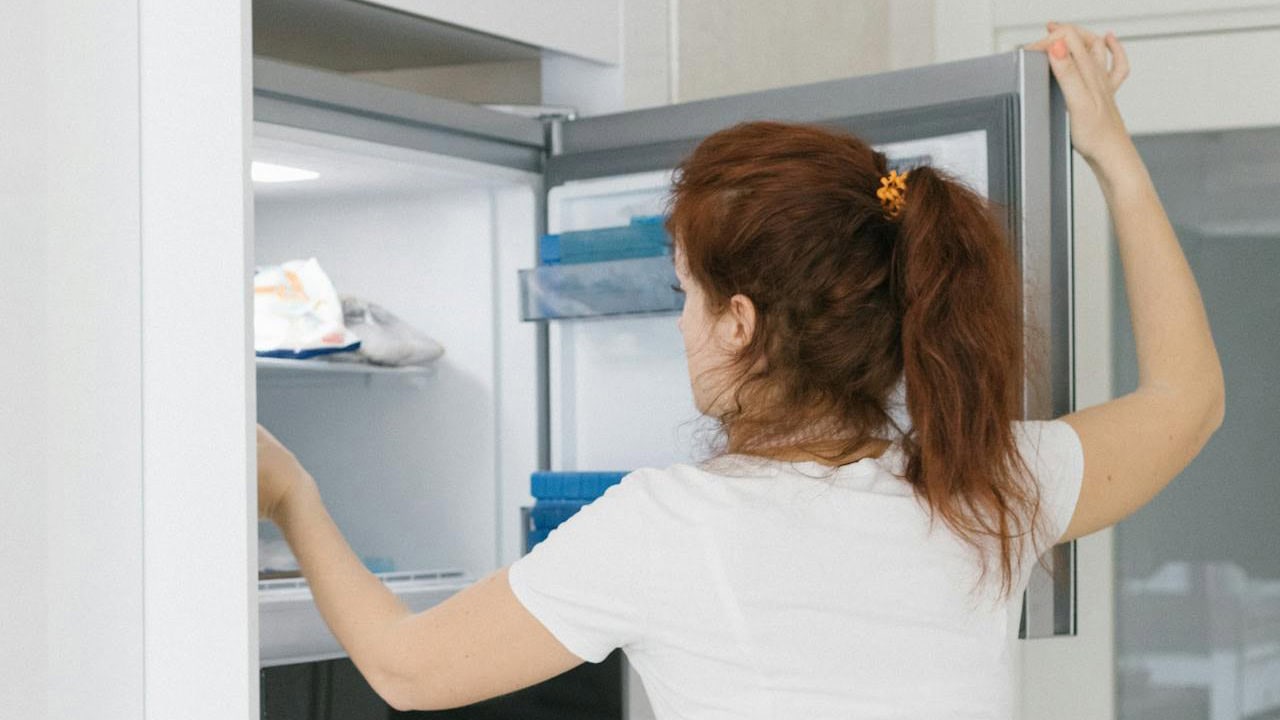
If I don't think through dinner in the morning, I'm way more likely to default to takeout by 5pm-especially if meat's still frozen. That one slip can turn into $30 fast.
Now I glance through the fridge and freezer right after breakfast and pull something to thaw. Doesn't mean I need a whole meal plan, but at least I'm ahead of the "nothing's ready" excuse. It takes two minutes and saves way more than that.
Tidy the Kitchen Before You Leave

If the kitchen's a wreck when I walk in at night, cooking sounds terrible. That's when the "we'll grab something quick" mindset kicks in, and again-you're down $25-$30.
I wipe the counters, throw dishes in the washer, and make sure I have a clear surface to cook on. Doesn't have to be deep-cleaned, just usable. Mornings set the tone, and a clean-ish kitchen keeps dinner at home doable.
Make a To-Do List That Includes "No Spend" Items
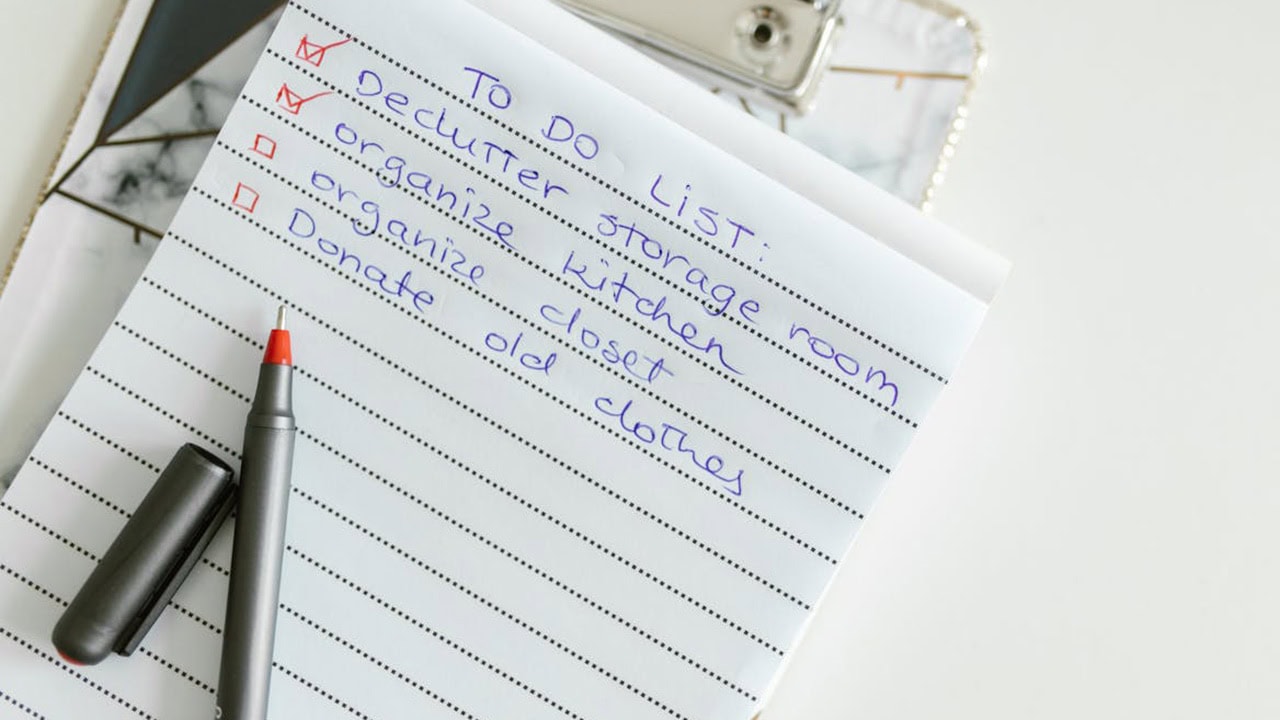
When I don't set intentions, I waste time and money chasing productivity that never really happens. I'll grab coffee to "kickstart the day" or buy something to "feel accomplished."
Instead, I write a few doable tasks like "switch laundry," "return library books," or "prep meat for dinner." They cost nothing but make me feel like I got something done. And when I already feel accomplished, I don't look for ways to buy that feeling.
Prep Something Visible That Reminds You to Eat at Home

If you're hungry and nothing's prepped or visible, it's easier to justify picking something up. I put fruit in a bowl on the counter or pre-cut veggies on a plate in the fridge.
Even putting leftovers in a clear container up front can do the trick. Seeing food that's ready reminds me there is something to eat-no need to swing by a drive-thru or order delivery.
Wear Real Clothes Before Leaving the House

If I leave the house in pajamas or a thrown-on outfit, I'm less likely to run errands or go back home before grabbing food. Real clothes mentally prep you to stay on track.
This doesn't mean dressing up, but I've noticed when I get ready early-even just jeans and a T-shirt-I feel more put together. I'm less tempted to grab food out of laziness and more likely to run quick errands that help me avoid future spending.
Cancel One Small Thing While You Still Have a Say
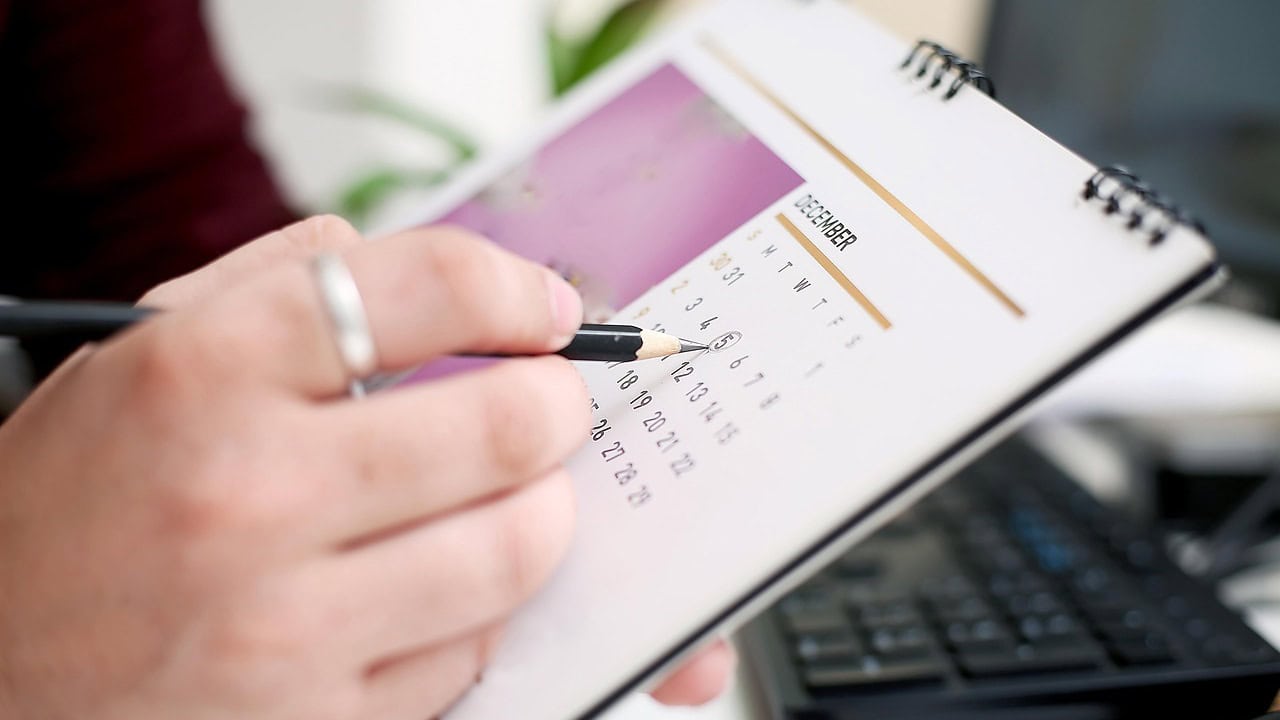
Most spending isn't an emergency. It's reactive. I check my calendar and mentally cancel one thing that costs money-like a Target run, drink stop, or quick lunch plan.
By calling it off early, I don't feel bad. I didn't "fail" or "skip" anything-I just didn't build my day around it. Sometimes I don't even miss it. But over time, pulling back on those small habits saves more than you'd think.
Skip the Scroll That Triggers Wanting Stuff
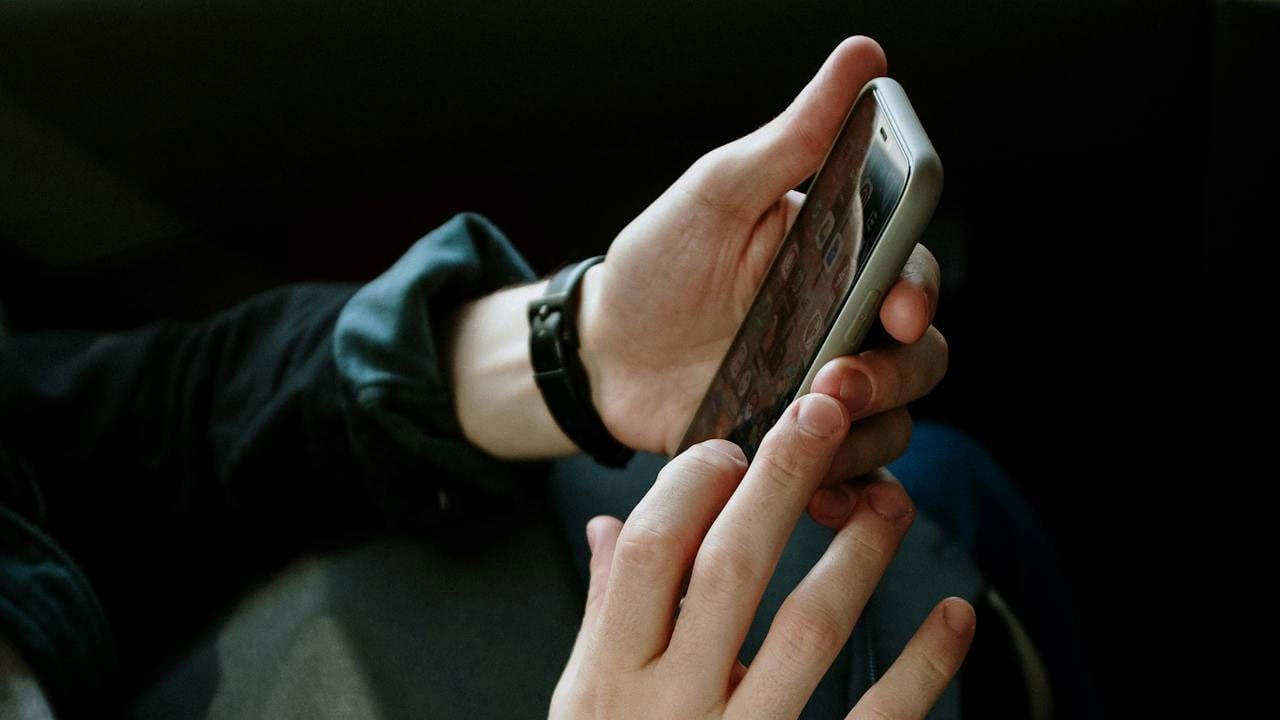
The second I start scrolling early-Pinterest, TikTok, Amazon-I get flooded with stuff that makes me want to spend. New recipes that need ingredients, outfits I "don't have," or products that solve problems I didn't know I had.
So I wait. I don't scroll until later in the day, after I've already made food and handled what needed doing. That gap between want and spend disappears fast if you never open the door to it first thing.
*This article was developed with AI-powered tools and has been carefully reviewed by our editors.






Leave a Reply