
When you're starting something new-whether it's a small business, a hobby, or a home project-it's easy to think you need every tool or gadget under the sun. But most of the time, that's how people stall out before they ever begin.
You don't need a perfect setup or a shopping spree to get started. You need resourcefulness, consistency, and a willingness to learn as you go. Here's what you can skip for now and still make real progress.
Fancy equipment
You don't need the top-of-the-line version of anything when you're still figuring things out. A basic tool that works reliably will take you much further than an expensive setup that adds pressure to "make it worth it." Start with what you have or borrow what you need-once you know you'll stick with it, then upgrade.
A professional workspace
It's tempting to think you need a dedicated room, studio, or office to be productive. You don't. The best ideas and progress often come from the kitchen table or a cleared-off corner of the garage. A clean, organized spot you'll actually use beats an "official" workspace that stays empty.
Matching storage or containers
It's easy to get caught up in organizing before you've even started. Matching bins and labels look nice, but they won't make you more productive. Use what you have-old jars, boxes, baskets-and figure out your actual workflow first. Once you know what truly needs storing, you'll spend smarter later.
Branded gear or uniforms
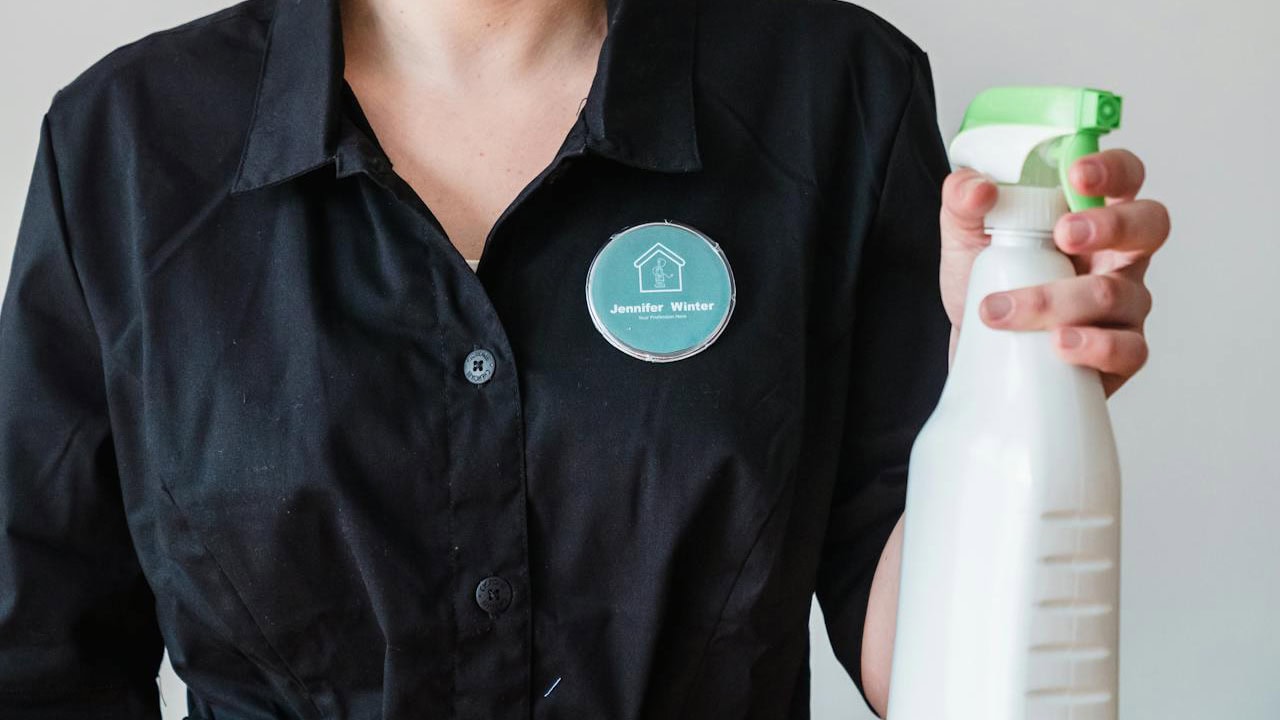
You don't need your logo on everything to be taken seriously. Branded shirts, hats, or stickers can come later if you want them. For now, focus on doing the work and getting results-your reputation is what really builds your brand, not a custom T-shirt.
Subscription tools and apps
There's an app or paid service for everything, but most aren't necessary at the start. Free versions or built-in tools get the job done. Wait until you hit a limit that's holding you back before paying for anything. You'll save money and better understand what's actually worth investing in.
Extra inventory or supplies
It's easy to overbuy materials "just in case," but that usually ends up as wasted money and clutter. Buy what you need for your first project or order, then scale from there. Real demand should drive your spending-not guesses about what might sell later.
Expensive marketing
You don't need ads or fancy business cards to get noticed. Word of mouth, social media, and showing real results are stronger and free. Let your work speak for itself. When people trust you and see value, they'll share your name faster than any paid campaign ever could.
Specialized gadgets
Every niche has tools that promise to make your life easier, but most are duplicates of what you already own. Before buying something new, ask yourself if you'll use it weekly-or if it'll end up in a drawer. If it's not essential right now, skip it until it proves it's worth the space and cost.
A big starter budget

People think starting small is a disadvantage, but it actually forces creativity. Working within limits helps you learn how to problem-solve and make smart spending decisions later. A lean start means less risk and more flexibility if things change-which they always do.
Perfection before progress
This might be the biggest thing you don't need. You'll never feel fully ready, and that's okay. The sooner you begin, the sooner you'll learn what truly matters-and most of it won't come from a store. Every skill, system, and upgrade can come later. What matters most is that you start.
*This article was developed with AI-powered tools and has been carefully reviewed by our editors.






Leave a Reply