
10 streaming and subscription habits that quietly double your entertainment budget
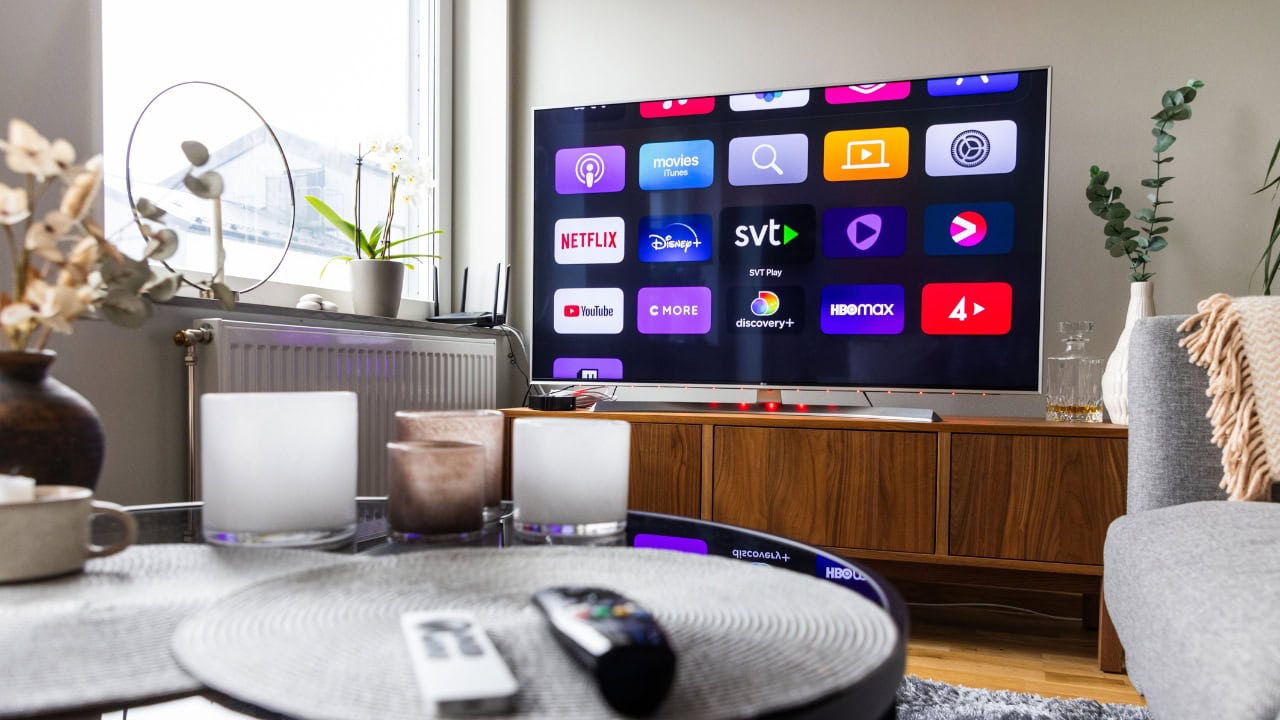
Streaming was supposed to be cheaper than cable… and then suddenly you're paying for five platforms, three add-ons, and a "free trial" you forgot about.
Most people don't blow their budget with one giant charge. It's the small, automatic subscriptions that pile up. These habits are the ones that quietly turn "$15 here and there" into a bill that looks suspiciously like the thing you were trying to escape.
Here's what to watch for.
1. Treating every new show as a reason to add a service
A friend mentions a show, TikTok raves about a series, and the next thing you know, you've signed up for another platform "just for this one thing."
The problem is you rarely cancel once you're done. That $7-$20 a month sticks around long after the credits roll.
Try flipping the habit: if a show is on a service you don't already have, write it on a list. When you're truly bored with what you're watching, pick one service from that list, sign up for a month, watch what you want, then cancel before hopping to the next.
2. Keeping both ad-free and ad-supported versions at the same time
A lot of people upgrade to ad-free during a promo and never bother to downgrade again. Or they stack ad-free streaming on top of a live TV package that already includes those channels.
You're paying twice for the same content: once in a bundle, once for the fancy version.
Take a hard look at your lineup. If you're barely watching a platform or your eyes can handle a few ads, drop down a tier or cut that service altogether. One downgrade can free up $5-$10 a month without changing anything about your actual life.
3. Letting "free trials" quietly roll into full-price bundles

Free trials are designed to be forgotten. You try it once, get busy, and by the time you remember, you've already paid full price for two or three months.
The simplest fix: if you sign up for a trial, set a calendar reminder that day for a couple of days before it renews. When the reminder goes off, decide honestly-have you used it enough to keep paying?
If the answer is "eh, kind of," that's your cue to cancel. You can always come back later when there's a promo and you actually have time to watch.
4. Paying for multiple "watch anywhere" options you never use
Offline downloads, 4K upgrades, extra screens-these features sound useful, but a lot of families never use them enough to justify the price jump.
Ask yourself: how often are we truly watching in 4K? Do we regularly have four people streaming at the same time, or is that more of a once-a-month thing?
If the answer is "almost never," drop to the cheaper tier. You're still getting the same shows and movies, you're just not paying for add-ons that look impressive in the marketing but don't do much in your actual day-to-day.
5. Stacking niche add-ons "just to check them out"
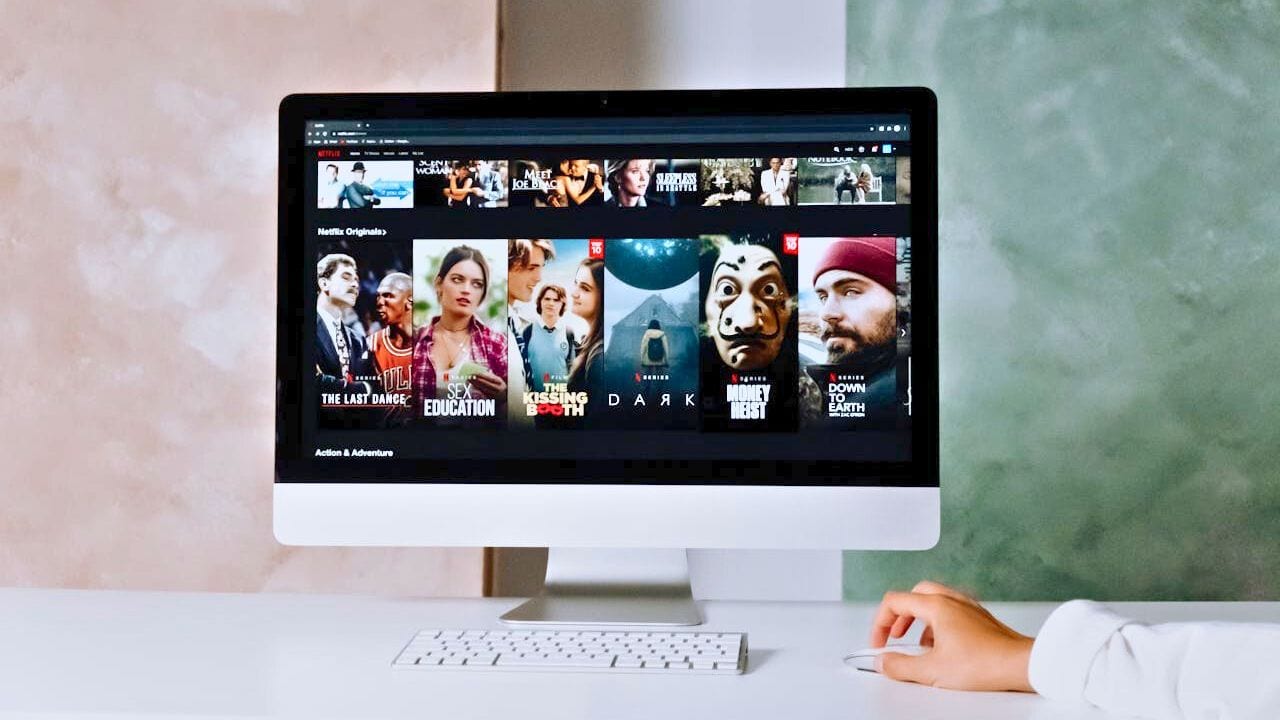
Sports add-ons, premium channels, niche hobby platforms-they're easy to add with one click, especially when there's a discount for the first month.
The trap is forgetting to cancel when the price jumps back up. Those little $4.99 and $9.99 charges are exactly what quietly bloats your entertainment budget.
Before you add any extra channel, ask, "Is there something specific I'll watch this month?" If you're just curious, skip it. Curiosity is free on YouTube, library DVDs, or borrowing from a friend. Paid add-ons should earn their keep.
6. Treating "bundle deals" like automatic savings
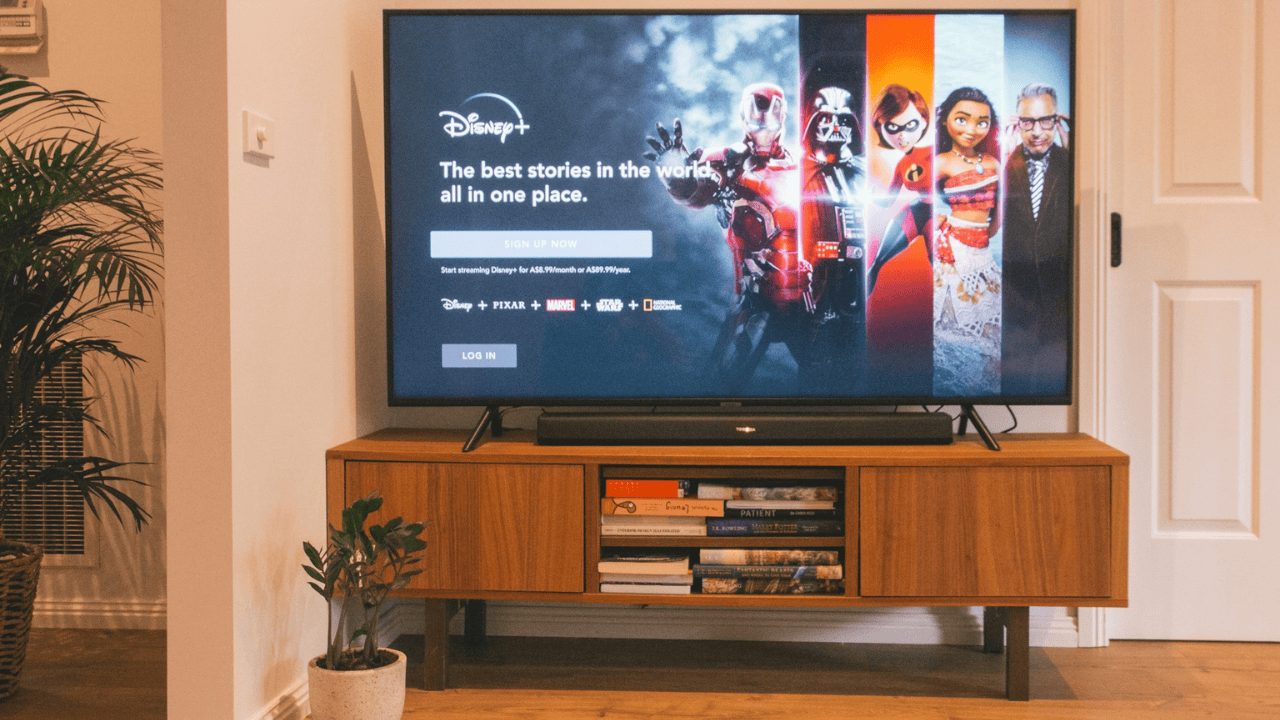
Bundles can be helpful if you truly use every piece of them. But "$80 for live TV plus these three streamers" is not a deal if you only watch one.
Sometimes you're better off with one solid streaming service and a cheap antenna than a big bundle that sounds efficient but quietly locks you into a high monthly payment.
Do the math on your bundle versus a pick-and-choose setup. If you'd save money dropping the bundle and manually selecting two or three services you actually use, the convenience isn't worth the extra cost.
7. Never pausing subscriptions during busy seasons
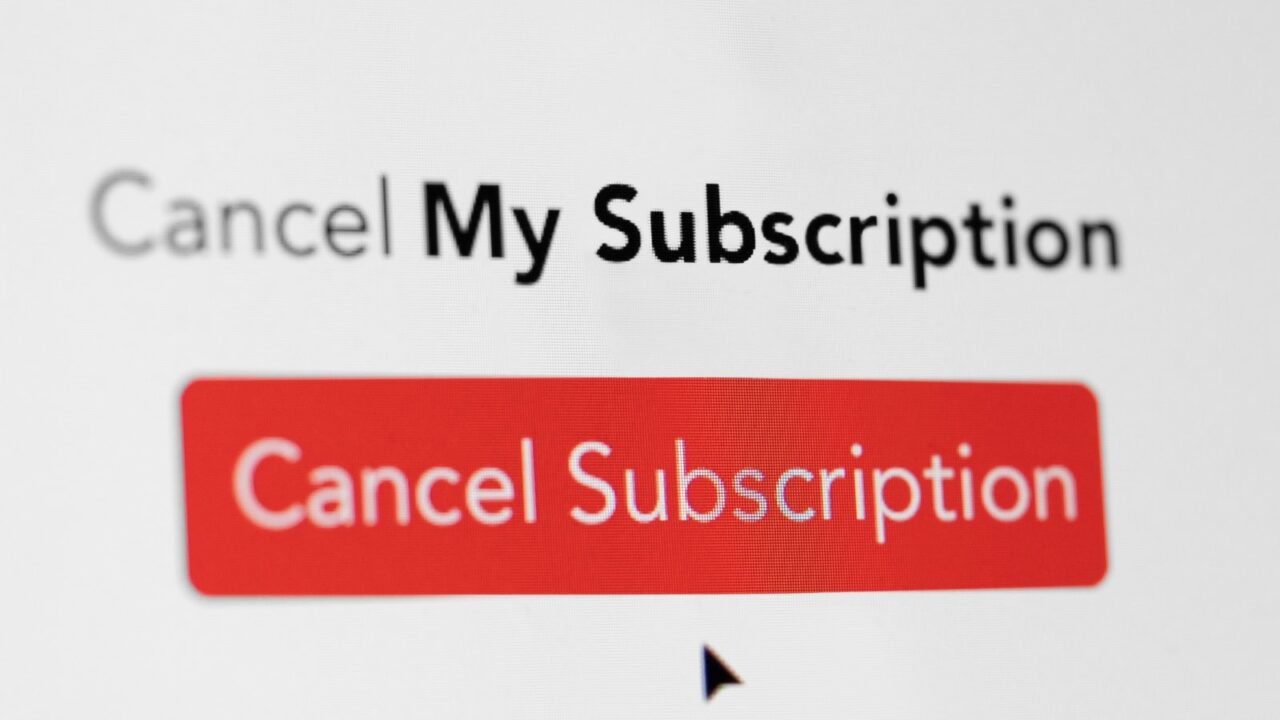
There are seasons of life-sports schedules, holidays, school chaos-where you barely sit down, much less binge watch anything.
If you're not opening an app for weeks at a time, that's a sign you can pause or cancel for a bit. Many services make it easy to pause instead of fully cancelling, which keeps your profile and watchlist but stops the charges.
Even a two- or three-month break across two services can put a nice chunk back in your pocket without you "losing" anything. The shows will still be there when you're ready.
8. Sharing accounts without clear boundaries
Sharing can save money, but it can also backfire if nobody knows who's paying for what or when. All of a sudden you're covering more than you meant to, and everyone's assumption is, "Well, it's only $12."
If you're sharing logins, have at least a quick text thread or note about who pays for which platform. If you feel weird asking, that's a sign the arrangement is fuzzier than it should be.
You don't have to split everything 50/50, but you do need clarity so you're not quietly footing the bill for everyone else's binge habits.
9. Letting boredom turn into "subscription shopping"

When you're tired or bored, it's easy to wander through app stores and streaming menus looking for something new to download or sign up for "just to try."
Those "why not?" moments are exactly when you're most likely to add extra cost without thinking about it.
Instead, keep a running list in your notes app of movies, shows, podcasts, or books you want to check out. When the urge hits, open the list and pick from what's already there before you go browsing for new subscriptions.
10. Never doing a "subscription audit" because you're afraid of what you'll see

If you've had the same mix of services for a while, it's worth one uncomfortable afternoon to go through your bank and card statements line by line.
Highlight anything streaming- or subscription-related. Seeing the actual monthly total can be a shock-but a helpful one. From there, rank them by how much joy or usefulness you get from each. Cut the bottom one or two and see how you feel in a month.
If you don't miss them, that tells you a lot. Your entertainment budget should feel like something you're choosing on purpose, not a number you're scared to look at.
*This article was developed with AI-powered tools and has been carefully reviewed by our editors.






Leave a Reply